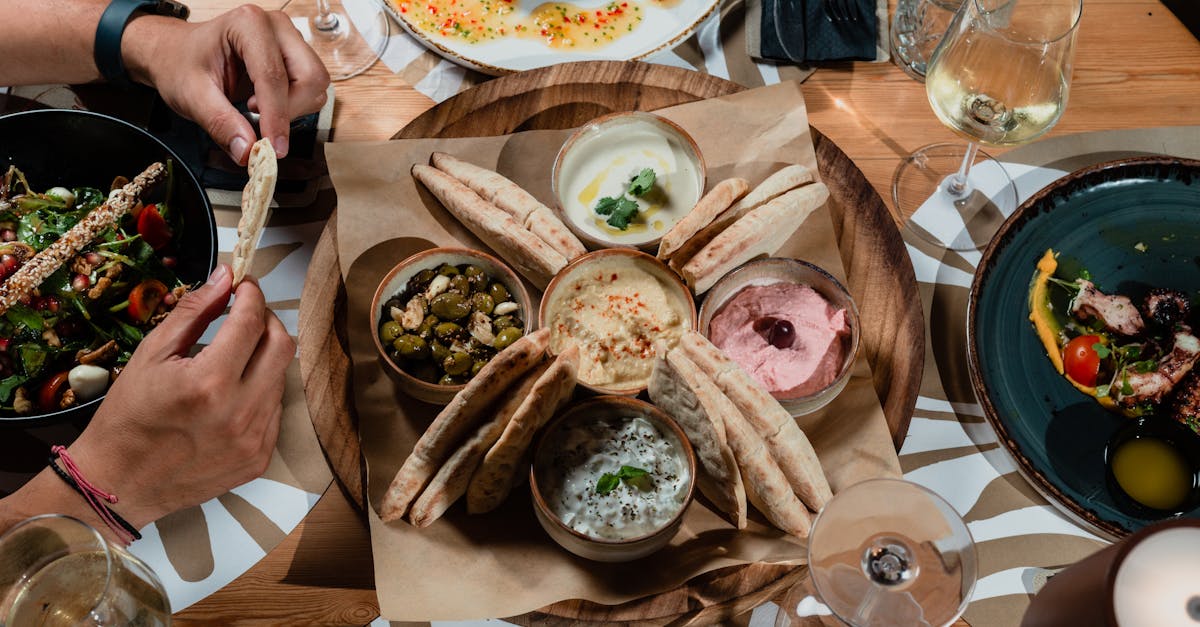
In the bustling landscape of French wines, there are vintages just waiting to be discovered, with that little something extra to seduce the palate and leave a lasting impression. Cahors wine is one of those wines with a strong personality, unique in its kind. Not just another bottle of red, but a wine that tells a story, a region, a terroir, a thousand-year-old tradition. And when we talk about Cahors, we’re talking above all about Malbec, the legendary grape variety that found its birthplace and its most intense expression here. So how does this jewel of the Southwest hold its own against the great names of Bordeaux, Burgundy, and even Rhône wines? What traits mark its difference and give it this special place? The answer lies in the combination of an exceptional terroir, mastered grape varieties, expertise rooted in passion and respect for tradition, and the ability to innovate while remaining true to its roots. Today, with leading players like Château de Gaudou, Domaine de Cénac, and Château Lagrézette, Cahors wine is making a strong presence on the wine scene. It must be said that this region has no shortage of assets: varied soils, climates that complement the vines, and a winemaking process that emphasizes a certain robustness and beautiful elegance. Whether you’re a connoisseur or simply curious, we’ve put together this guide to help you understand, without any hassle, why this wine is so popular and dazzling wine lovers.
Why is Cahors wine so unique among French wines?
Let’s start with the most obvious: the unique character of Malbec, the king of Cahors grape varieties. Unlike in other regions where it can play a secondary role, here it is the star, required at least 70% in blends and often complemented by Merlot or Tannat. This dominance gives Cahors a distinct, intense, tannic profile, with an almost mysterious black color that immediately catches the eye and intrigues the nose.
But beyond this particular grape variety, it is the entire combination of soils and climate that forges this distinctive taste. Cahors benefits from a rugged terrain, mixing hills and plateaus with iron-rich black soils, white limestone, gray marl, and red siderolithic rock. Each soil type influences the vine, resulting in incredible diversity in the wines produced, even within the same estate.
🌱
- Malbec: Main grape variety, provides the tannic base and dark color. 🌞 Climate:
- A temperate oceanic climate with Mediterranean influences, perfect for revealing concentrated aromas. 🪨 Terroir:
- Diverse soils, from limestone to marl, allow for a rich aromatic palette. 🍷 Blends:
- Often complemented by Merlot and Tannat, for a subtle balance between strength and roundness. The result is a powerful wine with a pronounced minerality, but also a beautiful, surprising freshness. The nose often reveals notes of black fruits (blackcurrant, blackberry), licorice, a hint of violet, and sometimes a touch of roasting due to its often controlled barrel aging. This complex blend makes Cahors a great choice for food, particularly with a refined selection of regional dishes. Element Effect on the wine
Notable example
| Limestone soil | Brings finesse and freshness | Gassier Vineyards |
|---|---|---|
| Grey marl | Solid tannic structure | Clos Triguedina |
| Red siderolithic | Power and intensity | Château La Reyne |
| To truly understand the difference, we must also talk about history and identity. Cahors is a terroir that has survived the centuries, preserving its winemaking traditions. The power and longevity of its wines also come from this artisanal, often family-run, work and the notes of authenticity it develops. The famous Garoute of the Southwest pairs perfectly with these sincere, emotionally charged reds. | Discover Cahors wine, a treasure of French winemaking heritage, with its dark color and rich aromas of black fruits and spices. Learn more about its emblematic grape varieties, its unique terroir, and the food and wine pairings to enhance your meals. | The major players shaping the reputation of Cahors wine |
Cahors isn’t just for a few passionate individuals. Key players, whether independent family estates or cooperative wineries, bring this region to life and give life to exceptional wines. A few names stand out, among others, and perfectly represent this uniqueness: 🏰 Château de Gaudou

🍇
Château Lagrézette
: Known for its powerful yet refined wines, it symbolizes the nobility of Cahors Malbecs and often works biodynamically.
- 🍷 Clos Triguedina : A modern estate that combines modern techniques with respect for ancient soils.
- 🌞 Domaine de Cénac : An excellent ambassador with wines that embody the freshness and density typical of Lot Malbec.
- 👩🌾 Les Vignerons de Cahors : The cooperative winery brings together several producers and offers a wide range of wines, suitable for all tastes. 🍒
- Château du Cèdre : Offers wines with a deep flavor and beautiful complexity. 🌿
- Domaine K : favors sustainable methods while producing elegant wines. 🌍
- Vignobles Gassier : cultivates diverse terroirs to offer rich aromatic profiles. 🏞️
- Château La Reyne : known for its powerful and expressive style, leaving its mark on the appellation. Estate
- Characteristics Style of wine produced Tour and tasting
- Château de Gaudou Combines tradition and modernism Balanced and complex wines
| Yes, by reservation | Château Lagrézette | Biodynamic and powerful | Great, deep Malbecs |
|---|---|---|---|
| Yes, guided tours | Les Vignerons de Cahors | Wide and accessible range | Varied wines for all |
| Yes, open cellar | Domaine de Cénac | Freshness and density | Typical Malbec |
| No | These players clearly contribute to the reputation of Cahors wine, each with their own unique touch. You’ll have the opportunity to better understand these varied styles by visiting the region or consulting with experts who showcase the richness of this terroir. | Discover the wines of Cahors, an emblematic appellation of southwest France. Appreciated for their rich, tannic character, Cahors wines offer intense aromas of black fruits and spices. Immerse yourself in the world of these authentic vintages, perfect for pairing with your favorite dishes. | https://www.youtube.com/watch?v=LHurhUWPkk4 |
| The organoleptic characteristics that make Cahors wine incomparable | Cahors wine is often described as a unique sensory experience. Why? Because it has a personality that is both brutal and delicate. Let’s review the taste and olfactory characteristics that make this wine so special. | 🍇 | Intense color: |
Very dark, almost black, a sign of high concentration. 👃

👅
Palate:
- Powerful yet elegant tannic attack, developing freshness and length. 🧀 Aging potential:
- Able to age for several years, developing interesting tertiary notes (leather, tobacco, cocoa). It’s this blend that sets Cahors apart from other, more classic French reds like Bordeaux, with their more accessible finesse, or lighter Burgundies. Its robust, sometimes austere, but always balanced character makes it a connoisseur’s choice. Appearance Description
- Comparison with Bordeaux Comparison with Burgundy Color
- Intense black color Darker than most Bordeaux Much darker than Burgundies
Tannins
| Robust and present | More tannic | Much more tannic | Aromas |
|---|---|---|---|
| Black fruits, spices, licorice | Often fruitier | Lighter, floral | Aging Potential |
| 10-15 years | Variable, often 5-10 years | Often shorter | Whether drunk young or after a few years, Cahors wine remains a wine that will take you on a journey, combining robustness and finesse, revealing surprises with every sip. It is also perfectly suited to gastronomy, particularly with traditional dishes from the Southwest, such as the famous aligot – to discover its authentic recipe, go here. https://www.youtube.com/watch?v=7BUNLmvWylo |
| Cahors Wines and Their Unique Food Pairings | To nail the perfect Cahors wine, aim for its strong, warm flavors. This wine, initially a bit raw, finds its true magic when paired with hearty cuisine. Whether you’re a fan of red meats, dishes with sauce, or mature cheeses, Cahors will put you on the right track. | 🥩 | Grilled or sauced red meats: |
| lamb, beef, duck breast. | 🧀 | Hard cheeses: | Cantal, Comté, sheep’s milk cheese. |
🍲 Traditional dishes:cassoulet, duck confit, aligot, or even some spicy dishes.
Intense dark chocolate:
Subtle pairings to discover at
- vin-et-chocolat.fr . The pairing with aligot is almost a classic in the heart of the region. The melting texture and richness of the melted cheese blend perfectly with the robust yet supple tannins of the Malbec. Moreover, for those who want to try this Southwestern staple at home, several recipes are available, including excellent modern and traditional versions.
- Dish Recommended Cahors wine Why does it work? Duck Breast
- Powerful, Young Wines Fat and meat blend with tannins Cassoulet
- Smoother wines, sometimes aged in barrels Complementary spices and body Young Cantal Balanced and fresh winesHarmony between acidity and sweetness
Dark Chocolate Evolved, slightly oaky wines Intensity and roundness Cahors wine also reveals its versatility at regional events, such as the Quimperlé Wine and Gastronomy Fair, where unmissable vintages are often presented. This is clearly a wine that’s eager to find a place in your gourmet habits.Recent Developments and Current Challenges in the Cahors Vineyard
| Cahors wine, even with its deep history, is not stuck in the past. To stay in the race against other renowned French appellations, the region is adapting. Local winemakers, particularly estates like Château du Cèdre and Domaine K, are investing in more sustainable and biodynamic practices, seeking to enhance the natural and authentic character of their wines. | We are also witnessing a diversification of vintages, with a desire to offer more accessible wines from a younger age, while retaining that famous tannic character and complexity. Innovations also include experiments in winemaking, reduced yields, and an increased focus on quality rather than quantity. This approach is increasingly appealing to consumers, always seeking authenticity and meaning. | 🍃 |
|---|---|---|
| Biodynamics and organic farming: | on the rise to protect the environment and improve quality. | 🚜 |
| Modern technologies: | better control of winemaking without losing the traditional style. | 📈 |
| Marketing strategies: | highlighting origins and specific terroirs to stand out. | 🌍 |
| Wine tourism: | development of tours and tastings to showcase the region. Challenge | Solution Applied |
Expected Impact Global WarmingAdaptation of Grape Varieties and Practices
Maintaining Quality and Style
International Competition
Targeted Marketing on Terroir and Tradition
- Improved Global Visibility Regulatory Pressure Organic and Biodynamic Certification
- Meeting Consumer Expectations For those curious enough to step inside a winery like Puy Lévêque, the discovery will be rich and inspiring. In any case, Cahors wine continues to write its own story, blending passion, innovation, and respect for the terroir to remain an essential reference in the Southwest.