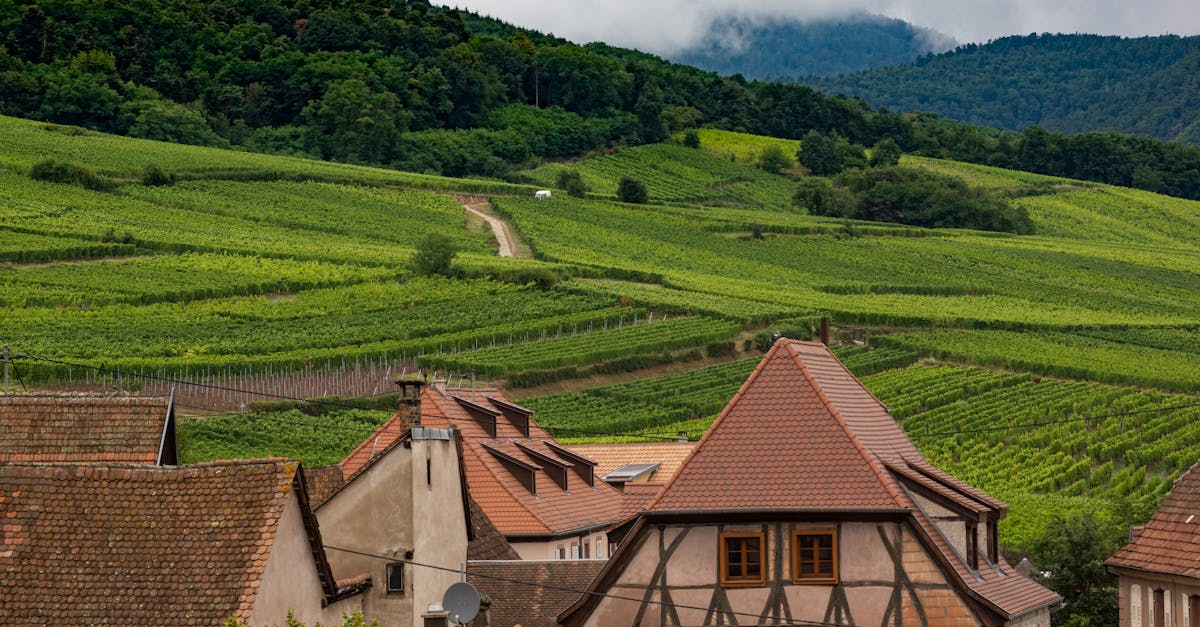
Alsace wine, with its rich history and unique terroirs, does more than simply delight palates. It represents a powerful economic driver for the region, driving local momentum that goes far beyond simple viticulture. Blending tradition and modernity, Alsace relies on its renowned estates, such as Domaine Zind-Humbrecht, Domaine Weinbach, and Domaine Marcel Deiss, to showcase its expertise throughout the world. This vibrant industry, in turn, contributes to the vitality of local businesses, wine tourism, and employment. Wine is therefore not just a product, but a comprehensive driving force for the entire Alsace region.
This economic strength is visible on several levels: exports are experiencing tremendous momentum, with steadily increasing results that boost all related sectors. At the heart of this success are the Caves Historiques de Ribeauvillé and the Cave de Turckheim, true icons that attract crowds of visitors each year. These establishments are not only points of sale, but also places of experience where wine tourism blends with local culture. It can therefore be said that Alsatian wine is a trump card for boosting regional revenues, creating synergies between agriculture, trade, and tourism services.
In this whirlwind of activity, initiatives to promote the ecological and taste characteristics of Alsace wine are also essential. The region is committed to sustainable practices, incorporating the innovations of the national “Vitilience” program. This program, led by the French Institute of Vine and Wine, aims to combine adaptation to climate change with economic development.
So, how does this industry, deeply rooted in Alsatian heritage, support the local economy? Through what mechanisms does Alsace wine positively influence the region? We’ve put together this hassle-free guide to help you get the hang of it and understand why Pinot Gris isn’t just a star in the glass, but also a key player in the region’s economic dynamism.
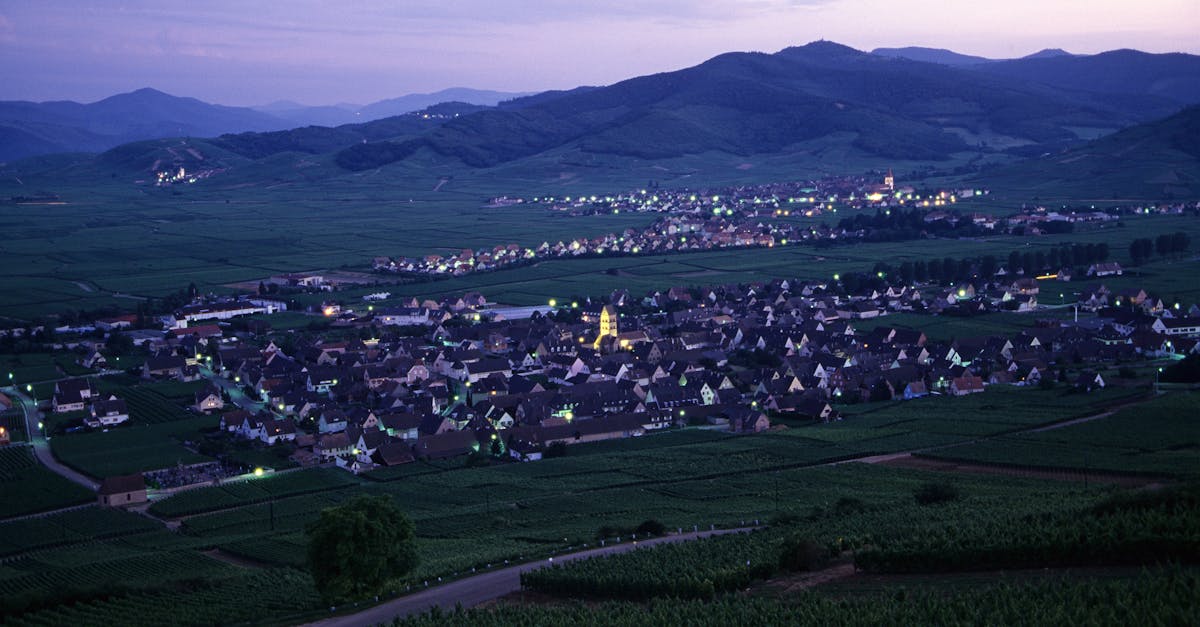
What are the economic pillars of Alsace wine?
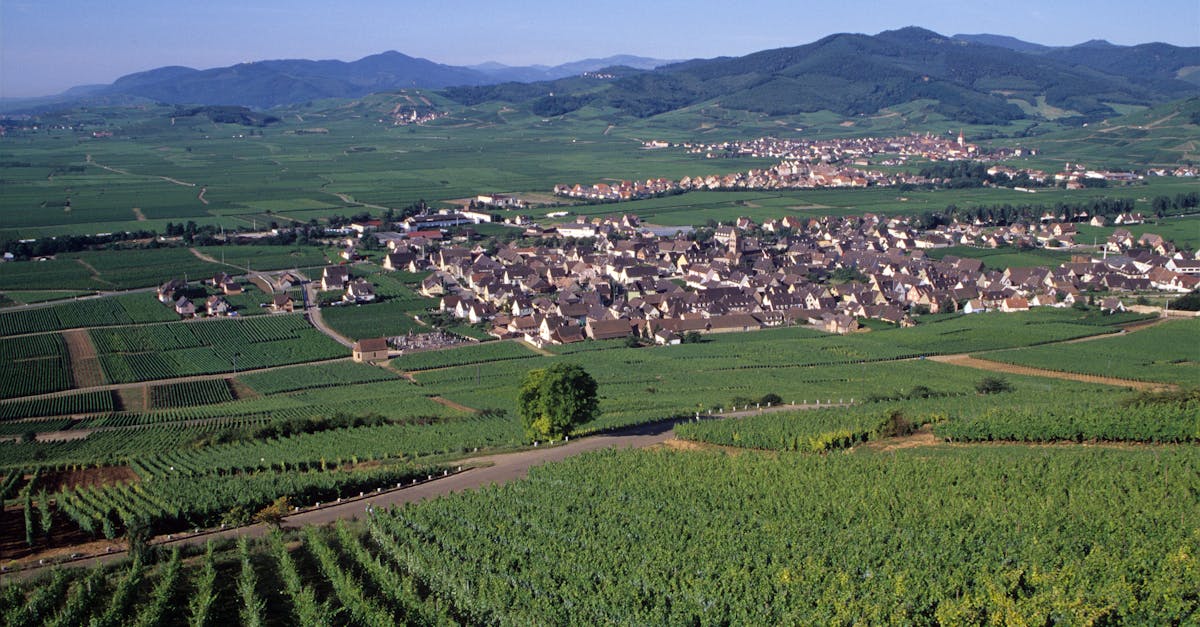
To understand how Alsace wine boosts the local economy, we must first lay the foundations of its economic importance. By 2025, Alsatian wine production will cover approximately 15,600 hectares, representing approximately 3.5% of France’s vineyards under the Appellation d’Origine Contrôlée (AOC). This may seem modest compared to other regions, but the added value generated is far from negligible.
In terms of revenue, the Alsatian wine industry is worth more than €400 million per year. This economic weight relies on various local stakeholders, from individual winegrowers and family estates such as Domaine Paul Blanck, Albert Mann, and Domaine Mure, to cooperative wineries such as Cave de Hunawihr. Each of them contributes their share, creating a solid economic network. This economy is based on several pillars: 🍇 Production and processing:
Viticulture remains at the heart of the business, with particular attention paid to the quality of traditional Alsatian grape varieties such as Riesling, Gewurztraminer, and Pinot Noir.
- 🏪 Marketing and distribution : Alsatian wines benefit from an extensive sales network in stores, at local wine merchants, and abroad, thus boosting sales and awareness.
- 🍷 Wine Tourism : With tourist sites such as the Caves Historiques de Ribeauvillé and the Cave de Turckheim, wine tourism attracts thousands of visitors.
- 🛠️ Local Employment : Viticulture, sales, tourism management, as well as logistics and services related to the industry, create thousands of direct and indirect jobs.
- 🌿 Innovation and Sustainable Development : Participation in the “Vitilience” program allows for the adaptation of practices to environmental issues while strengthening regional competitiveness. To better visualize this dynamic, here is a summary table of the main sectors and their financial and social impact:
- Sector 🍷 Estimated revenue (in millions of euros) 💰 Direct & indirect jobs 👩🌾
Viticulture and winemaking
| 260 | 3,600 | Marketing and export |
|---|---|---|
| 90 | 1,200 | Wine tourism |
| 60 | 1,500 | Innovation and sustainable development |
| 15 | 300 | Commercial success and tourism dynamism cannot be dissociated from the already well-established reputation of estates such as Domaine Zind-Humbrecht and Domaine Weinbach, which serve as showcases on a global scale. Their commitment to quality and innovation attracts buyers from around the world while developing the local economy. |
| How does the distribution chain boost sales? You don’t need to be an expert to notice that Alsace wines are not lacking in visibility. The region is multiplying its distribution channels: | 🛒 Online sales via specialized platforms, facilitating access even outside France, such as | vin-et-chocolat.fr |
.
🏬 Presence in supermarkets and local cafés and restaurants with targeted selections.
🍾 Independent wine merchants and specialty shops offering personalized advice, highlighting the best local wine merchants (
- discover here ).It is thanks to this network that we are able to combine tradition and modernity, dazzling an ever-growing audience.
- https://www.youtube.com/watch?v=Zp1rFOfUWiA
- How does Alsatian wine tourism generate sustainable wealth?Alsace wine is more than just a bottle: it generates a sensory and cultural adventure for all those who come to discover its secrets. And this experience is a real driving force for the local economy. Wine tourism has been booming for several years, with exceptional tours that cross the picturesque vineyards and charming villages located around estates such as Domaine Paul Blanck or Cave de Hunawihr. These tours are far from trivial:🚶 Walks through the vineyards, between hills and forests, to learn to recognize the characteristics of the grape varieties.
🍷 Guided tastings highlighting renowned local wines.
🎉 Seasonal festivals and events, such as the Harvest Festival, which bring together locals and visitors.
Wine tourism also promotes accommodation, restaurants, and local crafts, creating a virtuous circle. According to recent data, nearly 500,000 tourists are attracted each year by these wine-related activities, which generate:
Tourism 🍇
- Economic impact 💶
- Jobs created 👩🍳
- Winery visits and tastings
- 25 million
800
| Accommodation and gastronomy | 18 million | 600 |
|---|---|---|
| Crafts and local products | 12 million | 400 |
| The Historic Cellars of Ribeauvillé, for example, attract visitors every year in search of authenticity and history, as does the Turckheim Winery, which offers fun and educational tours. These experiences not only saturate the region with tourists, but also allow locals to showcase their heritage while generating a financial windfall. | https://www.youtube.com/watch?v=FP1LkT4Sruc | What are the must-see tourist routes? |
| To fully enjoy this wine-rich region, certain tours are unmissable: | 🚗 The Alsace Wine Route, which winds for 170 km through vineyards and famous villages such as Riquewihr and Eguisheim. | ⛩️ Guided tours at Domaine Marcel Deiss, renowned for its biodynamic production and natural wines. |
🍴 Gourmet stops to taste local specialties to accompany the wines at each stop. 📚 Discover traditional craftsmanship at the Cave de Hunawihr.
vin-et-chocolat.fr
, a website that brings together all the best addresses and details to help you plan your hassle-free getaway.
- Discover the wine treasures of Alsace, a region renowned for its exceptional white wines like Riesling and Gewurztraminer. Explore the picturesque vineyards, winemaking traditions, and food and wine pairings that make Alsace a must-see destination for wine lovers.
- What role do ecological innovations play in the economic development of Alsace wine?
- There’s no point beating around the bush: the climate challenge is challenging traditional viticulture in Alsace, as it is everywhere else. But instead of giving up, industry players are embracing innovation. Thanks to the “Vitilience” program, led by the French Institute of Vine and Wine (IFV) and supported by FranceAgriMer, Alsatian winegrowers are collaborating closely to develop more sustainable and resilient practices.
- This pragmatic approach has several objectives:
♻️ Reduce the carbon footprint of vineyards through more environmentally friendly cultivation practices. 🌱 Experiment with new disease control techniques while limiting pesticide use.💧 Manage water more efficiently, particularly through sustainable irrigation and soil protection.
Ecological Innovation 🌿
Economic Benefits 💡
Biodynamic Viticulture
- Better wine quality, premium prices possible
- Responsible water management
- Cost reduction and resource conservation
- Use of drones and sensors
Optimization of treatments, saving time and energy
| Agroecological practices | Improvement of biodiversity and strengthened brand image |
|---|---|
| To delve deeper into these specificities, | vin-et-chocolat.fr |
| provides a comprehensive report. | What are the driving forces behind this approach? |
| Several renowned estates are at the forefront of sustainable practices: | 🌟 |
| Domaine Zind-Humbrecht | : recognized for its exemplary biodynamic methods and long-term vision. |
🌟 Domaine Marcel Deiss : pioneer of organic and biodynamic farming in Alsace.
🌟
Albert Mann
- : combines tradition and innovation in an environmentally friendly approach. Discover the wines of Alsace, a wine-growing region renowned for its aromatic grape varieties and magnificent landscapes. Explore our tasting tips and the best local vintages for an authentic experience. How does Alsace wine promote employment and local craftsmanship?
- Alsace wine is also a significant source of employment in a region that relies on its local expertise. In total, the wine sector and its related activities employ thousands of people, from winegrowers to restaurateurs, including the artisans who design pourers, gift boxes, and accessories specific to regional wines. Here’s an overview of the impact on employment: 👩🌾
- Winegrowers and farm workers : At the heart of the harvest, they are the foundation of the production chain. 🍇
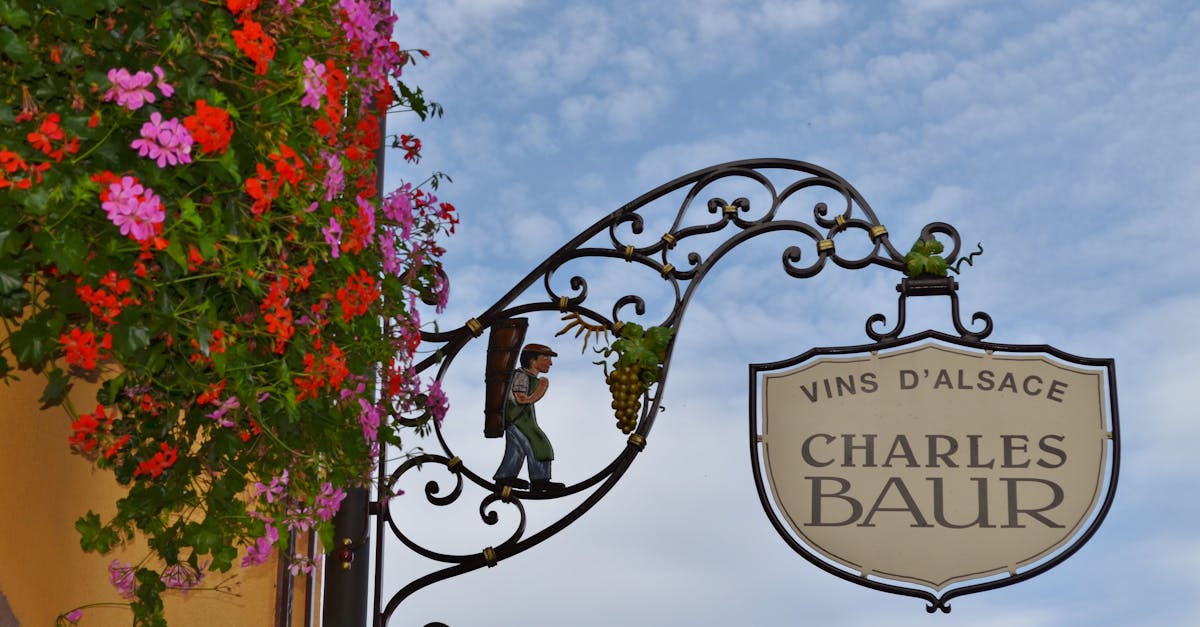
: Responsible for winemaking techniques, often trained by prestigious local schools.
🛍️
Retailers and wine merchants
- : Those who sell these nectars to the public, in stores or online. 🏨 Tourism professionals
- : Guides, hoteliers, and restaurateurs, all impacted by the influx of wine-related tourism. 🎨 Local artisans: creators of personalized wine-related items, packaging, labels, and small accessories. This diversity makes Alsace wine also a driving force for small businesses. Consider the famous Cave de Hunawihr, which combines local production with a boutique where visitors can find unique handcrafted gifts paired with renowned vintages.
- Sector of activity 🛠️ Number of jobs created 👥 Agriculture and Viticulture
- 3,600 Production and Winemaking 850
- Marketing and Distribution 1,200 Tourism and Related Services
1,500
| Crafts and Design | 400 |
|---|---|
| The dynamism of this sector is also reflected in consumer choices, who increasingly favor Alsatian wines for their authenticity and respect for ecological values. To learn all about the health benefits and specific taste characteristics of Alsace wine, a visit to | vin-et-chocolat.fr |
| is essential. | How are Alsace wines conquering foreign markets? |
| It must be said that more than a quarter of Alsatian wines produced are destined for export, and the trend is upward. By 2025, statistics indicate a 13.3% growth in exported volumes over the last twelve months, with certain emerging markets showing a strong appetite for Alsatian wines. Whether we consider Domaine Weinbach, which has established itself on the international scene, or Domaine Paul Blanck, global renown is a real strength for the local economy. | This conquest of foreign markets is reflected in: |
| 🌍 Opening up to new countries in Europe, but also in Asia and North America. | 📦 Establishment of suitable logistics networks, with committed merchants and exporters. |
| 🎯 Targeted communication focused on the quality and authenticity of Alsatian wines. | 🤝 Strategic partnerships with international sommeliers and chefs to highlight food and wine pairings. |
This export success creates a snowball effect by promoting local investment, the search for new grape varieties suited to the terroir, and the training of young winemakers. It’s a virtuous circle that highlights the economic and cultural richness of this region, known for its unique wines. Target Market 🌏 Export Volume (in %) Growth Potential 🚀
Europe
65
High Maturity
- Asia
- 20
- Strong Growth
- North America
10
| In development | Others | 5 |
|---|---|---|
| Limited potential | When you want to understand the specific characteristics that make them stand out from other French wines, a quick visit to | vin-et-chocolat.fr |
| will help you better grasp the soul of Alsace wines. | What strategies are being adopted to break into the international market? | Winegrowers and wine merchants are focusing on: |
| 🔖 Strong certification, leveraging the AOC Alsace appellation, which guarantees a certain prestige. | 🎥 Communication campaigns blending tradition and modernity. | 🍽️ Promotional campaigns centered around food and wine pairings in restaurants abroad. |
| 🌐 Specialized e-commerce to directly reach international consumers. | The effectiveness of these approaches contributes to dazzling results, with visible results in sales and international recognition. FAQ about Alsace wine and its economic impact | ❓ |
Which Alsatian wineries are the most economically influential? Domaines Zind-Humbrecht, Domaine Weinbach, Domaine Marcel Deiss, and Domaine Paul Blanck are among the leaders thanks to their quality production, ecological commitment, and international reach. ❓
How does the Vitilience program help winegrowers?
It allows for the sharing and testing of innovations to adapt viticulture to climate change, contributing to sustainability and economic competitiveness.
- ❓
- What is the role of tourism in the Alsace wine economy?
- Wine tourism generates several million euros per year, supporting the hotel, restaurant, and local craft industries, with nearly 500,000 visitors annually.
- ❓
Are Alsace wines easy to find in supermarkets? Yes, they’re available in supermarkets as well as in specialty wine shops, with a growing selection thanks to the region’s growing popularity – find out how here.