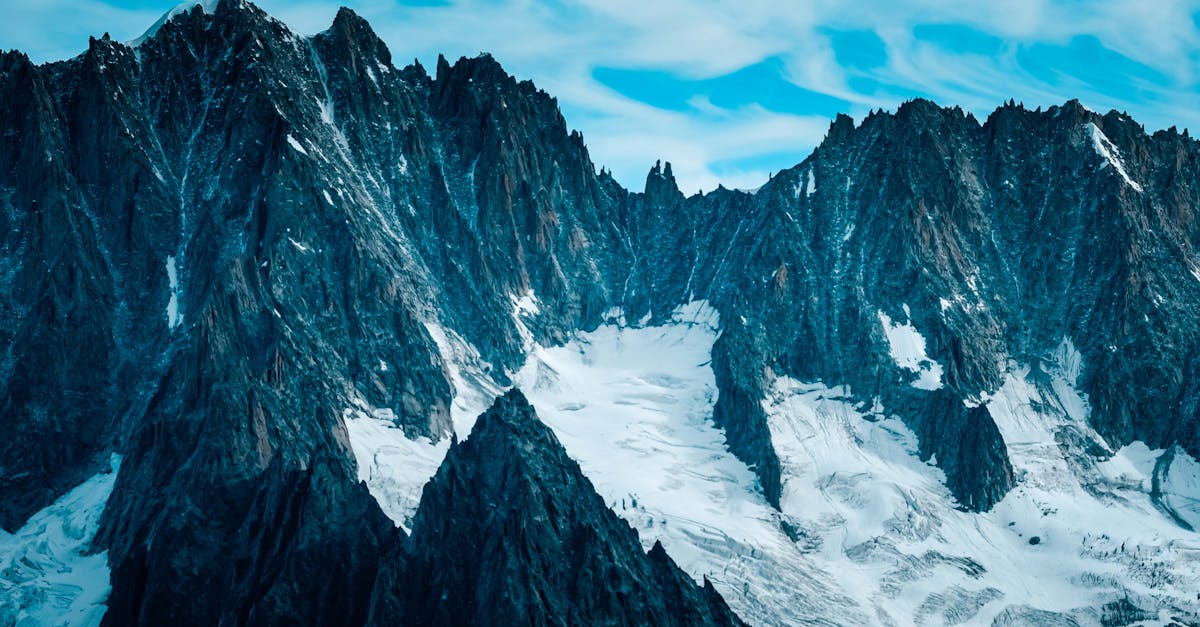
Savoie and Bugey, two regions little known to the general public but remarkably rich in white wines, offer a world apart for wine lovers and the curious. These Alpine regions, marked by mountain landscapes, varied altitudes, and highly specific terroirs, produce wines that stand out, blending freshness, minerality, and complexity. Despite an often harsh climate with marked temperature variations, local winemakers embrace diversity and expertise, cultivating unique grape varieties that thrive in limestone, clay, or glacial soils. The result: vintages with a strong character, sometimes light but always precise, ideal for pairing with regional specialties like raclette or fondue, but also for seducing palates in search of something new. Here’s a portrait to unfold to better understand why the white wines of Savoie-Bugey deserve a no-nonsense taste. Between small, human-scale estates, passionate biodynamic work, and steeply sloping terroirs, each bottle is an invitation to immerse yourself in ancestral expertise and breathtaking landscapes. We’ve put together this guide to unearth the hidden gems, giving you all the keys to recognizing what makes these wines unique: the grape varieties that express themselves with finesse, the soils that provide their mineral touch, and the varied styles, from still to sparkling. So, are you ready to thrill your taste buds with the freshness of the Alps? Let’s uncover the well-kept secrets of Savoie-Bugey white wines.
What are the emblematic grape varieties that shape Savoie-Bugey white wines?
To get your bearings in the world of Savoie and Bugey white wines, you must first know the local stars, those who give these winegrowing regions their true identity. In Savoie, it’s the
Jacquère which reigns supreme, covering around 75% of white wine production. This vigorous and fertile grape variety produces light, pale wines that are both lively and fruity. It is clearly the ideal companion for aperitifs and mountain dishes, with its slightly sparkling side that adds pep. Another example is Roussanne (also called Bergeron in Savoie), which is more expressive and produces aromatic, full-bodied wines with good aging potential. It brings a strong personality, with both fruity and floral notes. From Bugey, we find a slightly different but complementary palette. There, Chardonnay
rules the rules for the whites, closely followed by Altesse — known as Roussette — which produces generous, full-bodied wines, perfect for lovers of rich whites.Molette , for its part, is a local grape variety often reserved for sparkling wines. It is less aromatic but balances the blends thanks to its freshness. Finally, Jacquèreis also present, recalling the strong connection between the two regions. Here is a list to help you find your way around: 🟢
Jacquère
- : the queen of Savoyard whites, light and Fresh. 🟡 Roussanne (Bergeron): Full-bodied, aromatic wine with good aging potential.
- 🔵 Chardonnay : Predominant in Bugey, often elegant and generous.
- 🟠 Altesse (Roussette): Generous and aromatic for dry or sweet white wines. ⚪
- Molette : Local grape variety for sparkling white wines. To further enhance and better understand the varietal richness, you can consult this overview of the white grape varieties in Savoie. These grape varieties adapt to varied soils and alpine climates, and winemakers, such as those at Domaine Dupasquier or Domaine Belluard, carefully exploit the differences in terroir to give each vintage its own personal signature.
- 🍇 Grape Variety 🌍 Region 🍷 Wine Style
⏳ Potential Keep JacquèreSavoie Light, lively, fruity wine 3-5 years Roussanne (Bergeron)Savoie
| Aromatic, full-bodied wine | 5-10 years | Chardonnay | Bugey |
|---|---|---|---|
| Elegant, generous wine | 3-7 years | Altesse (Roussette) | Bugey |
| Full-bodied, aromatic wine | 6-10 years | Molette | Bugey |
| Slightly aromatic, sparkling wine | Drink young | This will help you better understand which grape varieties suit your tastes, while exploring the variety this mountain region offers. | Discover Savoie, an elegant mountain region renowned for its breathtaking landscapes, popular ski resorts, and delicious gastronomy. Explore its traditions, picturesque villages, and enjoy unforgettable experiences in the heart of the Alps. |
| How do Savoyard terroirs give a unique identity to white wines? When tasting a white wine from Savoie or Bugey, it’s hard to miss the minerality, the freshness peppered with subtle aromas. This comes largely from the terroirs, often located at high altitudes or on steep slopes, where each plot can produce a unique wine. Yes, these vineyards aren’t vast flat expanses but rather mosaics stuck to the mountainsides where the winemaker’s work must be precise and often complicated. | The soils play a major role, ranging from grayish limestone tumbling down from the mountains, to ferruginous red clays, and glacial sediments. Domaine Belluard, for example, cultivates its vines at an altitude of 450 meters on very steep slopes. The soil is anything but uniform: clay, limestone scree, and glacial material coexist, offering a richness that translates into the complexity of the wine. It is thanks to this diversity that the estate’s wines possess true depth and character, enhanced by a biodynamic approach adopted since 2001. | At Domaine Dupasquier | The altitude of around 300 meters on the steep slopes of Mont de la Charvaz provides perfect sun exposure, limiting the risk of frost and influencing the ripeness of the grapes. Their Marestel vintage, renowned for its finesse, owes much to this microclimate and the stony soil that drains water well. |
| To put it simply, here are the main characteristics of Savoyard terroirs: | ⛰️ | Steep terrain | : slopes up to 60%, often facing south to capture maximum sunlight. |
🪨
: limestone, red clay, glacial moraines, alluvium.
❄️
Harsh climate : nearly 100 days of frost, wide temperature variations, north-wind winds. 🌞Appreciable sunshine: 1,870 to 2,000 hours per year, one of the assets of high-altitude vineyards.
Each estate adapts its farming practices to these specific conditions. Domaine Jean Perrier et Filsand
Domaine Les Vignes de l’Envol
- take full advantage of these differences, offering wines that range from the most delicate to the most powerful, with finesse and charm. This is also why it’s best to choose wines from these renowned terroirs to capture the essence of Savoyard white wines. 🌄 Estate 🧑🌾 Type of agriculture 📍 Altitude (m)
- 🧱 Dominant soil 🍷 Winemaking specificity Domaine Belluard
- Biodynamic 450 Red clay, limestone scree
- Deep, mineral, very expressive wines Domaine Dupasquier Sustainable cultivation
300 Stony Subtle sparkle, finesse, and freshness Domaine des Arrêts Partially organic
| 350 | Limestone and alluvium | Balanced acidity and fruitiness | Domaine de Chignin | Biodynamic |
|---|---|---|---|---|
| 380 | Limestone marl | Defined fruitiness and minerality | These regions require true expertise, as the slightest mistake in grape variety or exposure can change everything. Hence the importance of knowing your terroir well to make a white wine that will charm as well as entice. https://www.youtube.com/watch?v=bOuvogL4oys | How do winemaking methods influence the styles of Savoie-Bugey white wines? |
| The white wines of Savoie and Bugey aren’t all alike, even though they often share a characteristic freshness and liveliness. This works rather well thanks to the influence of winemaking methods, which are very diverse across the region. You won’t necessarily see large industrial volumes, but rather practices focused on respecting the grapes and the terroir, often labeled organic, biodynamic, or sustainable agriculture. | Some wineries, such as Domaine Jean Perrier et Fils or Domaine Montagnard, opt for long vinifications, with aging on lees, which brings roundness and aromatic depth. These wines often have a little more body but retain a very pleasant freshness. Others prefer to ferment without aging in stainless steel vats, producing light, tangy, and thirst-quenching wines, perfect for a picnic in the mountains. As for sparkling wines, Bugey excels, particularly with its famous “méthode ancestrale” (ancestral method) used for Cerdon, a delicious sparkling rosé with very fine bubbles. Domaine Olivier Bardet has made a name for itself with this specialty. This style brings a playful and festive dimension to the region, far removed from the Champagne standards. | Here is a list that summarizes the methods used: | 🍾 | Fermentation in stainless steel vats |
| : fresh, light, fruity. | 🍇 | Aging on lees | : rich, complex texture. | 🌱 |
| Biodynamic and organic | : respect for the terroir, a balanced wine. | 🥂 | Méthode ancestrale (Bugey-Cerdon): natural, fresh, and delicious sparkling wine. | ⚗️ |
Spontaneous fermentation
Winemakers’ choices are also dictated by the nature of the grape varieties. For example, Jacquère lends itself well to short vinification periods, while Roussanne or Altesse are better suited to aging to bring out their complex aromas. To better understand these profiles, consider exploring the vintages of Domaine Rousset-Martin or Domaine J.Blard et Fils, where these techniques are perfectly mastered. ⚙️ Method
🍷 Impact on the wine
🎯 Preferred grape varieties 🌿 Related practices Stainless steel tank without aging Light, fresh, livelyJacquère, Chardonnay
Organic / Sustainable Aged on lees Round, complex, rich Roussanne, Altesse Biodynamic
Ancestral method
- Naturally sparkling, fruity Molette, Gamay (rosé) Tradition
- To embark on a relaxed discovery of styles, don’t hesitate to turn to detailed resources on the white wines of Savoie-Bugey. These wines, easy to appreciate, even for novices, will quickly introduce you to a rich and varied world. https://www.youtube.com/watch?v=fel9UTxWnOU What food and wine pairings enhance Savoyard white wines? As you’ve probably guessed, Savoie-Bugey white wines are, above all, fresh wines, perfect for introducing or accompanying regional flavors. Don’t hesitate to play the joker card to liven up a dish of raclette, tartiflette, or Savoyard fondue. With these wines, the magic happens every time, the liveliness and minerality counterbalancing the richness of the melted cheese.
- But that’s not all! Light and fruity whites, such as those made from Jacquère or Chasselas, also pair very well with river fish, summer salads, or slightly spicy dishes. When the wine is more full-bodied, like a Bergeron or an Altesse wine, you can dare to pair it with poultry in sauce, Mediterranean dishes, or even light desserts. Here are a few ideas to guide you: 🧀 Light wines (Jacquère, Chasselas) with fondue, raclette, and fromage frais.
- 🐟 Fruity wines (Chardonnay, Roussanne) with white fish and shellfish. 🍗 Full-bodied wines (Altesse, Roussanne) with poultry and creamy dishes. 🍰 Sweet or sweet wines (méthode ancestrale) with fruity desserts and fruit tarts.
- 🍣 A good dose of freshness for sashimi or light Asian dishes. If you’re looking for inspiration, don’t hesitate to consult reference guides on wine and food pairings, particularly for white wines, such as those offered on vin-et-chocolat.fr
. This site is full of useful advice on both buying the right wines and making meals a success with ease. 🍷 Type of white wine 🍽️ Recommended food(s) 🎯 Why it works JacquèreFondue, raclette, aperitif
| Freshness and lightness balance the richness of cheeses | Chardonnay | White fish, shellfish | Fruity aromas and rounded texture |
|---|---|---|---|
| Altesse | Poultry, dishes in sauce | Aromatic structure that supports rich dishes | Molette (sparkling) |
| Aperitifs, fruity desserts | Lightness and sparkling freshness | By varying the styles, you’re ready to dazzle without the hassle. Savoyard white wines also allow you to explore taste experiences different from the great Alsatian or Burgundy classics, even if these regions also have their charms—see, for example, the white wines of Burgundy. What can we say about the essential estates that oversee the quality of Savoie-Bugey white wines? | To ensure everyone’s attention is on the same page, wine lovers and experts alike will have a few estates on their table that need no introduction. These winemakers perfectly embody the character, quality, and passion behind these often very small and demanding vineyards. |
| Among them, Domaine Dupasquier | is a reference with its wines from the slopes of Mont de la Charvaz, combining finesse and authenticity. We also think of | Domaine Belluard | , which impresses with its biodynamic wines rich in sensations. THE |
Domain of Judgments and theDomaine de Chignin
Further north, the
Domaine Les Vignes de l’Envol
offers well-balanced and elegant wines, while the
Domaine J.Blard et Fils
- and the
- Domaine Jean Perrier et Fils
- perpetuate a wine tradition that is solid and modern at the same time. THE
- Domaine Montagnard
- and the
Domaine de la Croix are also to be discovered for their expressive wines which play the card of terroir and purity.Finally, the
| Domaine Rousset-Martin | completes this panorama by offering powerful and refined whites, worthy representatives of the Altesse and Jacquère grape varieties. | Here are the areas to monitor closely: |
|---|---|---|
| 🍇 | Domaine Dupasquier | : finesse and breeding at altitude. |
| 🌿 | Domaine Belluard | : biodynamic, very expressive terroir. |
| 🌄 | Domain of Judgments | : balanced wines, limestone soils. |
| 🍷 | Domaine de Chignin | : assertive minerality and fruity. |
🍾 Domaine Les Vignes de l’Envol: elegance and structure.
🥂
Domaine J.Blard et Fils
: advanced family know-how. 🏔️ Domaine Jean Perrier et Fils : tradition and terroir.🌱 Domaine Montagnard : aromatic purity. 🚜 Domaine de la Croix
: reasoned production. 🔥 Domaine Rousset-Martin : power and longevity. 🏷️ Domain 📍 Location 🌱 Type of viticulture 🍇 Major grape varieties 🍾 Wine style Domaine Dupasquier Jongieux
Reasoned Jacquère, Roussanne Dry, mineral white wine
Domaine Belluard
- Thonon-les-Bains Biodynamics Jacquère
- Rich and complex white wines Domain of Judgments Bauges
- Organic Jacquère, Roussanne Fruity and balanced
- Domaine de Chignin Chignin Biodynamics
- Jacquère, Bergeron Mineral and complex Domaine Les Vignes de l’Envol
- Rhône-Alpes Reasoned Chardonnay, Altesse
- Elegant with structure To find other great deals, a look at the selections of favorite white wines for under 10 euros can reveal treasures that are just as enjoyable without breaking the bank. Savoyard wineries often focus on affordable quality, without fuss or gimmicks. https://twitter.com/LaRVF_mag/status/1807844117059158206
- FAQ – Frequently Asked Questions about Savoie-Bugey White Wines ❓ What are the most produced white grape varieties in Savoie?
- Jacquère dominates, followed by Roussanne (or Bergeron), while Bugey also favors Chardonnay and Altesse. ❓ What is the climatic characteristic of Savoyard vineyards?
- A mountain climate with wide temperature variations, cold in winter, and good sunshine, on very steep slopes. ❓ What styles of white wine are found in Savoie-Bugey? From light and fresh white wines to fuller-bodied wines aged on lees, including natural sparkling wines like Bugey-Cerdon.
| ❓ | What are the best food and local white wine pairings? | Savoyard cheeses (raclette, fondue), river fish, and poultry in sauce for the richer styles. | ❓ | Which must-visit wineries to taste these wines? |
|---|---|---|---|---|
| Domaine Dupasquier, Domaine Belluard, Domaine des Arrêts, Domaine de Chignin, Domaine Les Vignes de l’Envol, and others listed in the guide. | ||||