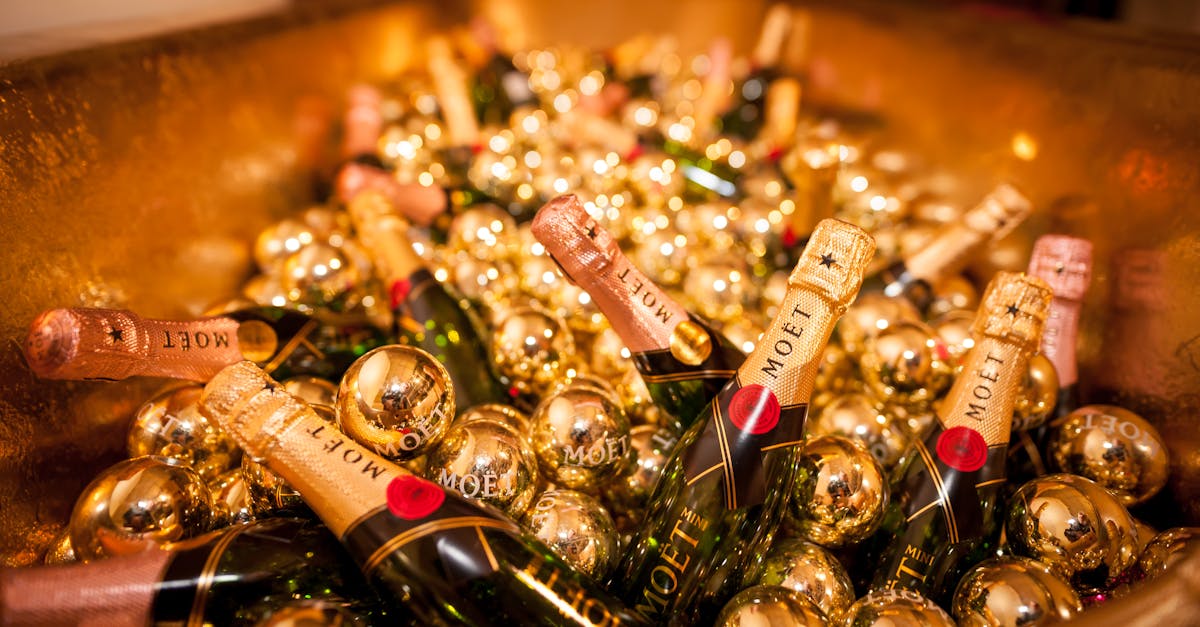
Younger generations are shaking up the traditional codes of champagne. No longer are we clinging to the clichés of an elitist product reserved for special occasions. These new enthusiasts, often latecomers to the world of sparkling wine, demonstrate curiosity mixed with a certain level of demand. They want meaning, authenticity, but also fun and simplicity. Champagne is reinventing itself to suit their desires, current trends, and practices, far from the stuffy image it might be given. The relationship with champagne is becoming freer, more uninhibited, and innovative. A true paradigm shift is taking place in the way we discover, consume, and share this beverage steeped in history and prestige. At the heart of this metamorphosis are iconic brands like Moët & Chandon, Veuve Clicquot, and Dom Pérignon, which know how to play on the heartstrings with modern campaigns and original concepts. But other, more confidential houses are also riding the wave of responsible and more engaged consumption. In this changing context, several questions arise: how do young people really perceive champagne? What attracts them or, on the contrary, what holds them back? Can we speak of a true revolution in usage, or are these simply occasional adaptations to a new clientele? This exploration offers a detailed look at the behaviors, trends, and innovations that are redefining the relationship between younger generations and champagne. In the background, major issues are emerging, ranging from restraint, marketing 2.0, innovative formats, and a connection with nature.What explains the renewed relationship between younger generations and champagne? We cannot talk about youth and champagne without mentioning the social and cultural developments of recent decades. Those under 35 have grown up in a world where sobriety and environmental awareness are becoming more and more important. This trend, often called “happy sobriety”, directly influences their relationship to alcohol in general, and to champagne in particular. Traditional wine drinking, with its rules and somewhat formal vocabulary, can seem intimidating to some. Some young people see champagne as an expensive, elitist drink, and sometimes too “polished” for their casual desires. Which does not mean that they completely refuse the product, but simply that they are looking for a new approach that fits better with their lifestyle and their values. Added to this is a generational change in access to information and the way of obtaining information. Young people massively use social networks, where “influencers” of their age popularize wine, explain its particularities without fuss and invite you to discover it with a different perspective. Even renowned houses like Laurent-Perrier
Or
Ruinart
have integrated this digital strategy to reach this clientele.
🌱 A rise in ecological awareness and a preference for biodynamic or sustainable champagnes.
🧑🤝🧑 The search for more inclusive and less stereotypical consumption. 📱 The importance of networks to appropriate the codes of champagne in your own way. 🎉 An invitation to consume less but better, focusing on quality and new experiences. 🏷️ A taste for innovative marketing with original labels and strong stories. This renewed relationship also reflects a growing interest in portable and user-friendly formats: cans, small bottles, and even champagne cocktails are becoming the norm for young consumers seeking convenience and fun. This shift is well received by brands like Taittinger Champagnes and Piper-Heidsieck, which are experimenting with new ways of bottling and promoting their wines.
- Drivers of Renewal 🍾
- Impact among Young People ✅
- Changing Attitudes About Alcohol
- Moderate and Responsible Consumption
- Social Media and Young Influencers
Reducing Drama and Increased Curiosity Innovative Formats (Cans, Convenient Magnums) Mobile and More Social Consumption Biodynamics and Organic FarmingValues of Authenticity and Ecology
| Playful and Offbeat Communication | More Accessible and Relatable Images |
|---|---|
| This cocktail of elements helps lift the veil on a world once perceived as reserved for an elite. Find out more about these developments in our article on wine and champagne trends in 2025. | Discover the refined art of champagne, an iconic drink of celebration and conviviality. Explore the different types, from grands crus to prestigious cuvées, and learn the secrets of its artisanal production. Succumb to the charm of this unique effervescence that makes every moment sparkle. |
| What are the champagne consumption patterns among young people in 2025? | The classic bottle of champagne remains a powerful symbol, but it is no longer the only option on the order books of young enthusiasts. We are seeing a proliferation of ways to enjoy this sparkling wine, whether after work, at a picnic, or during evenings with friends. |
| Among the major trends observed: | 🍸 Champagne cocktails are gaining ground, especially in trendy bars and festive events. Classics revisited in a lighter style are appealing to novices. |
| 🎁 Smaller sizes (20 cl, 37.5 cl) appeal to consumers who want to limit their quantities, better control their consumption, or simply try different vintages during an evening. | 🚀 Champagne cans are making a breakthrough, thanks to their practical and portable nature. Perfect for a festival or a stress-free day at the beach. |
| 🌿 Biodynamic or natural champagnes are increasingly sought after, in line with the general trend toward a healthier lifestyle. | This shift toward simplicity doesn’t mean that young people are shunning the big, historic brands. On the contrary, they like to rediscover the signature styles of houses like Moët & Chandon, Bollinger, and Veuve Clicquot. They just want more flexibility and accessibility. Consumption Methods 🥂 |
Benefits for Young People 👍 Associated Houses 💼Champagne-Based Cocktails
Charles Heidsieck, Laurent-Perrier
Small Formats (20-37.5 cl)
Practicality and Controlled Dosage
- Ruinart, Piper-Heidsieck
- Travel Cans
- Mobile, Trendy, Easy to Carry
- Veuve Clicquot, Taittinger Champagnes
Natural and Biodynamic Champagnes Authenticity and Ecological AnchoringBollinger, Dom Pérignon To learn more about innovations in champagne production, particularly these adapted formats, take a look at this comprehensive article: Innovations in Champagne Production .What role does marketing play in redefining champagne among young people?
| To attract this demanding and savvy clientele, marketing is adopting a new language. More fun, more interactive, it breaks the classic codes of advertising to offer a closer, more authentic experience. | Examples? Campaigns that focus on storytelling with vintage names inspired by TV series or pop culture, like what Thibault Bardet offers with his “Lord of the Rings” and “Peaky Blinders” vintages. | But marketing doesn’t stop there. It also adapts to on-the-go consumption patterns with reworked packaging to invite itself to picnics, festivals, or evenings on the terrace. There’s a significant presence on TikTok and Instagram, and some houses such as Lanson and Charles Heidsieck are promoting themselves through young influencers to demystify the world of champagne. |
|---|---|---|
| 🎨 Offbeat and graphic labels that are immediately appealing. | 📲 Digital communication, with tutorials and live tastings. | ♻️ A message focused on sustainability and local products, close to the values of young people. 🤝 Participatory events to create connections between consumers and producers. |
| 💡 The use of artificial intelligence to better target and personalize offers. | This strategy blends good old fundamentals with new expectations. It perfectly reflects the transformation of the sector seen with brands like Ruinart, asserting their position through innovative and responsible marketing. | Marketing Strategy 💼 |
| Impact on Young People 🎯 | Brand Example 🌟 | Storytelling and Pop Culture |
| Creating Emotional Attachment | Lord of the Rings (Thibault Bardet) | Digitalization and Social Media |
Uninhibited and Informative Approach Lanson, Charles HeidsieckInnovative Packaging
Accessibility and Fun
Veuve Clicquot, Taittinger Champagnes
Sustainable Commitment
Correspondence to Young Values Ruinart, Bollinger Discover the fascinating world of champagne, a sparkling beverage that symbolizes celebration and elegance. Explore the different varieties, the art of preparation and the perfect pairings to enhance your festive moments. How do young people perceive traditional champagne houses? The relationship with the great historic champagne houses is ambivalent among young people. They are perceived both as a guarantee of quality, but also sometimes as a little too classic or rigid. However, this picture is not static. Many recognize that these brands, such as Moët & Chandon, Bollinger, or Dom Pérignon, offer comprehensive tasting experiences, showcasing terroir and expertise.
- To achieve this, these houses must now balance respect for tradition with an openness to a more modern, less intimidating image. This is what we see with Laurent-Perrier, which is investing in youthful and relaxed events to break the rigid image of champagne.
- This work is also reflected in the format, price range, and communication, with a desire to introduce the product into more informal moments of life. 🍾 Appreciation of existing prestige and quality.
- 😕 Perception of a product that is sometimes too formal, reserved for special occasions.
- 💬 Need for more accessible messages and fun education.
- 🎯 Objective: Bring champagne closer to young people, without compromising the overall image.
💡 Examples of engaging initiatives through social media and direct sales. Overall Perception 👀 Challenges for Traditional Houses 🔄 Strategies Adopted 🛠️
| Balance between prestige and accessibility | Modernize the image without losing tradition | Youthful events, online promotion |
|---|---|---|
| Image perceived as elitist | Reconcile with less formal consumers | Minimal formats, creative marketing |
| Lack of young influencers | Create ambassadors from the same generation | Influencers, tailored content |
| To learn more about the key role of major festive events in the democratization of champagne, see this article: | Champagne and Special Occasions | . |
| What does the future hold for champagne among younger generations? | The outlook is promising given the dynamics of change underway. It’s becoming clear that traditional champagne houses like Piper-Heidsieck and Charles Heidsieck cannot ignore the demands of their young customers. This represents a great opportunity to innovate in products and formats, as well as in communication and social engagement. | The future of champagne is emerging, notably around: |
🔄 An increase in practical, portable formats adapted to new lifestyles.
🤖 Increasingly targeted marketing thanks to data and artificial intelligence. 🌍 Increased use of social media to educate without moralizing and encourage discovery.🌟 A redefinition of consumption moments, far from being limited to special, official occasions. In short, we are witnessing a gentle revolution, without any abrupt disruption, where champagne is reinventing itself to remain a symbol of joy and sharing, more inclusive, more fun, and above all, more in tune with current mentalities. Champagne isn’t leaving young people on the sidelines; rather, it’s inviting them to write a new page in its history, full of possibilities. Future Directions 🥂 Opportunities for the Industry 🍾 Examples of Initiatives 🌈 Sustainability and BiodynamicsBuilding Trust and a Positive Image
Champagnes Taittinger, Bollinger, Ruinart Innovative FormatsIncreasing Places and Times of Consumption
Veuve Clicquot, Piper-Heidsieck
- Digital Marketing and AI
- Personalized Offers and Increased Interaction
- Laurent-Perrier, Charles Heidsieck
- Social Media and Educational Fun
- Democratization and Renewed Interest
| Moët & Chandon, Ruinart | Increasing the Number of Festive Contexts | Champagne’s New Place in Daily Life |
|---|---|---|
| Dom Pérignon, Bollinger | To learn everything you need to know about making champagne a popular gift for young people, click here: | Champagne wine, the perfect gift |
| . | Frequently asked questions about the younger generation’s relationship with champagne | Why are young people attracted to biodynamic champagnes? |
| 🍃 | Above all, they are looking for more responsible and authentic consumption, in line with their ecological values and their desire for a healthy lifestyle. | Are traditional champagne houses successfully attracting young people? |
🍾 Yes, many are investing in digital technology and adapting their offerings (formats, prices, communication) to be more accessible and less intimidating.Which champagne formats should you choose for a party with friends?
🎉
Small formats or cans are perfect because they are practical, easy to share, and limit waste. How does marketing influence young people’s perception of champagne? 🎨 Modern marketing uses storytelling, social media, and original packaging to make champagne more fun and relevant to their daily lives. Is champagne still reserved for special occasions? 🍾
No, young people are now incorporating it into more everyday moments like after-work drinks, picnics, or relaxed aperitifs.