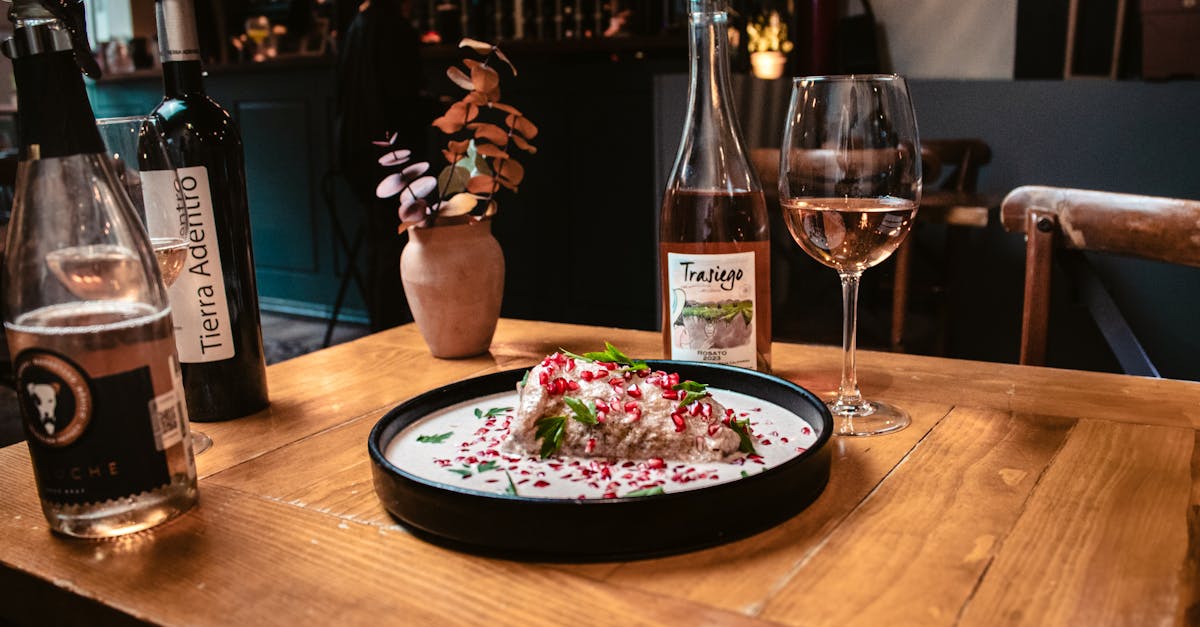
Since the dawn of modern gastronomy, the art of pairing food and wine has evolved from strict balance to a search for emotion and surprise. The iconic date of 1825, with the publication of The Physiology of Taste by Jean Anthelme Brillat-Savarin, marked the birth of an in-depth reflection on this union—an evolution that, in 2025, continues to be enriched with new techniques, innovative drinks, and a more refined awareness of flavors. While the fundamental rules remain, such as a harmony between the intensity of the dish and that of the wine, creativity, driven by a generation of bold chefs and sommelierins, is shifting these boundaries. Driven by the quest for ultimate gustatory pleasure, they are now daring to create new combinations, blending craft beer, sake, or even fermented cocktails with often classic dishes, to redefine the notion of the perfect pairing. Yet, despite this openness, some pitfalls persist: the goal remains to reveal the complexity of the products while avoiding the missteps that can ruin an entire meal. Through a journey filled with specific examples, proven recommendations, and pitfalls to avoid, this article invites you to master the subtleties of food and wine pairing in 2025, at the intersection of tradition and innovation, so that each meal becomes an unforgettable sensory experience.
The fundamental principles of food and wine pairing for lasting harmony in 2025
Beyond fleeting trends, certain essential principles still govern successful food and wine pairings today. They form the framework for any harmonious association, whether for a dinner with friends or a festive meal. The first of these rules is based on the notion of balance: neither the wine should overpower the dish, nor the other way around. This simple idea, omnipresent since Brillat-Savarin’s introduction, has become more complex with the development of more structured wines and dishes using modern techniques. The key lies in finding a match of intensities, where, for example, one might pair a Château Margaux meat with a rich sauce, or a delicate fish with a dry Riesling from Domaine Joseph Drouhin.
A second rule concerns the complementarity of flavors. While a lightly spiced meat should be paired with an aromatic wine that avoids the accumulation of discordant notes, a sweet and savory dish requires sweetness or a balanced acidity. In 2025, this rule will be further expanded with the use of unconventional beverages. For example, an organic Gewurztraminer from Domaine de la Romanée-Conti can enhance foie gras with onion confit. Furthermore, it is essential to consider texture, as mouthfeel influences overall perception. Sparkling wines, such as Taittinger Champagne, bring freshness and lightness to fatty or creamy dishes, thus avoiding a feeling of overpowering the palate.
| Key Element | Main Rule | Concrete Example |
|---|---|---|
| Balance | Pair a comparable intensity between the dish and the wine | A fillet of beef in Bordeaux wine with a full-bodied sauce |
| Complementarity | Harmonize similar or complementary aromas | Provence wines with ratatouille |
| Texture | Adapt the consistency of the wine to that of the dish | Foie Gras and Brut Champagne |
New Pairing Trends in 2025: From Classic to Experimental
The culinary world has continually challenged conventions, and 2025 is no exception. The surf-and-turf pairing, traditionally balanced between seafood and dry or sparkling white wines, is now opening up to new perspectives. The trend is toward bold pairings, such as pairing a pastis or a peaty whisky with a scallop dish or an exotic fish ceviche. These experiments are made possible by the increased mastery of winemaking techniques and a detailed understanding of the aromatics of each beverage.
Furthermore, the growing importance of fermented beverages other than wine, such as craft beer, sake, or even kombucha, is igniting the gourmet scene. Their aromatic palette, combined with a desire for lightness or invigoration, makes them ideal companions for unexpected dishes. For example, Junmai Kimoto sake, with its earthy notes, can enhance a cheese platter like aged Beaufort or an iced dessert. Creativity also extends to pairings with cocktails made with sparkling wines or Provençal wines, for a multi-sensory experience.
| Type of drink | Innovation in 2025 | Example pairing |
|---|---|---|
| Craft beers | Pairings with sophisticated dishes | Walnut and quince beers with tartiflette |
| Sake | Pairings with cheeses or desserts | Junmai Kimoto sake with aged Beaufort |
| Fermented cocktails | Avant-garde mixes with local products | Half Taittinger Champagne, half yuzu syrup |
Classic pitfalls to avoid for a perfect pairing in 2025: listening to your intuition is not enough
While the desire to innovate and surprise is laudable, it must be guided by a few essential rules to avoid common pitfalls. In 2025, some missteps remain real traps, especially when we let ourselves be guided solely by our personal preferences. For example, trying to pair a Romanée-Conti wine with a spicy dish without considering the effects of bitterness or alcohol can result in dissonance. Taste compatibility requires a careful analysis of each pairing, particularly while avoiding certain common mistakes. Never pair a powerful wine with a light dish, such as a Bordeaux wine with a green salad. 🥗
- Avoid purely aesthetic pairings without considering the complexity of the aromas.
- Don’t underestimate the serving temperature: a wine that’s too warm or too cold can unbalance the pairing. ❄️🔥
- Be wary of pairings based solely on music, history, or reputation, rather than a true sensory dialogue.
- To deepen this critical approach and perfectly master the art of pairing, it’s advisable to consult resources such as
Le Comptoir des Saveurs or Mets & Vins . These guides detail each step to avoid classic pitfalls and reveal the potential of each product.Surprising yet harmonious pairings: encounters to ignite your meals.
In 2025, the quest for originality is pushing chefs and sommeliers to challenge conventions, revealing pairings that flout old rules to create unexpected taste symphonies. They, too, like to learn from their failures: a failed pairing often becomes a valuable lesson. For example, pairing foie gras with Sauternes wine is a classic that can become monotonous if not carefully considered and concentrated.
To spice up the party, some opt for unusual pairings. Combining lobster in a vin jaune sauce with a red wine like Côte Rôtie offers a striking contrast, while pairing caviar with a sparkling white wine—for example, a Ruinart or Taittinger Champagne—creates an explosion of flavors. Creativity knows no bounds, as does the ability to read surprise or disappointment in the guest’s eyes. A true sensory delight also lies in contrast, such as pairing a platter of powerful cheeses with a Meursault Côte de Beaune or a Domaine de la Romanée-Conti, to accentuate the intensity without becoming overused. Surprising Pairing
Characteristics
| Interest | Lobster and Vin Jaune | Contrast between the richness of the crustacean and the minerality of the wine |
|---|---|---|
| Explosion of flavors on the palate 🌟 | Caviar and Brut Champagne | Luxury and fresh combination |
| Awakens the senses and enhances elegance ✨ | Strong cheeses and Burgundy wine | Harmony of intensities and textures |
| Enhances flavor complexity 🧀 | Hitchhikers to overcome: tips for mastering each step of the food and wine pairing in 2025 | To ensure the success of each pairing, a few key steps deserve to be scrupulously followed. In 2025, precision trumps simple intuition. To avoid missteps, you must first have a thorough understanding of the wine’s characteristics, whether it’s a prestigious Château Margaux or a Domaine de la Romanée-Conti offering a rare experience. Serving temperature, both essential and often overlooked, can transform a pairing. A wine served too cold or too warm will alter its body and aromas, unbalancing the tasting experience. |
The choice of container also plays a key role. A properly sized wine glass allows the beverage to be gently oxygenated, releasing its aromas. Finally, it’s important to remember that the perception of wine also depends on the sensory context. Light, ambient temperature, and even the presentation of the platter can influence the final result, for better or for worse. Key Step
Essential Advice
Example
| Wine Knowledge | Understanding its Aromatic and Structural Characteristics | A Château Margaux with a Structured and Tannic Wine |
|---|---|---|
| Serving Temperature | Keep at the Right Temperature to Reveal Its Qualities | Serve a Sauvignon Blanc at 8-10°C |
| Glass Choice | Use a Glass That Matches the Wine’s Characteristics | Tulip Glass for a Domaine Ott Rosé |
| Atmosphere and Presentation | Create a Favorable Sensory Context | Dim Lighting and a White Tablecloth for an Elegant Dinner |
| Innovations in Food and Wine Pairing: Between Tradition and Experimentation in 2025 | The 2020s have brought a true renaissance in the world of pairings, blending heritage and modernity. The search for new emotions favors the enhancement of different drinks. Bordeaux wine, particularly Château Margaux, continues to be the benchmark for its finesse and structure, but it now shares the stage with Provence wines from Domaine Ott, which offer a sunny freshness ideal for summer meals. The Burgundy family of wines, with Domaine de la Romanée-Conti, remains a star, but is joined by more accessible and surprising wines, such as those made from ancient grape varieties or special aging. | At the same time, the experimental trend is pushing us to explore combinations with fermented beverages, such as the sudden addition of sake, beer, and even cocktails made with sparkling wines. This diversity offers a vast palette to satisfy every palate, from the most traditional to the most adventurous. The key lies in attentively listening to aromas, technical mastery, and boundless creativity. Type of Beverage |
Major Innovation in 2025
Example of a Pairing
Bordeaux Wines
| Harmony with modernized regional dishes | Ruinart with a seafood platter | Provence Wines |
|---|---|---|
| Pairings with Mediterranean cuisine | Maison Joseph Drouhin with Basque chicken | Burgundy Wines |
| Alchemies with older or unusual wines | Domaine de la Romanée-Conti with a spicy dish | Mistakes to Avoid for a Flawless Wine Experience in 2025 |
| Mastering the art of pairing also means knowing your common mistakes, often made by wine lovers seeking innovation or originality. In 2025, the rich culinary context and these new trends require increased vigilance. The worst mistake, for example, remains ignoring the temperature of the wine, which can completely alter its qualities. A waitress at a major Parisian winery confessed that a Taittinger champagne served improperly, too warm, lost all its finesse. Another common misstep: being influenced solely by the reputation of a producer or grape variety without considering the specific pairing between the wine and the dish. Choosing a Domaine de la Romanée-Conti to accompany a simple dish, however, can be boring due to its intensity or overpowering tannins. Finally, overdoing it with flavors or textures should also be avoided: foie gras paired with a tannic or spicy red wine will unbalance the harmony. | Mistake to Avoid | Consequence |
Recommended Solution
Serving a wine that’s too warm or too cold
Aromatic and tactile imbalance
| Respect the ideal temperature (e.g., 8-10°C for white wine) | Pairing a wine that’s too strong with a light dish | Loss of harmony, sensory overload |
|---|---|---|
| Choose a wine that matches the intensity of the dish | Rely solely on reputation | Disappointing or monotonous pairings |
| Try with simple dishes before committing | Overloading with flavors or textures | Confusion in the mouth |
| Play it subtle, balance all the elements | Additional FAQs to master the art of food and wine pairing in 2025 | How to choose the ideal wine for a specific dish? |
| The key lies in the balance between texture, aromatic strength, and structure of the wine. Consult guides like this comprehensive guide to refine your choice. | Which wines should you choose to accompany Mediterranean or Provençal dishes? Provence wines, particularly those produced by Domaine Ott or Château de Saint-Maur, bring freshness and fruitiness, perfect for cuisines rich in herbs and vegetables. | Should you limit yourself to wine for a perfect pairing? |
No, in 2025, the trend is toward exploring fermented beverages, such as craft beer or sake, which offer a very diverse palette of flavors.
- How can you avoid a failed pairing during a festive meal? Respect the rule of balance, avoid extreme combinations, and favor restraint in pairings, such as a Taittinger Champagne with seafood or a natural sweet wine to end a meal on a sweet note. Source: www.larvf.com