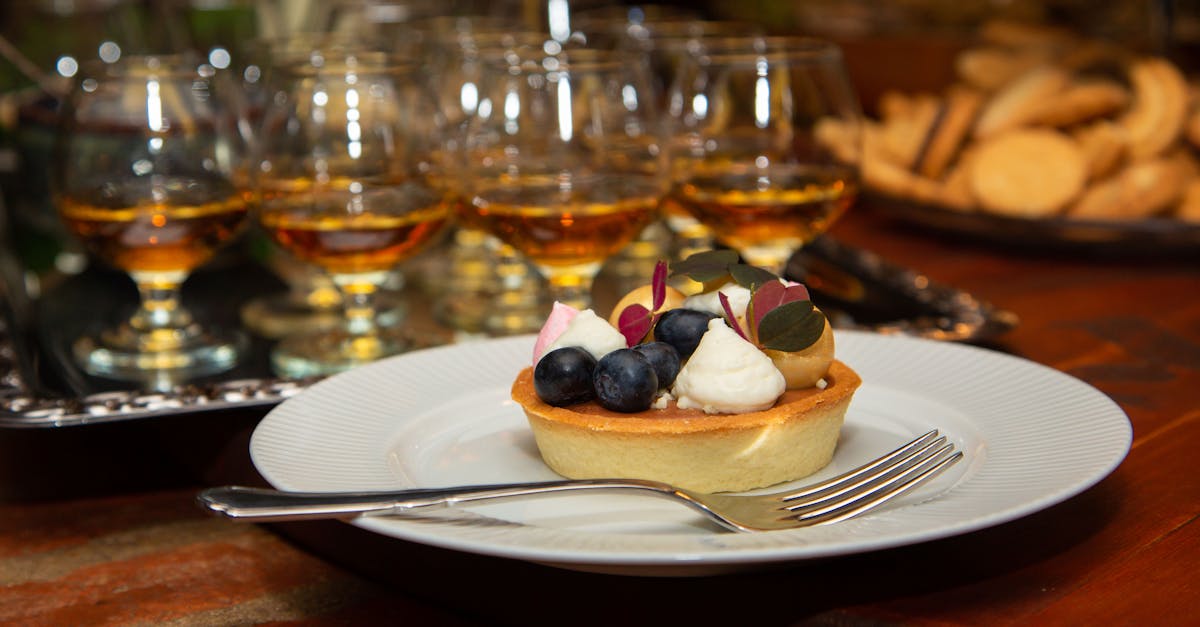
In the French wine landscape, Alsace shines with its elegant and aromatic white wines, but it’s often in its sweet wines that a true gem is hidden. These nectars, often produced from late harvests or selected noble grapes, reveal an incomparable aromatic richness and finesse. Between exceptional terroirs and ancestral expertise, Alsace offers sweet vintages that are a feast for the eyes and will delight wine lovers and novices alike.
Let’s embark on a true taste journey, from smooth Rieslings to opulent Gewurztraminers and smooth Pinot Gris. These sweet wines, notably from prestigious estates such as Domaine Zind-Humbrecht, Domaine Weinbach, and Domaine Albert Mann, tell a story of patience and audacity. Thanks to their balanced sweetness and fresh acidity, they pair equally well with a sophisticated dessert, a mature cheese, or even a spicy dish. To get the right wine and learn to taste without any hassle, you need to know the best serving practices and a few tips for pairing these sweet treats with the food. We’ve put together this comprehensive guide, enriched with concrete examples, advice, and even places to unearth these treasures. Ready to awaken your senses and savor Alsace in a different way? Come on, let’s get started right away!
The secrets of Alsace’s sweet wines: grape varieties and terroirs in symbiosis
When we talk about Alsace’s sweet wines, it’s not just a question of residual sugar, but a true alchemy between grape varieties, unique terroirs, and a specific climate. Alsace benefits from a semi-continental microclimate, with hot, dry summers, perfect for allowing the grapes to ripen slowly, and cold winters that prepare the vines for a new season.
The main grape varieties used to produce these sweet wines are Riesling, Gewurztraminer, Pinot Gris, and to a lesser extent, Muscat. These noble grape varieties delight the palate with their natural aromatic richness, allowing for the production of wines that are powerful in sugar but never heavy. Soil and climate conditions also play a crucial role. For example:
🌱
- Domaine Zind-Humbrecht highlights its terroirs rich in clay-limestone soils, favoring the finesse of Late Harvest Riesling. 🌱
- Domaine Weinbach cultivates the famous Schlossberg Grand Cru, renowned for its granite soils that provide a remarkable mineral structure to sweet wines. 🌱
- Domaine Albert Mann rests on vines nestled on hillsides with ideal sun exposure to maximize sugar concentration. The Alsatian terroir is also distinguished by a mosaic of soils: marl, granite, limestone, sandstone, etc., which significantly influences the profile of the wines. Wines made from noble grapes, for example, are often harvested on humid terroirs where noble rot (Botrytis cinerea) thrives, concentrating aromas and sugar. This technique produces exceptional aromatic complexity, with notes of honey, candied apricot, and dried fruit. This explains why a sweet wine from an estate like Domaine Paul Blanck often exhibits rare aromatic intensity and elegance, perfectly balanced with an invigorating freshness. What makes these wines renowned is not only their sweetness, but also their ability to tell the story of a terroir and a history. Domaine Josmeyer, for example, with its long-standing winemaking tradition, offers sweet wines of great purity and a remarkable expression of the Alsatian terroir. 🍇 Grape Variety
🌍 Typical Terroir ✨ Key Characteristics 🏆 Iconic Estate
Riesling
| Clay-Limestone, Pink Sandstone | Floral Aromas, Lively Acidity | Domaine Zind-Humbrecht | Gewurztraminer |
|---|---|---|---|
| Granite and Marl | Powerful and Spicy | Domaine Weinbach | Pinot Gris |
| Limestone and Marl | Rich, Rich, Smooth | Domaine Albert Mann | Muscat |
| Light, Pebbly Soil | Intense Muscat Aromas | Domaine Paul Blanck | If you’d like to deepen your knowledge of white wines, you can also take a look at this comprehensive guide to |
| Alsace white wines and food pairings | . You’ll find valuable information on how to choose the right bottle for the dish served, an important point when it comes to sweet wines. | Discover the sweet wines of Alsace, emblematic of the region with their sweet and captivating flavors. Explore a selection of prestigious appellations that reveal the perfect harmony between terroir and tradition. Let yourself be seduced by these exceptional nectars that will amaze your taste buds. How to taste a sweet Alsace wine without missing a single step? | Tasting a sweet wine isn’t a daunting task, but it does require a little attention to fully appreciate all its nuances. Here are the three essential steps to ensure you don’t miss out on these precious sensations. Each step is important and contributes to a complete and flavorful experience. |
1. The Sight: The Clearing in the Glass Start by observing the color of the sweet wine. Its color can vary from pale yellow to intense gold, including amber, especially for Sélections de Grains Nobles (SGN). Beautiful transparency and a certain brilliance indicate a well-made wine. Also note the viscosity by gently swirling the wine, which sometimes leaves beautiful tears in the glass: a sign of high sugar content.2. The Nose: An Aromatic Explosion
3. The palate: balance at its peak
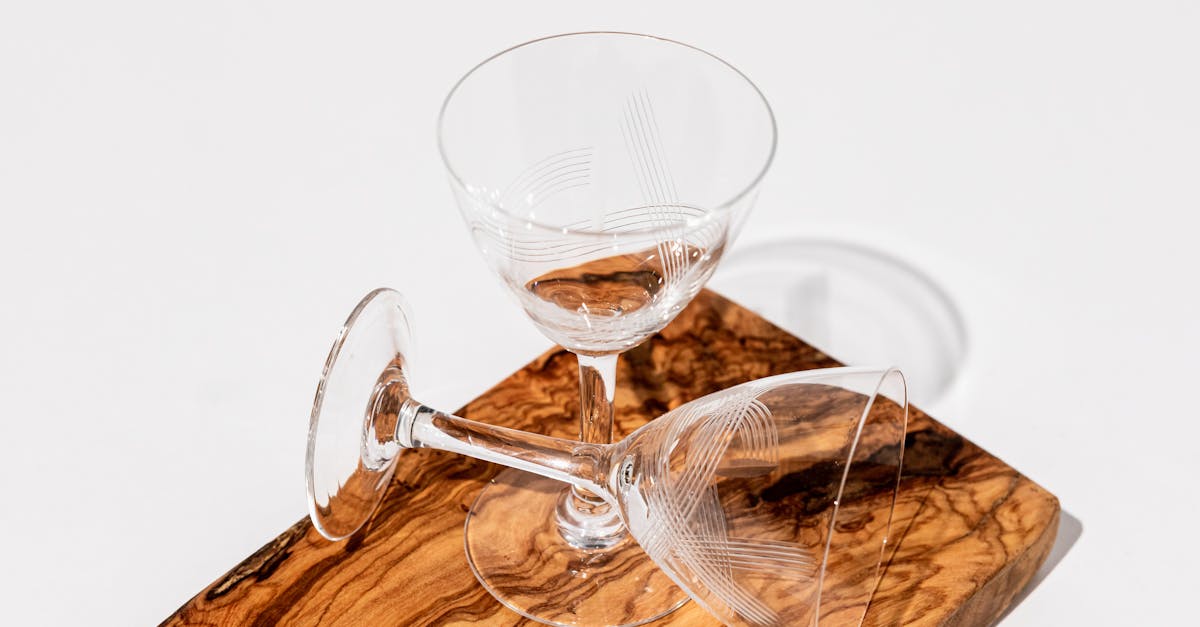
On the palate, analyze the attack and progression. You will experience a pleasant smoothness, but above all, a surprising balance between sweetness and a lively acidity that avoids any heaviness. Length is also a key criterion: a good sweet wine lingers for a long time to let you discover all its notes. Crémants d’Alsace, on the other hand, add a sparkling touch that refreshes the tasting, with a highly appreciated delicate effervescence. 🍷 Choose your glass wisely: opt for a tulip-shaped glass, which concentrates the aromas for a sweet wine.
❄️ Serve at a cool temperature, generally between 8 and 10°C (46 and 50°F), neither too cold to mask the aromas, nor too warm to avoid a heavy impression.
🍽️ Pair according to the order of the wines: start with the dry wines before moving on to the sweet wines to avoid saturating the palate.
To learn more about the method and tips for tasting well, take a look at this
wine tasting guide
which will explain everything without any hassle. Step 🥂
Key Details 🍯
- Practical Tips ✅
- 1. Sight
- Color, clarity, intensity
Observe in natural light 2. Nose First nose, second nose (after aeration)
| Gently swirl the glass | 3. Palate | Sugar/acidity balance, length |
|---|---|---|
| Savour slowly, appreciating the sensations | Discover the delicious sweet wines of Alsace, a region renowned for its exceptional terroirs and unique grape varieties. From captivating aromas to sweet flavors, explore a selection of refined nectars that will awaken your senses and accompany your moments of conviviality. | Where to find the best sweet wines in Alsace? The must-visit estates |
| You’re probably wondering where to base your trip to taste these wonders? Alsace is full of renowned estates, combining tradition and innovation, which have successfully showcased sweet wines in all their splendor. Authentic tastings and wine experiences are offered to take you on a journey to the heart of the vineyards. | List of the most famous Alpine estates for their sweet wines: | 🍇 |
| Domaine Trimbach | – Historical expertise on the typical and distinguished Late Harvest Riesling. 🍇 | Domaine Louis Sipp |

🍇
Domaine Gérard Mugneret
– Combining terroir and elegance, specializing in sweet Pinot Gris.
- 🍇 Domaine Marcel Deiss – Famous for its original blends and sweet wines with a terroir profile.
- 🍇 Domaine Paul Blanck – Sweet natural wines, highlighting the purity of the grapes.
- 🍇 Domaine Josmeyer – Passionate artisans, offering subtle and refined sweet wines.
- 🍇 Domaine Renaud Diss – Known for its innovative winemaking blending tradition and modernity.
- 🍇 Cave de Turckheim – Cooperative winery with a fine range of affordable sweet wines. Each of these estates brings a personal touch, but all are committed to the pursuit of absolute quality. For example, at Domaine Trimbach, you’re often offered a complete immersion experience with a tour of the historic cellars coupled with a guided tasting, where the mastery of late fermentation is highlighted. Similarly, Domaine Albert Mann
- is a must-see for all lovers of exceptional Riesling and sweet Pinot Gris. To explore other regional discoveries, also consider the treasures of Burgundy wines or the richness of the Loire Valley wines. This will give you a comprehensive overview of French sweet wines. 🏰 Estate 🍷 Specialty
- 🌟 Particularities 📍 Location Domaine Trimbach
- Late Harvest Riesling Longevity, aromatic finesse Ribeauvillé
Domaine Louis Sipp Noble Grains, SGNWell-integrated sugar, intensity Wintzenheim Domaine Gérard Mugneret
Sweet Pinot Gris Elegance and balance Turckheim Domaine Marcel DeissSweet blends
| Distinct terroir profile | Bergheim | Domaine Paul Blanck | Natural sweet wines |
|---|---|---|---|
| Purity and authenticity | Westhalten | Domaine Josmeyer | Subtle sweet wines |
| Biodynamic approach | Wettolsheim | Domaine Renaud Diss | Sweet innovations |
| Blend of tradition and modernity | Ottrott | Cave de Turckheim | Accessible sweet wines |
| Wide range, good value Value for money | Turckheim | https://www.youtube.com/watch?v=Zp1rFOfUWiA | These places are not lacking in charm, and most offer guided tours to understand the work in the vineyard and the attention paid to the sweet wines. To avoid missing out, it’s best to book in advance, especially during peak season. Some tastings are even accompanied by cheese or charcuterie boards to enhance the food and wine pairing, a must to delight the taste buds. |
| Tips for serving and pairing sweet Alsace wines | A sweet Alsace wine should not be served haphazardly. To get the right serving time and take the tasting to the next level, you must follow a few simple but crucial rules. Aim for the right temperature, choose the glass that will enhance the aromas, and consider the layers of the wines. The service will be even more successful and your guests will be impressed. | The ideal serving temperature | Most sweet Alsace wines are best enjoyed chilled, but not iced. The ideal temperature is generally between 8 and 10°C. Too cold, and you lose the aromatic subtleties; too warm, and the sweetness seems cloying. For sweet Crémants, aim for between 7 and 9°C, to bring out the delicate effervescence. |
| The choice of glass: a detail that makes all the difference | Forget wine glasses that are too wide or too narrow. Opt for a tulip-shaped glass, which concentrates the delicate aromas while leaving room for the wine to breathe. This ideal shape works equally well with white and sweet wines, allowing them to express their full range of aromas and flavors. | Serving Order and Food Pairings | The order in which you present your wines plays a role in the final impression. Here are some tips: |
| 🍾 Always start with Crémants, to awaken your taste buds with their sparkling freshness. | 🍏 Follow with dry white wines, such as those from Domaine Josmeyer. | 🍑 Then, serve sweet wines, whether late harvests from Domaine Louis Sipp or Sélections de Grains Nobles. | 🧀 Pair sweet wines with suitable dishes and cheeses (e.g., foie gras, Munster, aged Comté). |
| Not only will you achieve a harmonious flow, but you’ll also allow your palate to fully appreciate each vintage without becoming overwhelmed. For more practical advice on white wines, don’t hesitate to visit this site, which also discusses the best white wines from Burgundy. | Appearance | Specific Recommendation | Why? Temperature |
Balance between freshness and aromatic expressiveness
Glass
Tulip glass
Best concentration of aromas
Serving order
Crémants, dry white wines, sweet wines
Preserves palate freshness
Pairings
Strong cheeses and sweet desserts
- Complements the flavors of the wine
- https://www.youtube.com/watch?v=gpYa-A1BpQ8
- How to preserve and store your sweet Alsace wines like a pro?
- Storing a sweet Alsace wine is not something to be taken lightly if you want to prolong its pleasure. Proper storage conditions are essential to preserve all the qualities of a bottle, and even allow it to improve over time.
Sweet Alsace wines, particularly Vendanges Tardives (VT) and Sélections de Grains Nobles (SGN), often have excellent aging potential, sometimes for several decades. The secret is to master: 🌡️Stable temperature:
| ideally between 10 and 14°C, without sudden fluctuations. | 🌑 | Dim light: |
|---|---|---|
| no exposure to direct light. | 💧 | Controlled humidity: |
| around 70%, to prevent the corks from drying out. 🛌 | The lying position | : to keep the cork moist and airtight. |
| In a traditional cellar or an electronic wine cellar, these conditions are easier to achieve. Without an installation, it’s possible to choose a cool, stable location, such as a deep cellar. Storage life also varies depending on the style and origin. For Crémants d’Alsace, best consumed young, allow 1 to 3 years to fully enjoy their freshness. On the other hand, sweet wines made from noble grapes, such as those grown at Domaine Renaud Diss, have a longer aging potential, with aromas that gain in complexity and depth. Conservation Criteria 🔒 | Recommendation 🍃 | Impact on Wine 🍷 |
| Temperature | 10 to 14°C stable | Prevents premature aging |
Avoid direct exposure
Preserves aromas
Humidity
- Approximately 70% Keeps the cork moist Bottle position
- Horizontal Prevents air from entering To learn more about wine conservation, you can visit this site, which also deciphers the
- stories of the Loire Valley wine region , another French reference in fine wines. You’ll also find tips for storing your bottles in optimal conditions without complicating your life.Discover the sweet wines of Alsace, a region renowned for its unique grape varieties and irresistible sweet flavors. Explore our selection of grands crus, perfect to accompany your desserts or for a refined tasting. Let yourself be seduced by the history and winemaking tradition of Alsace.
- FAQ – Your questions about sweet wines from Alsace at a glance ❓ Question ✔️ Answer
What is the difference between Vendanges Tardives and Sélections de Grains Nobles?
| Vendanges Tardives are grapes harvested later for more sugar, while Sélections de Grains Nobles are grapes attacked by noble rot, intensely concentrating aromas and sugar. At what temperature should a sweet Alsace wine be served? | Between 8 and 10°C to reveal the optimal balance between freshness and aromas. | Can a sweet wine be kept for a long time? |
|---|---|---|
| Yes, some VT and SGN wines can be kept for several decades thanks to their richness and structure, provided they are stored properly. | What dishes pair with a sweet Alsace wine? | Foie gras, cheeses like Munster or aged Comté, pastry desserts, or even spicy or mild Asian dishes. |
| Which Alsatian wineries are best for discovering good sweet wines? | Domaine Zind-Humbrecht, Domaine Weinbach, Domaine Albert Mann, Domaine Trimbach, and Domaine Louis Sipp are among the best. | |