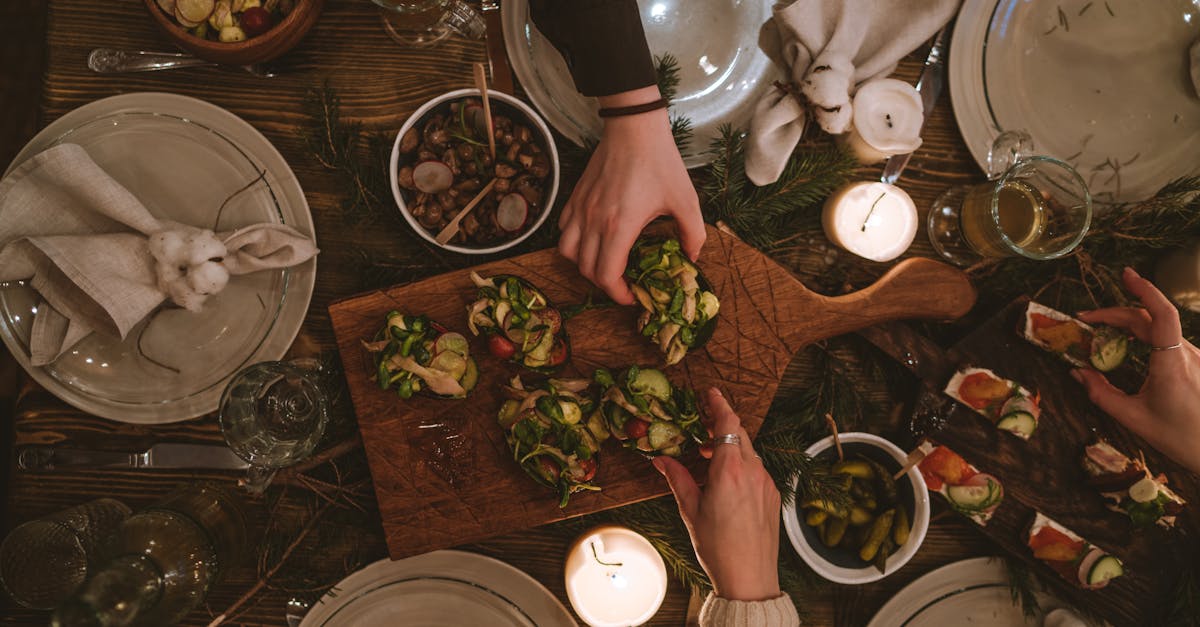
When temperatures drop and winter slowly sets in, mulled wine becomes the star of cozy evenings. This warming drink, both simple and charming, is much more than a simple blend of wine and spices. For centuries, it has symbolized conviviality and sharing, evoking images of bustling Christmas markets and gatherings with friends around a steaming cauldron. Enjoying homemade mulled wine is like inviting the holiday spirit directly into your living room, with its aromas of orange, cinnamon, star anise, and a hint of sugar as it gently melts. We’ve put together this comprehensive guide to help you master the authentic mulled wine recipe, perfect for warming up your long winter evenings without the hassle.
But be careful: to make mulled wine a hit with everyone, you can’t just throw any red wine into a saucepan with a few spices. You need to understand the tricks, avoid common mistakes, and above all, know how to measure each ingredient like a real chef. You will discover why the choice of red wine plays a key role in the success of your preparation, how to select spices for a balanced taste, and why avoiding the famous boiling is essential to not spoil the flavor of the drink. This ancestral drink also plays on the simplicity and quality of the ingredients, a truly good mulled wine is prepared in a cauldron and simmers gently, letting each flavor infuse in its juice.
Throughout the sections, you will delve into the secrets of a successful mulled wine, with a review of the best red wines to choose, the essential spices to have in your kitchen, as well as the possible variations to surprise your guests. Not to mention, of course, easy tips to enhance your recipe, such as the optional addition of a liqueur or fresh citrus zest, just to add a touch of pep and deliciousness. Also discover why in certain countries, the tradition is to heat other beverages, from sake to cider, for an ever milder and warmer winter. Let yourself be tempted by the authentic scents and flavors of the traditional recipe that will delight young and old alike.
The essential ingredients for a successful authentic mulled wine recipe
To prepare a mulled wine worthy of the name, you have to start off on the right foot with simple but quality ingredients. Here is the essential list that will allow you to prepare a perfect mulled wine for around 6 people:
- 🍷 A bottle of red wine : opt for a young, light and fruity wine, avoid wines that are too powerful or too tannic
- 🌿 2 cinnamon sticks : the star of spices to have this sweet and warm taste
- ⭐ 1 star anise (star anise) : brings a subtle and fragrant touch which enhances the mixture
- 🍊 1 orange : zest and quarters to add tangy freshness
- 🍋 1 lemon zest : to reinforce the citrus notes and balance the sugar
- 🍬 125 g of sugar : delicate dose to sweeten without masking the aromas
- 🌟 Cloves (about ten): dose sparingly to avoid bitterness
The choice of pot or saucepan is also important. We strongly recommend a stainless steel saucepan or a heavy-bottomed pot that distributes heat evenly. Ideally, simmer your mulled wine over low heat, never letting it boil, so that the spices release their flavors slowly and harmoniously. Ingredient 🍽️
| Quantity 🧮 | Role in the recipe 🔥 | Red wine |
|---|---|---|
| 1 bottle (75 cl) | Base of the drink, fruitiness and body | Cinnamon |
| 2 sticks | Adds sweetness and spicy warmth | Star anise |
| 1 star | Subtle and fragrant aromatic note | Orange |
| 1 whole | Tangy finesse and freshness | Lemon |
| 1 zest | Balances the flavors with acidity | Sugar |
| 125 g | Sweetness to round out the flavors | Cloves |
| Approximately 10 | Adds spice, measure carefully | To perfect your mulled wine and learn more about the tips that make the difference, don’t hesitate to consult this detailed guide and discover the complete authentic recipe that will melt the hearts of gourmets. |
Discover the comforting warmth of mulled wine, a festive drink perfect for winter evenings. Immerse yourself in spicy and fruity aromas that evoke joyful holiday celebrations. Learn how to make your own mulled wine with simple and delicious ingredients. Why is the choice of red wine crucial for successful mulled wine? Mulled wine relies on the finesse and roundness of flavors, so the choice of red wine is far from trivial. To achieve this, favor fruity, young, and light wines so that the wine’s bouquet blends well with the spices without being overpowered by overpowering power. Basically, you should avoid: 🚫 Wines rich in heavy tannins, which make mulled wine bitter and unpleasant
🚫 White wines, which don’t fit with the mulled wine tradition
To avoid making a mistake, opt for these grape varieties that always work:
🍇
- Gamay
- : light and fruity, perfect for beginners
- 🍇
Merlot
- : supple on the palate with a lovely roundness 🍇 Syrah
- : naturally spicy, it will enrich the palette of flavors 🍇 Mourvèdre
- : full-bodied and aromatic, excellent for connoisseurs In France, the vineyards of the Rhône
- , Languedoc-Roussillon ,
Southwest orBordeaux often provide these very suitable vintages. For example, a Beaujolais Nouveau fromDomaine Anita or a Bordeaux wine like Château La Gorce are sure bets that never disappoint. Recommended Red Wine 🍷 Flavor Profile 🌿 Favorite Region in France 🗺️ Gamay Light, fruity, low tannin Beaujolais, Loire
| Merlot | Supple, round, pleasant | Bordeaux, Southwest |
|---|---|---|
| Syrah | Spicy, powerful without being overpowering | Rhône, Languedoc |
| Mourvèdre | Full-bodied and aromatic | Languedoc, Provence |
| To learn all about the ideal red wine to use and to get the best tips for your next session, take a look at this essential page dedicated to the | secrets of successful mulled wine | . And to get off the beaten track, we also recommend discovering the variety of Loire wines, through this link to the |
| red wine from the Coteaux du Giennois | . | The secrets of spices: cinnamon, star anise, and more |
Spices are the beating heart of mulled wine. They add that little extra soul that transforms a simple glass of wine into a true winter elixir. Here are the ones you absolutely must have on hand: 🌟Cinnamon : A must-have in mulled wine, it offers sweetness and a comforting aroma⭐
Star anise (badiane)
: For a delicate licorice and floral note
- 🧂 Cloves : Spicy and aromatic, but be careful not to overdose
- 🍊 Citrus zest (orange and lemon): Fresh and tangy, they balance the drink
- 🌰 Nutmeg : Discreet, it adds depth to the final taste
- The secret is to gently infuse the spices into the wine without boiling it, so that they release all their aromas without bitterness. Boiling would destroy their properties and make the drink unpleasant. Simmering over low heat for about twenty minutes allows for a perfect balance of aromas. Spice 🎯 Role in mulled wine 🍸 Ideal infusion time ⏳
- Cinnamon Gentle warmth, sweet aroma 15-20 minutes
Star anise
| Licorice notes, floral freshness | 15-20 minutes | Cloves |
|---|---|---|
| Zesty aroma, body | 10-15 minutes | Citrus zest |
| Freshness, balancing acidity | 15-20 minutes | Nutmeg |
| Warm and deep notes | 10-15 minutes | To master the recipe and avoid making mistakes with the right amount of spices, discover the |
| secrets of an authentic preparation | explained step by step by professionals. | Discover our delicious mulled wine, a comforting drink made with spiced wine, perfect for winter evenings. Savor the aromas of citrus and cinnamon that will brighten up your festive moments. How to properly prepare mulled wine: the role of the pot and the cooking process |
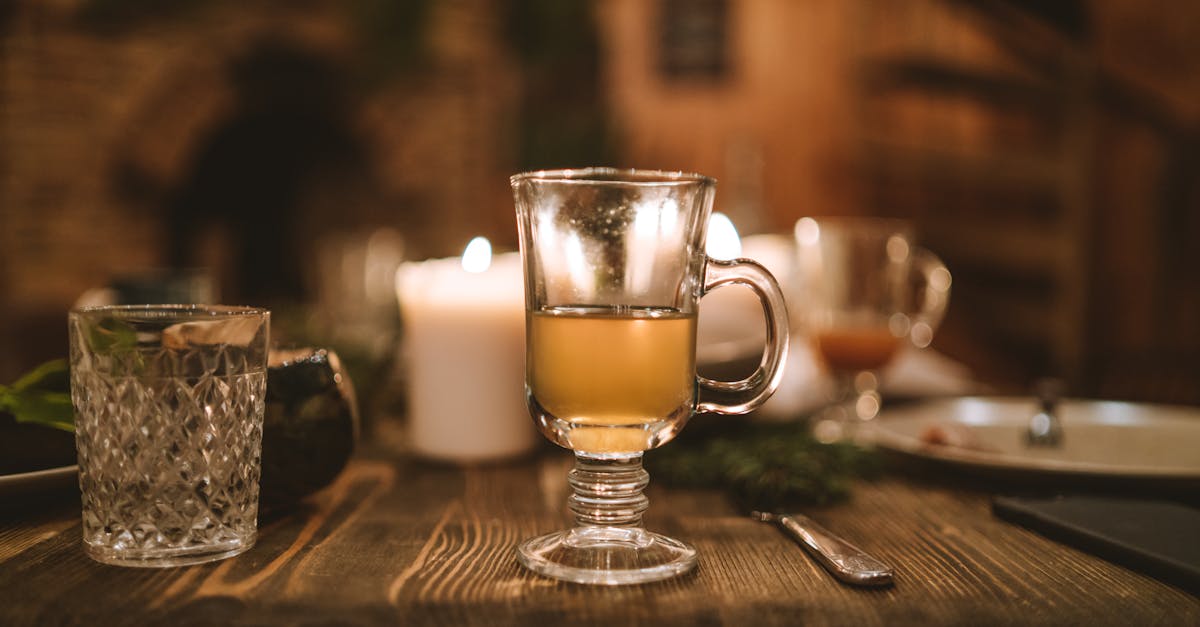
| Choosing the right container and mastering the cooking process are two key elements for a successful mulled wine. The pot or saucepan should allow for gentle heat diffusion, without any hot spots that could burn the wine or spices. | 🍲 Choose stainless steel or enameled cast iron pots, materials that distribute heat well. | 🔥 Keep the heat low to prevent the wine from boiling. |
⏳ Let it steep for at least 20 minutes to allow the flavors to fully develop. 🔄 Stir gently from time to time to ensure a uniform mixture. 🍋 Add the zest at the beginning of cooking for better extraction.
Description 📝
Practical Tip 💡
- Preparing the Ingredients
- Wash and zest the citrus fruits, select the spices
- Peel thinly, removing the bitter white part
- Heat the wine
- Pour into the pot, add spices and sugar
Heat over very low heat, monitoring the temperature
| Infusion | Simmer gently for 20 minutes | Stir gently, avoiding boiling |
|---|---|---|
| Straining | Strain through a sieve to remove the spices and zest | Serve hot in suitable glasses |
| To learn more about preparing mulled wine, discover the secrets in this comprehensive article dedicated to | the authentic preparation of mulled wine | . By following these steps, your mulled wine will be ready to dazzle the eyes and the palate. |
| What variations can you personalize your mulled wine with? Liqueurs, unusual spices, and other tips | Once you’ve mastered the traditional recipe, let’s get creative! It’s common to spice up mulled wine with complementary ingredients, which add a new dimension to this legendary drink. Here are some ways to play the wild card: | 🥃 |
| Add a liqueur: | : Gin, rum, amaretto, or fruit liqueurs (blueberry, raspberry, apricot) for an aromatic twist | 🌶️ |
Incorporate new spices: : Szechuan pepper, grated fresh ginger, cardamom for an exotic touch🍏
Vary the citrus fruits:
: blood orange, yuzu, or grapefruit
- 🍯 Add honey instead of sugar for a natural hint of indulgence 🥄
- Play with the infusion time to accentuate or lighten certain notes It’s also fun to experiment with regional recipes, such as the famous German Glühwein, where a sugar cube soaked in rum is placed and burned over mulled wine, a spectacular process called Feuerzangenbowle. Another surprising idea: swapping red wine for mulled cider, a specialty that’s gaining popularity in winter. Variation 🎨 Description 🥄
- Expected Effect 🍷 Adding liqueur Rum or amaretto added at the end of cooking
- Accentuating aromas, adding extra heat Unusual spices Sichuan pepper, cardamom, ginger
- Exotic and spicy notes Various citrus fruits Yuzu, blood orange
Surprising tangy freshness
| Honey instead of sugar | Natural sweetener, milder | Complex natural sweetness |
|---|---|---|
| Mulled cider | Substituting red wine | Sweet, less alcoholic alternative |
| To learn more about these variations and find original ideas for your evenings, the page on | the authentic recipe with a twist | is a goldmine. Feel free to experiment and find your perfect combination. https://www.youtube.com/watch?v=Id9IgVbEn74 |
| Mulled Wine or Hot Alternatives: A Taste of Winter Culinary Journey | While the magic of mulled wine is undeniable, different cultures have managed to brighten up their cold winter evenings with hot drinks that are a little off the beaten track. In Scandinavia and Germany, Glühwein is a staple in street markets, but what about the Japanese and their hot sakes? Or even hot cider lovers in certain regions? Discovering these versions gives an international flavor to the cold season. Here are some alternatives to try without hesitation: | 🍶 |
| Hot Sake | : a Japanese classic, with a mellow sweetness similar to mulled wine | 🍏 |
| Mulled Cider | : sweeter, less alcoholic, perfect for children or non-drinkers | 🥃 |
Heated Whiskies : for a full-bodied taste and a silky finish, to be enjoyed in moderation 🍯
: Alcohol-free, but with a lovely warm aroma
These beverages are a welcome addition to winter celebrations to satisfy all palates, with or without alcohol. Moreover, if you’re a whisky lover, why not try a tasting set to vary your pleasures during your cold evenings?
Hot Drink
- Region / Country Main Feature Mulled Wine
- France, Central Europe Spices, citrus fruits, and mulled red wine Glühwein
- Germany, Scandinavia Similar liqueurs and spices can be added Mulled Sake
- Japan Sake served warm for comfort Mulled Cider
French regions, United Kingdom
| Sweeter and fruitier alternative | To explore this further, you can consult this page, rich in details on the traditions surrounding mulled wine and its alternatives | to homemade mulled wine. Winter has never been so delicious! https://www.youtube.com/watch?v=fWkD_ZkAWFk |
|---|---|---|
| Mistakes to Avoid for Perfect Mulled Wine | Nothing is more frustrating than a failed mulled wine even though you’ve put your heart and soul into preparing it. To get it right, here are the most common pitfalls to avoid, along with simple tips for correcting them: | 🔥 |
| Boiling the wine | : kills the alcohol and aromas, making the drink flat and bitter | 🧂 |
| Overdoing the spices | : especially cloves and cinnamon, otherwise the taste becomes too strong and unpleasant | 🍊 |
| Add the zest whole | without removing the white part, which is bitter | ❄️ |
Serve warm or cold : mulled wine is best enjoyed piping hot to release all its aromas⏳
: this deprives the beverage of its aromatic intensity
Here is a table summarizing these actions to avoid and tips to avoid making a mistake during serving:
- Mistake 🚫 Consequence 😔 Tip 💡
- Boiled wine Loss of alcohol, Bitterness Cook over low heat, monitor temperature
- Excessive spices Unpleasant aftertaste Add sparingly, taste during cooking
- Bitter zest Enhanced bitterness Use only the colored part of the zest
- Serve warm Loss of aroma, less enjoyment Keep warm until ready to serve
Infusion too short
| Lack of intensity | Simmer for at least 20 minutes | If you’d like to delve deeper into these points to prepare your mulled wine stress-free and expertly, this site will guide you perfectly: |
|---|---|---|
| The secrets of homemade mulled wine | . | FAQ – Your questions about the authentic mulled wine recipe |
| ❓ | Can you prepare mulled wine in advance? | Yes, you can prepare it a few hours beforehand, but reheat it gently without boiling to preserve the aromas. |
| ❓ | Can you use white wine instead of red? | It’s not traditional, but some like to experiment. The result is different and generally less rich in flavor. ❓ |
| What’s the best way to sweeten mulled wine? | White sugar is the classic, but honey adds a natural sweetness for a different experience. | ❓ |
| Does non-alcoholic mulled wine exist? | It’s possible to make non-alcoholic mulled wine with hot fruit juices and spices, but it won’t be quite the same drink. | ❓ |
What’s the ideal temperature for heating wine? Heat to around 70-80°C, hot enough to extract the flavors without boiling.