
Coffee, this prized beverage consumed daily by millions of French people, hides a mysterious and often overlooked process: its fermentation. While we generally think of roasting or extraction to explain its flavors, few realize that fermentation plays an equally essential role in developing the aromatic profile. With an average consumption of 2.3 cups per day per person in France, this stage occurs well before our actual tasting, during the processing of the coffee cherries. In the rapidly expanding specialty coffee market, this biological transformation phase is closely related to that undergone by beer or wine, combining microorganisms, sugars, and innovative fermentation methods. In a context where the demand for authentic, complex, and responsible products continues to grow, understanding this step allows us to both appreciate the aromatic richness of coffee and better guide our consumption choices.

The secrets of coffee fermentation: a complex and natural process
Like wine or beer, coffee fermentation relies on a biological mechanism in which microorganisms such as yeasts and bacteria transform organic substances. When analyzing the fruit’s life cycle, it’s important to examine the various stages, which largely determine its flavor profile. The delicate and precious coffee cherry is more than just a fruit: it contains mucilage, a sugar-rich pulp, and a protective covering called parchment. The handling of this covering during processing directly influences fermentation and, consequently, the final aromatic complexity. These microorganisms, scavenged from the air or deliberately introduced, operate in an environment where temperature, humidity, and duration play a decisive role.
Processing methods vary: while some producers, such as Lavazza or Café Ricard, favor natural or “dry” fermentation, others opt for the wet or “washed” process, which requires careful rinsing. Fermentation can last from a few hours to several days, depending on the ambient temperature and the method chosen. By carefully controlling this process, producers can determine whether their coffee will have fruity, floral, or more woody notes. Anaerobic fermentation, a recent practice where beans ferment without oxygen in airtight vats, allows for even more refined aromas, a process that is gentler than winemaking. Passionate coffee makers, such as those behind the fermentations at Café de Flore and Café Michel, agree that this step is a true keystone, often overlooked by the general public.
| Type of Fermentation | Key Conditions | Flavor Profile | Coffee Examples |
|---|---|---|---|
| Natural (Dry Process) | Sun-Dried, High Temperature | Sweet, fruity, with notes of honey or nuts | |
| Washed (Wet process) | Pulping + freshwater fermentation | Clean, tangy, floral, slightly sweet | |
| Honey process | Partial pulping + drying | Semi-sweet, honey, caramel notes | |
| Annerobic | In an oxygen-free environment | Complex, with exotic or ripe fruit notes |
Variations between these methods are part of a logic of adaptation to terroirs and consumer preferences. Some big names like Nespresso and Morlongo are experimenting with controlled fermentations to offer their customers a rich and balanced experience, while small producers are trying the traditional approach to preserve the unique character of their region.
Coffee fermentation methods: tradition and innovation
Coffee fermentation techniques are divided into four main categories, each providing a distinct aromatic signature. The natural method, also called “dry fermentation,” involves spreading the cherries in the sun. It requires regular monitoring to ensure even drying, which is crucial to prevent the development of unwanted flavors. From Ethiopia to Uganda, this ancient method produces very fruity or floral coffees, perfect for lovers of expressive profiles. The washed method, on the other hand, is characterized by meticulous cleaning: after pulping, the cherries ferment while immersed in water, which produces cleaner, less complex but very pleasant coffees, particularly in Colombia or Honduras.
An emerging trend, which specialists such as those at Brûlerie du Quai and Terres de Café are studying, is the “honey process.” Less water-intensive and faster, this method involves removing only the skin of the cherry, leaving some of the mucilage, which then dries in the sun. The result: a coffee with a balanced profile between sweetness and acidity, with an almost creamy texture, often associated with notes of honey or caramel.
More recently, anaerobic fermentation, practiced in closed environments under pressure, opens up even more complex horizons, close to the most sophisticated winemaking. This approach, which is very popular among many specialty coffee producers, allows for the exploration of exotic aromatic profiles, such as tropical fruits or rum notes. Producers of Peet’s Coffee and Café de Flore, in Europe and America, are discovering a new palette of flavors, fascinating consumers and baristas alike.
The role of fermentation in manipulating flavor: an art to be mastered
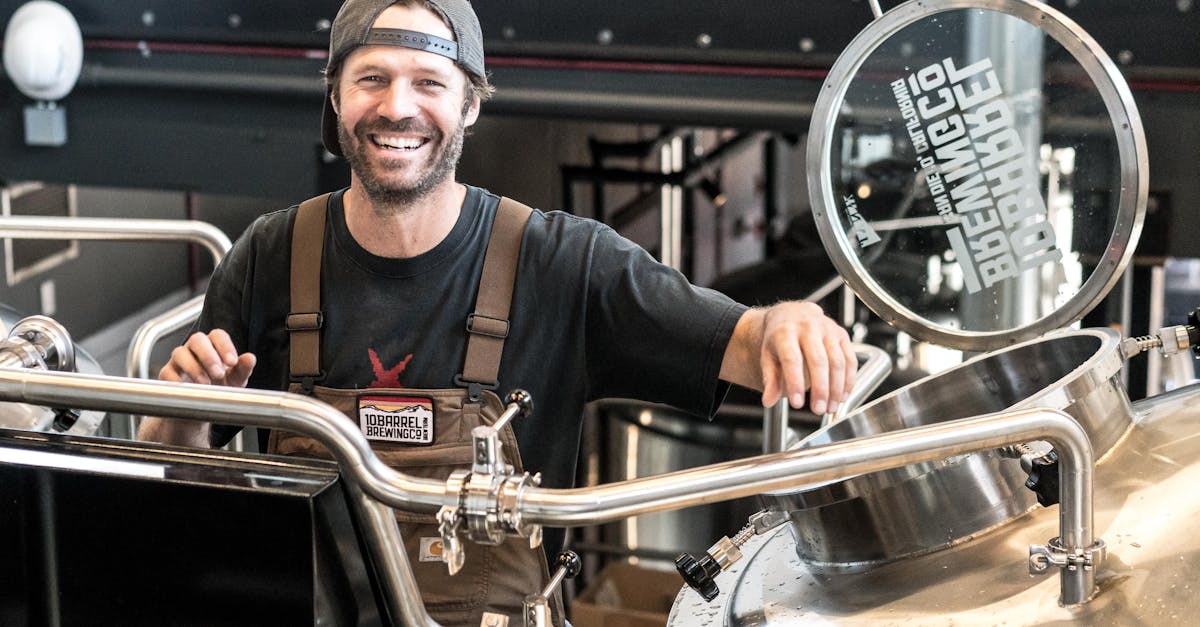
Fermentation, far from being a passive step, has proven to be a true art mastered by a select group of professionals. The choice of method, duration, and temperature all influence the final result, just as they do in winemaking. The notable difference lies in the purpose: while in winemaking, fermentation results in the production of ethanol, in coffee, with some exceptions, it moderates the development of complex aromas while avoiding the production of alcohol.
This precise control now allows companies like Café Michel and Café Royal to offer coffees specifically designed to reveal different terroirs and methods. Some are experimenting with temperature-controlled fermentations, using techniques similar to those used with wine, to take advantage of the biochemical complexity of each batch. Implementing this process therefore requires a close connection with science, but also a degree of creativity. Longer or shorter fermentations impart their own signatures, from fruity freshness to spicy or woody notes. Factors influencing fermentation
| Effect on the aromatic profile | Examples | Fermentation duration |
|---|---|---|
| Longer: complex and deep notes | Honey process, anaerobic fermentation | Temperature |
| Higher: more roasted or spicy aromas | Drying in a warm or controlled climate | Type of microorganisms |
| Define the aromatic palette | Lactic acid bacteria, wild yeasts | Major brands such as Café Lomi and Café Ricard are promoting these innovations to attract a public eager for authenticity. At the same time, winemakers are drawing inspiration from this globalization, adapting certain French techniques, such as the Bugey or Savoie method, to create wines with aromas that are both powerful and subtle. Fermentation is thus becoming a true bridge between two worlds, that of wine and coffee, where art and science intertwine to better reveal the terroir. |
Controlled fermentations, a new revolution in coffee tasting
At a time when the specialty coffee market is experiencing sustained growth (+18% per year according to some projections), producers are seeking to guarantee unprecedented quality and traceability. Controlled fermentation, with precise monitoring of temperature and time, allows for the reproduction of identical aromatic profiles from one batch to the next. Like the great wines of Chablis or Bordeaux, this consistency reassures professionals and demanding consumers alike.
Modern techniques include the use of stainless steel vats, connected sensors, and analytical software, which measure pH, temperature, and microbial activity in real time. At Café Lomi and Malongo, this innovation has become a cornerstone, enabling the creation of new aromatic experiences, often unprecedented on the market. Mastering fermentation also contributes to a responsible approach, reducing water consumption and promoting organic or sustainably farmed terroirs. Discover the art of fermentation, an ancient process that transforms food into true nutritional treasures. Learn how to prepare your own fermented foods to improve your digestive health and explore new flavors.
Frequently Asked Questions About Coffee Fermentation: Everything You Need to Know
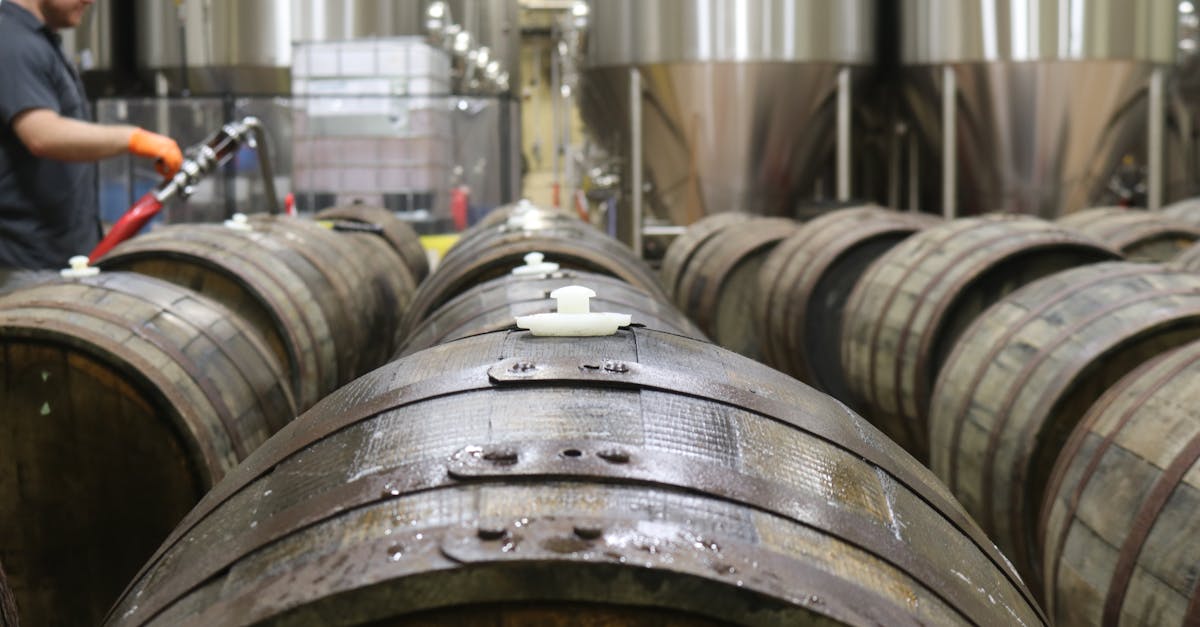
Coffee fermentation does not produce alcohol in palatable proportions. Its main purpose is to develop complex aromas, with specific microorganisms, avoiding the alcoholic fermentation found in wine or beer.
- 🌱 Is fermentation always environmentally friendly?
- Not always if the methods are intensive or poorly controlled. However, techniques such as the honey process or anaerobic fermentation, used by committed stakeholders, limit water consumption and promote organic terroirs.
- ☕ Can you influence fermentation yourself at home?
- It’s not easy or advisable without expertise, as precise conditions of temperature, humidity, and duration must be respected. However, some enthusiasts experiment with wine fermenters or pressure tanks to create their own profiles.
- 🔍 Does fermentation influence the monetary value of coffee?
- Absolutely. Coffees produced through controlled or innovative fermentation are often more sought-after, and their price can be significantly higher, particularly in the specialty coffee market.
- Source:
- www.20minutes.fr
