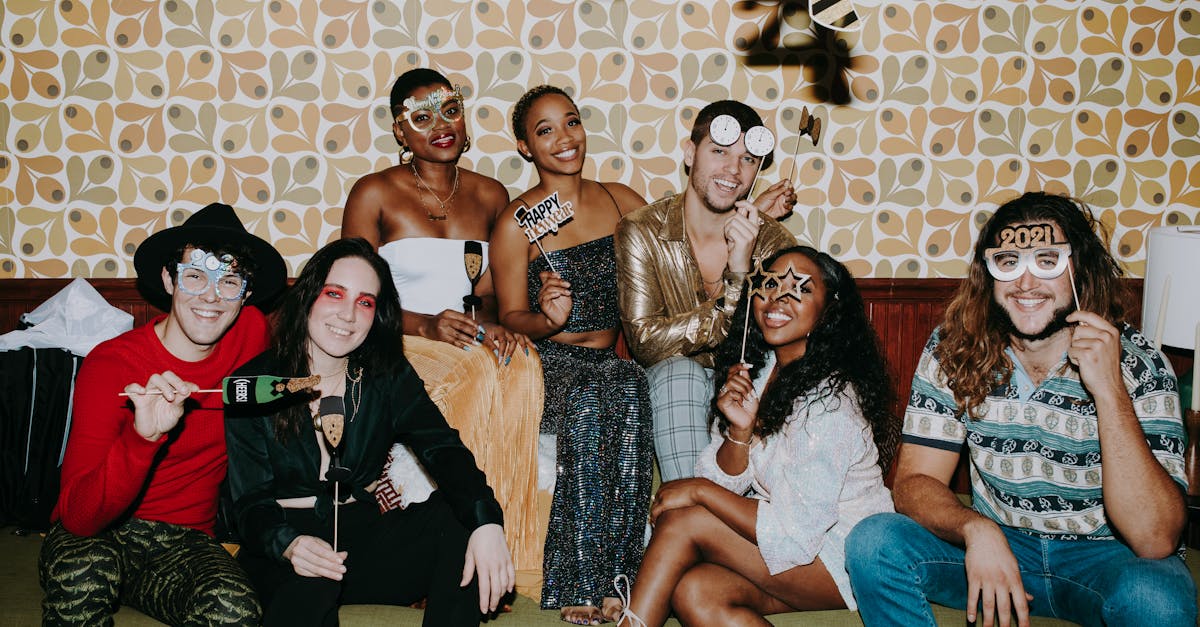
As the world of sparkling wine continues to vibrate, champagne, that essential symbol of celebration and luxury, faces a complex and transformative reality in 2025. After a year 2024 marked by a surprising decline in sales volumes and a new lease of life brought by bold challengers, the Champagne region is entering a crucial phase. Consumers are changing, their expectations are evolving, and the money invested in these golden bubbles now demands greater meaning and authenticity. Between growing ecological demands, marketing innovations, and a challenge to the traditional model, major houses like Champagnes Moët & Chandon, Veuve Clicquot, and Champagnes Ruinart have a lot to do to stay the course and rekindle desire. This unique mix of necessary adaptations and unprecedented opportunities invites us to decipher the current trends in Champagne wine in 2025. From changing winemaking practices to new ways of enjoying these beverages, from renewed rivalries in the high-end segment to the rise of organic Champagne, each issue speaks to change and boldness. This overview also focuses on emerging alternatives and contemporary aspirations, often driven by ultra-connected youth, eager for unpretentious luxury that bursts with imagination.
We’ve put together this no-nonsense guide that gets straight to the point and debunks clichés. Ready to enthusiastically explore a world that still sparkles, but differently? Let’s get started on unearthing the keys to understanding where Champagne wine is headed, and, above all, how 2025 will potentially be a pivotal year. Why Champagne Sales Declined in 2024 and What Will Change in 2025
The phenomenon is clear and somewhat surprising: after decades of almost uninterrupted growth, 2024 saw champagne sales decline, reaching a multi-decade low. So, what happened? We’ll explain it to you in detail.
First, the economic factor plays a significant role. Prices have skyrocketed, particularly outside Europe, with sometimes dramatic increases of more than 50% in less than two years. This price is starting to become a problem in a context where purchasing power is eroding and consumers, who have become more vigilant, are no longer giving in so easily. Champagne’s famous value for money is perceived as less attractive compared to other sparkling wines or alternative beverages, chosen by young people as well as the older generation.
In some markets, new consumption habits favor natural wines, craft beers, or even dealcoholized spirits, less prestigious products but often more in line with current expectations in terms of conviviality and experience. In Western Europe, the average consumer is getting older, and the share of champagne in bars, restaurants, and hotels (B&H) is declining in favor of cocktails and other trendy drinks.
However, this decline does not necessarily signal a fatal decline; rather, it signals a need to rethink an industry that has long relied on linear growth. Internationalization, which accounts for a large share of volumes, remains crucial but requires a more refined approach adapted to the multicultural dimensions of consumers.
Here are some points that explain this decline in 2024 and the expected repositioning in 2025:
📉 Rapid and sharp price increases outside Europe, destabilizing demand
🧑🤝🧑 Aging of the profile of traditional consumers in Europe
- 🍺 Rise of alternatives like natural wines and craft beers
- 🍾 Less presence on the menus of hospitality establishments in favor of other beverages
- 🌍 Post-Covid context still uncertain, impacting attendance at festive events
- This new situation opens the door to innovations and a real rethinking of the relationship between champagne and its consumer base. To achieve this, major champagne houses such as Champagnes Bollinger, Laurent-Perrier, and the famous Champagnes Dom Pérignon are working to reconnect with younger generations, while strengthening their classic and high-quality image for purists. 2024 Downside Factors
- Market Consequences
Sharply rising prices outside Europe 🚀
| Significant drop in volumes sold in these areas | Competition from alternative beverages 🍷🍺 |
|---|---|
| Fewer purchases in hospitality and abandonment of menus | Older, more rigid consumer profile ⏳ |
| Lack of renewal and dynamism | Uncertain post-pandemic context 😷 |
| Decrease in major festive events and weddings | Discover the latest trends in champagne: surprising innovations, refined food and wine pairings, and emerging styles that are reinventing the art of tasting. Dive into the sparkling and gourmet world of modern champagne. |
| To further your choices regarding pairings and occasions, don’t hesitate to consult this comprehensive guide on | special occasions for tasting champagne |
Viticulture in Champagne is experiencing a major turning point. In 2025, the rise of environmentally friendly practices and the pursuit of exceptional quality are reshaping the face of vineyards. We’re no longer talking simply about maximum yield, but about a fragile balance that must be preserved, at a time when global warming is forcing drastic adaptations. Champagne is a pioneering region where, for several years, methods have been developed to reduce chemical inputs, adopt gentler practices for the land, and respect biodynamics. This movement is gaining momentum across all wineries, from Champagne Louis Roederer to small winemakers capitalizing on their artisanal authenticity to attract the new generation. This approach goes beyond the simple pursuit of organic or biodynamic certifications: it seeks real in-depth work on the wine’s identity. Notable effects include: 🍃 Reduced yields to prioritize grape quality
🌞 Adaptation to weather hazards to limit climate damage
🐝 Integration of enhanced biodiversity, with a natural link to pollination
♻️ Reduction in chemical products and sustainable processing
🍇 Promotion of unique terroirs through precise and often artisanal winemaking
- This structural change also disrupts the balance between vineyards and winegrowers, which can sometimes be a source of tension. With the increasing scarcity of high-quality grapes, competition for the best bunches is intensifying, which could permanently alter the economic models of wineries. This quest for excellence not only reflects a passing fad, but also serves to meet more demanding consumer expectations, particularly for the best champagne in the broadest sense.
- Sustainable Practices
- Impact on Production
- Organic Viticulture 🍀
- Improves grape quality and limits pesticides
Biodynamics 🌱 Promotes soil health and vitality, brings character to the wine Reduces yields 🍇
| Increased concentration of aromas and finesse | Biodiversity and pollination 🐝 |
|---|---|
| Better resilience to disease and ecosystem balance | Several iconic houses such as Champagnes Perrier-Jouët and Champagnes Taittinger are now focusing on these values, unveiling cuvées specially developed for these sensitive markets, proving that the ecological cause and the premiumization of champagne are not in opposition but move forward hand in hand. |
| Discover the latest trends in champagne: delicious innovations, food and wine pairings, and evolving consumer preferences. Explore the fascinating world of modern champagne. | The economic and social challenges of this green revolution |
| Beyond the purely agronomic aspect, the sustainable revolution is changing the local social fabric. The younger generation of winegrowers, often trained in new, environmentally friendly techniques, is part of this dynamic. This leads to: | 👩🌾 Greater attractiveness for new recruits motivated by ecology |
| 🤝 Redefinition of partnerships between houses and local winegrowers | 🌍 International promotion, particularly among a public concerned about sustainability |
This transformation also alleviates simplistic interpretations of champagne, its origins, and its methods, providing new material for debate and more refined interpretations in the context of

https://www.youtube.com/watch?v=_4EuIRZHAro
The great Champagne houses face competition from new artisanal players
- In this evolving context, we are witnessing an interesting reversal. Traditional behemoths like Champagnes Moët & Chandon, Veuve Clicquot, and Dom Pérignon, once virtually unbeatable, are seeing their supremacy challenged by a new generation of innovative and bold small winemakers.
- These more modest entrepreneurs, often passionate and with an authentic image, rely on:
- 👨🌾 Limited but high-quality production
🌍 A true conquest of international markets thanks to storytelling and uninhibited communication ⚖️ An artisanal approach in line with the expectations of consumers seeking meaning and proximity♻️ The rapid adoption of distinctive eco-responsible practices
Traditional players 🏰
New generation of artisanal producers 🍇
Large quantities and globally recognized brands
- Limited production, strong identity and narrative
- Strong roots in the industrial and commercial model
- Flexibility, creativity, and marketing innovations
- Premium prices are often high
Sometimes more affordable, promoting local presence
| Segmented offerings around classic vintages | Exploration of new aromatic profiles and consumption methods |
|---|---|
| For those seeking to better understand the varied offerings available today, including in festive or gift contexts, a good foundation is available on specialized platforms such as | Choosing a champagne for a wedding |
| or | Champagne wine as a gift |
| which bring together hassle-free reviews and advice. | https://www.youtube.com/watch?v=M9Ij8NRDzz4 |
| New consumer trends: how we’ll drink champagne in 2025 | The pleasure of sharing a bottle of champagne is now combined with several new trends that are challenging traditional codes. The moment of tasting, the preferred type of cuvée, and even the way of uncorking the bottle are evolving to reflect a more connected, more conscious, and also more playful lifestyle. Some major trends 🌟 to watch in 2025: |
🥂 The rise of extra-brut or non-dosage champagnes, responding to the desire for a purer and less sweet tasting experience. 🥑 Pairing with lighter, vegetarian, or vegan dishes, with a new desire for balanced tastes. 🎉 More moments of sharing in daily life, not necessarily for special occasions, with more relaxed consumption. 📱 Use of mobile apps to obtain tasting advice and personalized pairings, fostering an interactive relationship with the product. 🌍 Responsible consumption promoted, with a preference for organic and sustainably grown cuvées.
Example
Impact on the Industry
Extra-Brut and Non-Dosaged 🍾
- Moët & Chandon Champagnes Launches Rare Cuvées for This Segment
- Encourages Purity and Finesse
- Vegetarian and Vegan Pairings 🌿
- Adapted Menus in Certain Michelin-Starred Restaurants
- Expands the Scope of Gastronomic Use
Casual Everyday Consumption 👫
| Flutes Dedicated to Non-Ceremonial Use | Democratizes the Product | Mobile and digital applications 📲 |
|---|---|---|
| Interactive smartphone guides | Strengthens the connection with a young audience | To go further and master all the subtleties of tasting in 2025, nothing beats a good read on |
| how to taste a Champagne wine today | . | International markets: where champagne shines and where it must reinvent itself |
| The global champagne market is a terrain oscillating between strong potential and acute challenges. In 2025, the trend is for overall growth estimated at 7.1% per year until 2032, with revenues reaching $15.3 billion. However, this pace hides notable disparities between regions, cultural preferences, and purchasing behaviors. | Here are the keys to understanding the situation by major geographic areas: | 🌎 North America: Strong growth thanks to high-income American consumers. The United States dominates in terms of volume and is investing heavily in premium segments, particularly with houses like Champagnes Dom Pérignon and Laurent-Perrier. |
| 🇪🇺 Europe: The historical cradle and main market, with contrasting trends, particularly in France, the United Kingdom, and Germany, where consumption remains high but must contend with occasional volume declines. | 🌏 Asia: A young and dynamic market, driven by the rise of the middle classes and rapid cultural adoption. Japan and China are distinguished by growing demand, but sensitivity to prices and local trends is forcing houses like Champagnes Louis Roederer and Champagnes Veuve Clicquot to refine their strategies. | Although alternatives such as Prosecco and Cava are threatening Champagne’s share, it remains the undisputed king of festive luxury thanks to its heritage and authenticity. To learn more about the essential criteria that make all the difference in this market, head to this |
Focus on Champagne Evaluation Criteria .Geographic Area
Current Situation
Challenges and Opportunities
North America 🇺🇸
- Steady growth market, strong premium demand
- Maintain exclusivity in the face of expanding segments
- Europe 🇪🇺
Market maturity, declining volumes in the hospitality industry Recruit young consumers, innovate in communicationsAsia 🌏
| Emerging market, strong growth in the middle class | Adapt the offering to cultural and price specificities | Champagne’s expansion also involves strategic points of sale such as airports, where the dynamics of duty-free shopping fuels sales, as well as the presence in first-class airlines, symbols of accessible yet exclusive luxury. |
|---|---|---|
| https://www.youtube.com/watch?v=WOJYYaRWBVU | FAQ – Your Questions About Champagne in 2025 | Why have champagne prices risen so sharply recently? The price increase is explained by a combination of factors: a scarcity of grapes due to the climate, a desire to improve quality, and the commercial ambitions of champagne houses to boost margins in a volatile economic environment. |
| Is organic champagne better than traditional champagne? | It’s not a question of “better” but of style and method. Organic champagne favors more natural practices that can bring out a greater expression of the terroir and meet strong ecological expectations among some consumers. | How to choose a champagne for a special occasion? |
| You need to consider the cuvée, the dosage (brut, extra-brut, demi-sec), and the specific advice related to your event. You’ll find plenty of practical advice on this site to guide you according to the context. | What are the main challenges facing champagne compared to competing sparkling wines? | Price, consumer renewal, and the ability to innovate while maintaining a luxury image are the main challenges. Wines like Prosecco offer an accessible and trendy alternative. |
Will champagne once again become the go-to drink for young people?