An Innovative Red Wine from Nouvelle-Aquitaine: The Summer 2025 Wine Revolution
Faced with rapidly evolving winemaking trends and the environmental challenges facing French viticulture, a new type of red wine is causing a stir in Nouvelle-Aquitaine. This wine, designed to be enjoyed chilled, breaks traditional codes by combining freshness, fruity elegance, and modernity. It responds to a growing demand for lighter, more accessible, and environmentally friendly wines, while offering a unique sensory experience, ideal for the 2025 summer season. The region, already renowned for its great Bordeaux vintages, is innovating with vintages that are more sparing in sulfites, vegan, and, above all, adapted to new consumption habits.
This spearhead of the summer wine revolution, embodied in particular by initiatives such as Mouton Cadet Rouge x Pierre, illustrates this trend well. Served at optimal temperature, between 8 and 10°C, this wine offers an alternative to rosés and other white wines, delivering a refreshing and elegant experience. To learn more about this evolution, see this article. Discover the fascinating world of red wine, its rich aromas and robust flavors. Learn how to choose, taste, and appreciate the different varieties of red wine, perfect to accompany your favorite dishes or for a convivial moment. Explore the best wine regions and discover the secrets of a good bottle.
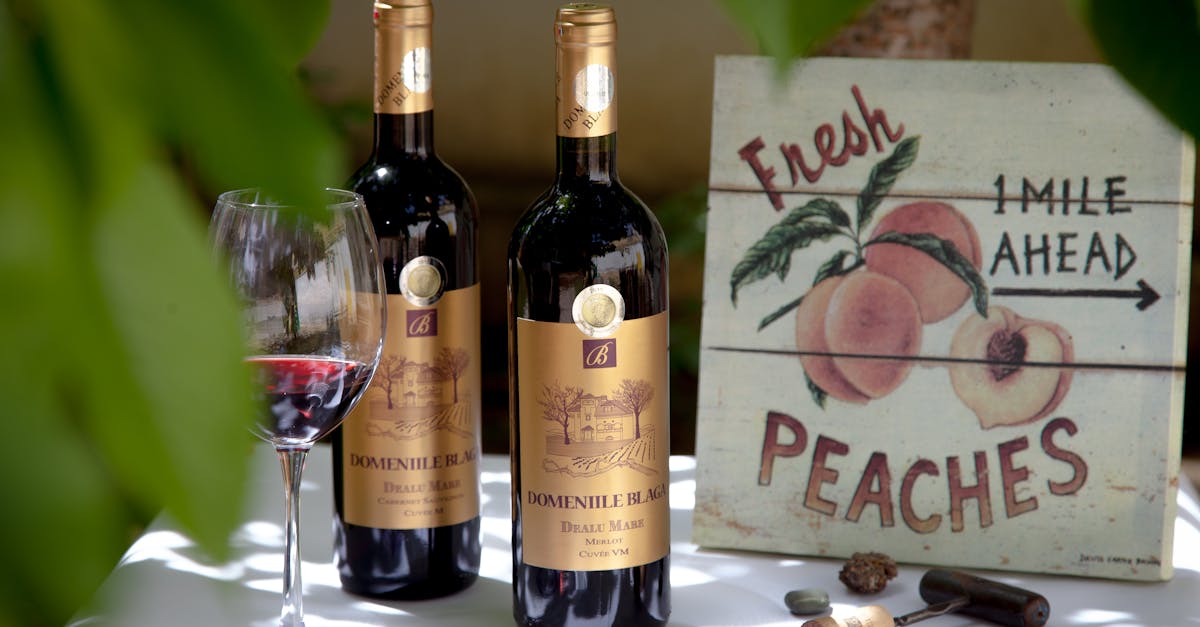
This new red wine from Nouvelle-Aquitaine is much more than just a passing trend. Its identity is based on several key aspects that make it a true innovation in the winemaking landscape. The rigorous selection of grape varieties, particularly Merlot, grown on specific terroirs, results in light, fragrant wines with beautiful aromatic finesse. Furthermore, the aging method in vats on lees, with low sulfites, helps preserve the freshness and voluptuousness of the fruit while respecting the environment.
In terms of style, this wine displays a beautiful, bright cherry color, and its nose reveals intense aromas of red fruits, floral nuances, and sweet spices. The texture on the palate is crisp and light, with supple tannins that convey a sensation of purity and freshness. The near absence of classic tannins around 8-10°C underlines its ability to be more accessible, even more elegant in its simplicity.
Why is this innovation essential? Because it embodies a concrete response to the climate change affecting viticulture. By offering a wine that is best enjoyed chilled, this approach not only mimics the freshness of a rosé but also showcases a rich terroir that, in the face of rising temperatures, is more adaptable and resilient.
Characteristics
| Description | Impact | Serving Temperature |
|---|---|---|
| 8-10°C | Optimizes freshness and aromatic structure 🍇 | Main Grape Variety |
| Merlot | Presents a fruity lightness and a vibrant aromatic profile 🍒 | Aging Method |
| Vats on lees, low sulfites | Preserves freshness and promotes an environmentally friendly profile 🌱 | Certification |
| Organic and vegan | Meets the expectations of new eco-responsible consumers 🌍 | Color |
| Bright cherry red | Visual appeal accentuating its freshness and modernity 🌞 | Discover the fascinating world of red wine, its varied grape varieties, its rich aromas, and its food pairings that enhance every meal. Whether you’re a wine lover or a connoisseur, delve into our guide to choose and appreciate the best red wines. |
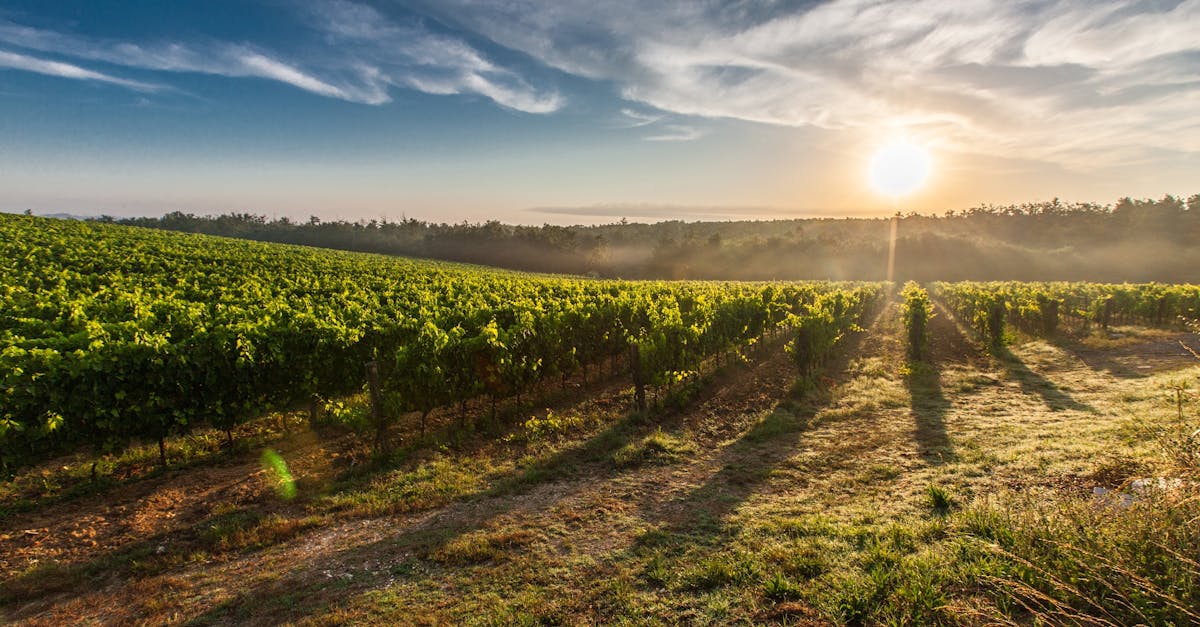
The region’s innovative winemakers have instinctively associated this new generation of wines with a true “Cold Room of the Summer Vineyard.” Faced with temperature variations and the increasing scarcity of certain traditional grape varieties, they have rethought the entire winemaking process, from the vineyard to the tasting. The new image of “ChâteauFrais” in Nouvelle-Aquitaine is based on a philosophy of modern elegance, blending local tradition with the constant search for freshness.
The wine trends of 2025 favor accessibility and simplicity. Young consumers, seeking instant pleasure, have been seduced by the opportunity to enjoy a fruity, light, and refreshing red straight from the refrigerator. This “VinRustiqueModerne” wine is quickly becoming a must-have in bars, summer restaurants, and even at home, for those who prefer a simple yet flavorful experience.
⏱️ Easy to prepare: remove from the refrigerator or ice bucket
- 🌿 Environmentally friendly: sustainable cultivation methods and vegan winemaking
- 🍍 Perfect for summer: light accompaniments like sushi, tartare, or grilled vegetables
- 🎯 Adapted to climate change: increased resistance to heat
- 🎉 Recommended as an aperitif: convivial and refreshing
- To better understand this dynamic, don’t hesitate to consult the
New Aquitaine wine routes , which illustrate the diversity of the terroirs and the region’s commitment to innovation.Discover the captivating world of red wine, its varied grape varieties, its rich aromas, and its food pairings. Learn to appreciate every sip and choose the perfect red wine for every occasion.
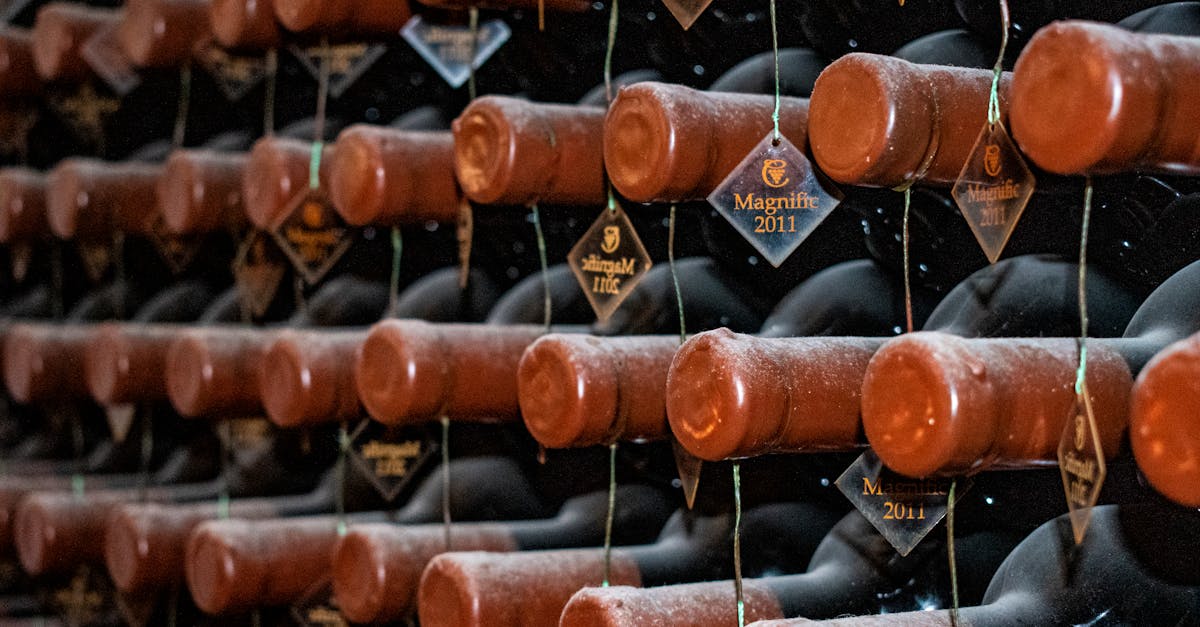
Since the emergence of these new vintages, “Innovative Red Wine” has continued to grow in popularity. The trend toward serving wine at a cooler temperature addresses several major challenges facing viticulture and consumption: rising temperatures, climate change, and changing taste preferences.
This wine revolution is also manifesting itself through a diversification of formats, with smaller bottles or cans, facilitating outdoor consumption. Wine critics welcome this development, emphasizing that it allows for greater expression of the finesse and purity of the terroir, seen in a modern light. Studies show that this practice could be a strategic response, particularly in the context of rising summer temperatures, which make some traditional red wines less appealing, often too tannic or too full-bodied when served warm. Coolness revitalizes aromas, accentuates the vitality of the fruit, and creates a smooth experience, especially for younger generations seeking “Fruity Elegance.”
Key Factors of the 2025 Wine Revolution
Concrete Influences on Consumption
| Current Examples | Climate Change | Rising Temperatures, Need to Adapt Winemaking 🌡️ |
|---|---|---|
| Preference for Coolness | A More Refreshing and Accessible Tasting Experience 🌞 | |
| Packaging Innovation | Bottles, Cans, Portable Formats for On-the-Go Consumption 🍾 | |
| Organic and Vegan Certification | Meets Modern Consumer Demand 🌍 | |
| Integration of New Terroirs | Exploring lesser-used vineyards for fresher, lighter wines 🍇 | |
| https://www.youtube.com/watch?v=URG3T0wTeaw | Thus, the “VinRougeInnovant” of 2025 goes beyond a simple trend to become a true dynamic in response to the challenges of climate change and the expectations of a new generation. The Nouvelle-Aquitaine region, with its rich terroirs and capacity for innovation, is establishing itself as the center of this global oenological transformation, where freshness and fruity elegance are becoming the new norm. |
Can this wine accompany all summer dishes?
Absolutely. Its lightness and freshness make it an ideal companion for dishes such as Japanese cuisine, salads, or grilled vegetables. Its aromatic profile pairs particularly well with light and spicy dishes. How should this wine be served to best appreciate its qualities?
-
It is recommended to remove it from the refrigerator or an ice bucket 10 minutes before tasting to fully enjoy its fruity aromas and refreshing texture at 8-10°C.
Can it be drunk year-round or only in summer?
-
Although designed for summer, its refreshing qualities also make it a pleasant choice for cooler evenings, particularly with hot dishes or in a fuller-bodied version at room temperature.
What certifications guarantee its ecological approach?
-
This wine is certified organic and vegan, attesting to a strong environmental commitment, with practices that respect biodiversity and animal welfare.
Source:
- www.aquitaineonline.com