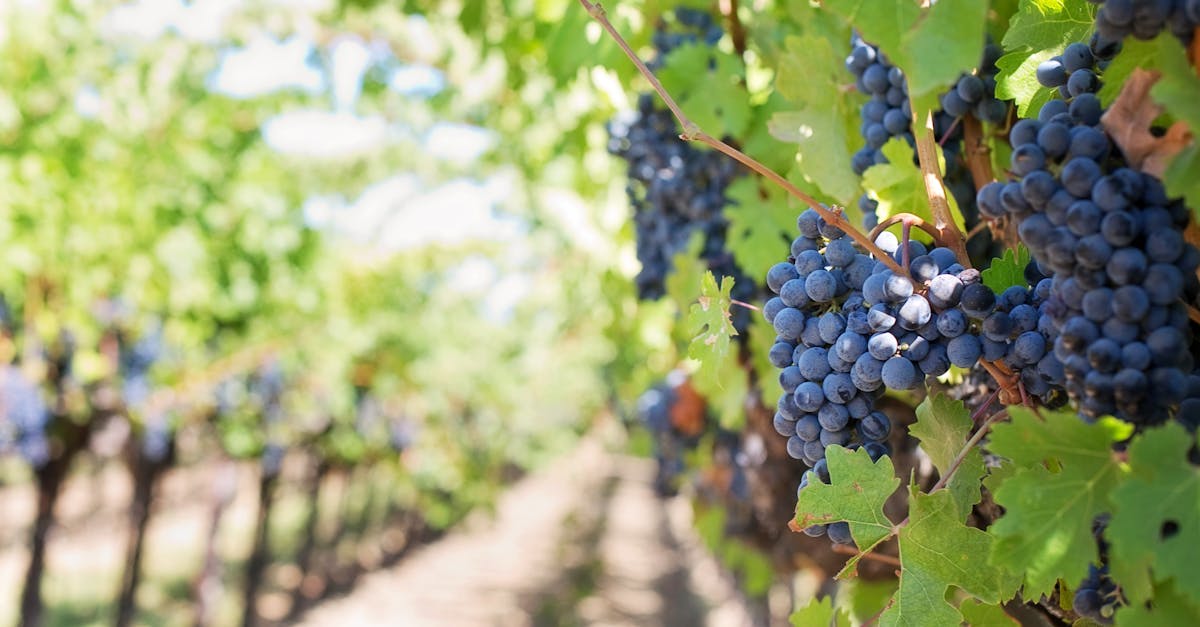
A revolution in the world of Périgord wines: a 6% alcohol content wine under the PGI (Protected Geographical Indication), a first in France
In the heart of Périgord, an emblematic region blending historical heritage and rich terroirs, a major innovation is shaking up the French wine scene in 2025. The production of a wine under the PGI (Protected Geographical Indication), with an exceptionally low alcohol content of 6%, marks a turning point in the conception and consumption of traditional wines. This project stems from a desire to reconcile authenticity, modernity, and health concerns, while offering a new range to wine lovers and novices alike. The region, known for its ancient vineyards, is thus at the forefront of Périgord expertise that combines technological innovation and respect for the terroir.
This wine, made from the new-generation grape variety that characterizes the local innovative vine, embodies an ambitious approach. As the global market shifts toward greater awareness of alcohol consumption, this initiative responds to a growing demand for lighter, fresher products while maintaining sensory pleasure. The approach is based on innovative filtration, using a revolutionary machine designed by Pera Pellenc, to obtain a light-alcohol elixir of the terroirs. The upcoming commercial release of these bottles is sure to generate buzz, especially since their price, just slightly higher than that of a classic wine, makes them an affordable alternative.
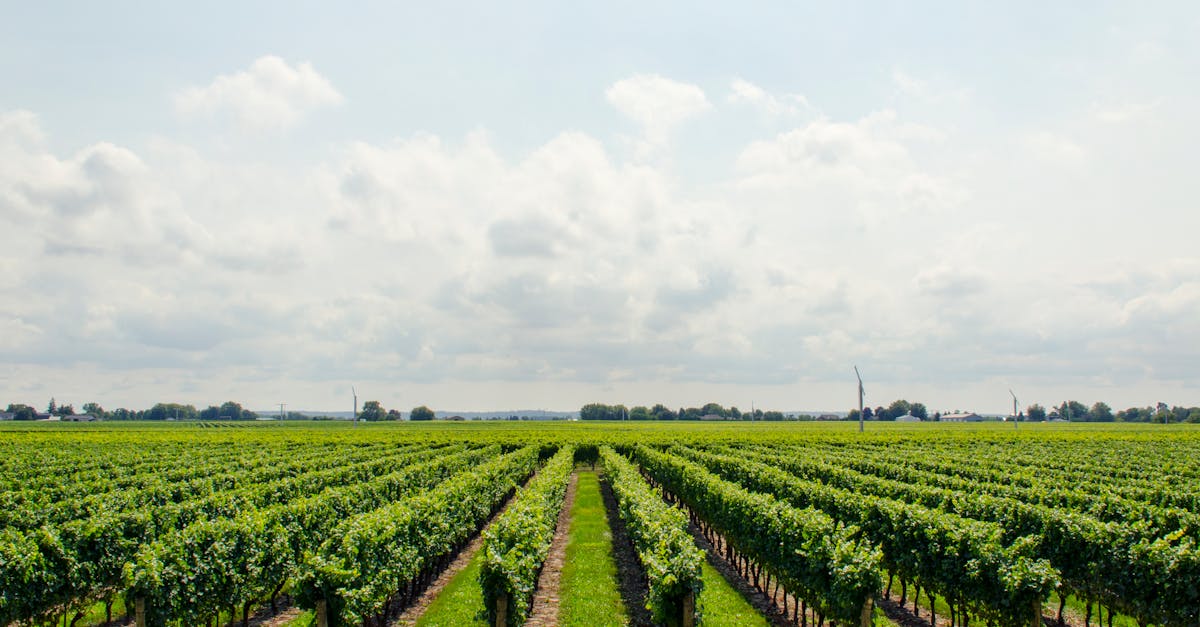
How this innovation in Périgord is redefining the perception of light and fresh wine
The global wine consumption landscape is undergoing a radical shift. The market’s strength now lies in offerings that combine taste pleasure with responsible awareness. France, through its 6% alcohol wine project, part of the wine revolution, is benefiting from a concrete example of this trend. Traditional production is being joined by innovative dealcoholization techniques that respect the raw material and achieve an ideal balance between flavor, body, and lightness.
Many factors are driving this transition:
- 📉 Declining consumption among young people, who are more health-conscious and more moderate.
- 🌱 The rise of organic or low-alcohol wines to meet new sustainable expectations.
- 🎯 The need for producers to be more economical, particularly by reducing the amount of alcohol in their formulations, while maintaining recognized expertise. 💡 Technological innovation, particularly in dealcoholization by vacuum evaporation, is revolutionizing the way light wine is produced.
- To better understand this trend, a summary table shows the evolution of regulations regarding alcohol levels in PGI wines:
Year
| Minimum Authorized Alcohol Level | Major New Development | Regulatory Reference | 2024 |
|---|---|---|---|
| 8.5° | Introduction of 6° wines in PGI | New legislation in 2024 | 2025 |
| 6° | Official Marketing of Light Wines | European Regulation | Discover the fascinating world of wine: from grape varieties to winemaking techniques and food and wine pairings. Explore our guides and tips to taste and appreciate every sip. |
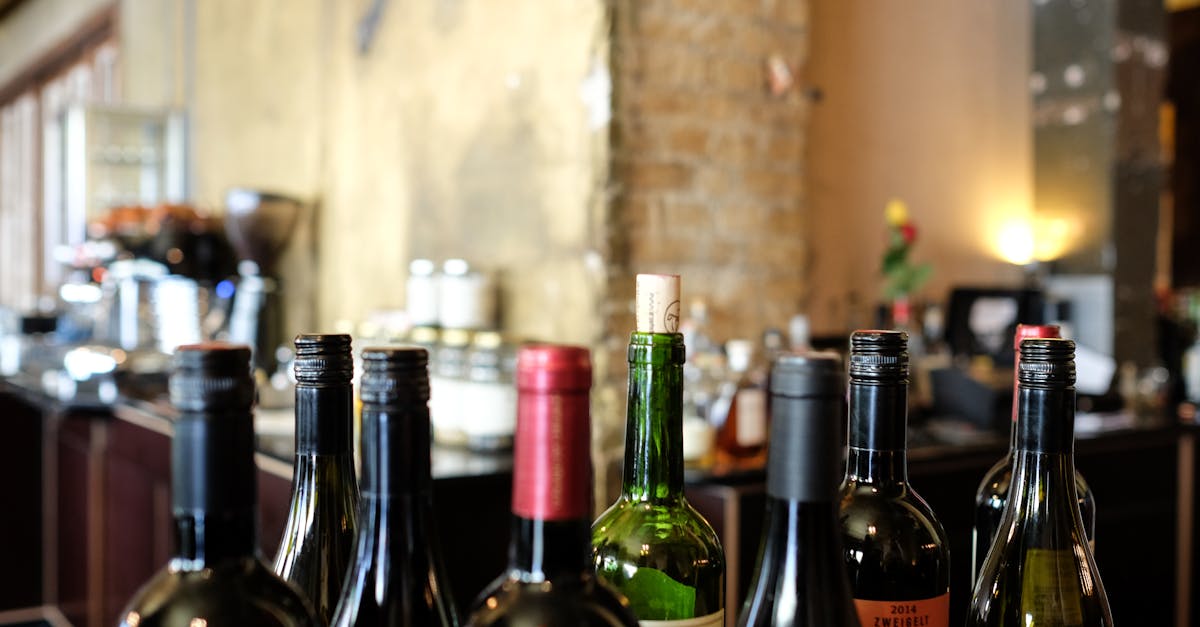
The production of this 6° wine relies on cutting-edge technological processes. The machine created by Pera Pellenc represents a real breakthrough, as it allows the wine to be de-alcoholized without altering its aromatic richness. Using a vacuum evaporation process, this machine removes ethanol at a low temperature (less than 30°C), thus preserving the integrity of the nectar. This method, applied to a 12° sweet white wine, results in a product that is surprisingly low in sweetness on the palate, with enhanced acidity, while retaining its aromatic complexity.
This process offers several advantages:
⚙️ Respect for the organoleptic integrity of the wine, thanks to vacuum technology.
- 🧪 Ability to precisely adjust the alcohol level, avoiding flavor distortion.
- 🌟 Maintenance of the floral and fruity aromas characteristic of Périgord wines. 💸 Reducing production costs while ensuring impeccable quality.
- This expertise, the result of a collaboration between oenologists and engineers, opens new perspectives for winemaking in Périgord, while affirming the importance of terroir in the face of global market demands.
- Discover the fascinating world of wine: variations, wine regions, food and wine pairings, and tasting tips to enrich your winemaking experiences.
What this creation represents for the winery in 2025 and beyond
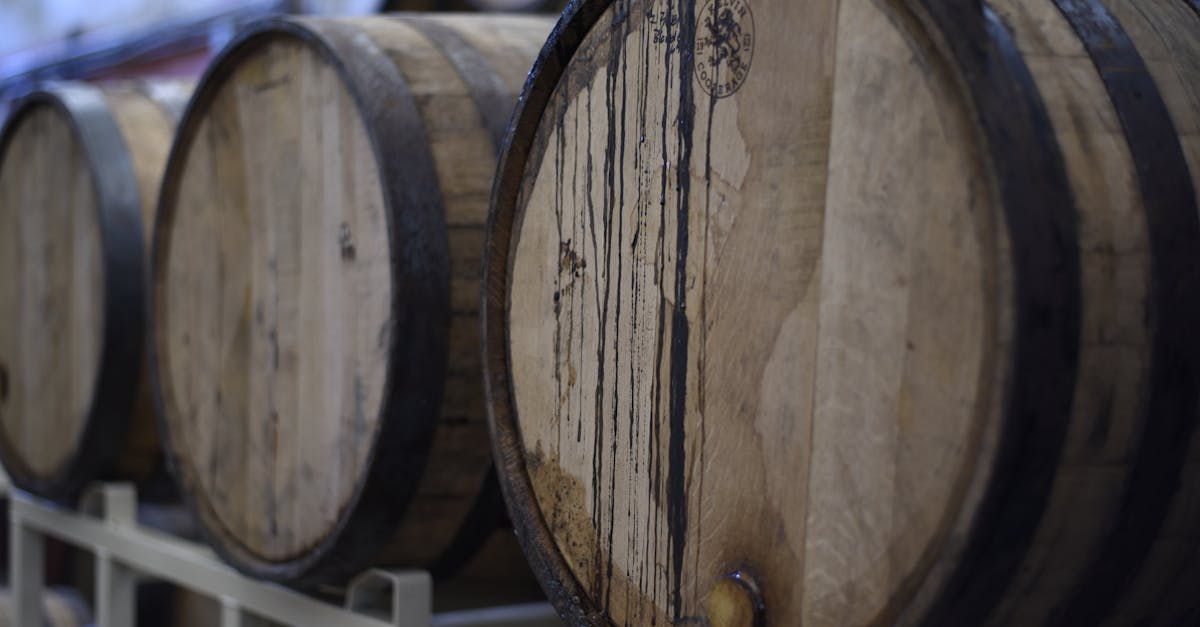
Its impact extends far beyond the regional context. The approach is part of a desire to promote Périgord expertise through an accessible product, while fostering the growth of an export market, particularly to the United States and Japan. With a 75 cl bottle at an attractive price of less than €5, this wine will encourage the emergence of 6 x 25 cl packs, typical of the new generation of wines to be consumed more casually, like beer or soda.
This project is part of a global dynamic where the French touch of Périgord asserts itself not only through quality, but also through its ability to reinvent traditional expertise by infusing it with a dose of freshness and responsibility. Tasting this light wine, with its floral and fruity notes, will perfectly illustrate this new philosophy of modern wine, without claiming to exhilarate, but offering a healthy and convivial alternative. Frequently Asked Questions about the 6° Périgord Wine Revolution: Everything You Need to Know
🔍 What are the main technological innovations used to produce a 6° wine?
Dealcoholization by vacuum evaporation, which preserves the purity of aromas while reducing alcohol content, is at the heart of the wine revolution. Pera Pellenc’s machine is a significant advancement in this field.
🍷 Can this type of light wine compete with traditional wines in terms of flavor?
- Absolutely. Thanks to an innovative dealcoholization technique, the wine retains its floral and fruity aromas, while offering a unique freshness and enhanced acidity. It represents a new way to enjoy Périgord wines in a different way.
- 📈 What are the prospects for export marketing?
- Initial analyses suggest excellent potential in foreign markets such as Japan and the United States, where demand for modern, responsible, low-alcohol wines continues to grow.
- 💡 Could European regulations regarding dealcoholized wines evolve further?
- Yes, the regulatory framework remains open to innovation, and France is actively working to expand these possibilities in an effort to adapt to global consumption trends.
- Source:
- www.sudouest.fr