A Gold Medal-Winning Côtes de Gascogne White Wine for Just €6: The Secret to a Growing Commercial Success
In a wine market where quality doesn’t always go hand in hand with affordability, a white wine from the French Côtes de Gascogne terroir has surprised with its unexpected success. Winner of a Gold Medal at the prestigious Concours International de Lyon in 2024, this bottle, priced at just €6, has recently seen explosive sales growth. The rarity of such a price-quality ratio and official recognition have propelled this vintage to the status of a phenomenon, perfectly illustrating how a clever business model and an innovative distribution strategy can transform a simple bottle into a true bestseller. The popularity of this golden-colored wine, the product of a rich sandy-loam terroir and traditional expertise, prompts us to wonder how this success could disrupt the dynamics of the French wine market, encouraging more consumers to rediscover the pleasure of a good white wine at a reasonable price.
More than just a passing fad, this development speaks volumes about a deeper trend: the emergence of a new consumption model where the ability to offer a quality product at an affordable price is becoming a real driver of growth.
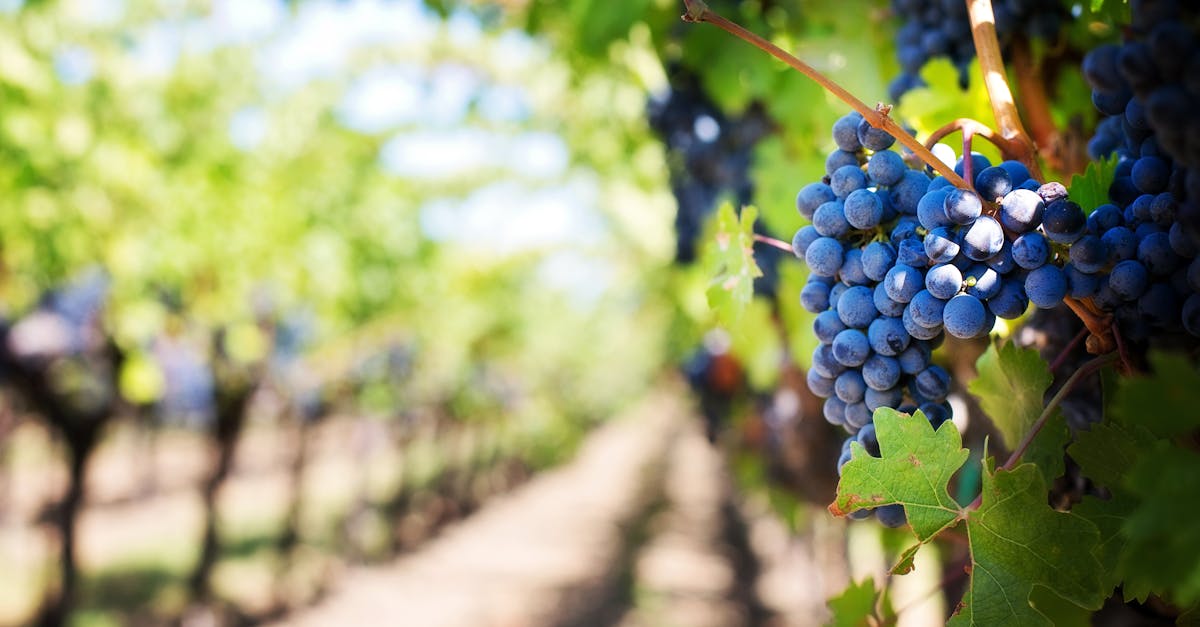
The reasons behind the dazzling success of an affordable gold medal-winning white wine
Analyzing this phenomenon, several fundamental elements emerge as potential drivers of this commercial boom. The first is the undeniable quality of the product, driven by a specific terroir in Southwest France, renowned for its generous vines and rich soils. The UBY N°3 cuvée, which won the gold medal in 2024, shines with its freshness, floral aromas, and subtle balance—characteristics that wine lovers particularly appreciate. Faced with often expensive competition, the ability to offer such a refined white wine for less than €6 truly breaks the mold, especially for those seeking both competitive quality and a reasonable price.
This success also relies on efficient distribution, notably via online sales platforms such as Cdiscount or specialized channels requiring well-established logistics and effective cost management. This approach allows for lower margins while maintaining impeccable quality, a real challenge in a sector where profitability can sometimes take a back seat.
Finally, the credibility provided by the gold medal attests to the wine’s quality, strengthening consumer confidence. Communication around this distinction then becomes a major driver for boosting sales. By combining these factors—value for money, official recognition, and strategic distribution—this vintage has become an essential alternative for a diverse clientele, ranging from novices to connoisseurs looking for good value.
This point fits perfectly with the evolution of the current wine market, where consumers no longer just want a good wine, but also an accessible product that fits their budget. To learn more about these trends, read This phenomenon in detail.Discover everything about wine: history, grape varieties, food and wine pairings, tasting tips, and a selection of the best vintages to enrich your wine experience.

The success of a wine depends not only on its intrinsic quality, but also on how it is presented to the public. The marketing campaign for this vintage successfully leveraged simplicity, proximity, and credibility. Highlighting the gold medal as a guarantee of authenticity reassures consumers, particularly in a sector where trust is essential. Transparency in communication, particularly through the display of precise information on the origin of the terroir, the production process, and certification, helps strengthen the credibility of this bottle.
Furthermore, the power of this strategy also lies in its digital aspect, with a strong presence on social media and collaboration with wine influencers who share their enthusiasm for this vintage. Highlighting the moderate price, coupled with testimonials from satisfied consumers, helps create a true community of loyal buyers.
This phenomenon highlights the need for producers to adapt to a new digital era where simplicity and transparency have become key criteria. The direct relationship with the customer also limits the number of intermediaries, which partly explains the possibility of offering such high-quality wine at an ultra-competitive price. To see how these strategies translate into practice, view this sales approach.
Discover the world of wine: grape varieties, food and wine pairings, tasting tips, and news about wine regions. Master the art of choosing and savoring the finest vintages. Economic challenges and their impact on the quality wine market in FranceThis resounding success has direct implications for the wine market, particularly in terms of economic developments and consumption patterns. The favorable trend toward good value for money is pushing more and more consumers to favor accessible wines without sacrificing their desire for sophistication. The growth in sales of this Gold Medal-winning vintage at €6 is encouraging producers and distributors to rethink their business model. The communication campaign focused on simplicity and authenticity is thus becoming a lever for differentiation in an industry often perceived as elitist or expensive.
This trend could also lead to a redefinition of consumer expectations, as they become more demanding in terms of transparency, certification, and traceability. Recognition through a gold medal is therefore a powerful argument in the market. These developments confirm that the strategy of offering a Gascony white wine at a very good price, as well as its positioning in an accessible segment of quality wines, could well become a new benchmark model in 2025.
For a detailed analysis of the economic impact, you can consult this dedicated article.
Future Prospects for the Moderately Priced Wine Market in France
This phenomenon is undoubtedly only a prelude to a lasting transformation of the French wine landscape. The ability to produce and promote affordable, quality white wine represents an opportunity to develop a more inclusive market, fostering the democratization of wine. According to several experts, the trend toward simplicity and authenticity could boost the popularity of moderately priced wines, particularly in a context where online consumption and direct sales are growing every year.
Early feedback indicates that demand for award-winning, low-priced wines, particularly from the Southwest, is expected to continue growing in 2025 and beyond. This trend reflects a reshuffling of the cards, where commercial innovation and transparency are becoming the cornerstones of success. The role of digital distribution, combined with communication based on sincere exchanges with customers, could pave the way for new consumption models that are more democratic and respectful of the French terroir. To explore these perspectives, follow this in-depth analysis.Source: