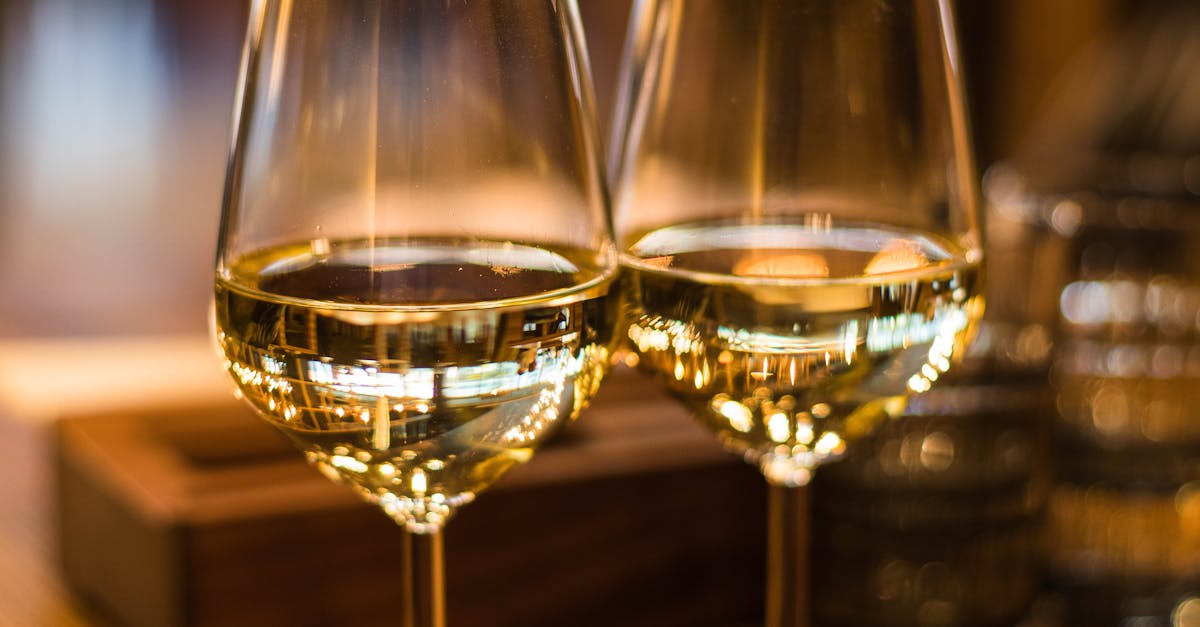
Wine, this age-old potion, holds a special place in the hearts of wine lovers and novices alike, revealing an infinite palette of sensations each time. Beyond its simple alcoholic component, it embodies a true experience for the senses, inviting you on a unique sensory journey. Tasting thus becomes an adventure where each step, from sight to smell, through taste, combines to reveal the richness of a terroir, expertise, or even emotion. In 2025, technological and oenological discoveries have only increased the complexity and finesse of this practice, making each tasting more enriching. Whether it’s a Bordeaux, a sumptuous Château Margaux, or a dazzling Laurent-Perrier Champagne, each bottle tells a story, evokes a landscape, or conjures up a special memory.
This pleasure, often shared during convivial moments, forges bonds and fosters encounters among wine lovers. Vines, grown in iconic regions like the Côte du Rhône, or in lesser-known but equally passionate vineyards, contribute to this collective experience. The creativity of modern winemakers, such as Maison Roche de Bellene or Vignobles Foncalieu, combines tradition and innovation to offer wines that are ever more expressive and accessible. As for local wines, they are more economical, but nonetheless remain vectors of conviviality and simplicity in shared pleasures.
In this warm atmosphere, each glass becomes an allegory of human expertise, a celebration of nature and its array of terroirs, whether tasting a Sauternes or discovering the subtleties of a Domaine de la Romanée-Conti wine. This sensory palette resonates particularly well in the way wine lovers comment and explain their feelings, making each tasting both an intimate and collective experience. The emotional dimension is often at the heart of the tasting, discovering in each sip a reflection of the history and courage of those who worked the vineyard.
Wine thus becomes much more than a simple beverage: it is a true vehicle of emotions, culture, and sharing. Tasting, shaped by our olfactory, gustatory, and tactile perceptions, reveals itself as a true sensory experience. Recent discoveries show that science and oenological practice are converging to better understand how this experience can transport us and make us feel profound emotions. Whether it’s a Moët & Chandon Champagne, a symbol of celebration, or a Bordeaux wine of unparalleled richness, each glass is an invitation to explore, to experience, to share.
This sensory journey, embodied by a multitude of grape varieties, wine-growing sectors, and winemaking styles, allows each taster to refine their palate and heighten their sensitivity. The world of wine, rich in traditions but also in innovations, offers a multitude of resources to discover its subtleties. From classes to group tastings and sensory workshops, everything is done to reveal the complexity and emotion a simple glass can contain. The pleasure is not limited to the tasting itself, but also extends to the encounters, the sharing of knowledge, and the shared joy of a fine wine.
The various wine-producing regions, from Savoie to southwest France, including Champagne and Burgundy, offer landscapes and traditions that enrich this experience. The local culture, the variety of grape varieties, and the philosophy of artisan winemakers all contribute to making wine a true cultural heritage. All orchestrated to excite each sense, spark memories, and awaken curiosity about the wine world in all its diversity.
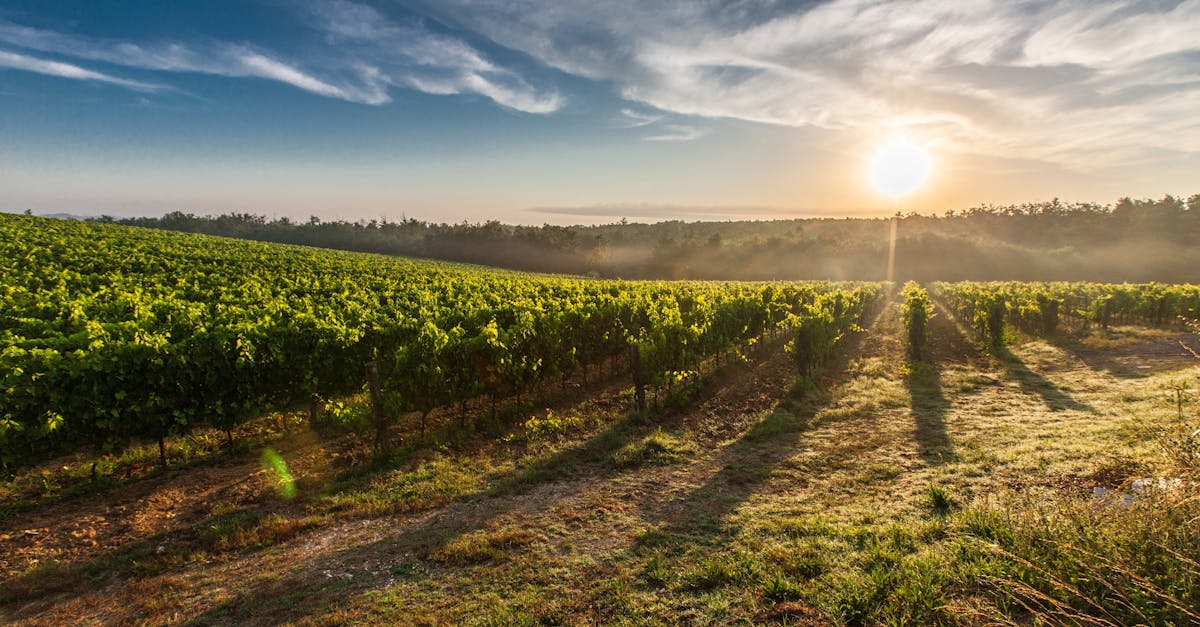
Why wine tasting is an unparalleled sensory experience 🍷
Combining taste pleasure with emotions and memories is what makes wine tasting such a rich and personal experience. It engages the entire sensory palette, discovering in turn the depth of aromas, the complexity of flavors, and even the texture of the wine. The impact of this experience often goes beyond a simple appreciation of the wine’s intrinsic qualities to become an inner journey, a true awakening of the senses. The different stages of tasting, from observation to palate, reveal nuances that the nose alone could not perceive.
Experts regularly emphasize the importance of pairing each wine with its terroir and grape varieties to fully appreciate its richness. For example, a prestigious Bordeaux such as Château Margaux evokes finesse and balance, while a Côtes du Rhône often offers more power and spontaneity. The science behind this sensory experience is based on various studies, such as those available at https://www.researchgate.net/publication/349138650_Le_vin_et_l’eveil_des_sens, which detail how our senses interact to produce an emotional response.
Instinct, olfactory memory, and the ability to differentiate aromatic subtleties play a key role in this adventure. Synchronizing vision, smell, taste, and touch also promotes better mastery of wine, but above all, this practice encourages self-recognition and one’s relationship with tasting. The richness of the taste also allows winemakers, such as those at Domaine de la Romanée-Conti, to refine their methods to bring out the wine’s finesse and complexity.
A tasting is therefore not just a simple act, but a truly emotional moment where the wine tells a story. The work of the winemaker, whether in Champagne Laurent-Perrier or in the Bordeaux region, translates into unique sensations in each glass. The search for this sensory depth becomes a goal in itself, driven by curiosity and a passion for winemaking. In 2025, this research continues to improve thanks to new techniques and a better understanding of human sensory reactions, notably through studies such as those found at https://monde-du-vin.fr/degustation-et-evaluation/le-vin-un-veritable-plaisir-pour-les-sens/. For some, experimenting with local wines or discovering less expensive wines such as those available here https://vin-et-chocolat.fr/vins-moins-de-10-euros-2/ allows you to discover an often overlooked diversity, while retaining the emotional dimension essential to any tasting.
Discover the fascinating world of wine! Explore the different varieties, wine-growing regions, and food pairings that will enhance your meals. Immerse yourself in the art of tasting and let your senses vibrate to the rhythm of refined aromas and delicate flavors. Whether you’re a novice or an expert, wine will no longer hold any secrets for you!
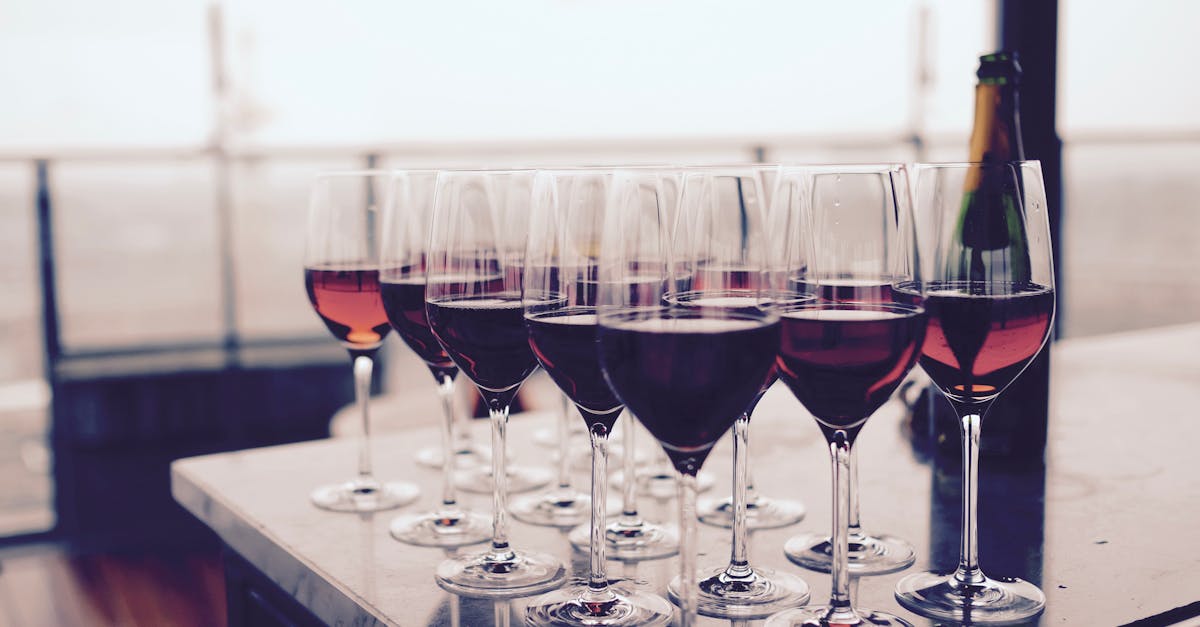
Terroirs play a fundamental role in the richness and diversity of wines. From the Côte du Rhône to the Bordeaux region or Savoie, each territory has its own specific characteristics that influence winemaking and taste. The topography, climate and soil characteristics give each wine its own identity, often expressed through figures such as the Laurent-Perrier Champagne wines or the range of Vignobles Foncalieu wines.
Winegrowers, whether traditional or modern, strive to reveal these specificities to satisfy an ever more curious public. The finesse of a Champagne or the power of a Côtes du Rhône wine tell the story of a place, of ancestral know-how, and often of innovative methods. For example, certain areas use rare or ecological techniques found in regions such as Alsace or Bugey, where viticulture respects the environment as much as local character.
Natural or organic wines also illustrate this desire to respect nature and promote the typicality of grape varieties. Tasting then becomes an exploration of the differences in textures, colors and aromas that arise from these unique terroirs. A summary table of the main characteristics of French terroirs could help to better understand this diversity:
Region
| Main features | Iconic examples | Type of wine | Bordeaux |
|---|---|---|---|
| Clay-limestone lands, oceanic climate | Saint-Emilion | , Château MargauxPowerful and elegant red wines | Burgundy |
| Limestone soil, specific microclimate | Romanée-Conti, Maison Roche de Bellene | Refined and complex wines | Côtes du Rhône |
| Shale or clay soils, abundant sun | Wines from Vins de Pays, Côtes du Rhône | Fruity and spicy wines | Alsace |
| Granite and schistose soil, continental climate | Alsace wines – Ecological specificities | Aromatic white wines | The terroirs therefore offer an eclectic palette that goes well beyond simple geography, since it also encompasses a cultural, historical and ecological dimension. The diversity of wine-growing practices, such as organic or biodynamic farming, accentuates this sensory richness. The tasting then becomes a real immersion in a territory, each glass being a window open to its landscapes and its stories. |
Additionally, the way each terroir influences wine is fueling a growing interest among younger generations, who are often curious to understand the origins of the products they consume. Tasting is no longer just culinary, but also educational, allowing us to better grasp the complexity behind a simple glance or a first olfactory impression. To further this approach, resources such as https://vin-et-chocolat.fr/meilleures-ressources-vin-sud-ouest/ provide valuable tools for exploring this diversity.
Discover the fascinating world of wine: exquisite varieties, tasting tips, and food and wine pairings to enhance every occasion. Dive into the art of oenology and learn to appreciate the nuances of grape varieties from around the world.
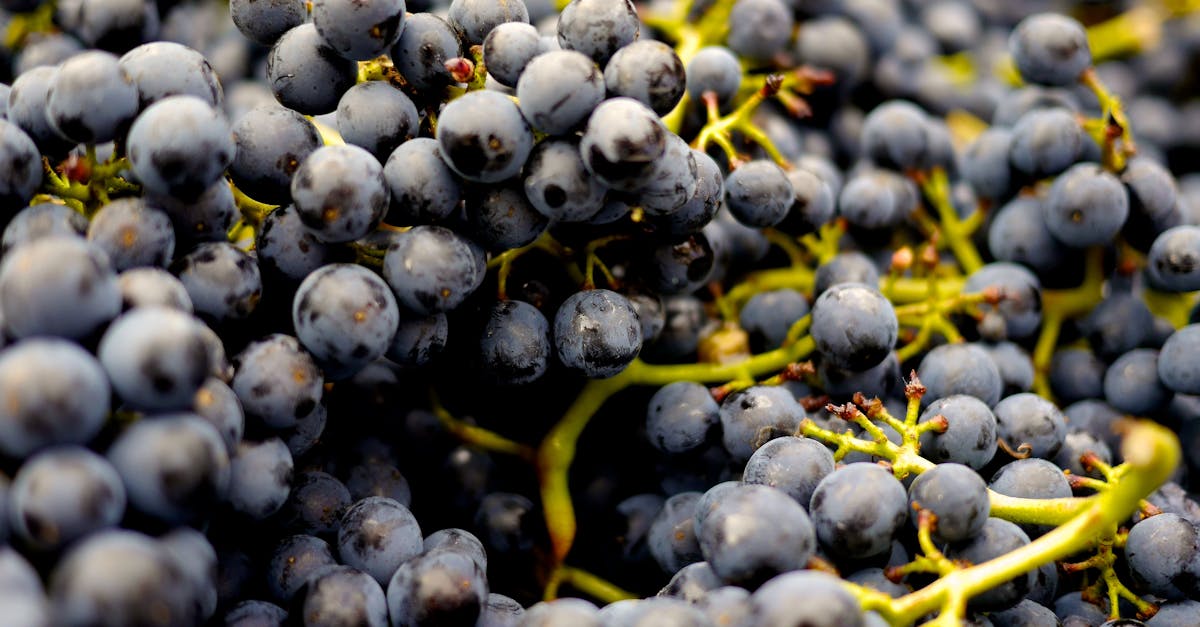
The world of wine continues to evolve, incorporating new techniques and technological innovations to enhance the consumer experience. Virtual tastings, interactive training sessions, and the use of mobile apps have become commonplace. They allow visitors to better understand aromatic richness, refine their vocabulary, and discover lesser-known or more affordable wines. The wine community is enriched by international exchanges, including those from prestigious estates such as Champagne Moët & Chandon and Vins de Pays.
The emergence of wines made from ecological niches or using natural inputs is also generating growing interest. Organic viticulture, particularly in Savoie and Bugey, promotes a more authentic expression of local grape varieties. The trend is toward transparency, with precise labels detailing the winemaking method, allowing everyone to choose according to their preferences.
Younger generations, increasingly sensitive to eco-responsibility, are also looking for affordable wines. Innovative formats or moderately priced wines, such as those available at https://vin-et-chocolat.fr/vins-moins-de-10-euros-2/, are facilitating this democratization. Technology plays a key role in highlighting these offerings, as does the development of interactive wine events and educational podcasts. The real evolution in 2025 lies in the ability to combine tradition and innovation to excite all the senses, while respecting the environment.
This new horizon in wine culture also encourages the cultivation of a certain simplicity and a focus on sharing, with conviviality remaining the very essence of wine-tasting encounters. The search for innovative wines and winemaking methods, adapted to the times and current tastes, continues to enrich this sensory adventure, while being more accessible and responsible. Frequently Asked Questions 🌟
How can I best enjoy a wine tasting?
It’s recommended to observe the color, smell the wine’s nose, and then taste it, paying attention to the different sensations in the mouth. Taking notes can also help refine my palate.
- Which wines should I choose for a first sensory experience?
Fruit-Vins de Pays wines or less expensive champagnes like Laurent-Perrier offer great introductions. The key is to prioritize simplicity and conviviality.
- How can I develop my wine vocabulary?
Participating in workshops, reading specialized guides, or using dedicated mobile apps allows me to gradually acquire the vocabulary adapted to taste and olfactory analysis.
- Do organic wines have a different flavor?
They often more faithfully express the terroir and grape varieties, with a more authentic taste identity, thanks to environmentally friendly winemaking methods.
- What role does science play in the perception of emotions related to wine?
Studies such as those accessible via https://shs.hal.science/halshs-01756541/document show how our senses combine to generate emotional and cognitive responses to each tasting.
- Source:
www.bienpublic.com