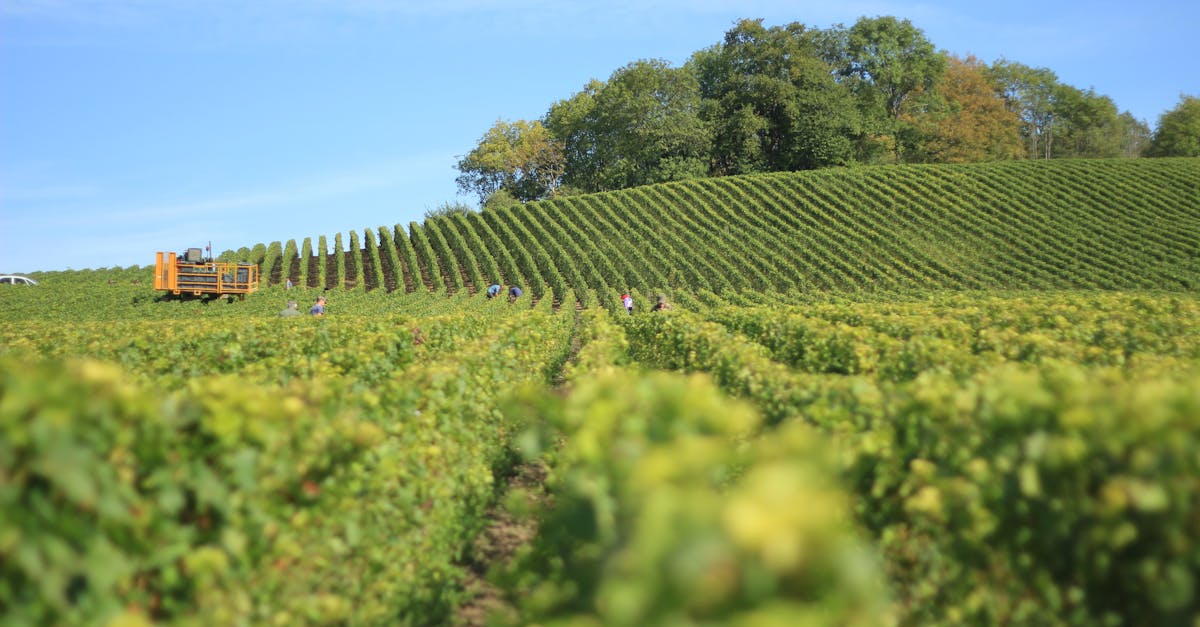
Burgundy is often considered the birthplace of some of the world’s most prestigious wines, thanks in large part to Pinot Noir, a delicate and capricious grape variety that has fascinated wine lovers and winemakers for centuries. More than just a grape, Pinot Noir is a true symbol of this region, producing wines with rich, refined, and deep nuances. Restoring one’s ties with the Burgundian terroir means touching the soul of a vineyard shaped by time, where every sunstroke, every limestone stone, every breath of wind is expressed in a glass. Domaine de la Romanée-Conti, Louis Jadot, Domaine Faiveley, and Domaine Armand Rousseau hold this torch high, perpetuating traditions that pay homage to a unique grape variety. Discovering Pinot Noir in Burgundy also means understanding its close relationship with the soil and climate, as well as its ability to adapt and reinvent itself, across terroirs and vintages. We’ve put together this guide to help you discover this mysterious grape variety, from the hillsides of the Côte de Nuits to behind the scenes at the great wineries that write winemaking history with each harvest. With anecdotes, historical references, and a deep dive into the many facets of Burgundy wine, the essence of Pinot Noir reveals its most beautiful side. Pinot Noir, the emblematic grape variety of Burgundy wines: a history rooted in the terroirPinot Noir is not a grape variety like any other, especially in Burgundy where it is the beating heart of almost all red appellations. This wine-growing region imposes a rigorous framework and a thousand-year-old culture that have shaped a unique identity, inseparable from this grape.
Native to northeastern France, Pinot Noir takes its name from the characteristic shape of its grape clusters, which resemble small pine cones. It is an ancient grape variety, whose history dates back several centuries, having been planted extensively since Gallo-Roman times. In the Middle Ages, Cistercian monks encouraged its expansion, particularly in the Côte d’Or. It was they who, through their vineyards, instilled the essential know-how for producing the fine and elegant wines we know today.
In Burgundy, Pinot Noir thrives on rich limestone soils, particularly in terroirs such as those embodied by the Domaine de la Romanée-Conti or the famous vineyards of the Côte de Nuits. These lands, often steep and perfectly filtering water, allow the grapes to ripen slowly, producing wines with exceptional vibrancy. 🌿 A rare sensitivity to weather, between the risk of spring frost and the need for a perfect balance between freshness and warmth
🍇 Small, compact bunches, easily recognizable by their cylindrical shape and thin skin
🏡 A fragile vine that requires care, disbudding, and constant attention, typical of iconic estates like
Bouchard Père et Fils or Joseph Drouhin These characteristics explain why Pinot Noir is a real challenge for winemakers, but also why it produces bottles of rare complexity and finesse. Its history, skillfully linked to that of Burgundy’s great vintages, reveals the subtle marriage between nature, tradition, and a constant quest for perfection. Key Element 🍷 Characteristics in Burgundy 🏞️
- Origin
- Ancient grape variety from northeastern France, cultivated since Gallo-Roman times
- Ideal Soil Naturally drained limestone soils of the Côte d’Or Cultivation Care Highly fragile, requires disbudding and protection against disease
Iconic Vineyards
| Domaine Faiveley, Domaine Armand Rousseau, Domaine des Comtes Lafon, Château de Pommard | Discover Pinot Noir, an iconic grape variety renowned for its refined aromas of cherry and raspberry. Explore the subtle nuances of this elegant red wine, perfect to accompany your meals or enjoy on its own. Immerse yourself in the fascinating world of this wine, a symbol of prestigious terroirs. |
|---|---|
| The role of monasteries in the spread of Pinot Noir | More than a simple historical curiosity, the spread of |
| Pinot Noir | owes much to the Cistercian monks located in Cluny or the Abbey of Citeaux. These monks were able to select the best terroirs and pass on cultivation methods that have survived through the ages. This influence still contributes to the prestige of Burgundy’s Grands Crus today. |
| Pinot Noir and Burgundy’s Terroir: An Unbreakable Bond | Wines made from Pinot Noir have the particularity of reflecting the slightest variations in the terroir. For example, a wine produced in Gevrey-Chambertin won’t have quite the same texture as another from Vosne-Romanée. This intrinsic diversity and finesse have enchanted wine lovers for centuries, particularly those seeking an authentic, flawless experience. |
| The organoleptic characteristics of Pinot Noir that make Burgundy soar | The magic of Pinot Noir is revealed in the glass: it seduces with its fruity aromas, its tannic finesse, and a freshness that invites tasting. In Burgundy, it expresses a rich aromatic palette, with notes of cherry, raspberry, and sometimes a slight floral edge. You also often sense an earthy aroma, subtly reminiscent of undergrowth, mushrooms, or even tea. |
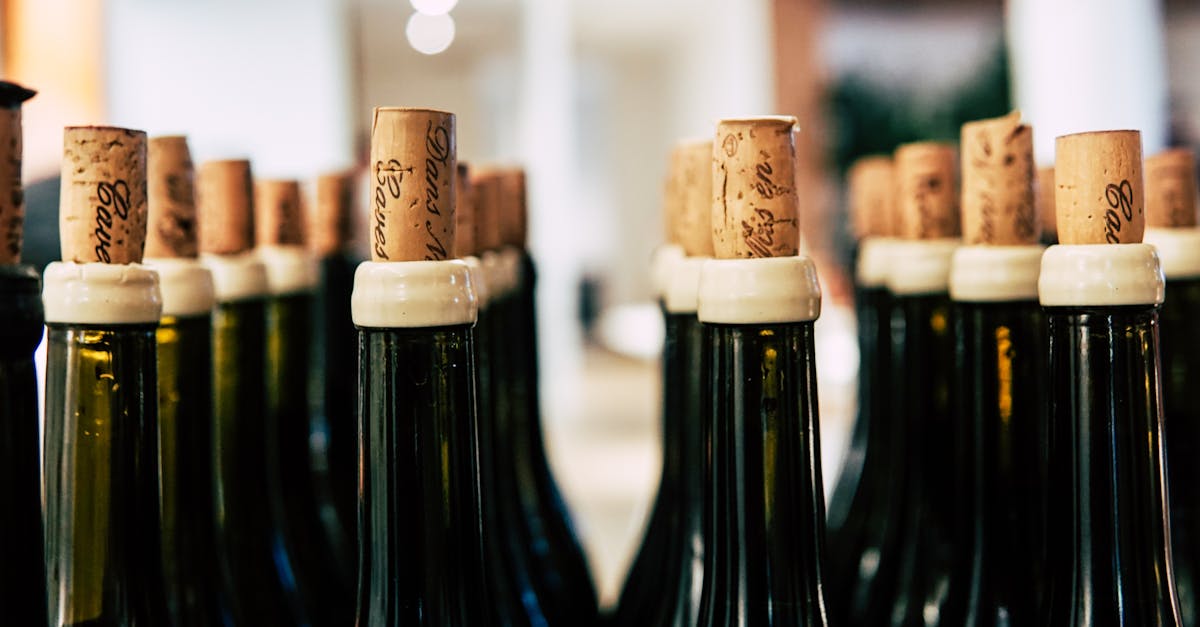
🍒 Light and elegant wines, close to fresh fruit, perfect for summer tasting or with a light meal.
🌿 Denser and more complex wines, with spices and a more pronounced tannic structure, often from the Côte de Nuits regions. 🍄 Mature wines, with powerful aromas of undergrowth and leather, revealed by cellaring. You should also play the trump card when it comes to temperature: Pinot Noir expresses itself best chilled, between 12 and 15°C, not at classic room temperature. This little trick allows its fruity and acidic notes to shine through, preventing it from becoming too heavy or alcoholic.
Characteristics 🍷
Expressions of Pinot Noir in Burgundy 🏞️
Color
Ruby, brilliant when young; Brick-red hues with age
Main Aromas
- Cherry, raspberry, flowers, undergrowth, mushrooms, leather
- Tannins
- Moderate and silky, softening with age
Acidity
| High, freshness characteristic of the Burgundy climate | Aging Potential |
|---|---|
| 5 to 10 years, or even longer for some Grands Crus | The subtlety doesn’t stop there: Pinot Noir also produces sparkling wines such as Champagne, often blended with Pinot Meunier and Chardonnay. Some “Blancs de Noirs” vintages are even sensational, such as the rare |
| PN VZ16 from Bollinger | , made exclusively from pure Pinot Noir from the village of Verzenay. This geographical curvature outside Burgundy highlights the nobility and versatility of this grape variety. |
| Discover Pinot Noir, a noble and elegant red grape variety, renowned for its red fruit aromas and velvety texture. Explore the wine regions that bring out this complex wine and delve into the fascinating world of food and wine pairings. | Tips for fully appreciating Pinot Noir |
| To achieve the perfect tasting experience, it is highly recommended to use a suitable glass, generally a Pinot Noir glass with a wide bowl that allows the delicate aromas to fully develop. The glass from Riedel’s Veritas range is a must-have for discerning connoisseurs. These shapes vary slightly depending on whether you’re talking about Pinot Noir from Burgundy or New Zealand, but the base remains an ideal envelope that lends the wine its full power. | 🍷 Serve between 12 and 15°C |
| 🕰️ Open the bottle a little in advance to let the wine “breathe” | 🔍 Observe the color, smell several times, and taste in small sips |
📅 Cellar the finest vintages for 5 to 20 years, depending on their quality Iconic producers: the names that make Pinot Noir vibrate in BurgundyBurgundy is also the story of the houses and estates that have made Pinot Noir famous. Certain estates, such as Louis Jadot and Joseph Drouhin, embody this combination of expertise and passion passed down from generation to generation. They produce accessible vintages and prestigious premier crus. Other historic vineyards, such as Château de Pommard and Domaine Faiveley, offer distinguished wines that blend tradition and modernity. Here are a top 5 wineries to follow to discover different expressions of this prestigious grape variety:
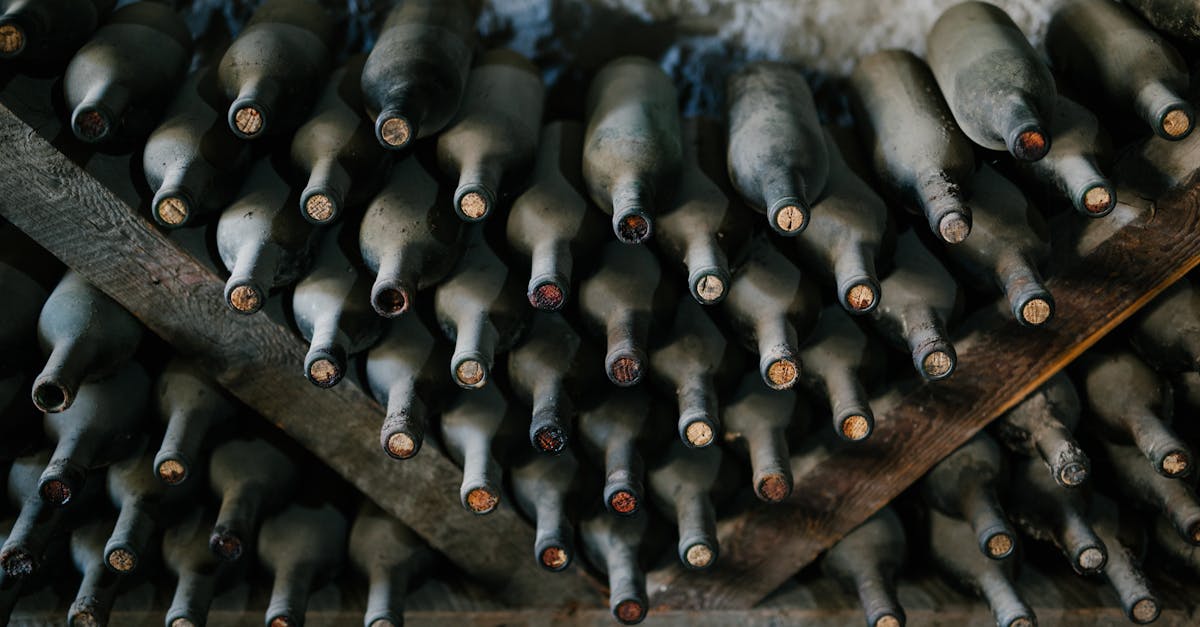
Domaine de la Romanée-Conti
: the ultimate Pinot Noir icon, with its aristocratic Grands Crus
- 🍷
- Louis Jadot
- : a wide range, from fruity wines to the noblest Premiers Crus
- 🌿
Bouchard Père et Fils
: expertise combining modernity and respect for the terroir 🍒 Joseph Drouhin : finesse and elegance in every bottle 🏡 Domaine Armand Rousseau : recognized for its powerful and complex wines Producer 🍇 Specificities 🏅
Main region or appellation 📍
- Domaine de la Romanée-Conti Very rare wines, world-renowned Vosne-Romanée
- Louis Jadot Wide range, consistent quality Côte de Beaune and Côte de Nuits
- Bouchard Father and Son Modern, respected terroir Beaune, Pommard
- Joseph Drouhin Elegance and subtlety Burgundy and Côte de Nuits
- Domaine Armand Rousseau Rich and complex wines Gevrey-Chambertin
| These names refer not only to quality, but also to the image of a Pinot Noir that knows how to impress. Their strength lies in the balance between tradition and innovation, between terroir and winemaking. To taste these wines without any hassle, you can also find very good advice on | vin-et-chocolat.fr | , which offers tips to satisfy all your wine cravings. |
|---|---|---|
| How the Burgundian terroir sublimates Pinot Noir | There is no essence of Burgundy without a terroir that tells its own story. The continental climate, the limestone soils and the ancestral work of the winegrowers together create a perfect canvas where all the complexity of Pinot Noir is expressed. | In Burgundy, each micro-terroir has its unique characteristics: |
| ⛰️ The famous escarpment of the Côte d’Or, with its range of soils and exposures | 🪨 The presence of limestone, which balances the water and provides the typical minerality | 🌬️ A cool climate which promotes the development of beautiful acidity |
| 🌱 The microclimate specific to each plot, which subtly modifies the style of the wine | This natural wealth is one of the reasons why the region is home to Grands Crus with a unique reputation, like those that we explore in detail on this page dedicated to | great Burgundy wines |
| . The complexity of this terroir also allows houses like | Domaine des Comtes Lafon | to produce wines of incomparable finesse and depth. |
| Element of the terroir ⛅ | Effect on Pinot Noir 🍇 | Nature of the soil (limestone, clay) |
Influences minerality and texture in the mouth Sun exposureDetermines grape maturity and aromatic concentration
Altitude and slope
Impacts freshness and acid balance
Growing practices
- Respect for the soil and manual harvesting promote quality
- This terroir-Pinot Noir marriage is the key word that makes
- Burgundy wines
- so unique and sought-after worldwide. It embodies everything one would expect from an elegant yet personality-driven wine, capable of pairing with any dish, whether simple or sophisticated. To better play this pairing, you can take a look at this selection of the
best food and wine pairings , a must-have for hitting the right note at the table.Discover Pinot Noir, an iconic grape variety known for its delicate red fruit aromas and velvety texture. Immerse yourself in the world of refined wines from diverse terroirs and let yourself be seduced by its complexity and elegance on the palate. Perfect to accompany your meals or to enjoy on its own. Pinot Noir’s Influence Beyond Burgundy: Heritage and Modernity While inseparable from Burgundy, Pinot Noir is also present in other regions of the world, helping to expand its legend. In 2025, its vineyards are multiplying, notably in the United States (California, Oregon), New Zealand, and even in Champagne, with remarkable vintages. This expansion is a testament to a grape variety that adapts, yet never loses the finesse inherent to its Burgundian origins. In the New World, producers such as those in the Willamette Valley (Oregon) and Central Otago (New Zealand) are bringing modern ways of vinifying and expressing Pinot Noir, often more oriented toward fruit purity and an immediately accessible style. But the Burgundian style remains the ultimate benchmark, with its earthy nuances and elegant structure.
| 🌎 Pinot Noir as an International Ambassador of Refinement | ⚖️ A successful adaptation to varied terroirs, but always in a quest for balance |
|---|---|
| 🍾 Its crucial role in Champagne, with some impressive 100% Pinot Noir Champagnes | 🌱 The intersection of tradition and viticultural innovations to preserve its quality and complexity |
| Historic producers such as | Bouchard Père et Fils |
| or | Joseph Drouhin |
| continue to inspire these trends. Their ability to combine heritage and modernity echoes the timeless dimension of Pinot Noir, a grape variety that never leaves anyone indifferent. You can explore this aspect of Pinot Noir and its relationship with the Champagne terroir in this precious link: | impact-terroir-wines-champagne |
. Pinot Noir and food and wine pairings without the hassle If you’re looking for a versatile dining companion, Pinot Noir is an excellent choice. Thanks to its moderate tannins and liveliness, it pushes the boundaries of classic pairings. This wine pairs well with Mediterranean dishes as well as more exotic or refined dishes. 🦆 Roast or glazed duck, a classic that never disappoints🍄 Mushroom dishes like porcini risotto
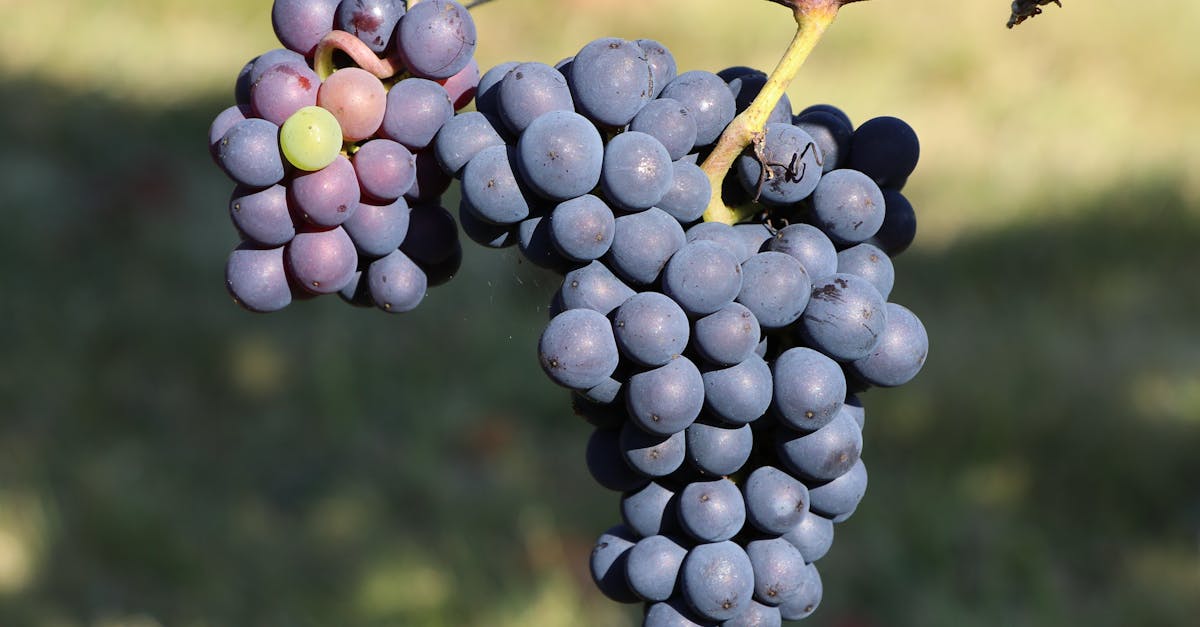
🍖 White meats and fine charcuterie
🧀 Mild cheeses: Brie, Comté, or even fresh goat cheese
This diversity of pairings allows you to discover Pinot Noir in a different way, without hassle and always with pleasure. To delve deeper into this subject, we highly recommend taking a look at this guide to
- dishes to drink with different wines
- , rich in ideas for all palates.
- Dish 🍽️
- Pairing with Pinot Noir 🍷
Why does it work? 🤔 Roast Duck Pinot Noir from the Côte de Nuits The meaty texture of the duck complements the wine’s roundness and spicy aromas Porcini Mushroom Risotto Elegant and Earthy Pinot NoirThe wine’s woody notes pair perfectly with mushrooms
Grilled Salmon
Fresh and fruity Pinot Noir
- The acidity of the wine balances the rich flavor of the salmon
- Brie or Comté
- Light Pinot Noir
- The roundness of the cheese complements the finesse of the wine
- FAQ: Everything you need to know about Pinot Noir in Burgundy
Why is Pinot Noir so difficult to grow? Because it is susceptible to disease and frost, and requires careful pruning and disbudding to ensure proper ripening of the grapes.What are the great Pinot Noir terroirs in Burgundy?
| The most prestigious are located in the Côte de Nuits, with legendary appellations such as Vosne-Romanée, Gevrey-Chambertin, and Nuits-Saint-Georges. | How can you recognize a true Burgundian Pinot Noir? | It has a light ruby color, aromas of red fruits, elegant acidity, and sometimes a complex earthy touch. |
|---|---|---|
| Can Pinot Noir age for a long time? Yes, some great vintages can be aged for several decades, developing subtle notes of leather, undergrowth, and candied fruit. | What dishes should you pair with a Pinot Noir? | It’s excellent with duck, mushrooms, grilled salmon, or mild cheeses like Brie and Comté. Discover more ideas in this food and wine pairing guide. |