The Mediterranean sun, the vines that stretch their arms over rich hectares, and these bottles of rosé so popular, sometimes so expensive… Why do certain wines from Provence display prices that raise eyebrows? Between a history well anchored in the terroir, a global demand that continues to grow, and climatic challenges that shake up production, the region faces a cocktail of elements that weigh heavily in the final bill for your favorite bottle. Let’s get to the bottom of this reality, without getting carried away and by getting everyone to agree.
You should know that Provence wines represent a massive portion of rosé, largely destined for various international markets which love their freshness and elegance. The terroir is king, but it also brings with it its share of constraints and particularities, which quickly become key factors in setting a price. Big names like Château de Pibarnon, Domaines Ott, or even Château Miraval, all have their habits and secrets, which often translate into a premium label.
Furthermore, climate change is not kind to French wine regions, and Provence is no exception. Extreme variations in weather, episodes of drought, and this tension on water resources do not leave winegrowers unmoved. The result? A constant adaptation, from cultivation to winemaking, which necessarily involves more costs. Also think about investing in technologies such as cooling systems, to maintain the freshness which makes all the difference to Provençal rosé.
Balancing quality, environmental friendliness, and yield has become a balancing act, and this influences both the price per bottle and the wine’s flavor profile. Producers like Domaine Tempier, Château Roubine, and Domaine de Saint-Jean rely on organic or High Environmental Value practices, which are appealing but cost a little more.
If you’ve ever looked at the market, you’ve probably noticed that the entry prices for a quality rosé from these wines are generally well above those of supermarket classics—a fact explained by a whole host of far-reaching factors. We’ve put together this guide to help you understand what lies behind these often high prices, with a nod to current issues and the region’s major players. 🎯
The Geographical and Historical Factors That Justify the Price of Provence Wines
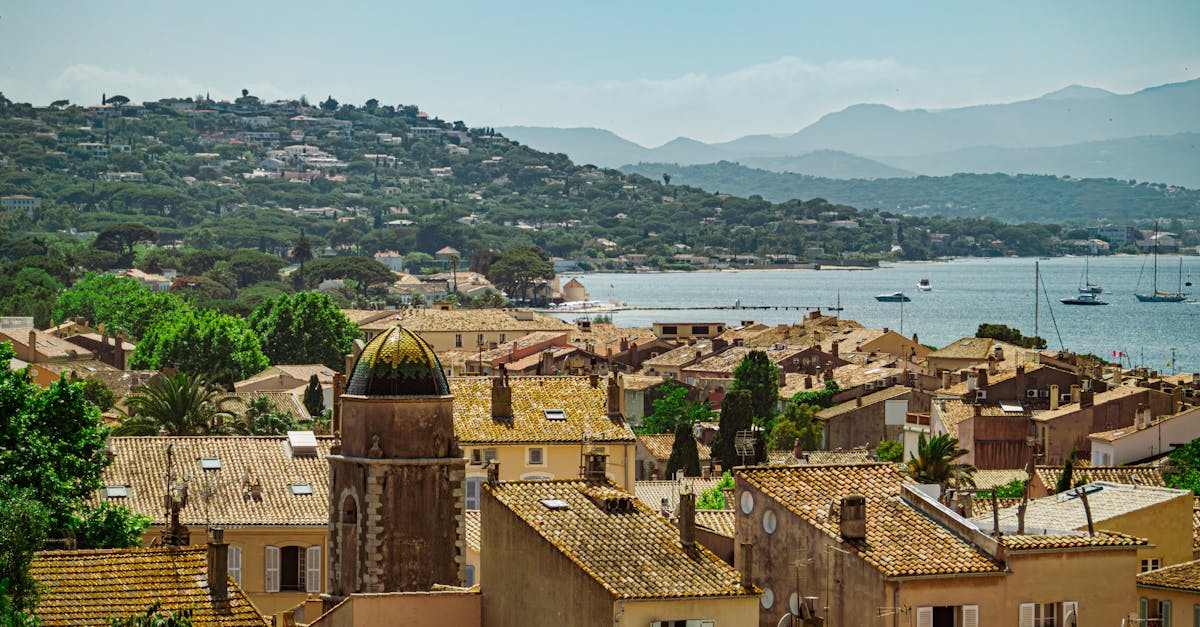
To get the right price, you first need to take a look at the wine list. Provence encompasses three departments and 28,000 hectares of vineyards, stretching from Fréjus to the Etang de Berre. A gigantic playground, divided into several appellations such as Côtes de Provence, Côteaux Varois de Provence, and Côteaux d’Aix-en-Provence. This geographical diversity is one of the pillars of the quality and complexity of the wines produced in this terroir.
At the heart of this region, each appellation conveys a strong identity, linked to varied soils, distinct altitudes, and, of course, microclimates that influence the wine’s aromatic profile. For example, at Château de Pibarnon, we find granite terroirs that produce wines with a very pronounced minerality. For its part, Domaine de la Bégude offers wines where freshness blends with depth, thanks to the diversity of its soils. These subtleties partly explain why some wines cannot be produced everywhere and justify a higher price.This geographical setting is also linked to an ancestral winemaking tradition, where iconic families and estates such as Domaines Ott and Clos Sainte Magdeleine have brought Provençal viticulture to international prominence. Their expertise and prestige are passed down from generation to generation, bringing real added value to their bottles. List of geographical and historical assets that influence the price: 🌞 Mediterranean climate with hot and sunny summers, but also climatic risks (frost, hail).
🌍 Variety of soils (granite, limestone, clay) for unique aromatic profiles. 🏡 Historic estates with international reputations (Château Miraval, Domaine Tempier). 📜 Strict appellations guaranteeing controlled and distinctive quality. 🍇 Local grape varieties adapted to the terroir, such as Cinsault, Rolle, or Grenache. Appellation Area (hectares)
Annual production (bottles) 🍾
- Proportion of rosé (%)
- Iconic Estates
- Côtes de Provence
- 22,000
- ~130 million
| 90% | Château de Pibarnon, Domaines Ott, Château Miraval | Côteaux Varois | 3,000 | ~20 million |
|---|---|---|---|---|
| 85% | Domaine Tempier, Château Roubine | Côteaux d’Aix-en-Provence | 3,000 | ~10 million |
| 80% | Clos Sainte Magdeleine, Domaine Alliance | Remember that these assets are the strength of Provence, but they also require significant investment. The prestige of the terroir imposes a high standard of quality that leaves no room for improvisation. It works quite well, especially for enthusiasts willing to pay the price for a unique taste experience. | Discover the world of Provence wines, an emblematic region of France renowned for its picturesque vineyards and iconic vintages. Explore the richness of flavors, from crisp rosés to robust reds, and let yourself be seduced by the authenticity of Provençal terroirs. | How is climate change driving up the price of Provence wines? |
| Climate change is the hot topic shaking up viticulture today. For Provence wines, the situation has changed: While cultivated areas have increased by 4% over the past ten years, production has declined by an average of 2% over five years. Why? Because hazards like frost, hail, and especially drought are no longer accidents, but the norm. These vagaries of the weather require winegrowers to be true chameleons, constantly adapting their practices to guarantee quality wine. For example, many estates like Domaine Tempier and Château La Dorgonne have had to invest in modern cooling systems because the natural coolness that normally comes from summer nights no longer hits the way it used to. This is a real plus on the bill, but essential to maintain the famous balance of Provençal rosé. | Another aspect is irrigation, now practiced on about a quarter of Provençal vineyards, a solution to smooth production during periods of drought. But at what cost, when water is starting to become seriously scarce in Mediterranean regions? Winegrowers fear the depletion of groundwater and must deal with severe restrictions, which inevitably increases production costs. | Main impacts of climate change on price: | 🔥 Investments in technological tools for temperature control ❄️. | 💧 Strict management and costs related to sustainable irrigation and water restrictions. |
🌡️ Adaptation of grape varieties with research and testing of resistant varieties.
📉 Lower yields, which reduces the quantity available for sale, therefore increasing the unit price.
Climatic Factor
Direct Consequence Effect on Price 💰 Frost and Hail Partial or Total Harvest Loss Increase
Drought
Necessary Irrigation
- Increased Costs
- Extreme Heat
- Investment in Air Conditioning/Cellar Storage
- Rising Costs
- Consumers in 2025 should expect rising prices, especially in the entry-level segment, but also to enjoy wines where the effort to preserve freshness is clearly visible. For the general public, this is often an encouraging sign of responsible consumption: fewer liters, but more finesse and authenticity.
| https://www.youtube.com/watch?v=CBhAGkHbh5g | The role of sustainable practices and their impact on the final price of wine in Provence | The “green” trend hasn’t bypassed Provence. More than half of the vines are now cultivated under the organic or High Environmental Value (HVE) label. This choice isn’t just greenwashing; it costs money and requires long-term thinking. The result? Estates like Domaine de Saint-Jean and Château Roubine aren’t just working to produce wines that are good to drink; they are committed to not sacrificing the most precious resource, particularly water, nor to overloading the soil. Adopting sustainable practices also means planting grass between the rows of vines to maintain soil moisture, trap carbon, and protect local biodiversity. This guarantees a vibrant soil, adds a bit of labor, and can, of course, justify a higher price for consumers who are aware of the issues. |
|---|---|---|
| Added to this is research into new grape varieties that are more drought-resistant and better adapted to the harsher conditions. You may have heard of Xinomavro or Verdero, these imported grape varieties tested for their potential. This work on viticultural biodiversity is a 10-15 year investment, and far from insignificant. | List of sustainable practices impacting the price of Provence wines: | 🌱 Strong organic and HVE certification for crop monitoring. |
| 👩🌾 Grass cover and ecological soil management. | ⚗️ Experiments with resistant grape varieties to adapt the vineyard. | ☀️ Green energy equipment: solar panels in the cellars. |
| 🔄 Bottle reuse systems to reduce the carbon footprint. Sustainable Practice | Objective | Price Impact |
Organic / HVE Certification
Increased Price (Labor & Monitoring)
Grass Coverage Improved Soil Quality and Biodiversity Management and Maintenance Costs Resistant Grape Varieties Adaptation to Future Climate
Long-Term Investments
Solar Energy
Reduced Carbon Impact
- High Initial Investment
- These efforts, while valued by an increasingly attentive clientele, can only be partially reflected in the price due to competition. However, they contribute to the sustainability of the quality production for which Provence is renowned.
- https://www.youtube.com/watch?v=PNr-F7jG90I
- Discover the enchanting world of Provence wines, where each sip reveals the sun, the earth, and the passion of the winemakers. Explore our selection of iconic vintages, from elegant rosés to powerful reds, for a unique sensory experience. When the fame of legendary estates raises the price of wine in Provence
- We don’t just talk about terroir or climate when we consider prices. Prestige also plays a major role. Names resonate, and some estates do more than just wine: they tell a story, create a universe. Take Château Miraval – also known for its connection to stars like Brad Pitt – or Domaine Tempier, which helped establish the reputation of Bandol. These labels strengthen the label and also boost the perceived value.
| Commercial strategy also makes a difference: relying on selected channels, valued vintages, or opting for limited editions creates economic momentum. The work on image and marketing means that the bottle is no longer just a product, but an object of desire. | Some key figures and phenomena to keep in mind: | 🎉 Participation in international events and trade shows to boost visibility. |
|---|---|---|
| 🛍️ Selective distribution through high-end brands or specialized channels. 🏷️ Rare vintages sold at premium prices. | 🎬 Celebrity connections for a glamorous image. | 📈 Growing international demand, particularly in the United States and Asia. |
| Estate | Notoriety | Average price of a bottle of rosé (€) 💸 |
| Value factor | Château Miraval | Very high (celebrity connections) |
| 45-60 | Storytelling + exclusivity | Domaine Tempier |
High (quality reputation)
Domaines Ott
International 30-45 Consistent quality Just play the joker card, understanding that behind a high price often lies a quest for excellence and careful management of a noble product. This bet on differentiation is a winning one, especially for those looking for more than just a rosé to enjoy on the terrace.Discover the wines of Provence, an iconic French wine region renowned for its crisp rosés, rich reds, and aromatic whites. Explore the unique characteristics of Provençal terroirs and indulge in the art of winemaking in this picturesque setting.
Distribution channels and the impact of the international market on the final price of Provençal wines
Where things get a bit tricky is in the distribution process. The path between the producer and you can be long and fraught with pitfalls. Provençal wine, especially from large estates, often passes through several intermediaries: merchants, distributors, and restaurateurs. Each adds their own margin. International demand is a powerful driver but also a challenge, as it drives prices upwards.
- Provençal wines target markets such as North America, Asia, and Northern Europe, where consumers are willing to pay for quality and the “Made in Provence” seal of approval. But as with any luxury or semi-luxury product, exporting raises additional costs: logistics, storage, local marketing, taxes, and sometimes regulatory constraints, such as those detailed at
- vin-et-chocolat.fr/interdiction-provence-vins/
- .
- This phenomenon is reflected in the price in stores or restaurants, especially when the bottle is as well preserved as the storage advice explained at
- vin-et-chocolat.fr/stocker-vin-provence/
| . And you’ll see that wines made from renowned and well-adapted grape varieties, detailed for example at | vin-et-chocolat.fr/cepages-vins-roses-savoie/ | , are as popular as the trends we follow closely thanks to | vin-et-chocolat.fr/tendances-vins-vallee-loire-2025/ |
|---|---|---|---|
| . | Main elements in the distribution channel impacting price: | 🚛 Logistics costs and international shipping. 🏪 Distributor and retailer margins. | ❄️ Investment in optimal preservation. |
| 💼 Local export marketing. | 📄 Customs regulations and taxes. | Stage in the chain | Nature of the cost |
| Effect on the final price 🍷 | Producer | Production costs, winemaking, sustainable certifications | Price basis |
Storage
Significant addition to the price
Distribution
Transportation costs, import-export, margins Significant increaseRetailer
Marketing, presentation, commercial margins Obvious additional costIt is becoming clear that the legally displayed price does not stop at the vine, but rather at your table, with a whole trajectory behind it. This is why Domaines Ott and Domaine Alliance invest heavily in communication and customer loyalty to enhance their image, even if it means raising prices a little while ensuring everyone agrees on quality. FAQ – Frequently Asked Questions about the Price of Provence Wines Why is Provence rosé often more expensive than other rosés?Because it combines exceptional terroir, tradition, modern techniques, and respect for the environment, not to mention strong international demand. All of this is reflected in the bottle. Are organic Provence wines necessarily more expensive?Organic certification and sustainable practices result in additional production and monitoring costs, which are reflected in the final price, although some producers are trying to limit this increase.
How does climate change affect wine prices?
- It requires greater investments to protect vines, reduce harvest losses, and maintain quality, which inevitably leads to higher prices.
- Does a winery’s reputation always justify a high price?
- Often yes, because reputation is built on quality and prestige, but the price can also reflect marketing ploys or exclusive positioning. How does distribution impact the price of wine?
- Between transport costs, intermediary margins and international marketing costs, the distribution chain often increases the final bill both in stores and in restaurants.