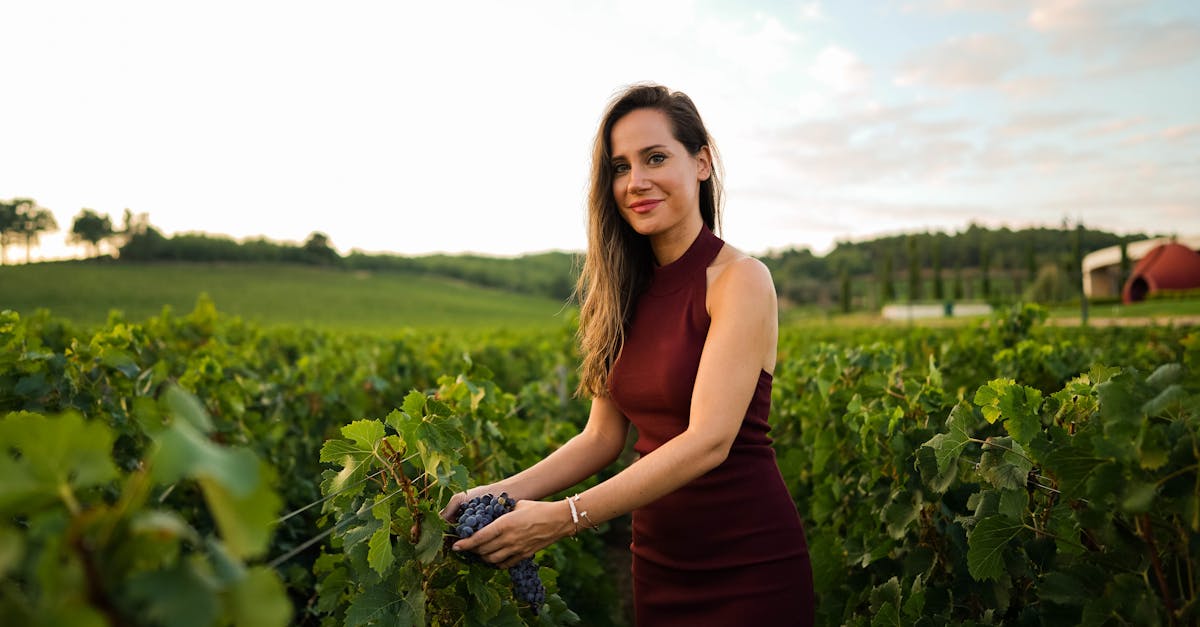
The vast and diverse vineyards of the Southwest have never ceased to fascinate with their richness. In 2025, this mosaic of terroirs continues to establish itself as a true wine treasure with its numerous appellations spread across four distinct areas: the foothills of the Massif Central, the middle Garonne, the Bergeracois and Duras, and the Pyrenean foothills. Thought you knew it all? Wait until you discover just how unique this region is thanks to its ancestral grape varieties and its passionate producers, who compete in audacity and authenticity to promote wines as varied as they are emotional. Here’s an overview that will take you from Gaillac to Madiran, via Cahors and Irouléguy, to meet these artisans of taste who embody the spirit of the terroir in the face of the challenges of 2025.
Because beyond pure diversity, these Southwest players offer a strong identity and a new dynamic. Winemakers are constantly adjusting their strategies, balancing centuries-old traditions with sustainable innovations to meet a rapidly changing market. You’ll see how some estates, such as Domaine de la Janasse or Château Montus, stand out for their excellence, while others, more confidential, maintain their focus on family-oriented and environmentally friendly practices. From local grape varieties to quality production and redesigned marketing channels, this journey to the heart of Southwest France’s wine producers gives you all the keys to understanding their secrets in 2025. Discover the world of wine producers, where tradition and innovation meet to offer you exceptional vintages. Explore the passion and expertise of the winemakers who craft unique wines that reflect their terroir. Dive into tasting tips, wine events, and much more. What are the key profiles of Southwest wine producers in 2025? We can’t talk about Southwest producers without mentioning the incredible human and professional diversity that drives this region. Here, the majority of estates have been run by passionate families for generations, sometimes even since the Middle Ages. Alongside this, an entrepreneurial revival has emerged, with young winemakers and investors looking to revitalize lesser-known appellations. Let’s break it all down for you: Traditional Winemakers, Guardians of HeritageThese are often family businesses that perpetuate ancient expertise. These historic producers like to preserve their local grape varieties such as Tannat, Négrette, or Petit Manseng, emblematic of the terroir. Domaine Bielle, for example, located in Madiran, perfectly illustrates this philosophy, with a production that respects tradition while adapting to contemporary tastes. Some estates proudly display their history linked to medieval monasteries or the pilgrimage routes to Santiago de Compostela, which contributed to the regional wine boom.
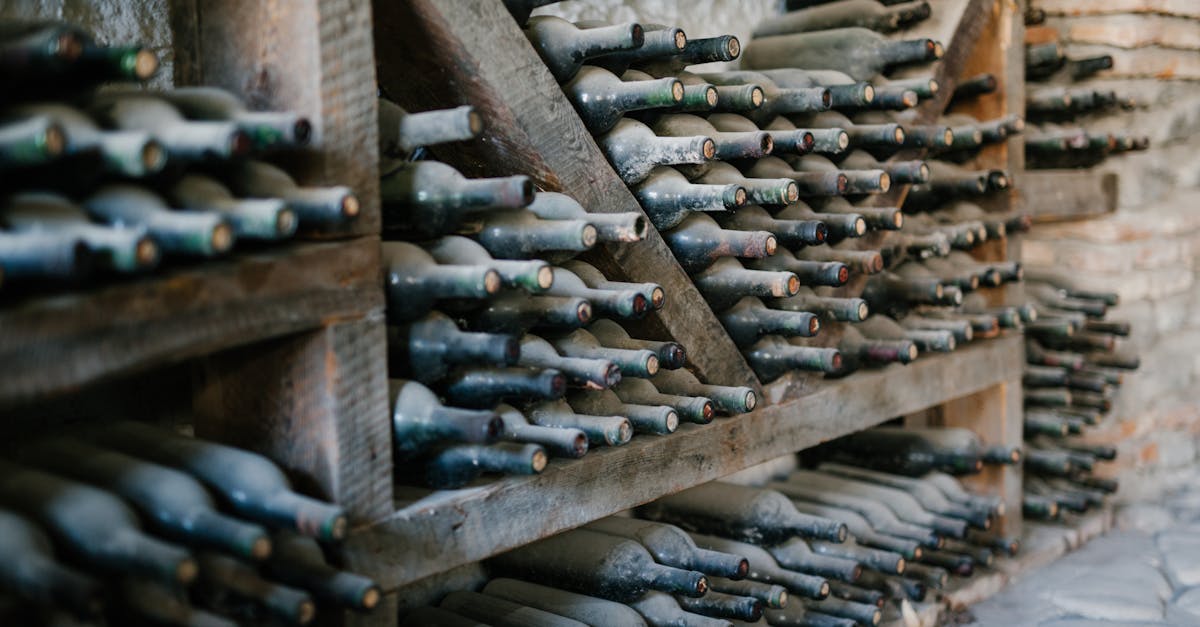
🍇 Often produced using organic or biodynamic methods
🍇 Strong intergenerational transmission
🍇 Slow but sure exploration of quality beyond volume
These winemakers know that their strength lies in originality and quality, capable of attracting a national and international market that increasingly values the uniqueness of their terroirs. New producers, between innovation and revitalizationAt the same time, estates like
- Les Vignes de Mon Père
- or
- Domaine de Pech Mary
- are playing the modern card. This involves innovative ecological techniques, an active online presence, and the repartee of dynamic distribution. These producers often focus on organic or natural wines, hoping to attract a young, environmentally conscious clientele. This movement brings a breath of fresh air to sometimes overlooked appellations, while strengthening the visibility of Southwest wines in short or international distribution channels. 🚀 Use of technological tools for precision viticulture
🚀 Strengthened communication and digital marketing
🚀 Partnerships with online sales platforms and wine subscriptions
🚀 Promotion of confidential appellations Type of producer 🍷 Examples in the Southwest ✨ Main characteristics 🛠️ Business strategy 🚚
- Traditional
- Domaine Bielle, Château de Saint-Sernin
- Promotion of old grape varieties, environmentally friendly agriculture
- Traditional distribution, fairs and specialized wine merchants
| Innovative | Les Vignes de Mon Père, Domaine de Pech Mary | Organic wines, digitalization, modern approach | Direct sales, subscriptions, targeted export |
|---|---|---|---|
| Local industrial | Domaine du Tariquet | Significant production, wide range | Supermarkets, export |
| With these profiles, it’s no surprise that the Southwest benefits from real commercial vitality, Whether it’s adapting to export markets or meeting local demands. To help you navigate the region and learn about the region’s distinctions, take a look at this article on Southwest wine distinctions, which highlights some exceptional products. | https://www.youtube.com/watch?v=XZc9DrguEQI | How will terroirs and grape varieties shape Southwest producers in 2025? | The Southwest is, first and foremost, an incredible laboratory of natural and cultural diversity. The region’s vineyards spread across the foothills of the Massif Central, with its more continental climate, the middle Garonne, the Bergerac region, the Duras region, and the foothills of the Pyrenees, exposed to the dual influence of the ocean and the mountains. This unique geography shapes both the style of the wines and, of course, the choices of the producers. The richness of local grape varieties, an irresistible asset |
| In the Southwest, we find grape varieties that are found nowhere else, some dating back to the dawn of winemaking: | 🍷 | Manseng (Petit and Gros): for dry or sweet whites that are both fresh and opulent | 🍷 |
Tannat: king of robust and tannic reds, perfect for aging wines like those at Château Montus 🍷
🍷
Loin-de-l’Œil: a rare white grape variety often used in blends for its freshness
🍷
Fer Servadou and Duras: typical of Gaillac, they produce complex and unique red wines
- In 2025, these grape varieties will give producers a strong identity that truly differentiates them from other wines Standardized wines often made from international grape varieties. Winemakers are therefore opting for local products to attract customers looking for originality and authentic tastes. Terroir: a key factor in the success of wineries Soils and climates largely determine the character of the wines produced by producers:
- 🌍 Massif Central Piedmont : sedimentary soils favorable to aromatic diversity, climate with marked temperature variations 🌍
- Middle Garonne : river terraces, temperate oceanic climate producing rich, rounded wines 🌍
- Bergeracois and Duras : a blend of oceanic and continental influences, suitable for aromatic whites and balanced reds 🌍
- Pyrenean Piedmont : Oceanic and mountain influences, with a natural freshness conducive to wines for aging Zone 🌄
Soil characteristics 🪨
Climate ☀️
Types of wines produced 🍇
- Massif Central foothills Sediments, clay-limestone Continental with temperature variations
- Full-bodied reds, aromatic whites Middle Garonne Alluvial terraces
- Temperate oceanic Supple reds, round whites Bergeracois & Duras
- Clay and limestone soils Oceanic with continental influences Aromatic whites, balanced reds
| Pyrenean foothills | Mountain, alluvial soils | Oceanic + mountain | Powerful and aging wines |
|---|---|---|---|
| To achieve the right results, producers adjust their cultivation and blends to the specific characteristics of each terroir. The result? Wines that surprise with their distinctive character and aromatic palette, capable of making a difference on both French and export markets. Want to discover more about the regional subtleties of wines? See, for example, the wide range of wineries and tastings offered in other major regions such as the Loire and Bordeaux. | Discover our selection of passionate wine producers, offering unique and authentic vintages. Explore the art of winemaking through renowned vineyards and savor exceptional wines. | https://www.youtube.com/watch?v=qqKWfti89do | Which flagship estates and key producers will showcase the Southwest in 2025? |
| As in any self-respecting wine region, certain estate names play a key role in the reputation and excellence of Southwest wines. In 2025, here are some of the major players who are gaining momentum or continuing to shine with their expertise: | 🍷 | Château Montus | (Madiran): a true ambassador of tannat, renowned for its powerful and elegant red wines, well-structured for aging. |
| 🍷 | Domaine de la Janasse | : Although located in the Rhône, it inspires many Southwest winemakers in terms of organic blending and winemaking. | 🍷 |
| Domaine du Tariquet | (Gers): An iconic producer of aromatic whites, particularly Ugni Blanc and Gros Manseng. | 🍷 | Château de Saint-Sernin |
: A proud representative of the Sidobre vineyard, renowned for the finesse of its reds and the freshness of its whites. 🍷 Domaine Bielle (Madiran): A family estate renowned for its balance between tradition and modernity, with a definite passion for indigenous grape varieties.🍷
🍷
Les Vignes de Mon Père
- : A young estate focused on innovation and organic wines, for both red and white wines. 🍷 Domaine de Pech Mary (600 hectares): one of the greatest wines in the Bergerac region, combining tradition and technology to produce quality wines.
- 🍷 Cave de Vic-Bilh : a historic cooperative, a benchmark for Jurançon wines and neighboring appellations, playing a crucial role in local revitalization.
- These producers, through a diverse yet always passionate range of approaches, contribute to highlighting a vineyard that never ceases to surprise. Looking to expand your cellar? You can also explore the awards and recommendations on this website dedicated to Southwest wines, where favorites are plentiful. Producer 🍇 Main Appellation 🌍 Specialty or Strength 🏅
- 2025 Orientation 🚀 Château Montus Madiran
- Powerful and structured Tannat Emphasis on wines for aging, export Domaine Bielle
- Madiran Authentic wines, local grape varieties Organic, preservation of the terroir
- Domaine du Tariquet Gers Aromatic whites, Ugni Blanc
- Extension of organic range, short supply chains Les Vignes de Mon Père Southwest
- Organic wines, young winemakers Digital, direct sales Cave de Vic-Bilh
Jurançon Cooperative, local revitalizationModernization, quality
| Want to explore these estates and the wines of the Southwest further? Find wine events that could well dazzle you at the link | Rhône wine events 2025 | , where consistency and excellence combine to boost the industry. | Discover the passionate wine producers shaping the wine world. Explore their techniques, unique terroirs, and exceptional wines that excite your senses. Immerse yourself in the art of winemaking and let yourself be captivated by the story behind each bottle. |
|---|---|---|---|
| What are the challenges and strategies facing Southwest wine producers in 2025? | In a constantly evolving wine world, Southwest producers face numerous challenges that they address with ingenuity and resilience. Here are the main current issues and how they influence the choice of strategies. Climate Management and Vineyard Adaptation | Climate change continues to severely impact the region. Temperature variability and decreased rainfall are forcing producers to rethink their cultivation practices. Some have opted to introduce drought-resistant grape varieties, while others are strengthening biodiversity within plots to improve overall resilience. These adjustments require time and investment, but are crucial to ensuring the sustainability of vineyards. | 🌡️ Gradual introduction of more robust grape varieties |
| 🌡️ Transition to organic or biodynamic viticulture | 🌡️ Sustainable irrigation techniques and soil management | 🌡️ Collaboration between vineyards to share innovations | Pressures on international markets and customs tariffs |
| Global competition and trade tensions, particularly with the United States and certain Asian countries, are complicating exports. The Southwest is striving to capitalize on premiumization by offering high-end wines at prices justified by their quality. Pricing is becoming a delicate balancing act between competitiveness and value. For example, faced with fluctuating European and American customs duties, some wineries are rethinking their packaging and distribution channels to limit costs. | Changing consumption patterns and distribution | In 2025, direct sales, via subscriptions or online platforms, will become a powerful lever for reaching a more connected and aware customer base. Many producers, such as those at Domaine de l’Alliance, are relying on personalization, virtual tastings, or themed gift boxes to create a direct connection with consumers. 📦 Development of tailored subscription offers | 📦 Presence on social media and specialized websites |
| 📦 Organization of hybrid tasting events | 📦 Collaboration with expert online sales platforms | Challenges ⚠️ | Preferred strategies 💡 |
| Concrete examples 🌟 | Climate change | Resistant grape varieties, organic farming | La Janasse experiments with biocontrol |
Fluctuating customs duties Logistics and packaging optimizationChâteau Montus adapts its US exports

Development of direct sales, digital
Domaine de l’Alliance launches a subscription
Far from hindering, these challenges will boost producers’ creativity and adaptability. For those who want to understand how to choose their wine in these changing conditions, you can consult this excellent guide
on wine selection in supermarkets
- , partly applicable to the Southwest.
- What does the future hold for wine producers in the Southwest? Outlook and key trends
- Looking to the future means first embracing the trends that are already shaping the present. For Southwest producers, 2025 is a pivotal year where tradition and modernity will intersect to write the future of the wine industry.
- The rise of organic and natural wines
Consumers are increasingly sensitive to quality and environmental impact. This is encouraging Southwest producers to invest in more sustainable practices. Organic and biodynamic approaches and environmental certifications are on the rise, such as at Domaine Bielle and Domaine de Pech Mary. The challenge: combining respect for nature with excellent taste.
Short supply chains and strengthened customer relations
Harvests are now also being experienced online, with direct sales and subscription systems gaining ground. Contact with consumers is personalized, sometimes via platforms like BestWineImporters, which connect producers with international references—an example to follow if you want to boost your winery through import-export.
Innovation and digitalization in the service of wine Like bold estates, traceability technologies, augmented reality for labels, and virtual tastings are becoming more common. The goal is simple: to offer an enriched, transparent, and modern experience to appeal to all audiences.✨ Development of organic and sustainable labels
- ✨ Integration of technology into marketing
- ✨ Expansion of Asian and North American markets
- ✨ Strengthening international partnerships
- Trend 🔮
| Impact on producers ⚙️ | Examples of implementation 🌟 | Organic & Sustainable |
|---|---|---|
| Conversion, new certifications | Domaine Bielle to intensive organic | Digitization |
| Online sales, social networks | Les Vignes de Mon Père uses Instagram | Growing exports |
| Premium strategies, targeted markets | Château Montus in the US market | These developments are boosting the vineyards and offering unprecedented opportunities to producers in the Southwest. To stay up-to-date, you can also delve into other winemaking worlds and discover exclusive tastings like the one offered in the Provence tasting guide. |
https://www.youtube.com/watch?v=kl9gJGQfcHI FAQs about Southwest wine producers in 2025What are the emblematic grape varieties of the Southwest?
Among the most famous are Tannat, Manseng, Négrette, Fer Servadou, Duras, and Petit Manseng, which give Southwest wines their unique character.
How are Southwest producers adapting to climate change? They are investing in sustainable viticulture, adopting resilient grape varieties, and strengthening biodiversity to protect their vines.
Which estates are essential to watch?
Château Montus, Domaine Bielle, Domaine du Tariquet, and Les Vignes de Mon Père are among the leading producers innovating and perpetuating excellence. What role does organic farming play in the Southwest? Organic viticulture is experiencing strong growth, with many estates having their plots certified, meeting growing demand from responsible consumers. How are producers managing distribution in 2025?With a diversification of channels, favoring direct sales, subscriptions, and an increased presence on online platforms to reach a wide audience.