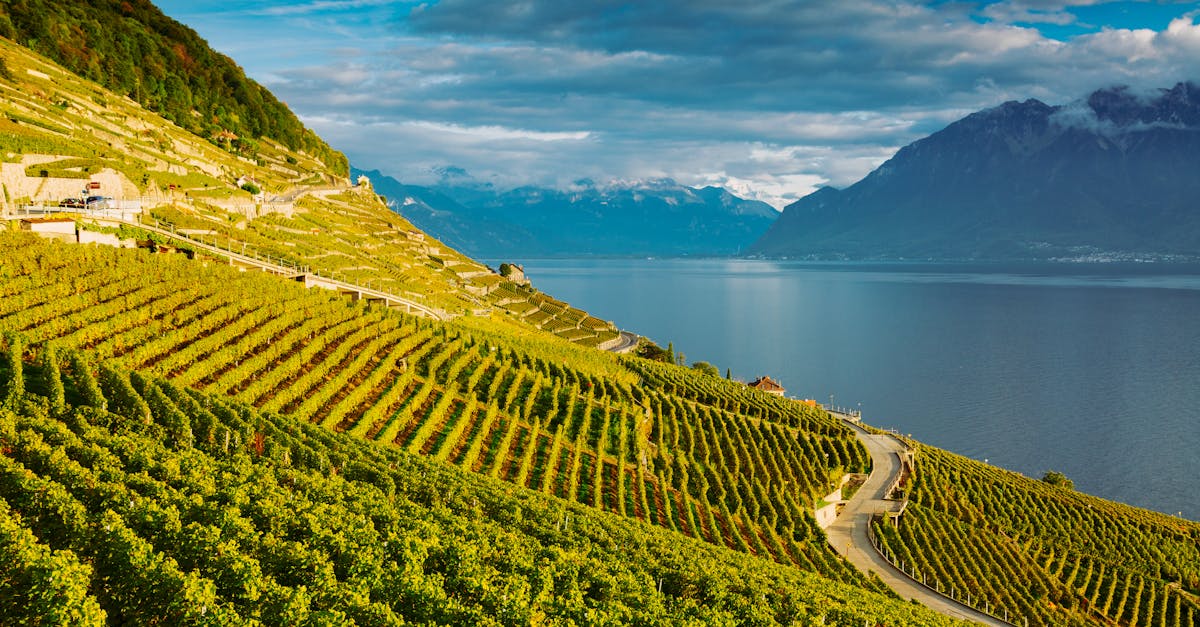
The Southwest of France isn’t just a nice spot on the map; it’s above all a patchwork of terroirs and stories where wine has been king for centuries. You may already know, but this region boasts an incredible variety of wines, in a setting that ranges from the majestic Pyrenees to the Massif Central, passing through valleys and hillsides full of character. Here, each vintage tells a story, often linked to a different soil, a particular climate, or an endemic grape variety. Forget Bordeaux or Burgundy for a moment; the Southwest has decided to play in its own right, with its own style, traditions, and gems to be discovered without moderation. Come on, we’ve put together this hassle-free guide to help you identify and appreciate the Southwest regions that are truly prominent on the wine map in 2025.
So, what really sets the Southwest’s vineyards apart? To get it right, you must first understand that the Southwest does not correspond to a single appellation or a homogeneous vineyard, but rather to a set of terroirs and wine-growing territories that are fairly autonomous and rich in diversity. These are regions where local players are passionately fighting to gain recognition for their wines, which have long been overshadowed by their powerful neighbors, starting with Bordeaux. Since the 1970s, however, the vineyard has experienced a real turning point, highlighting its singularities, its rustic grape varieties and its ancestral know-how. In addition, the wines of the Southwest are riding the wave of organic and biodynamic wines, which further displays their distinctive character, close to nature and respectful of the terroir. In a word, the Southwest puts on a show in its own way and everyone agrees.
How can we define the terroir and wine-growing landscape of the Southwest?
The Southwest is a true gift from nature for wine lovers who appreciate variety. Its vast geography, spanning approximately 12 departments from the Pyrenees to the northern Massif Central, offers a mosaic of landscapes that directly influence the vines and their grapes. It is this terroir factor that largely explains the richness of the wines produced.
The climate of this vast region is a clever blend of oceanic, Mediterranean, and mountain influences, resulting in unique wines depending on where they grow. For example, around the Pyrenees, the fresh mountain air influences grape ripeness, which is crucial for fresh and aromatic wines, while in the plains—in the Lot or Gers regions—the climate is milder, favoring richer and more opulent wines.
Consider the soils: the majority are sedimentary, composed of clay and limestone, with alluvial deposits that add complexity to the flavor. Each vineyard thrives on this unique composition, such as Domaine de la Devèze, which benefits from limestone soils that bring finesse and elegance to its whites, or Château Montus, where the clay-limestone terroirs produce powerful, full-bodied reds. Here’s a table summarizing the influence of soil and climate on some iconic vineyards: 🌍 Vineyard 🌿 Soil Type ☀️ Climate🍷 Wine Style
Domaine de Lafitte
| Clay-Limestone | Sweet Oceanic | Fresh and Aromatic White Wines | Château Saint-Maur |
|---|---|---|---|
| Gravelly and Sandy Soils | Oceanic with Mountain Influence | Fruity and Tannic Reds | Domaine du Causse |
| Hard limestone | Temperate Mediterranean | Dry and mineral white wine | Côtes de Gascogne |
| Sandy alluvium | Warm oceanic | Fruity and light white wines | 🌟 |
| Contrasting styles: | From the light and lively white wine of Côtes de Gascogne to concentrated and full-bodied reds like those of Château Montus. | 🍇 | Adapted grape varieties: |
- Each region selects its varieties based on the soil and climate, which reinforces their identity. 🍃 Natural richness:
- The terroir embraces diversity, without standardization, for our greatest pleasure. This unique viticultural patchwork deserves our attention, especially if we want to truly understand the diversity and authenticity that make the wines of the Southwest so rich. As you can see, every corner of this wine-growing region reveals nuances found nowhere else. Moreover, if you’re curious to compare terroirs, a quick look at the major grape varieties of the Southwest can only enrich your knowledge. https://www.youtube.com/watch?v=N_iHuGNyVJA
- What are the main vineyards and appellations to know in the Southwest? The Southwest, far from being a homogeneous region, is more like a patchwork of small, well-identified, autonomous vineyards, each with its own identity, appellations, and local businesses. Although the producers are spread across 12 departments, together they form a coherent and abundant whole. To help you better understand, here is a non-exhaustive but essential list of major vineyards to keep an eye on:
🍷 Gaillac: An old, ancestral vineyard, renowned for its white, red, and sparkling wines. 🍇
Known for its Négrette, a unique grape variety producing silky, spicy reds.
🍾
Cahors:
- The land of Malbec, with wines of strong character and good aging potential. 🌿 Madiran:
- The kingdom of Tannat, a full-bodied and powerful wine, often aged in barrels. 🍏 Jurançon:
- Known primarily for its sweet and dry white wines made from Petit and Gros Manseng grapes. 🍒 Irouléguy:
- Basque appellation, characterized by its fruity and balanced red wines. 🍇 Bergerac:
- With a vast heritage of appellations ranging from dry whites to sweet reds. 🍷 Duras and Marmande:
- Small, well-established vineyards, offering simple yet characterful wines. 🌄 Marcillac:
- A lesser-known terroir with powerful red wines made from the Fer Servadou grape variety. To learn more about some renowned estates and appellations, note: Château Montus
- – one of the leading wineries in Madiran with its high-quality Tannat. Château du Moulin – famous for its powerful reds in Cahors. Château d’Aliénor
- – produces well-balanced reds and whites around Bergerac. Domaine de la Bouysse – in Fronton, renowned for its fine Négrette and its ageing potential.
Caves de Gascogne
- – the giant of light white wines from Gascony, very popular in summer. 🍇 Vineyard/Appellation 🔍 Specificity
- 🍷 Key Grape Varieties 🏅 Wine Style
- Cahors Red wine with renowned Malbec
- Malbec (Côt) Powerful, full-bodied red, often aged in barrels
- Jurançon Dry and sweet whites made from Petit & Gros Manseng
| Petit Manseng, Gros Manseng | Rich, aromatic, and balanced white wines | Madiran | Tannic and full-bodied red, aged in barrels |
|---|---|---|---|
| Tannat | Structured, powerful, and aromatic red wine | Fronton | The Kingdom of Négrette |
| Négrette | Fruity, spicy, and supple red | Gaillac | Various wines: whites, reds, sparkling wines |
| Mauzac, Duras, Fer Servadou | Distinctive wines and multiple styles | Tip for you: to learn more about food and wine pairings suited to the richness of the Southwest, don’t hesitate to dive in Among the classics of red wine and food, an excellent introduction to discovering the gastronomic nuances of these wines. | https://www.youtube.com/watch?v=7uPkvJygLbk |
| Which grape varieties make the wines of the Southwest famous? | What really tickles the tongue when we talk about the Southwest is the immense diversity of its grape varieties. Where some regions rely on a handful of varieties, the Southwest seems to have decided to embrace local exoticism, from the terroir to the vineyard. Each corner has its favorites, often ancient, sometimes unknown outside the region, which results in an explosion of flavors. | Here’s a quick overview of the star grape varieties, along with their distinctive characteristics: | 🍷 |
| Malbec (Côt): | The king of Cahors, a robust, dark wine with bold tannins. | 🍇 | Tannat: |
The Madiran grape variety, vigorous, tannic, with good aging potential. 🍇Petit Manseng and Gros Manseng:
Négrette:
The soul of Fronton, producing supple and spicy reds.
🍏
- Mauzac: Gaillac vineyard, for natural and sometimes sparkling whites. 🍷
- Fer Servadou: Used in South Aveyron (Marcillac) for reds with character. 🍇
- Duras: A rarer grape variety, but very distinctive in the Gaillac vineyards. It’s no surprise that the Southwest is renowned for its wines with an atypical profile, uncompromising for some connoisseurs, but delicious for discerning palates. To learn more, reading about the grape varieties in Alsace or Provence can help you glimpse the differences in national diversity. 🍇 Grape Variety
- 🌱 Main Region 🍷 Wine Style 🌟 Special Features
- Malbec (Côt) Cahors Robust, tannic red
- Ideal for aging, great potential Tannat Madiran
- Full-bodied, tannic red wine Long aging, solid structure Petit Manseng
Jurançon Sweet or dry white Perfume, refreshing acidity Négrette Fronton
| Fruity, spicy red | Produces supple and easy-drinking wines | Mauzac | Gaillac |
|---|---|---|---|
| Natural, sparkling white | Local tradition, typical | How does wine production and market work in the Southwest? | More than 8,200 independent wineries and nearly 30 cooperative wineries produce wines in the Southwest, with a total area extending to over 54,000 hectares, or approximately 7% of France’s wine-growing area. That’s just it! Most of the wines produced are divided into three main segments: |
| 🍇 | Appellation Wines (AOP): | These represent approximately 47% of the area and provide labeled wines with a strong identity. | 🍷 |
| PGI (Protected Geographical Indication): | Cover 38% of production, offering more supple and often modern wines. | 🥂 | Vins de France: |
| The remainder are wines without a specific geographical indication, often intended for mass consumption. | And in terms of volume, production currently stands at over 3.3 million hectoliters, or approximately 8.1% of the national production. This demonstrates strong momentum and a recognized position in the French market. | 📊 Type of wine | 📈 Share of production |
| 🍷 Volume breakdown | 💰 Estimated turnover | Whites | 55% |
Several recognized appellations, particularly in Côtes de Gascogne
Increasing, driven by the freshness of the wines
- Reds 30% Dominated by AOPs such as Madiran and Cahors
- Significant, with a loyal customer base Roses 15%
- Growing, particularly in certain PGIs Developing market Moreover, the wine market in the Southwest is currently worth around €1 billion, demonstrating not only solid production but also strong commercial appeal. White wines are capturing the majority of this success, followed by reds and then rosés. A true cocktail of diversity that producers are exploiting with increasing efficiency. And since you’re in the market mood, why not take a look at this analysis on the character of Bordeaux wines?
, which offers an interesting comparison between neighbors and helps you better understand the marketing specifics of the Southwest?
| Discover the wine regions of Southwest France, rich in flavors and traditions. Explore unique terroirs, diverse grape varieties, and passionate small producers who will provide you with an unforgettable experience through their exceptional wines. | What are the styles and flavors of Southwest wines like? | By blending so many terroirs, grape varieties, and techniques, the Southwest produces a diverse range of wines that are sure to delight your taste buds on every occasion. You’ll find robust reds, fresh whites, delicate sweet wines, and a few sparkling wines to keep an eye on. Southwest reds, such as those from estates like Château du Moulin or Domaine de la Bouysse, generally exhibit: | 🌹 Aromas of red (cherries, blackberries) or black (blueberries, blackcurrants) fruits; |
|---|---|---|---|
| 🪵 Spicy notes and sometimes a hint of wood from oak barrel aging; | 💪 A structure that’s often tannic, but softens over time; | 🎯 Good acidity that ensures freshness and aging potential. | Whites, particularly those from Côtes de Gascogne or Domaine du Causse, are both fruity and mineral, with flavors of citrus, white flowers, and sometimes a hint of honey, especially in favorable vintages. They’re a real treat as an aperitif or to accompany light dishes. A small table gives you an overview: |
| 🍷 Type of wine | 👃 Aromatic profile | 🍽️ Recommended pairings | 🌟 Special features |
| Reds | Black and red fruits, spices, oak | Red meats, game, strong cheeses | Marked tannins, good aging potential |
Whites
Citrus fruits, white flowers, honey Aperitifs, fish, light poultryFresh, lively, and mineral
Red fruits, freshness
Summer dishes, charcuterie
Often light and easy to drink. If you want more advice on how to choose a wine to complement your meal, check out this very useful resource on how to choose a wine in the Loire Valley , which shares tips that are widely applicable to the Southwest region.https://www.youtube.com/watch?v=B7G27evHD4c
- FAQ – Frequently Asked Questions about Southwest Wine
- What is special about Château Montus?
- Château Montus is an iconic Madiran estate, renowned for its powerful Tannat and full-bodied wines with excellent aging potential.
- What are the most famous white grape varieties?
Petit and Gros Manseng in Jurançon, as well as Mauzac in the Gaillac vineyard, are among the most iconic white grape varieties. Why are the wines of the Southwest so diverse? The great diversity of climates, soils, and grape varieties in the region explains the wide aromatic and stylistic range of the wines produced. Does the Southwest produce sparkling wines? Yes, particularly in the Gaillac region, where they produce original and distinctive sparkling wines.How can you discover the wines of the Southwest without making a mistake?
Just play the joker card by visiting cooperative wineries like the
| Caves de Gascogne | or trusting renowned estates like the | Domaine de Lafitte | to ensure quality. |
|---|---|---|---|