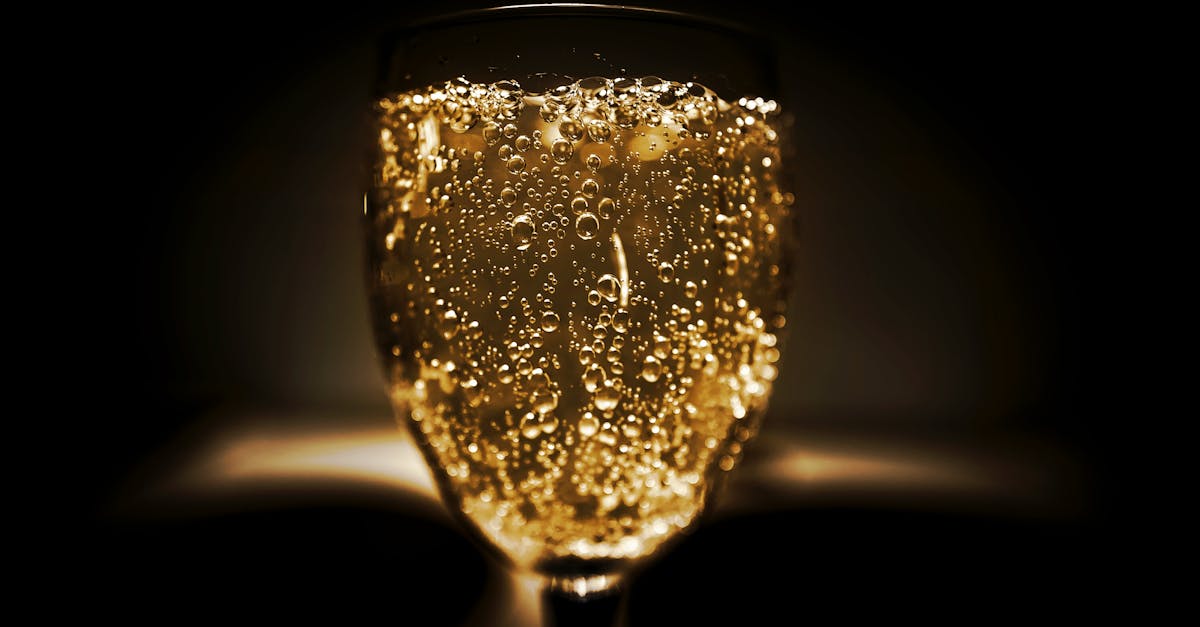
Champagne, this renowned sparkling wine, isn’t just for grand galas or holiday celebrations. In 2025, it’s more than ever a welcome addition to a wide range of occasions, blending tradition and modernity to enhance every moment. Whether celebrating a family event, marking a professional achievement, or simply enjoying a convivial moment with friends, champagne finds its tempo according to desires and circumstances. Grand Maisons like Moët & Chandon, Veuve Clicquot, and Dom Pérignon unveil their iconic vintages, while more discreet houses like Château de Saran and Taittinger offer gems to discover. Tasting this noble wine isn’t something to be improvised; it requires a suitable setting and careful attention to temperature, service, and storage. For 2025, the agenda for bubbly lovers includes unmissable events, whether traditional celebrations or more intense moments like milestone birthdays, weddings, or even successful business evenings. Added to this is a growing focus on food and wine pairings, where champagne holds pride of place, often paired with the finesse of local products or characterful recipes from other French terroirs.
Are you looking for the perfect way to dazzle at your next reception? Or are you curious to discover how to optimize tasting at home or during a visit to the Champagne region? This comprehensive guide highlights precious occasions for gifting, opening, savoring, and preserving champagne in 2025, while following the professionals’ tips to ensure each bubble tells a unique story. 🌟 As a bonus, tips for avoiding common mistakes, choosing the right glass, and understanding the specific characteristics of vintage cuvées await you to make each tasting a memorable, stress-free event.
The essential occasions for tasting champagne in 2025: celebrations and key moments
Champagne remains the perfect companion for highlighting life’s highlights. In 2025, certain dates are not to be missed if you want to guarantee a festive and elegant atmosphere. Here’s a rundown of events where popping out a bottle of Bollinger, Louis Roederer, or Ruinart will make a splash:
🎉
- Holidays and celebrations : Christmas and New Year’s Eve are surefire ways to enjoy a Veuve Clicquot or Laurent-Perrier cuvée, while enjoying family time together. 💍
- Weddings and milestone birthdays : Vintage sparkling wines like Dom Pérignon are a must to enhance these emotional moments. 🏆
- Professional success : A promotion or the signing of a contract can be celebrated with a chilled glass of Piper-Heidsieck. 🥂
- Evenings with friends : No need for a special reason; a simple shared moment becomes festive thanks to an affordable champagne like Château de Saran. 🎨 Cultural and artistic events: Openings, concerts, and shows are accompanied by elegant vintages, perfect for showcasing the creativity of the moment.
- The key to getting it right is choosing a cuvée that matches the tone of the celebration. Non-vintage champagnes, which are fresher and lighter, are ideal for aperitifs, while vintages, which are complex and rich, require careful attention and are ideal for meals and special occasions. Occasion 🥂 Type of champagne 💎 Indicative price 💰
Food pairing 🍽️
| New Year’s Eve (Christmas / New Year’s) | Veuve Clicquot, Moët & Chandon | €40-70 | Foie gras, smoked salmon |
|---|---|---|---|
| Weddings / Anniversaries | Dom Pérignon, Louis Roederer Vintage | €120-250 | Caviar, poultry with morels |
| Professional success | Piper-Heidsieck, Taittinger | €35-60 | Scallops, mature cheeses |
| Casual evenings | Château de Saran, Ruinart | €20-50 | Tapas, charcuterie |
| Artistic events | Bollinger, Laurent-Perrier | €50-90 | Refined dish, seafood |
| In addition to special occasions, don’t neglect the simpler moments that deserve to be enhanced. An impromptu picnic, a romantic get-together, or a visit to the Champagne vineyards are also great opportunities to enjoy champagne. Some even prefer to pair their tasting with wines from other regions, for example, by exploring wines from Provence or the Rhône Valley, to vary the pleasures and complete a complete gastronomic experience. | Discover the refined world of champagne, an iconic celebratory drink with a delicate taste and subtle bubbles. Delve into the fascinating history, artisanal production methods, and diverse wine regions that make champagne a symbol of elegance and celebration. Explore our tips for choosing the best champagne for every occasion. | Mastering the Art of Opening and Serving Champagne: Tips for a Perfect Moment in 2025 | Opening a bottle of champagne is a small ritual that must be mastered to ensure the magical moment is not spoiled. In 2025, many people want to combine safety and elegance to add sparkle to their reception. Here are some essential tips: |
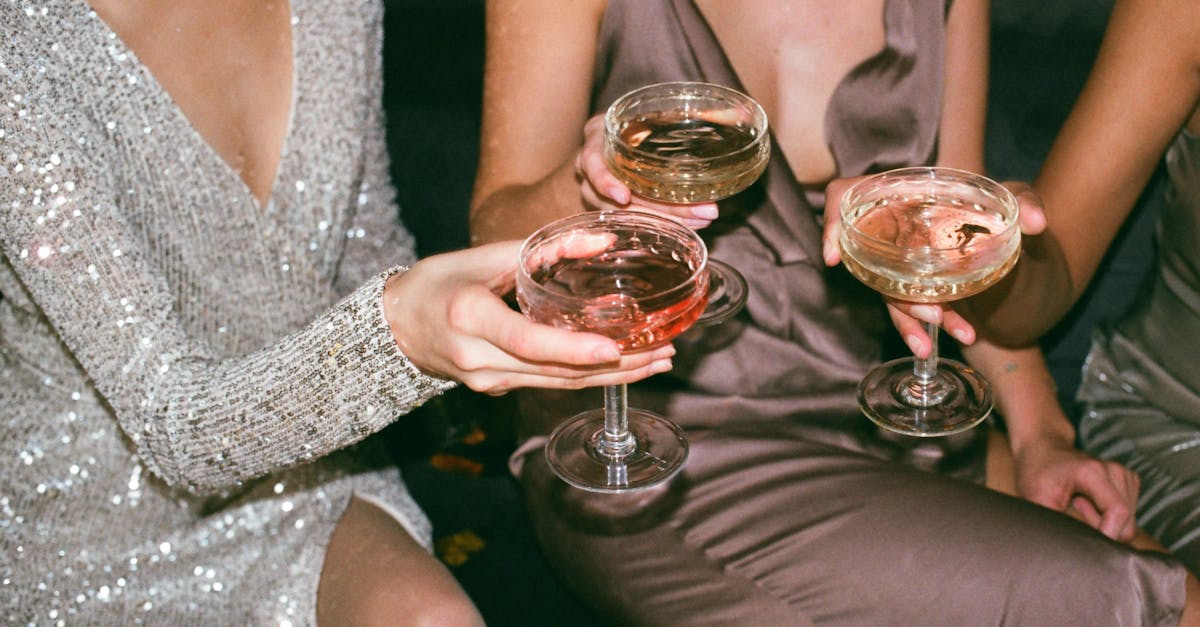
👌 The precise gesture for opening : always keep your thumb on the cork before gently removing the wire cage, then unscrew the cork gently to avoid sudden ejection. ⚖️Controlled pressure
🍾
Tilting the glass at 45°
- ensures a moderate rise in foam during service and preserves the bubbles. ❄️ The ideal temperature
- : serving between 8° and 10° Celsius highlights the aromas and finesse of the champagne. 🥒 Chill in a bucket: Prefer a bucket filled two-thirds with ice and water, in which the bottle rests for about 20 minutes before tasting.
- 🍽️ Choose the right glass: Consult this helpful guide to selecting the right champagne glasses to enhance the aromas.
- Don’t forget the importance of the gesture and the setting to ensure everyone’s champagne is on the same page. Opening the bottle too abruptly loses precious bubbles, and poorly served wines can quickly disappoint the taste buds. Each step helps reveal the richness of illustrious houses such as Ruinart, Laurent-Perrier, and Piper-Heidsieck. STEP 🔑 BEST PRACTICES 👍 TO AVOID 🚫
- Removing the wire cage Hold your thumb firmly Pull sharply without control
- Unscrew the cork Turn slowly, check the exit Force or pull sharply Serving temperature 8-10°C with bucket cooling
Champagne served at room temperature
| Pouring into the glass | Tilt the glass 45° | Serving the glass upright generates too much foam |
|---|---|---|
| To learn more about the technique, don’t hesitate to watch this well-produced demo video on the art of opening a bottle of champagne without a hitch: | https://www.youtube.com/watch?v=RtzutAQdJCM | Discover the sparkling world of champagne, an iconic celebratory drink. Explore our selections of fine champagnes, learn more about its artisanal production, and savor the art of pairing food and champagne to enhance your festive moments. |
| Storing Opened Champagne: Effective Tips for Preserving the Bubbles in 2025 | Once a bottle is opened, the temptation is often great to keep it a little longer. However, champagne remains fragile once exposed to air and quickly loses its bubbles and freshness. So, how can you prolong the pleasure without any hassle? Here are some wise tips: | 💡 |
| Avoid risky tricks: | The famous metal spoon inserted into the neck doesn’t really work to preserve the bubbles. 🔧 | Use a special cork: Available for less than €10 in stores, it seals tightly to limit carbon dioxide loss. |
| ❄️ | Keep refrigerated: Place the bottle in the refrigerator on its side to keep the cork moist and prevent air from entering. | ⏳ |
Consume quickly: Despite all precautions, champagne is best enjoyed within 48 hours of opening.
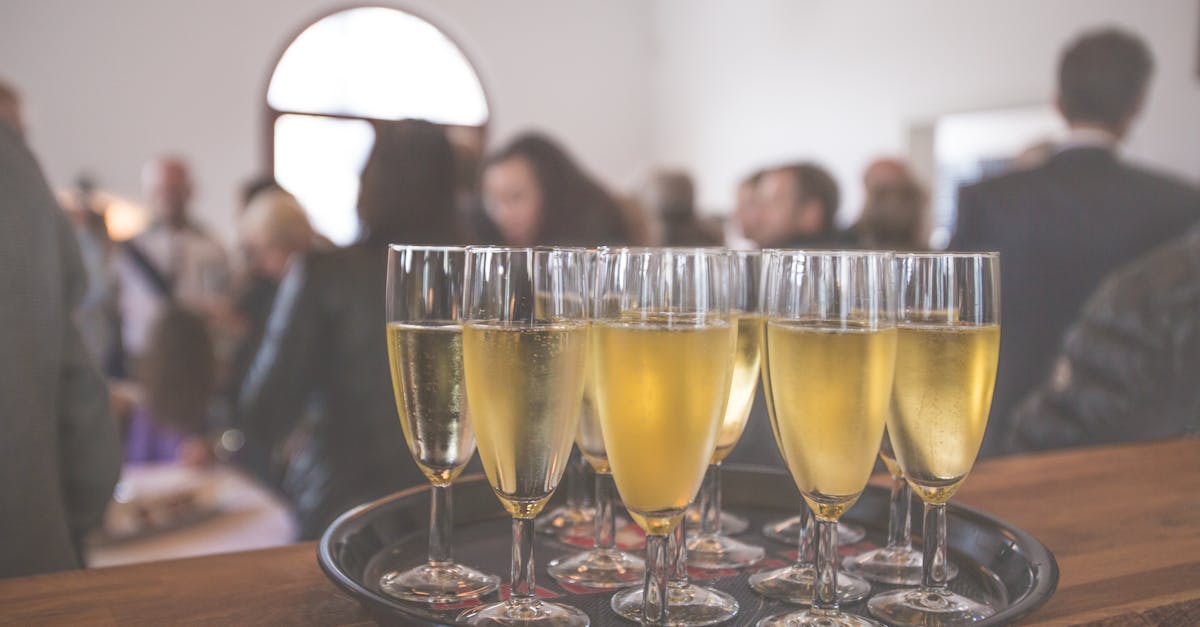
Don’t underestimate the richness of the range; from the characteristic finesse of Laurent-Perrier to the robustness of a Bollinger, each bottle deserves to be treated with the utmost care. Proper storage after opening helps prevent the taste experience from being diluted, especially if you want to prolong the celebration or share the bottle over several occasions. Tip 🔧
Efficiency 💯
- Usage Tips 📝 Metal spoon in the neck ❌ Poor
- Method to avoid, no proven effectiveness Specific champagne cork ✅ Very effective
- Seals tightly, essential to retain the bubbles Store in the refrigerator lying down ✅ Good
- Keeps the cork in good condition Consumed quickly (less than 48 hours) ✅ Essential
- Optimal for maintaining freshness and effervescence Refrigerate upright without a cork ❌ Poor
Bubbles escape quickly
| https://www.youtube.com/watch?v=PJmAC1-2G10 | Vintage Champagne: When and how to enjoy it to maximize each bubble? | Vintage champagne, a true gem for connoisseurs, is not reserved for every occasion. It bears the mark of an exceptional year and often offers a more complex and profound aromatic palette than classic cuvées. In 2025, these bottles have a special place to enchant special moments. |
|---|---|---|
| 🎂 | Symbolic birthdays | : 30th, 40th, 50th birthdays are the perfect time to bring out a bottle of vintage Dom Pérignon or Louis Roederer. |
| 💑 | Engagements and weddings | : A precious memory engraved with an exceptional cuvée from Ruinart or Bollinger. |
| 🎉 | Luxurious holiday celebrations | : Christmas and New Year’s deserve excellence, just like Moët & Chandon vintage champagnes. |
| 🍽️ | Gourmet meals | : Savoie, Loire, or Bordeaux, pairing vintage wines with refined dishes enhances every bite (Savoyard recipes to discover!). 🍾 |
| Special Events: | Present-day events, product launches, or award ceremonies can all be adorned with the brilliance of a vintage champagne. | To fully appreciate a champagne of this caliber, there are a few rules to follow: ideally serve at 8-10°C, use tulip glasses rather than classic flutes to better capture the aromas, and take the time to slowly savor each sip. |
Recommended House 🏰
Serving Temperature 🌡️
- Food Pairing 🍴 30-50th Birthday Dom Pérignon, Louis Roederer
- 8-10°C Caviar, sweetbreads Engagements / Weddings
- Ruinart, Bollinger 8-10°C Oysters, langoustines
- Holiday Parties Moët & Chandon 8-10°CFoie gras, truffles Gourmet Meals
- Louis Roederer, Ruinart 8-10°C Mature cheeses, seafood
If you’re looking to invest or give a memorable gift, the selection of vintage champagnes is refined every year. To perfect your choice, don’t hesitate to visit specialized articles or explore websites dedicated to wine, such as those covering the best Bordeaux vintages or regional appellation wines.
| Discover the refined world of champagne, an iconic celebratory drink, combining ancestral traditions and exceptional expertise. Explore the different vintages, production methods, and food pairings for an unforgettable tasting experience. | Tasting Champagne Without Making a Mistake: Practical Tips and Mistakes to Avoid for 2025 | Tasting champagne is a truly enjoyable experience when you know how. To avoid spoiling this experience, you need to have the right reflexes and avoid certain mishaps. Here are a few points to keep in mind: | 🍇 |
|---|---|---|---|
| Don’t shake the bottle: | When opening, a shaken bottle will lose a lot of bubbles and may spray everywhere. 🕰️ | Not too cold, not too hot: | Around 10-12°C (50-54°F) is the ideal temperature to reveal all the aromatic subtleties. |
| 🔄 | Serve with the right glass: | A narrow flute or tulip-shaped glass concentrates the aromas and better preserves the bubbles. | 💬 |
| Take the time to smell: | Before drinking, appreciating the olfactory notes is a true pleasure that enriches the tasting experience. | 🤝 | Pairing champagne with food |
| Avoid serving it alone all evening; a perfect pairing with the food will add extra flavor. | 🚫 | Don’t keep an opened bottle for too long: two days maximum to fully enjoy it. | We strongly advise you to avoid extremes and play the joker card when in doubt. The goal is to enhance the tasting by remaining simple and faithful to tradition. As you meet new people, discovering other wines can also enrich your palate, such as delving into references on organic Loire wines or the secrets of the specificities of AOC Faugères wines. Mistake to Avoid 🚫 |
Consequence ⚠️ Recommended Tip ✔️ Shaking the bottle before opening Rapid loss of bubbles and splashingOpen after standing without stirring
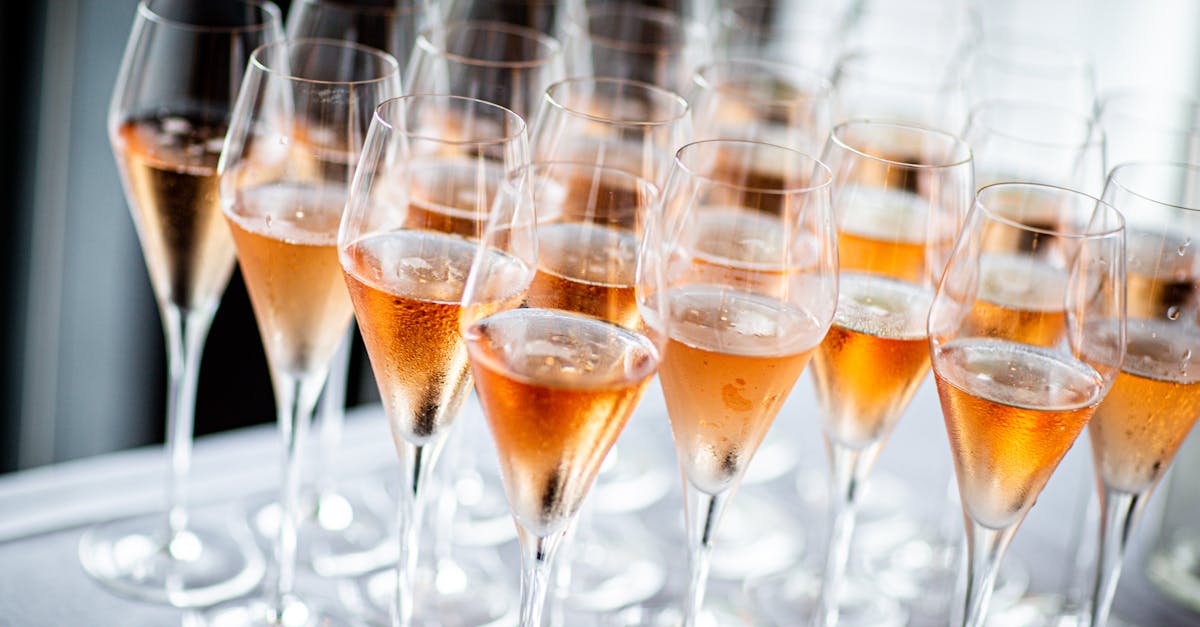
Masks aromas or leads to unpleasantness
Chilling to 8-12°C
- Using an unsuitable glass Rapid disappearance of aromas Choosing a flute or tulip-shaped glass
- Leaving a bottle open for several days Loss of freshness, bubbles disappear Consume quickly after opening
- To vary the pleasures and draw inspiration from best practices, here is a video explaining the strengths and weaknesses of different types of champagne glasses: https://www.youtube.com/watch?v=dsKYFYWCWgI Frequently Asked Questions About Champagne Tasting in 2025
- At what temperature should champagne be served? The ideal temperature is between 8 and 10 degrees Celsius. Too cold and you risk masking the aromas; too warm and the wine will lose its balance.
- How long can you keep an opened bottle of champagne? Ideally, champagne should be consumed within 48 hours
- after opening, even with an airtight cork. What is the best way to open a bottle? Remove the wire cage while
keeping your thumb on the cork. , then slowly unscrew the cork. Never pull sharply. Can you drink vintage champagne every day? Vintage champagne remains an exceptional bottle, perfect for special occasions rather than everyday use.What food pairings should you choose with champagne?
| Seafood, foie gras, but also mature cheeses and certain subtle desserts are excellent companions. | ||
|---|---|---|