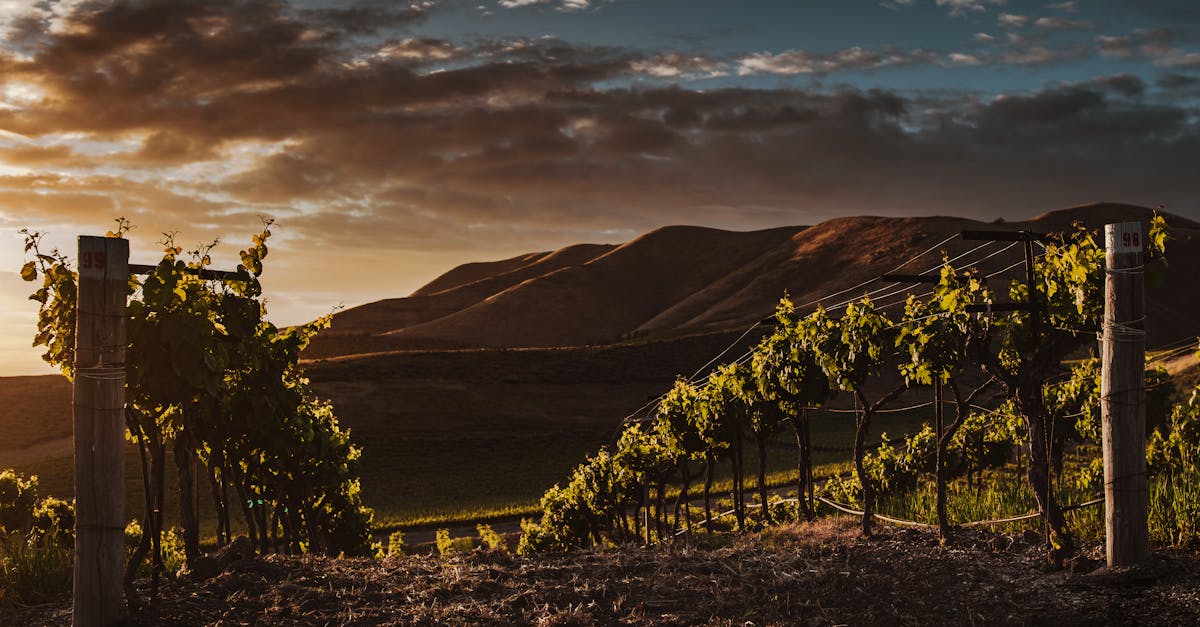
In the heart of Provence, the Palette terroir exudes a rare, almost secret charm that enchants lovers of exceptional wines. Far from the main tourist trails, this little corner of paradise has enjoyed official recognition since 1948, offering a range of red, white, and rosé wines with highly individual profiles. This terroir, nestled in a natural cirque of steep hillsides, is bathed in a temperate Mediterranean climate, protected by hills that act as a shield against the cold north winds. The thousand-year history of this appellation, combined with its vineyards, which produce ancient and varied grape varieties, invites an in-depth and passionate discovery.
With its mere 43 hectares, the Palette vineyard concentrates an incredible botanical and cultural richness, a rather unusual rarity in the French wine-growing landscape. Unusual grape varieties such as Picardan, Castet, and Brun Fourca are found here, constantly attracting wine lovers looking to venture off the beaten track. It’s here that renowned estates like Château Simone and Domaine de la Vallée Heureuse showcase their expertise, blending tradition and terroir to create authentic, full-bodied, often tannic, and always refined wines. You might be wondering what makes this terroir so unique? In reality, it all comes down to its limestone soils, its stone-rich scree, and its relative coolness brought by the nearby Arc River. Combined with rigorous winemaking, this combination produces unique wines, both powerful and elegant, which pair well with seafood, meats in sauce, or grilled fish. To find out more, follow the guide, we will take you to discover the riches and particularities of the Palette terroir, a Provençal jewel not to be overlooked.
What are the geographical secrets of the Palette terroir, just outside Aix-en-Provence?
The Palette terroir is nestled just 4 kilometers east of Aix-en-Provence, within a natural cirque formed by hills that protect the vines from the Mistral and cooler northerly winds. This location is a real asset. Indeed, the Barres de Langesse and Grand Cabri, along with the Cengle mountain, form a natural barrier that gives the region a unique microclimate.
We’re not talking about a flat area here, but rather steep hillsides where the vines are perched on Tertiary limestone scree. These soils are a true treasure for winegrowers, as their poor quality forces the vines to give of themselves without excess, favoring the expression of concentrated aromas in the grapes. The Arc River, which winds through the vineyard, brings a breath of fresh air, especially during the sometimes oppressive Provençal summers, ensuring a beautiful ripeness of the harvest without burning the fruit.
Microclimate protected by the surrounding hills and mountains 🏞️
- Presence of the Arc River providing coolness and regulated humidity 💧
- Limestone and stony soil, characteristic of Provence vines ⛏️
- Steep hillsides favoring good drainage and optimal sun exposure ☀️
- Moderate altitude that balances warmth and coolness according to the seasons 🍂
- In this picture-postcard setting, estates such as Domaine de la Brillane and Château de la Dorgonne exploit these natural conditions to produce local best-sellers, while respecting this strong identity. This is a terroir that prioritizes quality and character over quantity, which explains the small surface area of 43 hectares for a modest production of approximately 1,600 hectoliters per year.
Geographical Element 🌍
| Detailed Description 📋 | Location |
|---|---|
| Natural cirque 4 km from Aix-en-Provence | Terrain |
| Steep hillsides with limestone scree | Microclimate |
| Protected from northerly winds by the Barres de Langesse and Grand Cabri | Hydrography |
| The Arc River runs through the vineyard, providing a cool environment | Soil |
| Alternating limestone and stone, well-drained and not very fertile | Discover the essence of the terroir through its authentic flavors, preserved culinary traditions, and rich heritage. Immerse yourself in the world of local products and learn to celebrate the diverse tastes of our region. |
Total area:
43 hectares
- 💼 Average annual production: 1,600 hectoliters
- 🛢️ Altitude: between approximately 150 and 350 meters ⛰️ Climate: Temperate Mediterranean with continental influence 🌞🌬️
- Main towns: Aix-en-Provence, Le Tholonet, Meyreuil 🏘️
- https://www.youtube.com/watch?v=FHEc8ymDPrE
- Which grape varieties and planting rules characterize Palette wines?
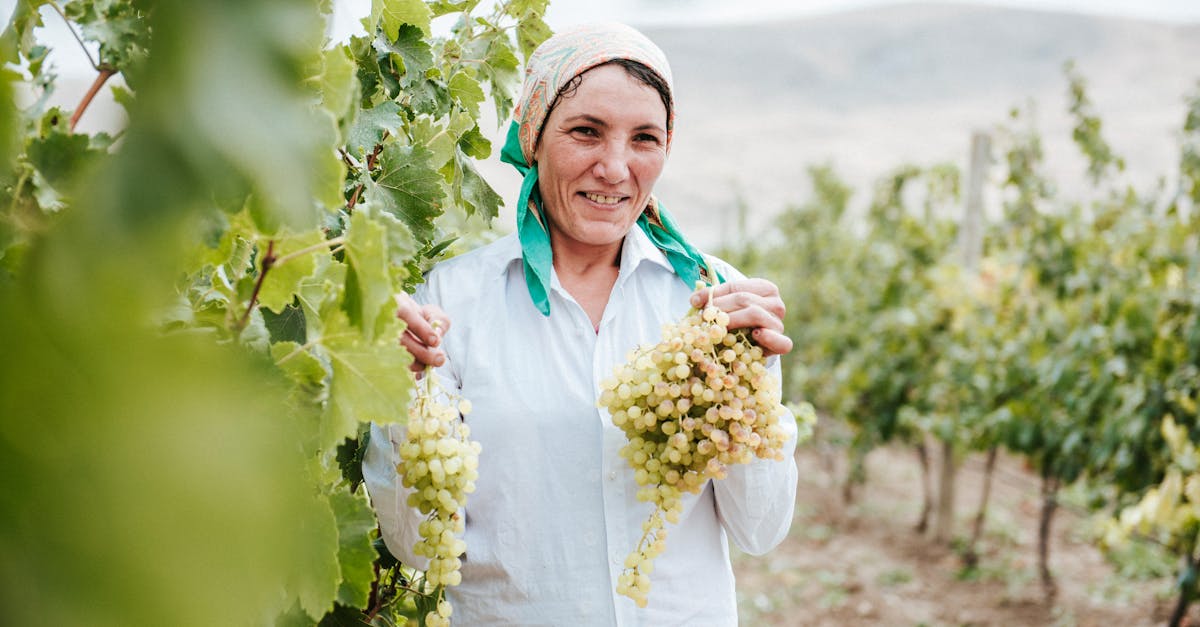
Among the main grape varieties for red and rosé wines are Grenache, Mourvèdre, Cinsault, and Syrah, essential for the structure and powerful character of the blends. For white wines, Clairette, Bourboulenc, and the piquant Araignan bring body and freshness. As for accessories, Castet, Brun Fourca, and even Muscat de Hambourg add a twist to traditional recipes.
Reds and rosés
: Grenache, Mourvèdre, Cinsault, Syrah
- Whites : Clairette, Bourboulenc, Araignan
- Accessories : Castet, Brun Fourca, Muscat de Hambourg, Cabernet Sauvignon
- These original blends require careful plot management, hence the strict grape variety regulations. For example, the proportion of the main grape varieties must always remain in the majority (minimum 55% for whites, 50% for reds and rosés), and some, like Mourvèdre, must reach at least 10% in reds and rosés, to guarantee that distinctive character and silky texture. Wine Color 🍷
Main Grape Varieties 🌱
| Secondary Grape Varieties 🌿 | Essential Proportions 📐 | Red & Rosé | Grenache, Mourvèdre, Cinsault, Syrah |
|---|---|---|---|
| Castet, Brun Fourca, Cabernet Sauvignon, Carignan, Durif | Min. 50% main grape varieties, Mourvèdre ≥ 10% | White | Clairette, Bourboulenc, Araignan |
| Colombaud, Furmint, Muscat à petits grains, Terret gris | Min. 55% main grape varieties, Terret Gris ≤ 20% | Palette wines also maintain a very low residual sugar content after fermentation: no more than 3 grams per liter for the reds, 4 grams for the whites and rosés. This gives them the dry, full-bodied, and tannic profile that has made them renowned among connoisseurs. Vinification follows classic methods, with the reds aged for at least 18 months in oak barrels, which allows for the development of a silky balance and aromatic depth worthy of the finest vintages. | Discover the importance and richness of terroir, a concept that unites culture, gastronomy, and expertise, while highlighting the authentic, local products that are the pride of our regions. |
If you’re looking to better understand the nuances of Palette’s grape varieties and blends, consider also taking a look at the efforts of renowned producers, such as Domaine Michel et Stéphane Ogier, Château des Trinités, or Domaine du Puy, who perfectly master the terroir to create these unique wines. To delve deeper, a detour through the selection of Rhône white wines can also shed light on regional similarities and differences.
What are the aromatic profiles and taste characteristics of Palette wines? Spending a moment tasting Les Vins de Palette is like immersing yourself in a sensory universe where Mediterranean freshness and typical robustness blend flawlessly. The reds are tannic, fleshy, and refined, with deep spicy notes, often enhanced by a hint of ripe red fruits and undergrowth. This complex character works wonderfully with meats in sauce or mature cheese. The whites, dry and full-bodied, reveal well-balanced floral aromas with a slight acidity that refreshes the palate. Hints of white-fleshed fruits and citrus are often perceived, a true delight on a seafood platter or fish soup. As for the rosés, they surprise with their aromatic intensity, combining lightness and roundness, perfect partners with grilled fish or white meats. Red: Tannic, spicy notes, red fruits and undergrowth 🍓🔥
Rosé: Dry, aromatic, fresh with roundness and persistence 🍑🌸
Type of wine 🍷
Main characteristics 📝
- Suggested food and wine pairings 🍽️
- Serving temperature 🌡️
- Red
| Tannic, full-bodied, refined, spices, red fruits | Meats in sauce, cheeses 🧀 | 14°C | White |
|---|---|---|---|
| Dried, full-bodied, floral, citrus, white fruits | Seafood, fish soup 🦐 | 10°C | Rosé |
| Dried, aromatic, light, fresh | Grilled fish, white meats 🍗 | 10°C | These wines are not just beverages, but true experiences to be shared, as offered by the Maison des Vins de Palette, where wine lovers and enthusiasts can come taste, learn, and exchange ideas without any hassle. For a more in-depth tasting adventure, don’t hesitate to explore other Mediterranean vineyards, starting with those in the nearby Bandol appellation. |
| How does the production and expertise of the winemakers work in Palette? | At Les Vignerons de Palette, every step counts to enhance this unique terroir. The vineyard is managed with near-exemplary respect for the natural ecosystem. The surrounding biodiversity plays an important role, with practices ranging from manual labor to meticulous winemaking. | Harvesting takes place when the grapes have reached perfect ripeness, with very precise sugar levels (at least 187 g/l for whites and rosés, 198 g/l for reds), guaranteeing a complex and structured wine. Vinification is traditional, using local, loyal, and consistent methods, with careful blending respecting the grape variety proportions. | Vineyard care on steep terrain, ecological management 🐝 |
Hand-harvested for rigorous selection 🍾Traditional vinification with oak aging for the reds 🪵 Blending respecting regulatory proportions ✔️
Aging for a minimum of 8 months for whites and rosés, 18 months for reds ⏳
The greatest estates, such as Château Crémade and Domaine du Puy, make a point of maintaining this high standard. This approach combines ancestral know-how with the pursuit of quality, a process that allows for controlled marketing, often confidential but highly sought-after. In 2025, demand for these wines that respect the terroir continues to grow, confirming the success of the work of local producers.
Discover the essence of the terroir through authentic and local products, reflecting the natural and cultural riches of our regions. Immerse yourself in a unique taste journey, rich in flavors and traditions.
- For those curious to learn more about the nuances of production or Palette’s unique blends, you can draw inspiration from trade fairs or events specializing in organic wines, such as the Organic Wine Fair in Libourne. These are ideal opportunities to broaden your palate and enhance your winemaking culture, while discovering methods similar to those practiced by Provençal winemakers. Why does the Palette appellation remain a hidden gem, and how can you discover it? With its only 43 hectares, Palette is a bit of a rare gem, traded on the wine market as a hidden gem. Limited production, combined with the complexity and care taken, means that bottles from this appellation are rare. This preserves an exclusive character, highly prized by connoisseurs wishing to taste wines with a true Provençal identity.
- The reputation of Château Simone and Château Crémade, true flagships, nevertheless allows Palette to stand out while maintaining a traditional, family-run feel. To discover these wines, there’s no better place than the Maison des Vins de Palette, which serves as a platform for welcoming and promoting local wines. You’ll also find contacts with small producers like Domaine de la Vallée Heureuse or Domaine Michel et Stéphane Ogier, who share their passion with simplicity. Visit the Maison des Vins de Palette for an introduction to wine 🏠
- Participate in tastings organized by the Caves de Palette
- 🍷
- Explore family estates such as Domaine du Puy or Château des Trinités
🌿
📚 Store the bottles for several years to reveal their full potential ⏳Appearance 🌐
Benefits / Tips 💡
Limited production
Guaranteed exclusivity, rare wines to find, high quality
- Estates to visit Château Simone, Domaine de la Vallée Heureuse, Château Crémade Access to the wines
- Maison and Caves de Palette for tastings and purchases Key moments Harvests, guided tours, local events
- Recommendations Also explore other regional appellations like Bandol Ultimately, Palette plays the exceptional terroir card by focusing on quality over quantity. A gem that’s a pleasure to discover, bottle in hand, during a Provençal picnic or a gourmet meal. If you love authentic flavors, you’ll definitely be won over by this signature wine, which is now the pride of Provence’s winemaking scene. https://www.youtube.com/watch?v=SVq-T5rlXeY
- FAQ: Everything you need to know about the Palette terroir What is the area of the Palette vineyard? It covers approximately 43 hectares, spread across three communes.
- What types of wines does the Palette appellation produce?