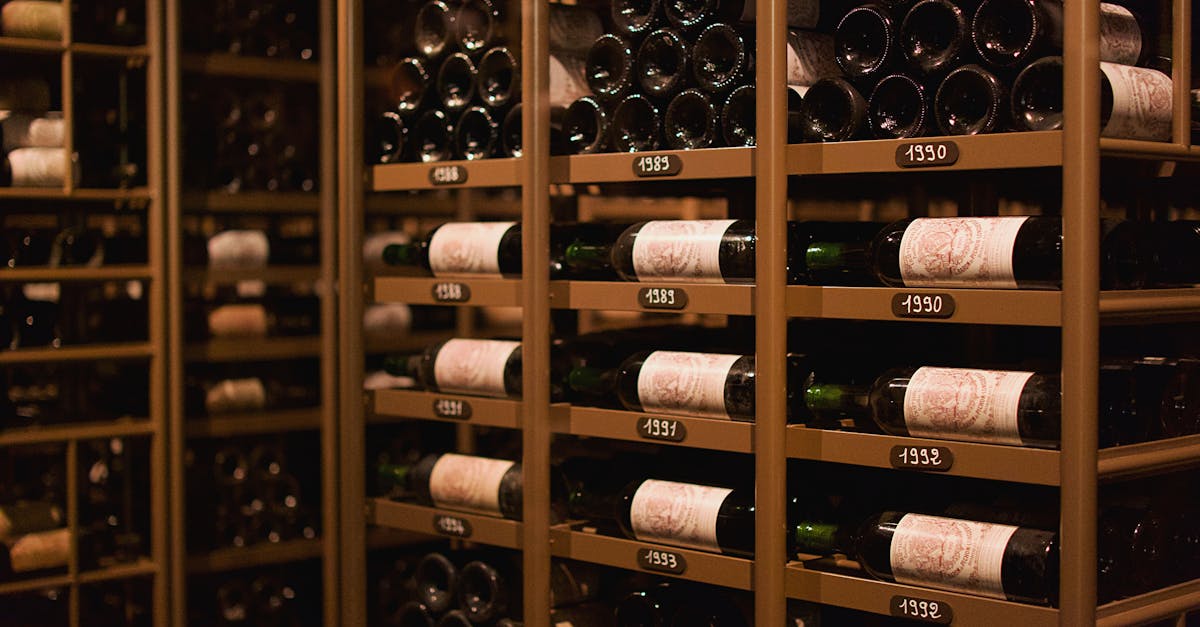
Bordeaux wine is an undisputed star on the global wine scene, and its appreciation often goes beyond the taste buds to touch the very roots of the terroir, tradition, and quality. The key to this renown lies largely in the appellation d’origine contrôlée (AOC), a label that goes far beyond a simple stamp on a bottle. This status, the result of a rich history and meticulous expertise, offers a valuable guarantee for both producer and consumer. But then, what is the true importance of the AOC in the success of these wines that are the pride of Bordeaux? This is what we invite you to dissect, by delving into the heart of a system that is both rigorous and passionate, a true driving force behind the quality, prestige, and international recognition of Bordeaux wine. We invite you to discover how the AOC imposes its rules on the Bordeaux terroir, influences the perceptions of wine lovers and sommeliers, and, above all, how it plays a key role in the often complex market for quality wine. Whether you’re a curious novice or a seasoned enthusiast, understanding the impact of this label on Bordeaux wine, including the prestigious Château Margaux, Château Lafite Rothschild, and Château Latour, is an essential addition to your winemaking bow. Let’s uncover the secrets of the AOC and its iconic power on the French and global wine scene.
Why the Appellation d’Origine Contrôlée is the key to the prestige of Bordeaux wine
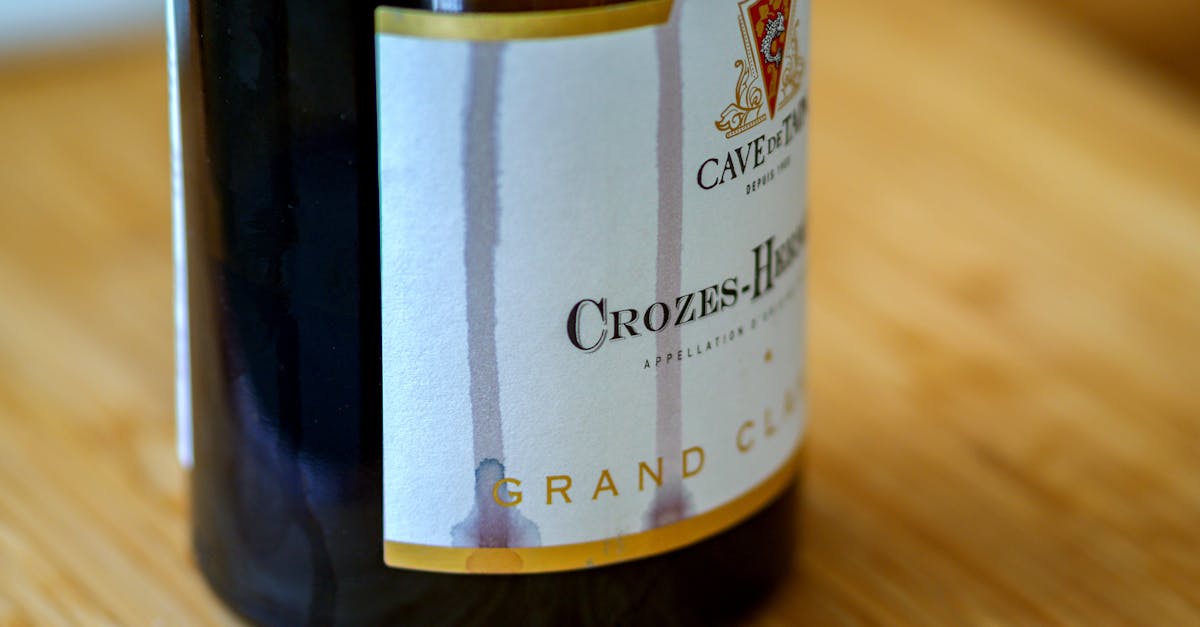
The Appellation d’Origine Contrôlée (AOC) isn’t just a label affixed to a bottle with millimeter precision. It’s above all a guarantee that maintains Bordeaux wine at a level of excellence recognized worldwide. This designation is based on strict specifications, overseen by the National Institute of Origin and Quality (INAO), which ensures that each stage of production respects the region’s terroir and expertise.
To ensure this is the case, the AOC imposes rules that address:
🌿
- Geographical area : The wine must come from a specific, demarcated area where the climatic and soil conditions contribute to the wine’s quality and character. 🍇
- Authorized grape varieties : Bordeaux is famous for its blends of Merlot, Cabernet Sauvignon, and Cabernet Franc, but also for those used to make white wines such as Sauvignon Blanc and Sémillon. ⚙️ Growing and winemaking methods
- : Each practice is defined, from vine pruning to maximum yield, to avoid diluting quality. 🧪 Rigorous controls
- : The wines undergo analytical and organoleptic tests before being authorized to use the AOC label. These controls are not there to annoy, but to ensure that the wines, whether from Château Mouton Rothschild or a smaller, less famous estate, retain the unique and typical character we expect. This is the guarantee of a wine faithful to its terroir, with consistent quality, satisfying both connoisseurs and curious amateurs. Discover the fascinating world of appellations, a term that designates the specific names of products such as wine, cheese, or other food products, highlighting their origin, quality, and unique character. Dive into this article to learn more about the importance of appellations and their impact on food culture.
This rigor explains why Bordeaux wines bearing an AOC now enjoy a firmly established reputation in the wine world. Whether it’s Château Haut-Brion, a historic pioneer, or Château Palmer, these famous estates all share this framework, which enhances their production, allowing them to stand out in a highly competitive market.
Why it’s important 🌟
| Defined Geographical Zone | Ensures a strong link between the wine and its terroir, creating a unique identity. |
|---|---|
| Specific Grape Varieties | Preserves the taste and authenticity of Bordeaux wines. |
| Regulated Cultivation Practices | Guarantees quality at every harvest. |
| Strict Controls | Prevents fraud and maintains consumer trust. How the AOC Contributes to the International Recognition of Bordeaux Wine |
| Let’s take it a step further: without the AOC, Bordeaux wine might not be the global star it is today. Indeed, this label acts a bit like a passport that wines bearing the “Bordeaux” emblem proudly brandish in international markets. If you take a look at current figures, AOC wines represent an impressive share of French exports, with an aura of trust and prestige that opens many doors around the world. | Among the advantages that the AOC gives Bordeaux wine on the world stage, we can mention: |
🌏
Legal Protection
: The label prevents counterfeiting, protecting the reputation of authentic wines against the rise of imitations.
- 💼 A Powerful Marketing Effect : From one application to another, an AOC wine captures the attention of distributors, sommeliers, and consumers around the world. 🏆
- Continuous quality validation: Producers are challenged by this framework, which tolerates no slack, ensuring consistency that is valued for export. 🤝 A link to history and terroir:
- The AOC doesn’t just sell wine; it sells a history, a heritage, a culture that appeals to foreign markets. It’s no coincidence that prestigious names like Château Léoville Las Cases and Château Cos d’Estournel are among the estates that benefit fully from this recognition. Thanks to the AOC, these classified growths are synonymous with excellence and attract a discerning public, as well as international investors who see them as a sound investment. https://www.youtube.com/watch?v=CueTvSBBMUM
- Advantages of the AOC for Bordeaux wine exports 🛫 Market impact 🌟 Protection against counterfeiting
Preserves the integrity and value of wines on the global market.
| Facilitates access to distributors and wine merchants across the globe. Guaranteed quality image | Strengthens consumer trust and loyalty. |
|---|---|
| Increases economic value | Increases prices and demand in high-end channels. |
| The specific characteristics of the Bordeaux terroir are highlighted by the AOC | Let’s talk about terroir, a key word in the vocabulary of wine that takes on its full importance in an appellation of controlled origin like Bordeaux. A terroir is an almost magical balance between nature and the hand of man. Here, the soil, geology, climate, and expertise create that certain something that no other terroir can copy. |
| The AOC therefore requires respect for this local identity by clearly imposing the precise areas where the wine must be produced, using only certain grape varieties suited to the terrain. For Bordeaux, this means: | 🌱 |
| Varied soils | , ranging from sandy gravel and clay-gravel near the Garonne and Dordogne rivers, to clay and limestone. |
☀️
A temperate oceanic climate
that provides the mildness and humidity essential for optimal grape ripening.
- 🍷 A typical blendbased on tradition, with dominant proportions of Merlot or Cabernet Sauvignon depending on the sub-region.
- 👩🌾 Knowledge passed down from generation to generation, adapting growing practices to natural conditions.
- This unique combination allows Left Bank wines like Château Lafite Rothschild or Château Montrose to produce powerful wines with good aging potential, while the Right Bank favors a rounder, more supple profile, such as Château Pichon Longueville or Château Haut-Brion. Discover the fascinating world of appellations, a term that refers both to the names given to superior products and to wine-growing regions. Learn how these designations guarantee the authenticity and origin of your favorite wines, and delve into the history and culture that surround them. Elements of the Bordeaux Terroir ⚡ Contribution to Wine 🍷
- Soil Type Diversity that influences the aromas and textures of the wines. Climate
Temperate oceanic climate allowing for a balance between acidity and ripeness.
| Varied blends adapted to the terroir, ensuring a complex flavor. | Local Know-How |
|---|---|
| Traditional and modern techniques enhance the character of the wine. | The Economic and Cultural Challenges of the AOC for Bordeaux |
| The AOC goes beyond a simple taste to establish itself as a true economic, social, and cultural driver for the Bordeaux region. Behind each bottle, there is a territorial dynamic that mobilizes thousands of jobs, generates wealth, and helps maintain remarkable winegrowing landscapes. Here’s what the AOC actually brings to Bordeaux: | 💶 |
| Product enhancement | : AOC wines are often sold at higher prices, boosting the profitability of the estates. |
| 👩🌾 | Support for local agriculture |
: The AOC encourages sustainable practices and greater respect for the environment, which appeals to responsible consumers.
🏰
A tourist attraction
- : The prestige associated with fine wines attracts visitors, creating a virtuous circle between culture, terroir, and the economy. 📚 A transmission of heritage
- : The AOC helps preserve winemaking traditions that are the living memory of the Bordeaux region. The challenges associated with the AOC are therefore multiple, intertwining the protection of expertise and the economic development of the region. This explains why many players in the industry, from small winegrowers to the Bordeaux giants (Château Cos d’Estournel, Château Mouton Rothschild), invest tirelessly in this label. https://www.youtube.com/watch?v=nhIxqjgc26Q Impacts of the AOC on Bordeaux 💼
- Beneficial effects 📈 Increased selling prices Better remuneration for producers
- Local jobs created Stimulation of the regional economy Development of wine tourism
Increased economic flow and global visibility
| Maintenance of authentic practices and landscapes | FAQ: Frequently asked questions about the Appellation d’Origine Contrôlée and Bordeaux wine |
|---|---|
| ❓ | What exactly is an AOC? |
| It is a French label that guarantees that a wine is produced in a specific geographical area, according to strict rules defined to preserve quality and authenticity. | ❓ |
| What is the difference between an AOC and an AOP? The AOC is the traditional French version, while the AOP is the European label that protects on a broader scale but with similar criteria. | ❓ |
| Do all the great Bordeaux châteaux have an AOC? | Yes, prestigious estates like Château Margaux, Château Lafite Rothschild, and Château Latour are covered by recognized appellations, often synonymous with undisputed excellence. |
❓
- Does the AOC always guarantee a quality wine? Rather, it guarantees that the wine respects the expertise and the terroir, but the tasting remains personal. However, the stringent controls significantly limit unpleasant surprises.
❓ - How does the AOC influence the price of wine? An AOC wine often commands a higher price thanks to its recognition, its controlled origin, and the quality image associated with it.
-
-
-