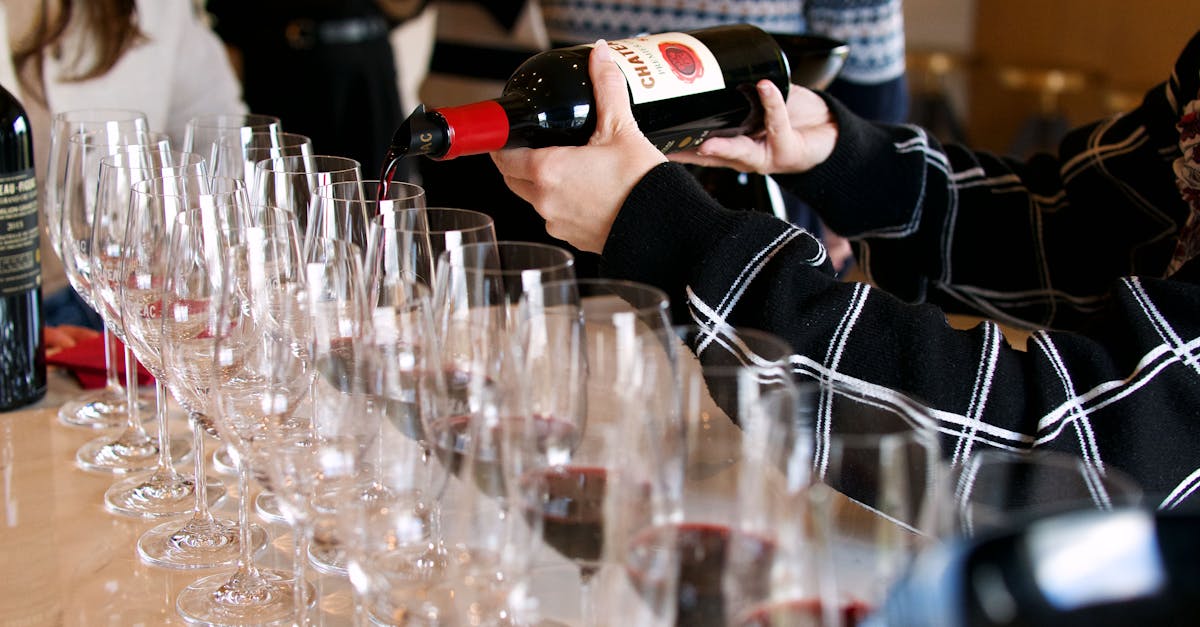
Bordeaux red wine, this treasure that has stood the test of time, remains a jewel of French viticulture in 2025. Its unique character, the result of a subtle blend of diverse terroirs, noble grape varieties, and ancestral expertise, fascinates both novices and seasoned connoisseurs. More than just a wine, it’s a sensory experience where each sip tells a rich story of traditions and terroirs shaped by the Garonne and Dordogne rivers and their estuary, the Gironde. The remarkable diversity of its appellations, the finesse of its classified growths such as Château Margaux and Château Lafite Rothschild, and the complexity of its Merlot and Cabernet Savignon blends, all contribute to this unique alchemy. We’ll take you on a journey into this captivating world, discovering what truly defines the personality and charm of Bordeaux red wines. This wine is not just an exceptional product: it is also a cultural symbol, a vector of heritage, forged over the centuries and attached to its territory. The Bordeaux terroirs, with their stony, clayey, and limestone soils, offer the wine an aromatic palette as vast as it is complex. The temperate oceanic climate, tempered by the pine forest, provides this regularity and sunny autumns which, year after year, contribute to vintages of remarkable quality. Red Bordeaux thus comes in multiple styles, from the tannic power of the Médoc, embodied by prestigious vintages such as Château Latour or Château Mouton Rothschild, to the gourmet roundness of the wines of the Right Bank, with Saint-Émilion and Pomerol at the forefront.
Beyond the historical and geographical dimensions, the structure of Bordeaux red wines is based on a fascinating blend that rarely leaves one indifferent: the marriage of Merlot, Cabernet Franc, and Cabernet Sauvignon, sometimes enriched with Malbec or Petit Verdot, creates rich, balanced profiles that are well-suited to aging. This ability to evolve over time, gaining complexity over the years, is another strong marker of the identity of Bordeaux reds. Whether one is interested in entry-level, accessible and fruity wines or exceptional crus classés, Bordeaux reds occupy a special place in the world of wine, brilliantly combining passion, tradition, and modernity.
What factors explain the unique character of Bordeaux red wine?
The unique character of Bordeaux red wine is not due to chance alone. It is based on a set of combined factors, each acting to lay a brick in the complex edifice of this exceptional wine. First and foremost, we must talk about
terroir , that essential keyword that summarizes all the particularities of a region, whether it be the soil, the climate, or the terrain. In Bordeaux, this terroir is anything but uniform, which creates an unprecedented richness.Here are the major elements that shape the exceptional character of these wines:
🌍
- Soil diversity : Bordeaux is a patchwork of terroirs where we find well-drained gravel, ideal for Cabernet Sauvignon, rich clay perfect for Merlot, and limestone that brings finesse and elegance. ☀️ The temperate oceanic climate, tempered by the Landes forest, which protects the vineyard from excess humidity and wind, thus ensuring optimal grape ripeness. 💧 The Garonne, Dordogne, and Gironde rivers
- act as thermal regulators, providing nighttime coolness and protection against frost. 🍇The blend of grape varieties
- is the keystone of Bordeaux’s identity, where Merlot often dominates (up to 66% in some areas), providing roundness and richness, while Cabernet Sauvignon offers structure and length, and Cabernet Franc finesse and elegance. 🏰 Ancestral know-how
- passed down from generation to generation, particularly in prestigious estates such as Château Margauxor
- Château Lafite Rothschild , which have successfully preserved and enhanced this heritage. This complex cocktail makes all the difference, making each bottle unique yet recognizable, with this Bordeaux style that is both powerfully elegant and technically mastered. Key Element 🗝️ Description Impact on Wine 🍷 Soil (gravel, clay, limestone)Variety of soils that favor different grape varieties
Influences the balance between structure, suppleness, and finesse
| Oceanic climate | Temperate, protected by the pine forest | Ensures even ripening and consistent vintages |
|---|---|---|
| Presence of the rivers | Garonne, Dordogne, Gironde | Moderates temperatures, preserves the health of the grapes |
| Blend of grape varieties | Merlot, Cabernet Sauvignon, Cabernet Franc, Malbec, Petit Verdot | Aromatic balance and aging potential |
| Château expertise | Refined viticultural and winemaking techniques at renowned estates | Consistent quality and distinctive character |
| The result of this alchemy? Wines with a rich aromatic profile, combining red and black fruits, balsamic, spicy, and sometimes smoky notes, supported by a silky tannic texture and a perfect balance between freshness and power. | Discover the richness and complexity of Bordeaux red wines. Savor the refined aromas and intense flavors of the region’s famous grape varieties. Perfect to accompany your meals or enjoyed on their own, these wines are the pride of France. | How do Bordeaux appellations influence the style of red wines? |
| In Bordeaux, red wine doesn’t come in a single flavor, but rather in a rich array that varies depending on geography and appellation. The main distinction is between the Left Bank and the Right Bank of the Gironde, two areas with very different profiles, complemented by regional appellations and micro-terroirs. Their influence on the wine’s style is incredible. The Left Bank is home to world-renowned appellations such as the Médoc, home to legendary estates such as Château Latour, Château Mouton Rothschild, Château Palmer, and Château Pichon Longueville. These wines are generally dominated by Cabernet Sauvignon, which gives them a robust tannic structure, a beautiful concentration of aromas, and impressive aging potential. Their style can be summarized as follows: | 🛡️ | Powerful tannic structure |
that lends body and longevity

🍖 Perfect pairing with grilled red meats and game
The deep, well-drained gravel of this left bank represents an ideal terroir for thick-skinned grape varieties like Cabernet Sauvignon, favoring the expression of a great wine for aging. Finesse and elegance remain the order of the day thanks to rigorous cultivation practices. The famous Château La Mission Haut-Brion , which also produces red wines on the left bank in Pessac-Léognan, is the perfect example of the balance between power and subtlety. For their part, the wines of the right bank
, particularly those of Saint-Émilion and Pomerol, focus on roundness and richness, with a large predominance of Merlot. This fundamental difference results in characteristics such as: 🍒 Generous, fruity aromas – cherry, plum, ripe fruit🌸 Silky texture and softer tannins, accessible from the first few years 🥘 Ideal accompaniment to stews or dishes in saucesThe often clay-limestone terroir of these appellations favors this delicate grape variety, lending it richness and finesse. Two examples, such as Château Haut-Brion and Château Cos d’Estournel, demonstrate the excellence and diversity that exist in this geographical area. This local diversity also makes Bordeaux an incomparable wine region, always leaving room for surprise and discovery. Left Bank 🏰 Right Bank 🌿Appellations: Médoc, Pauillac, Margaux, Graves
- Appellations: Saint-Émilion, Pomerol, Fronsac Dominant grape variety: Cabernet Sauvignon Dominant grape variety: Merlot
- Style: powerful, tannic, long-lasting
- Style: supple, fruity, accessible young
Aromas: blackcurrant, cedar, tobacco, spices Aromas: red fruits, sweet spices, truffleFood pairings: red meats, game
Food pairings: stews, meats in sauce To get the right wine tasting results, you simply need to choose the terroir according to your tastes and occasions. You can explore the diversity of wines through nuanced comparisons, such as those offered in this excellent article on Bordeaux wine types for wine lovers. https://www.youtube.com/watch?v=7Jl3tpl2OosWhat role do grape varieties play in the Bordeaux aromatic profile?
- This point cannot be overstated: the aromatic secret of red Bordeaux stems largely from the grape varieties that compose it and the way they are blended. It’s a complex interplay between three main stars, sometimes complemented by two secondary grape varieties, that creates the famous Bordeaux character. The major grape varieties in Bordeaux reds are: 🍒
- Merlot – The king of grape varieties, especially on the Right Bank, it brings suppleness, fruitiness, and roundness.🌿
- Cabernet Sauvignon
– Dominant on the Left Bank, known for its firm tannins, structure, and blackcurrant aromas. 🌿 Cabernet Franc – Less present, it generally completes the blend with a touch of elegance, finesse, and vegetal notes. In addition to these three main grape varieties, Petit Verdot and Malbec sometimes appear in small quantities, providing an aromatic boost or increasing the structure.
| These grape varieties create a varied aromatic palette, which can include: | 🍓 Red fruits (cherry, strawberry, raspberry) for youth |
|---|---|
| 🍇 Black fruits (blackcurrant, blackberry, blueberry) for added depth | 🌿 Woody, spicy, and undergrowth notes from aging in oak barrels |
| 💨 Sometimes balsamic or honeyed accents due to the ripe grapes | This harmonious blend is reflected in the wines of legendary estates such as |
| Château Montrose | , |
| Château Palmer | , and |
| Château Mouton Rothschild | , which have perfectly mastered the art of balancing power, finesse, and longevity. Grape Variety 🍇 |
Role Aromatic NotesContribution to the Wine
Brings roundness and fruitiness
Cherry, plum, ripe black fruits
Smoothness and approachability when young
- Cabernet Sauvignon Structure and power Blackcurrant, spices, tobacco
- Longevity and firm tannins Cabernet Franc Elegance and complexity
- Vegetable, peppery, floral Finesse and balance Petit Verdot
Enhances color and tannins
Spices, cocoa
- Intensity and aging potential
- Malbec
- Brings color and fruitiness
- Black fruits, violet
Aromatic richness Need to broaden your wine culture? This immersion in the grape varieties of theSouthwest or those of the Loire Valley can give you good benchmarks to better understand the exceptional qualities of the Bordeaux terroir. https://www.youtube.com/watch?v=AurrM5ZjnVQHow has history shaped the identity of Bordeaux red wine?
| Bordeaux wine, and particularly its red wine, owes much of its character to its long and rich history. Vines were established in the Gironde region as early as the 1st century AD, but it was in the 12th century that the true foundations of trade and renown were laid. The marriage of Eleanor of Aquitaine to Henry Plantagenet opened the doors to the British market for what were known as clarets. | Some important historical milestones not to be missed: | ⚔️ | Middle Ages: |
|---|---|---|---|
| Exports to England ensured Bordeaux’s growing reputation. | ⚓ | 17th century: | The Dutch encouraged the production of sweet white wines, expanding markets. |
| 📦 | 18th century: | Bottled wines and classification in 1855 established a quality system recognized worldwide. 🌿 | Crises and Renaissance: |
| Phylloxera, wars, and economic crises impacted but also reinforced quality through oenological innovations. | 🚂 | Industrial Age: | Railways and free trade facilitated the global distribution of prestigious wines such as Château Palmer and Château Pichon Longueville. |
| This deeply rooted history explains why Bordeaux is often perceived as one of the most fascinating and prestigious wine regions. Even today, the prestigious Crus classification, as well as iconic estates such as Château Haut-Brion and Château La Mission Haut-Brion, continue to embody a living heritage, where modernity rubs shoulders with tradition. Historical Period 📜 | Key Event | Impact on Wine | 10th-12th Century |
| Introduction of the vine with the marriage of Eleanor of Aquitaine | Beginning of trade with England | 17th Century | Development under Dutch influence |
Rise of sweet wines, technical innovations 1855 Official classification of Médoc and Sauternes wines International recognition, increased prestige 20th Century
Reorganization and Quality Improvement
Late 20th Century – Present
Investments, Oenological Advances, Opening of the Asian Market
- Consolidation and Diversification For those seeking a more detailed understanding of this history or comparison with other regions, resources such as this article on the history of wine in the Rhône Valley or this one on wine in Savoie provide fascinating additional insights. Discover Bordeaux red wine, a true expression of French terroir. Savor its rich and complex aromas, derived from iconic grape varieties such as Merlot and Cabernet Sauvignon. Perfect to accompany your meals or enjoyed on its own, Bordeaux red wine embodies elegance and French winemaking tradition.
- What food and wine pairings bring out the best in Bordeaux red wine? Tasting a Bordeaux red also means knowing how to pair it to bring out the flavors in your mouth. The unique character of this wine is even more appreciated when paired with the right dishes. Whether you prefer a simple meal with friends or a more elaborate dinner, Bordeaux offers options for all tastes and occasions. Here’s a hassle-free guide to pairing Bordeaux reds by style:
- 🍖 Left Bank wines (e.g., Château Lafite Rothschild, Château Latour): Their powerful tannic structure pairs well with grilled red meats, game, or mature cheeses.
- 🥘 Right Bank wines (e.g., Château Cos d’Estournel, Château Haut-Brion): They pair perfectly with stews, poultry in sauce, or mildly spiced stews.
- 🥩 The Côtes de Bordeaux are fruitier and lighter, making them ideal companions for barbecues, charcuterie dishes, or soft cheeses. Finally, red Bordeaux can also surprise with less classic pairings: dark chocolate, tapas platters, or even lightly spiced dishes highlight its complex notes. Red Bordeaux Style 🍷 Food Pairings 🍽️Examples of Estates
Left Bank Grilled red meats, game, mature cheeses Château Lafite Rothschild, Château Latour, Château Mouton Rothschild Right BankSimmered dishes, poultry in sauce, stews
| Château Haut-Brion, Château Cos d’Estournel, Château La Mission Haut-Brion | Côtes de Bordeaux | Barbecue, charcuterie, soft cheeses |
|---|---|---|
| Château Montrose, Château Palmer, Château Pichon Longueville | For more practical tips and tricks, don’t hesitate to consult this page dedicated to the flavors of Southwest wines, which also contains many interesting pairing ideas. FAQ – Focus on Bordeaux Red Wine 🍷❓ | Why does Bordeaux red wine stand out from other red wines? |
| Because it combines terroir diversity, a unique blend of grape varieties, and ancestral expertise, offering a rich aromatic palette and exceptional aging potential. | What are the emblematic grape varieties of Bordeaux reds? | Merlot, Cabernet Sauvignon, and Cabernet Franc dominate the blend, sometimes complemented by Petit Verdot and Malbec. |
| How do you choose a Bordeaux red according to your preferences? | For a powerful and tannic wine, favor the Left Bank appellations like Médoc and Pauillac. For more supple and fruity wines, head to Saint-Émilion or Pomerol on the Right Bank. | What dishes pair best with Bordeaux red? Grilled red meats and game pair well with Left Bank wines, while stews and casseroles pair well with Right Bank wines. |
| Can all Bordeaux reds age? | Most grands crus have excellent aging potential, some lasting several decades, while younger wines should be consumed within 5 to 10 years. | |