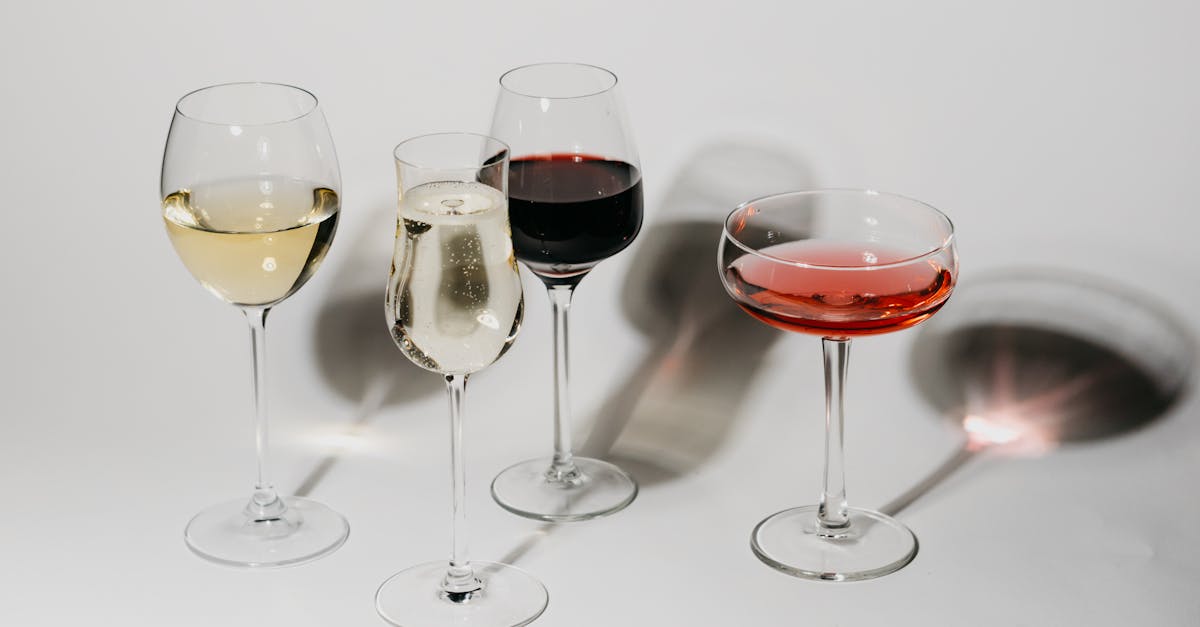
In the Burgundy wine landscape, Chardonnay occupies a prominent place; it leaves no one indifferent. This emblematic white grape variety is much more than just a simple grape variety. It embodies the very essence of the Burgundy terroir, capable of expressing the richness and diversity of the soils with disconcerting elegance. From Chablis to Meursault, via Puligny-Montrachet and the Maconnais, each plot tells a different story that Chardonnay knows how to magnify. This guide immerses you in the heart of a grape variety that, although often overlooked, deserves special attention to understand its fundamental role in the production of great Burgundy white wines. Prepare to discover how this golden-hued grape seduces so many wine lovers thanks to its versatility, finesse, and keen sense of terroir.
We’ve put together this comprehensive guide to help you pinpoint exactly what Chardonnay brings to Burgundy wines. How does this grape variety, often referred to as a chameleon, convey the subtleties of Burgundy’s clay-limestone soils? Why do certain vintages like Corton-Charlemagne or Saint-Aubin become essential references thanks to it? And above all, what are those subtle aromatic nuances that will make you fall in love with white Burgundy made from Chardonnay? Without any fuss, we’ll dispel some preconceived notions and give you the keys to understanding this grape variety that has been turning heads for centuries. Plus, you can extend the tour with tasting gems and food and wine pairings to truly dazzle your eyes at your next meal.
Chardonnay, a star grape variety of Burgundy with a rich and versatile history
Chardonnay didn’t come out of nowhere. Its roots run deep into the Burgundy vineyards, where it has been cultivated for centuries. In fact, this grape variety is a direct and natural descendant of Pinot Noir, itself crossed with Gouais Blanc, two emblematic grape varieties of the region. The commune of Chardonnay, located in the heart of the Haut-Mâconnais region, is even said to have given its name to this very popular grape variety. This connection between history, geography, and the vine is part of the magic of Burgundy. You’ll never look at a Chardonnay the same way again.
The Cistercian monks of the Middle Ages, true figures in Burgundy’s viticulture, carefully selected their vineyards. Their expertise, passed down from generation to generation, has allowed Chardonnay to establish itself in prestigious appellations such as Meursault, Puligny-Montrachet, and Chablis. Today, while the entire world is fighting over this grape variety, Burgundy remains the essential cradle where it expresses its full potential. Its grapes are distinguished by rather small and elongated bunches, with airy berries that turn a fine golden color at the ripening period. Its generous flesh and sweet juice facilitate a winemaking process that can vary considerably depending on the region, the terroir, and the winemaker’s choices. In short, Chardonnay is a bit like an actor on stage, adapting to all roles: sometimes fresh and lively in Chablis, sometimes rounder and woodier on the Côte de Beaune. 👉 Things to remember about the history of Chardonnay in Burgundy:A direct descendant of Pinot Noir and Gouais Blanc 🍇 Origin confirmed in the village of the same name, in the Haut-Mâconnais 🏘️ A grape variety that has grown with history thanks to the Cistercian monks ⛪ Adopted in the greatest Burgundy appellations 🏅Present in approximately 25% of the vines planted in Burgundy 🍷
Characteristics DetailsImpact on the Wine BunchesSmall and elongated
Allows even ripening of the grapes
- Grape Color
- Golden at ripening
- Provides rich notes and beautiful aromatic intensity
- Biological Characteristics
- Early and sensitive to frost
| Requires special vigilance in viticulture | The magnificence of Chardonnay also comes from its ability to adapt to the local characteristics of the Burgundy terroir, which is not the case for all grape varieties. Pinot Noir, its cousin, is rather capricious to plant and harvest outside of Burgundy, while Chardonnay thrives in all conditions. This is undoubtedly why it has established itself almost everywhere in the world, but it is still in Burgundy that it displays its full charm. For a detailed look at Burgundy grape varieties, you can take a look at this article on the grape varieties of Burgundy. Discover Chardonnay, an elegant and versatile grape variety renowned for its aromas of fresh fruit and white flowers. Ideal as an accompaniment to your dishes, this white wine will seduce all palates with its richness and complexity. | How Burgundy’s Terroirs Shape Chardonnay |
|---|---|---|
| The secret of Chardonnay is that it thrives on the land where it grows. Burgundy is the beating heart of this perfect symbiosis between grape variety and terroir. Here, no fewer than 26 villages can list “Chardonnay” on their labels alongside “Mâcon,” including, of course, the eponymous village. This exceptional interaction between soil and grape variety offers a palette of aromas and flavors of astonishing finesse. | The clay-limestone soils of Burgundy are the ideal place for Chardonnay. Thanks to this composition, the grapes acquire a minerality that is the characteristic signature of local white wines, particularly those from the Chablis region. | Chardonnay, often described as a discreet player, derives its full influence from the precise expression of the soil’s subtleties. |
| Throughout Burgundy, three main styles of Chardonnay can be identified, depending on the region: | 🌿 | Chablis |
| : Light, taut, very mineral wines, often with notes of green apple, citrus, and flint. | 🍯 | Côte de Beaune |
: Golden color, rich, floral, and fruity aromas, evolving toward honey and dried fruits, powerful and full-bodied on the palate, particularly in Puligny-Montrachet and Meursault. 🍏Mâconnais
Region
Main Terroir
Aromatic Profile Example of CrusChablis
Marly limestone
- Notes of citrus, green apple, whistling, acacia flowers Chablis Premier Cru, Chablis Grand Cru Côte de Beaune
- Clay-limestone with a presence of rocks. White-fleshed fruits, floral and woody notes, honey Meursault, Puligny-Montrachet, Corton-Charlemagne Mâconnais
- Clay and limestone Fresh fruits, honey, vanilla, smooth Saint-Véran, Santenay, Mâcon-Chardonnay
It’s important to understand that the role of Chardonnay here goes far beyond what we drink at the table. Without it, it’s impossible to produce these dreamy Burgundy white wines. Each terroir gives it a different personality, and each winemaker adds their own touch, combining ancestral techniques with modern vinification methods, which allow them to master rich and nuanced aromatic profiles. To better understand the influence of terroir in French vineyards, don’t hesitate to browse the excellent article on
| The Impact of Terroir on Wines | . | https://www.youtube.com/watch?v=w1h_3tYD8S0 | Vinification and Aging of Chardonnay in Burgundy: The Key to Aromatic Complexity |
|---|---|---|---|
| When it comes to making a white Burgundy wine from Chardonnay, one cannot overlook the winemaking techniques that shape this nectar with finesse and balance. This is where the talent of Burgundy’s winemakers comes into play, as the grape variety is a true Swiss Army knife capable of expressing both the freshness of an unoaked Chardonnay and the aromatic complexity of oak barrel aging. The match between terroir and Chardonnay also plays out in the cellar! | There are two main ways to vinify Chardonnay in Burgundy: | 🛢️ | Vinification in stainless steel or concrete vats |
| : This focuses on freshness, purity of fruit, and vibrant acidity. Ideal for revealing the typical minerality of | Chablis | or for summer drinking. | 🥂 |
| Aging in oak barrels | : Traditional and noble, this process brings richness, roundness, vanilla and buttery notes, and a more opulent texture. This is the preferred method for the finest vintages such as | Meursault | or |
Corton-Charlemagne .The aging time, the type of barrel (new or old), and the size of the barrels all contribute to a particular aromatic profile. Chardonnay can thus develop, in addition to fresh fruit, nuances of hazelnut, toast, or even honey, depending on the wine. The secret is to never hide the terroir, but rather to enhance it. Some key figures and points to capture the essence of this winemaking process:
Aging in oak can last from 6 to 18 months depending on the vintage and the aromatic ambition. 🌳
Work on fine lees, with stirring, is often practiced to enrich the texture. 🍶
Winning Technique
- Effect on the Wine Example of Burgundy Wine Stainless Steel or Concrete Tank Fresh, Lively, Purity and Acidity Chablis Premier Cru
- Aging in Oak Barrel Complexity, Richness, Vanilla Notes Meursault, Corton-Charlemagne This delicate expertise partly explains why White Burgundy made from Chardonnay is always a sure bet on the table. The grape variety and its aging conditions allow it to display both frank freshness and great aromatic richness, a combination that is often difficult to master in winemaking. To delve deeper into this theme and discover the expertise behind Burgundy’s great vintages, you can consult the article dedicated to the specificities of Burgundy’s great vintages.https://www.youtube.com/watch?v=LzeoUCUyVOg
Food and wine pairings with Burgundy Chardonnay: a flawless marriage
To achieve the perfect match with a white Burgundy wine made from Chardonnay, the choice of dishes should not be left to chance. This grape variety, thanks to its diversity of styles, can pair wonderfully with an extremely wide range of dishes. Whether your wine is lively and mineral like Chablis or opulent and silky like Meursault
- , he’ll find the perfect match for his table.
- Here’s a handy little guide to creating killer pairings:
- 🍤
| Unoaked Chablis and White Burgundy | : Seafood (oysters, shrimp), sushi, grilled fish, fresh goat cheese salad. | 🍗 |
|---|---|---|
| Barrel-aged Chardonnays | : Poultry in creamy sauce, mushroom risotto, soft cheeses like Époisses or Brie. | 🍰 |
| Sparkling Chardonnay (Blanc de Blancs) | : Aperitifs, smoked fish, light desserts made with white fruits. | And because a pairing can always be enhanced with a little professional advice, you can find ideas for perfect pairings in this comprehensive article on the best food and wine pairings. Chardonnay Style |
Recommended Dish Key Aromatic Note Fresh, mineral (Chablis) Oysters, grilled fishCitrus, flint
Risotto, poultry in sauce
Vanilla, butter, honey Smooth, fruity (Mâconnais) Mild cheeses, light dishes Honey, dried fruitsChardonnay around the world and why it holds such an important place
Of course, while Chardonnay’s role in Burgundy is significant, this grape variety is not limited to this region. It is one of the most widely planted wine varieties in the world. Its ability to adapt to very different climates and varied soils allows it to be produced in a wide variety of styles. Yet Burgundy remains its most respected setting. In California, for example, Chardonnay is often rich and buttery, while in New Zealand, it seduces with its magical freshness. These nuances reflect varying climates, resulting in wines that often embrace the local terroir while retaining a Chardonnay identity.
- Here are some general aspects that demonstrate why it’s a hit everywhere: 🌍 Exceptional adaptability to diverse terroirs and climates 🍇 Versatility for dry, sparkling, or oaky wines
- 📈 Highly popular with a wide audience, both novices and connoisseurs 🏆 Key role in the production of Blanc de Blancs champagnes Chardonnay is also the main protagonist in many renowned regions:
- Burgundy, with its legendary appellations such as Saint-Aubin ,
Santenay , andCorton-Charlemagne
| 🏞️ | California, with Napa Valley and Sonoma 🍂 | New Zealand, particularly Marlborough 🍃 |
|---|---|---|
| Australia, where this grape variety takes on a wide variety of forms 🌞 | For a more comprehensive overview of these wines outside of Burgundy, you can consult this article dedicated to the | quality level of the wines |
| or this article on the place of | champagne in France | , another great estate where Chardonnay stands out brilliantly. Region |
| Dominant Style | Aromatic Profile | Typical Use |
Burgundy
Varied: fresh to oaky
White fruits, honey, minerality
- Still and sparkling wines
- California
- Rich, opulent, oaky
- Vanilla, butter, tropical fruits
Mainly still wines
- New Zealand Fresh, livelyCitrus, green apple Still wines Australia From light to oaky Tropical fruits or vanilla
- Still wines
- No matter where you are in the world, simply playing the Chardonnay card is a surefire way to ensure success in winemaking and food pairing. This versatility is an undeniable asset. To fully understand the full range of wines made from this grape variety, the article on the
- particularities of Pinot Noir in Burgundy
is also an excellent addition. It helps understand the contrast between these two Burgundian pillars. Frequently Asked Questions About Chardonnay and Burgundy Wines ❓ Is Chardonnay always oaked in Burgundy wines? No, many white Burgundy wines are vinified without oak to preserve their freshness and minerality, particularly in Chablis.❓
| What are the best pairings with a Burgundy Chardonnay? | Grilled seafood and fish for lighter styles; poultry in sauce and risottos for oaky styles. | ❓ | Can you age a Burgundy Chardonnay? |
|---|---|---|---|
| Yes, especially Grands Crus like Corton-Charlemagne can evolve over several decades. | ❓ | How can you recognize a good Chardonnay in Burgundy? | It is distinguished by fruity and floral aromas, a pleasant freshness, and a beautiful complexity, depending on its terroir of origin. |
| ❓ | Why is Chardonnay nicknamed “the chameleon of grape varieties”? | Because it adapts to many climates, soil types, and winemaking styles. | |