
Bordeaux wine is more than just a beverage; it’s a living testament to a thousand-year-old history. For over two thousand years, this region in southwest France has established itself as a key cradle of global viticulture, blending charm, expertise, and ancestral traditions. With its unique soil, historical references, and constant evolution, Bordeaux wines never cease to amaze with their richness and complexity. From the first vines planted under the watchful eye of the Romans to prestigious vintages like Château Margaux and Château Lafite Rothschild, the story of Bordeaux is told in precious bottles, true capsules of passion and excellence. Through this journey through time, we explore the secrets of an exceptional terroir, the leading figures of viticulture, as well as the challenges and innovations that have shaped this region. Whether you’re a curious wine connoisseur or a connoisseur, understanding the fascinating history of Bordeaux wines also means grasping what makes this region so unique, a region that never rests on its laurels. Not to mention the key role played by some legendary châteaux with names known the world over. This guide invites you to discover the major stages of this epic journey, immerse yourself in the world of its iconic grape varieties, and decipher the events that propelled Bordeaux to the top of the world’s most renowned wines. A sensory and historical journey, stress-free but full of flavor, to highlight the magic that exists in every glass of Bordeaux. 🍇🍷
The ancient origins of the Bordeaux vineyard, cradle of unique expertise
The history of Bordeaux wines begins long before the great wines became famous. From the first century BC, the Romans played a pioneering role by planting the first vines in this still wild territory. For what ? Because they had smelled the immense potential of these particular soils, maintained by the Garonne and bordered by the Atlantic Ocean, which offered a temperate and humid climate ideal for growing vines.
The first Bordeaux vineyards were therefore the result of this perfect marriage between nature and ancient knowledge. Quickly, the wines produced became commodities of choice in the region, whose reputation began to spread beyond the Roman borders.
Why was the Bordeaux region a wine gem already in Antiquity?
🍂 An exceptional terroir: gravel, clay, and limestone mingle in this corner of the South-West.
- 🌊 Strategic geographic positioning thanks to the Garonne and the Atlantic for export.
- 👑 A culture linked to the Roman elites who appreciated wine as a prestigious product.
- Writers and poets of the time, such as Ausonius in the 4th century, were already talking about the quality of these wines, which proves that the Bordeaux vineyard was beginning to build a solid image. But it was only after the Middle Ages that the real commercial history of Bordeaux took off.
Era 🕰️
| Main action 🚀 | Impact on Bordeaux wine 🍷 | 1st century BC |
|---|---|---|
| Introduction of the vine by the Romans | Beginning of wine growing and first wines produced | 4th century |
| Poets and writers celebrate Bordeaux wine | Emerging cultural influence | Between 1st and 10th century |
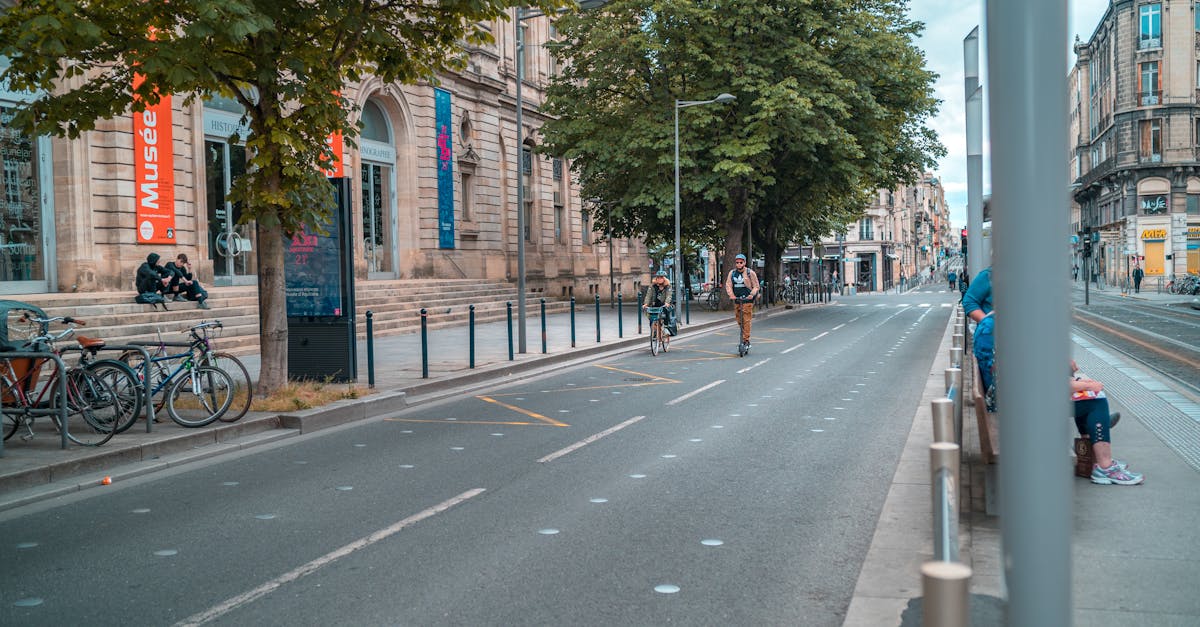
| Consolidation of the first plantations | Slow but sure establishment of the vineyard | Discover Bordeaux, the must-see city of Nouvelle-Aquitaine, renowned for its architectural heritage, renowned vineyards, and refined gastronomy. Immerse yourself in the history and culture of this dynamic metropolis at the heart of its wine-growing landscapes. |
The Middle Ages are a key phase in understanding the central place Bordeaux now occupies in the world of wines. This period marked the extraordinary rise of the region thanks to game-changing political and commercial alliances.
The first major milestone: the marriage between Eleanor of Aquitaine and Henry Plantagenet in 1152. This marriage placed Bordeaux under English influence, opening new avenues for the wine trade. Very quickly, Bordeaux wine, nicknamed “claret” by the English, seduced the Court and the booming British markets. This red wine, perfectly suited to the tastes across the Channel, became an essential reference. What factors boosted the Bordeaux wine trade in the Middle Ages?
⚔️ English domination strengthened trade routes between Bordeaux and England.
🚢 The Port of Bordeaux facilitated exports to the British Isles and beyond.
- 🤝 A policy of favorable tariffs for Bordeaux wines, increasing external demand.
- Specialization in export wine was then very real, marking a turning point in local production. Bordeaux wines became synonymous with elegance and prestige abroad, particularly in England but also in other European countries. This expansion would lay the foundations for future global success.
- Key Aspects 🎯
Important Details 📝
| Consequences 🍇 | Political Alliance | Marriage of Eleanor of Aquitaine and Henry Plantagenet (1152) |
|---|---|---|
| Opening of British markets | Maritime trade | Active use of the Port of Bordeaux |
| Development of Massive Exports | Reduced Tariffs | Tax Benefits for Exporters |
| Increased Demand for Claret | Discover Bordeaux, the magnificent city of wine, rich in history and culture. Explore its picturesque landscapes, famous vineyards, and delicious gastronomy while strolling along the Garonne River. | https://www.youtube.com/watch?v=SV3IkVW7BUc |
Why was this century a revolutionary period for Bordeaux?
🏰 Construction of the great châteaux, symbols of prestige and identity. ⚗️ Improvements in maturation and conservation techniques. 🌍 International expansion with diversified markets. It was also during this period that certain vintages such asChâteau Latour
and
Château Haut-Brion
- saw their reputation extend well beyond French borders. Quality came to the forefront, marking a lasting turning point in Bordeaux production. Castle 🍷
- Significant creation or growth 📅
- Role in the historical development of Bordeaux 🌟
Château Margaux 18th century Symbol of luxury and finesse, major exporter Château Lafite Rothschild Early 18th century
| Forerunner of Bordeaux quality and prestige | Château Latour | 18th century |
|---|---|---|
| Reference for long-lived wines | Château Haut-Brion | Before the 18th century, reputation established in the 18th |
| One of the premier crus classés, a pioneer in quality | https://www.youtube.com/watch?v=08OLtXNrhow | The historical classification of 1855: why is it still crucial today? |
| The year 1855 is THE date not to be missed for anyone interested in the great history of Bordeaux wines. During the Universal Exhibition in Paris, Napoleon III requested an official classification of Bordeaux wines to distinguish the finest productions. This classification, based on reputation and prices at the time, divides the wines into five distinct categories and remains the major reference to this day. | With names at the top that inspire dreams, such as | Château Mouton Rothschild |
| (which was reclassified as Premier Grand Cru in 1973), | Château Lafite Rothschild | , |
, and
Château Latour
, this list formalizes what has been rumored in the most discerning circles for decades. It is also this classification that has helped structure the Bordeaux wine industry and strengthen its exports. What are the major impacts of this classification on Bordeaux? 🏆 Creation of a clear hierarchy, promoting quality and reputation. 📈 Price stabilization and security for merchants and buyers.💎 Strengthening the Bordeaux brand worldwide. Certain iconic vintages such as Château Pichon Longueville, Château Angelus, Château Cheval Blanc, Château Ausone, and Château de Brane-Cantenac fall into these remarkable categories, forming a veritable constellation of successes. 1855 Classification 🍷 Flagship Estate 🌟 Historical Significance 📜Premier Cru
Château Lafite Rothschild, Château Margaux, Château Latour, Château Haut-Brion, Château Mouton Rothschild
- True Icons, Global Wine Symbols
- Second to Fifth Growths
- Château Pichon Longueville, Château Angelus, Château Cheval Blanc, Château Ausone, Château de Brane-Cantenac
Major Players in Bordeaux’s Diversity and Richness Discover Bordeaux, a dynamic and historic metropolis in southwest France, famous for its renowned wines, elegant architecture, and vibrant culture. Explore its picturesque quays, fascinating museums, and exceptional gastronomy, all in a warm and friendly atmosphere.The 20th Century and Today: Challenges, Innovations, and the Explosive Future of Bordeaux Wines The 20th century was anything but restful. The region has endured the challenges of phylloxera, two world wars, and major economic upheavals. This period put a severe strain on the vineyards, but also demonstrated a tremendous capacity for resilience and adaptation.At the heart of this renaissance, winemakers adopted crucial innovations, particularly in oenology, thanks to leading figures such as Émile Peynaud. The modernization of winemaking and winemaking techniques has allowed Bordeaux to regain its status as a world leader, while gradually integrating ecological practices by 2025. What are the levers that have enabled Bordeaux to remain at the top?🌱 Adoption of more sustainable methods to respect the terroir. ⚙️ Innovation in winemaking techniques, improving quality. 🌎 Market expansion, particularly through fairs such as the Bordeaux Wine Festival (2025). This evolution is accompanied by an immense diversity of wines. Bordeaux thus boasts powerful reds, dry whites, and sweet Sauternes wines, all prized by connoisseurs and accessible thanks to their extensive range. To play the joker card and discover wines for less than 10 euros without sacrificing quality, the adapted special selection is an excellent address. Dimension ⚙️ Key development 🔑
| Real-life example 📌 | Viticulture | Replanting and phylloxera-resistant rootstocks |
|---|---|---|
| Changes in grape varieties with more Cabernet Sauvignon | Oenological techniques | Émile Peynaud’s work on maturation and fermentation |
| Bottled at the château by Philippe de Rothschild | International market | Increased exports to the USA, Asia, and Europe |
Respect for the environment
Gradual integration of organic and biodynamic practices
Winegrower initiatives to reduce the carbon footprint
https://www.youtube.com/watch?v=Z_7emKlW60s
- FAQ: Your most frequently asked questions about the history of Bordeaux wines 🍷❓
- Why are Bordeaux wines so renowned around the world? Thanks to a unique terroir, a favorable climate, and historical expertise passed down for over 2,000 years, Bordeaux produces wines of exceptional quality, renowned for their finesse and complexity.
- What are Bordeaux’s emblematic grape varieties? For reds, Cabernet Sauvignon, Merlot, and Cabernet Franc dominate, while for whites, Sauvignon Blanc and Sémillon are the stars.What is the role of the 1855 classification?
It established a hierarchy of vintages, helping wine lovers and professionals navigate the quality and value of wines, and still influences the market today. How does Bordeaux combine tradition and innovation? The region respects its historical roots while adopting modern and sustainable techniques to produce contemporary wines adapted to the expectations of today’s world.
| What events make it easy to discover Bordeaux wines? | The Bordeaux Wine Festival or specialized auctions are perfect opportunities to explore Bordeaux’s offerings. | |
|---|---|---|
