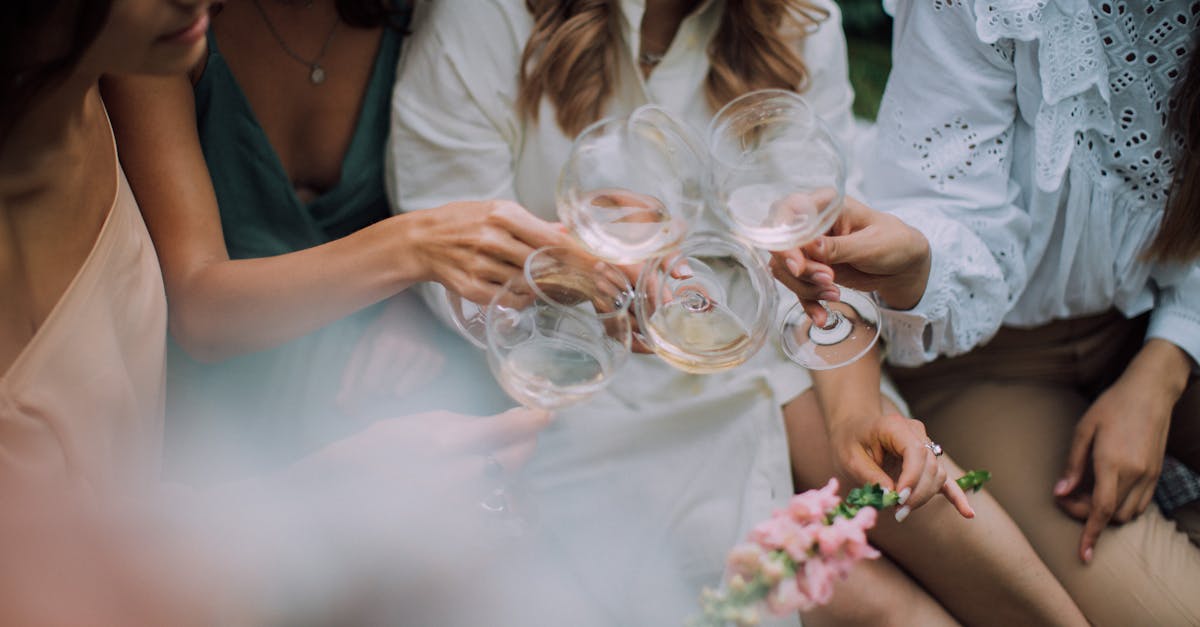
Sauvignon Blanc is one of the white grape varieties that thrills wine lovers around the world. With its invigorating freshness and distinctive aromas, this white wine is a must-have in both glasses and on the table, whether you’re a connoisseur or simply curious. Its secret? An unparalleled ability to express the terroir while offering a unique aromatic profile, blending exotic fruits, herbal notes, and minerality. Originally from Bordeaux and brilliantly showcased in the Loire Valley, this grape variety continues to expand beyond France, with regions like New Zealand and California giving it a new lease of life. 🍇
In 2025, Sauvignon Blanc remains the world’s top wine, driven by a steady increase in planted areas and unwavering international demand. The recently published Nielsen IQ study ranks it among the fastest-growing grape varieties, with a 6% increase in sales and a notable growth in volumes planted. It is therefore no coincidence that this dry white wine has become a must-have, whether during a casual aperitif or to enhance a seafood platter. Each glass of Sauvignon Blanc tells a story, blending tradition, terroir, the passion of the winemakers and innovations such as biodynamics, which allows the grape variety to fully express itself, with incomparable freshness and liveliness. 🌿
To help you get the most out of your next tasting, we’ve put together this comprehensive guide: it details what makes this grape variety so unique, its history, the regions where it explodes with flavor, its unmissable food and wine pairings, and a few anecdotes to impress your next group of food-loving friends. It’s a great way to understand why Sauvignon Blanc hits the mark, regardless of its price, with bottles ranging from 9 to 11 euros on average, often offering excellent value for money. We also explain how to distinguish an Appellation production, so you don’t make a mistake on the shelf or at the table. Let’s uncover the best secrets of Sauvignon Blanc and everything that makes it so beloved by the general public and passionate winemakers alike! 🍷
Sauvignon Blanc: what are its main aromatic and flavor characteristics?
Sauvignon Blanc is a bit like the nervous system of the white wine world. It clicks the tongue with its tangy freshness and captivates the nose with its distinctive aromas. Yet, it’s impossible to pin it down to a fixed profile: it adapts, changes, and evolves according to its terroir and maturity. To get it right, you must first understand its key notes, which make it a staple of Appellation wines and the international scene. 🌟 Here’s an overview of the most common aromas, which attract both novices and connoisseurs: 🍐
Fresh Fruits
- : green apple, pear, but also a touch of exotic fruits like mango, grapefruit, or lime. This gives it a little punch of liveliness. 🌿 Herbaceous Notes
- : we think of cut grass, blackcurrant leaves, or even boxwood bushes. It’s this signature that some adore, “the taste of nature.” 🪨 Minerality
- : Some bottles display this famous “flint” character, nuances that bring finesse and complexity to the wine, especially when grown on calcareous or siliceous soils. Acidity is another crucial aspect that makes Sauvignon Blanc so charming. It gives it that much-desired kick and freshness, particularly in dry wines. The grape variety thrives on terroirs that favor this natural acidity, which explains its success in well-drained soils and cool climates where slow ripening preserves this balance. 🍃 In some cases, when the grapes are harvested too early or are “underripe,” the wine can reveal a frankly unpleasant aroma, which winemakers affectionately call “cat pee.” Proper vineyard management therefore focuses on achieving perfect ripeness to avoid this pitfall. Main Aromas 🍇
Description Concrete Examples Fresh Fruit 🍏
Green apple, pear, grapefruit, lime, mango
| Sancerre wines often express grapefruit | Herbaceous Notes 🍃 | Cut grass, blackcurrant leaves, boxwood |
|---|---|---|
| Sauvignon Blancs from the Loire generally have these vegetal notes | Minerality 🪨 | Flint aroma, limestone terroirs |
| Pouilly-Fumé is a renowned example | Acidity ⚡ | Lively acid, lively |
| Present in the majority of dry wines made from this grape variety | Understanding these characteristics is the key to better understanding why winemakers, particularly those in biodynamic farming, pamper their Sauvignon Blanc to ensure that it faithfully expresses the land it inhabits. If you’d like to learn more about other white grape varieties from this beautiful, sunny region, don’t hesitate to discover the secrets of the | white grape varieties of Provence |
| . | Discover the elegance of Sauvignon Blanc, a fresh and aromatic white wine, ideal for accompanying seafood dishes and evenings with friends. Immerse yourself in its zesty and fruity notes that will delight your taste buds. | Where does Sauvignon Blanc grow? Discovering iconic terroirs and key regions in 2025 |
To understand why Sauvignon Blanc is so respected and loved, you have to explore where it thrives best. Originally from Bordeaux, it quickly established itself as a mainstay in specific terroirs before spreading its popularity elsewhere, around the world. 🌍 Here is a list of the terroirs where this grape variety produces its best, with examples for each:🍷
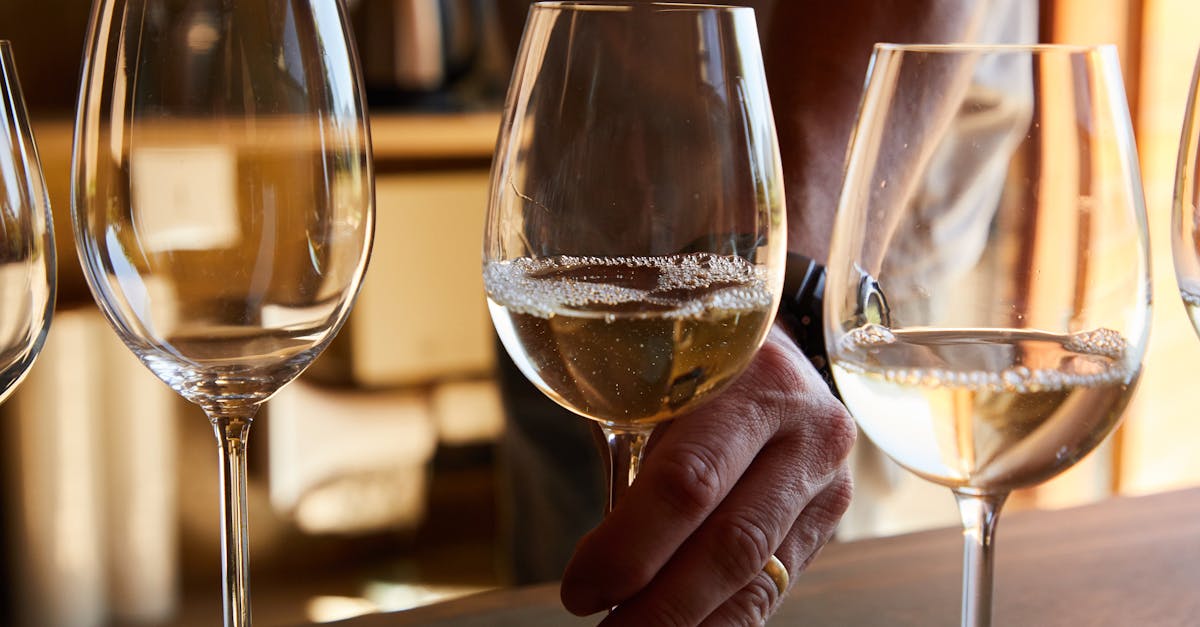
Loire Valley
: Sancerre and Pouilly-Fumé reign supreme here, with Sauvignon Blancs expressing all their freshness, bright acidity, and herbaceous aromas.
🇳🇿
- New Zealand : The Marlborough region, famous for its explosive, highly aromatic and fruity Sauvignon Blancs with a tropical touch. ☀️
- California : Wines that are often sweeter and rounder, but still with good acidity, suited to a slightly warmer climate. 🌄
- Other regions : South Africa, Chile, Australia, and even undiscovered places like Japan and the Czech Republic, where it’s worth discovering. Region 🌍 Wine Characteristics
- Example of Appellation / Region Terroir Note Bordeaux 🍇
- Fresh acidity, fruity and herbaceous aromas, dry and sweet wines Graves, Pessac-Léognan, Sauternes Favorable gravelly and clay-limestone soils
| Loire 🌿 | Very fresh, balanced, with herbaceous and mineral notes | Sancerre, Pouilly-Fumé, Menetou-Salon | Limestone and clay terroirs that boost minerality |
|---|---|---|---|
| New Zealand 🇳🇿 | Exuberant, fruity, with tropical touches | Marlborough | Cool climate, marine influence |
| California ☀️ | Rounder, often sweeter, beautifully preserved acidity | Sonoma, Napa | Warmer climate, varied soils |
| South Africa 🌍 | Fresh and fruity, sometimes spicy | Stellenbosch | Mediterranean climate, varied soils |
| The care with which winemakers limit yields on these terroirs clearly demonstrates the importance of soil and climate. Each region contributes its own unique touch, which explains why Sauvignon Blanc is never just a standard white wine, but a faithful reflection of its land. Terroir makes all the difference in the wine’s aromatic profile and structure. To delve deeper into the regional distinctions of white wine in France, please consult the article on the wines of the Southwest. https://www.youtube.com/watch?v=yDyuHZ2ySCA | The Role of Biodynamics and Viticulture Practices in the Quality of Sauvignon Blanc | It’s no coincidence that more and more winegrowers are opting for biodynamics to enhance their Sauvignon Blanc. This respectful approach to the vine and the land often produces wines with a distinctive energy, a vibrant aromatic profile, and exceptional freshness. But what does it actually change? 💫 | Here’s an overview of the beneficial effects of biodynamics on this specific grape variety: |
| 🌱 | Better expression of the terroir | : The health of the soil allows the grapes to fully capture the identity of the place, resulting in cleaner and more complex aromas. | 🔄 |
Natural balance in the vineyard : By limiting the use of synthetic products, the vine’s natural cycle promotes optimal ripening, essential for this lively grape variety. 💧Better disease resistance:
🌞
Supports aging
Thanks to improved harvest quality, some wines produced using biodynamic methods develop excellent aging potential.
- Many wineries in the Loire Valley and New Zealand have adopted this approach, with results that impress tasters and critics. Precision in winemaking, often balanced with vintages from older vines, sometimes results in incredible tasting experiences, where the wine tells a vivid story of the terroir and the work of the vineyard. Impacts of Biodynamics 🌿 Benefits for Sauvignon Blanc Concrete Examples
- Expression of Terroir More Complex Aromas, Better Representation of the Place Biodyminx Winemakers in the Loire Valley
- Natural Balance Controlled Ripening, Preserved Acidity Family Estate Near Bordeaux
- Disease Resistance Concentrated Yields, Fewer Treatments Producers in Marlborough
Aging
| Greater Aging Capacity, Complexity | Great White Wines from Pessac-Léognan | To learn more about good viticultural practices that respect both the land and the Sauvignon Blanc grape variety, we recommend a detour to this article which discusses the balance between grape varieties and terroirs in Bordeaux. |
|---|---|---|
| Tips for Recognizing a True Sauvignon Blanc in a Tasting | Wondering how to recognize this grape variety blind? It’s not easy, as the wine can vary depending on its maturity and terroir! In general, look for: | 👃 |
| A nose marked by fresh fruit and herbs, sometimes reminiscent of flint | 👅 | Lively acidic, with a good hold on the palate |
| ⚖️ | A balance between aromatic power and freshness | ⏳ |
| Young wines to drink quickly, with some exceptions related to the terroir | Discover Sauvignon Blanc, a dry and aromatic white wine renowned for its notes of tropical fruits, citrus, and fresh herbs. Ideal for accompanying seafood dishes, salads, and appetizers, this elegant grape variety is a must-have for wine lovers. Let yourself be seduced by its freshness and liveliness. | https://www.youtube.com/watch?v=b8bW_mgF0EY |
Food and wine pairings: how to pair Sauvignon Blanc to dazzle your eyes? Sauvignon Blanc is so popular because it pairs well with a wide range of dishes and enhances the table without overdoing it. Far from a bland white wine, it has character and pep. To get it right, here are the essential homemade pairings to tickle your taste buds. 🍽️🍤 Seafood and Fish: Fruity and tangy, this wine provides the perfect boost of freshness to the marine flavors of oysters, shrimp, or sushi.
🐐
Goat Cheese
- : The undisputed star, especially fresh goat cheese from the Loire or Touraine, which pairs wonderfully with the liveliness of white wine. 🥗
- Light Dishes : Salads, crisp vegetables, or white meats in light sauces. Sauvignon Blanc brings balance and freshness.
- 🌶️ Spicy Cuisine
- : A pairing that’s not always easy but successful with spicy southeastern cuisine, where the wine’s acidity subtly counteracts the spiciness. Dish Type 🍴
Perfect with oysters, shellfish, and sashimi.
Its freshness and acidity enhance the salty flavors.
- Goat cheese 🐐 A classic pairing with fresh creamy cheeses. Wine and cheese enhance each other.
- Light dishes 🥗 Salads, vegetables, poultry. The lively side balances the mild flavors.
- Spicy cuisine 🌶️ Southeast Asian dishes in particular. Acidity and spice work together as a perfect duo.
- Sauvignon Blanc is therefore not just a dessert or aperitif wine, but a dynamic partner for many culinary combinations. To choose a white wine that remains within a reasonable budget while maintaining its quality, take a look at our advice on affordable white wines. 🎯 Sauvignon Blanc FAQ: Everything you need to know in 2025 Is Sauvignon Blanc still a dry white wine?
| Yes, it is mainly used to produce dry white wines, but it is also found in sweet wines, particularly Sauternes. | What factors influence the taste of Sauvignon Blanc? | The terroir, grape maturity, and viticultural practices such as biodynamics play a key role in its aromatic profile. |
|---|---|---|
| How can you recognize a good Sauvignon Blanc? | It should be fresh and lively, with clean aromas of fruit and herbs, and a nice, balanced acidity. Can it be stored for a long time? | Most are best drunk young, but some great Bordeaux or Loire wines have aging potential for several years. |
| Which are the best producing regions? | France (Loire, Bordeaux), New Zealand, California, and Chile are among the world leaders in production. | |