In the South of France, between the Mediterranean Sea and the majestic Alps, lies a vineyard whose reputation continues to grow: Provence. Here, wine isn’t just a drink; it’s a way of life, a glimpse of Mediterranean sweetness, and a promise of conviviality. In 2025, Provence wine continues to inspire wine lovers and connoisseurs alike, thanks to its distinctive grape varieties, ideal climate, and charming landscapes. Whether you prefer freshly tangy rosé, robust red, or delicate white, Provence has something to refresh your palate. We’ve put together this hassle-free guide to discover what makes Provence wines so unique and how to savor them to please everyone.
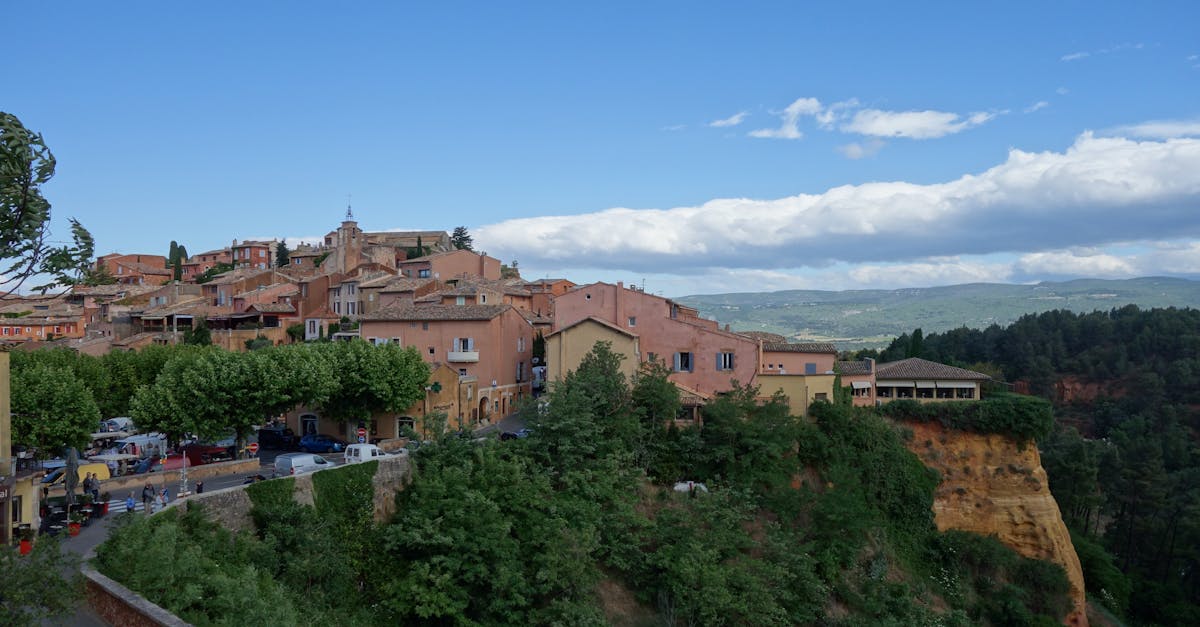
Between sun-drenched beaches, hills scented with garrigue, and iconic rocky massifs like Sainte-Victoire, the region offers a perfect setting for vineyards that captivate from the first glass. Moreover, prestigious wineries—such as Château Minuty and Domaines Ott—embody this exceptional terroir through vintages renowned the world over. Provence wine is also a story of tradition and modernity, blended in each bottle. Just take a look at the appellations or taste the blends to sense this subtle union.
This wine tour will first guide you through the landscapes and terroirs that shape these wines, before delving into the grape varieties, blending techniques, and finally, the keys to enjoying a glass like a pro, whether on a terrace or by the fire. So, are you ready to explore an exceptional vineyard, full of surprises and always full of emotions?
Discovering the Wines of Provence: Terroir, Climate, and Landscapes That Shape Exceptional Wines
When we talk about Provence wine, we often immediately think of that luminous pale rosé enjoyed under the summer sun. Yet, behind this popular type of wine lie surprisingly varied terroirs, complex geology, and a climate that plays its part wonderfully.
The vineyards of Provence extend for approximately 200 kilometers along the departments of Var, Bouches-du-Rhône, and part of the Alpes-Maritimes. The vineyard is a man-made marvel, nestled between two major geological groups: Limestone, mainly in the west and north, provides deeper, more well-drained soils, perfect for grape varieties that thrive in this type of terrain. Crystalline, in the east, facing the sea, produces poorer and much harder soils that tolerate drought well.
- These shallow but well-drained soils are ideal for Mediterranean vines, which do not thrive in excessive humidity. This terroir is then enveloped by a typically Mediterranean climate:
- Exceptional sunshine, with approximately 2,800 hours of sunshine per year, a true ray of sunshine for the grapes.
Hot, dry summers balanced by the sea breeze that cools the seaside plots.
- The Mistral, the famous dry and powerful Provençal wind that drives away humidity and helps keep the vines healthy by limiting certain disease risks.An enchanting landscape complements this natural richness. Between the proudly standing Sainte-Victoire mountain, the Sainte-Baume massif, the Maures mountains, and the volcanic Esterel mountains, these terroirs are also enriched by typical Mediterranean vegetation. Garrigue reigns over the limestone soils while maquis covers the crystalline soils, giving each vine a unique character.
- This setting and climate combine to offer a wide variety of wines, from luminous and indulgent rosés to subtly structured reds. To achieve the perfect tasting experience, it’s not enough to simply open a bottle; it’s also important to understand the story behind each vine and terroir.
- Discover the wines of Provence, with their captivating aromas and unique flavors. Explore our selections of rosés, reds, and whites, which capture the essence of this sunny region. Perfect to accompany your meals or to enjoy during your moments of relaxation. Characteristics 🔍
Details
Impact on the wine 🍷
| 2800 hours/year | Accelerates ripening, develops fruity aromas | Soil type 🏞️ |
|---|---|---|
| Limestone and crystalline | Provides minerality for whites and structure for reds | Climate ☀️ |
| Mediterranean, hot and dry | Promotes pleasant, fruity, and balanced wines | Wind – Mistral 💨 |
| Dry and cold wind | Limits disease, provides freshness | The major appellations of Provence not to be missed |
| In Provence, three main appellations characterize the majority of wines with distinct styles and profiles: | Côtes de Provence: The largest appellation with a wide variety of wines, especially beautifully rounded rosés and light reds. The | Coteaux d’Aix-en-Provence |
: Here, wines are often more powerful, particularly reds highly valued by connoisseurs, with subtle blends.
The
- Coteaux Varois en Provence : A young but promising appellation, with fresh, lively, and sometimes more elegant wines. We also find renowned vintages such as Bandol, where Mourvèdre reigns supreme for full-bodied reds, or Cassis for marine and mineral whites. It is in these terroirs that estates such as
- Château Gassier , Domaine de Pegau
- , and Château de Saint-Martin stand out.
https://www.youtube.com/watch?v=Uy-rCCzDS3g Grape Varieties in Provence: Understanding the Flavors Behind Every GlassTo fully discover the wine of Provence, it’s impossible to miss the emblematic grape varieties that give it its character. Mediterranean Whites to Know Several white grape varieties are perfectly suited to the Provençal terroir, each bringing its own unique touch: Rolle : The king of Provençal white wines, it produces a fresh, fruity wine with hints of citrus and pear, accompanied by a light almond aroma.
: Highly productive and refined, it brings finesse and lightness.
Clairette
: Typical of the south, it produces notes of white fruits and flowers, with a slight aromatic character.
Semillon
- : Less commonly used but interesting for its roundness and aromas of honey and hazelnut. Grenache Blanc
- : A full-bodied and smooth wine, rich in peach and melon flavors. Bourboulenc : Often used in blends, it brings freshness and finesse.
- These grape varieties are often carefully blended to balance freshness, substance, and finesse when creating the wine, particularly at estates such as Domaine de la Baume or Domaine du Paternel. The Red and Rosé Grape Varieties That Make Provence Vibrate
- Rosé, which dominates production, is a delicate blend of a range of red grape varieties suited to the region: Grenache
- : The essential base, providing power and smoothness. Cinsault
- : Fresh and fruity, a grape variety widely used in light rosés. Syrah
: Provides body and a beautiful color, with noticeable tannins. Mourvedre : For full-bodied, pleasantly spicy wines, often a favorite in Bandol blends. Tibouren : An iconic Provence grape variety, ideal for elegant and classy rosés, typical of the Var region.Carignan
: Provides structure, with notes of red fruits and cherries.
Cabernet Sauvignon
- : Rare but prized for its power and aging potential. Red wines often offer more body and can age for several years, such as those from Domaine du Vieux Telegraphe or Château La Dorgonne. It’s a truly diverse range that allows every wine lover to find something that suits them. Wine Type 🍇
- Main Grape Varieties 🍷 Wine Characteristics 🍾
- Key Estates 🏰 Rosés
- Grenache, Cinsault, Tibouren Fresh, fruity, light, floral bouquet
- Château Minuty, Domaines Ott, Domaine des Masques Reds
- Mourvèdre, Syrah, Grenache Full-bodied, tannic, spicy, with aging potential
- Château Gassier, Domaine du Vieux Telegraphe, Château La Dorgonne Whites
Rolle, Ugni Blanc, Clairette Aromatic, fresh, with richness and length Domaine de la Baume, Domaine du Paternel Discover the enchanting world of Provence wines, between picturesque landscapes and ancestral winemaking traditions. Explore the unique grape varieties, exceptional terroirs, and food and wine pairings that make this enchanting region famous. How to Taste a Provence Wine: Steps and Tips to Appreciate Every DetailTasting wine isn’t just about opening a bottle and emptying the glass. It’s a complete sensory experience. The wines of Provence are no exception. To get it right, every step counts, from the eye to the palate.
| 1. The Visual Phase: Initial Contact | Start by looking at the color, the appearance of the wine. Hold your glass by the stem to avoid warming the liquid and observe it against a light source, ideally natural. The appearance of a Provence rosé is often clear, ranging from pale salmon to a deeper pink. For reds, pay attention to the intensity of the color and the nuance between purple, garnet, or ruby. | 2. Olfaction: Discovering the Aromas | The olfactory phase is a truly pleasurable moment. First, smell the wine as it rests, that initial nose that hints at red fruits, citrus, or flowers. Then, let the wine breathe by gently swirling the glass. New aromas emerge: spices, herbes de Provence, minerality, or even smoky notes, depending on the grape variety and the wine’s age. |
|---|---|---|---|
| 3. Tasting in the mouth: taste carefully | Take a small sip, keep the wine in your mouth, and swirl it around to bring out all the flavors. Don’t hesitate to inhale a little air to better diffuse the aromas. This is when you evaluate the sugar-acidity balance, the strength, the length on the palate, and the texture. For a Provençal wine, freshness and fruitiness often remain the key words. Some tips for a successful tasting | Choose a tulip-shaped glass to concentrate the aromas 🍷 | Serve at an appropriate temperature: chilled for rosés (8-12°C), slightly warmer for reds (16-18°C) ❄️ |
| Avoid strong odors in the room, as they can distort olfactory perception 🕯️ | Repeat the olfaction steps to detect hidden subtleties 👃 | Don’t hesitate to compare several wines together to refine your palate ⚖️ | To accompany you on your wine adventures, estates like |
| Château Minuty | or | Domaine des Masques | often offer remarkable vintages to begin with, with a perfect balance between fruitiness and freshness. https://www.youtube.com/watch?v=hDAAo9aE2Js |
The Provençal vineyard is constantly evolving. In 2025, it faces major challenges in terms of sustainability and adaptation to climate change. These challenges will affect the cultivation, production, and marketing of wines.
More responsible practices to preserve the terroir 🌿
In recent years, Provence has seen a growing awareness of environmental issues:
More and more estates are engaging in organic or biodynamic viticulture to reduce pesticide use and preserve biodiversity.
Bottle reuse is gaining ground, reducing the carbon footprint associated with transportation and packaging.
Big names such as
Château La Dorgonne
and
- Château Gassier
- are investing in new techniques to limit their ecological impact.
- It’s also a fight against preconceived notions and restrictions that have sometimes affected the region, as detailed in this article on
- the ban on Provence wines
- in certain supermarkets. Despite these constraints, the Provençal vineyards remain on course and gain the trust of wine lovers.
Innovation and trends to attract young consumers 📈 To stay relevant, estates must constantly innovate: Promoting organic or natural rosés that appeal to the new generation seeking authenticity. Expanding the range with different wines, more complex whites, or reds worthy of great vintages, seen for example at Domaine du Paternel. Strengthened presence at wine fairs and gourmet events such as the famous Wine & Gastronomy Fair or the barbecue festival in Lorgues. Thus, even in the face of declining sales in supermarkets, Provence wines are finding their place among epicureans who favor short supply chains and quality.
Marketing remains a major challenge. With approximately 140,000 hectares cultivated in the region, the challenge is to maintain consistent quality while meeting growing demand.
Exports to Europe and America continue to support growth, aided by the reputation of brands such as Domaines Ott and Château Minuty.
At the same time, local wine drives tourism and regional culture, strengthening the region’s identity.
To learn more about the place of wine in society and the behavior of wine lovers, a look at this article on the habits of white wine drinkers provides surprising insights.
- Discover the wines of Provence, an iconic region of France, famous for its delicious rosés, unique grape varieties, and sun-drenched landscapes. Explore the terroirs, wineries, and food and wine pairings that make this popular wine destination famous.
- FAQ: Everything you need to know to better appreciate the wines of Provence What are the iconic wines you absolutely must try in Provence? The rosés of Château Minuty, the powerful reds of Château Gassier, and the elegant whites of Domaine de la Baume are among the must-try wines.
- Can you keep a wine from Provence for a long time? Rosés are generally enjoyed young, while some reds, such as those made from Mourvèdre, can age harmoniously for several years. What is the ideal temperature for serving a Provence rosé? Around 8 to 12°C, to best enjoy their freshness and fruity aromas. What are the current challenges facing viticulture in Provence? The fight against climate change, the development of organic viticulture, and the preservation of biodiversity are key concerns.
How can you recognize an authentic Provence wine? Choose recognized appellations such as Côtes de Provence, Coteaux d’Aix-en-Provence, or Bandol, and renowned estates such as Domaine du Vieux Telegraphe or Château La Dorgonne.