
If the name Château Latour resonates like a melody for all wine lovers, it’s no coincidence. This iconic Médoc estate, located in Pauillac, has become over the centuries one of Bordeaux’s premier grands crus classés, an essential reference for wine lovers and connoisseurs. With its famous tower visible in the distance, Château Latour is not only an architectural monument: it’s also a prestigious vineyard producing powerful, refined wines of rare longevity.
Since the 14th century, this property has seen the passage of time and the hands of winemakers, each contributing their stone to what would become a jewel of French oenology. This wine is distinguished by its exceptional terroir of well-draining gravel and an exposure benefiting from the temperate influence of the Gironde estuary. The king grape variety, Cabernet Sauvignon, expresses all its nobility, supported by masterful blends that guarantee complexity and balance. This guide takes you on a journey to discover the secrets of Château Latour: why is this appellation so talked about? What makes its terroir so unique? What iconic wines are produced there? And which vintages have made their mark on history? To help you get the right idea for your next tasting or investment, we’ll explain, without any hassle, what makes Latour a Bordeaux wine essential.
Discover Château Latour, one of the most prestigious wine estates in Bordeaux. Renowned for its grands crus, Château Latour combines tradition and innovation to offer exceptional wines, rich in flavor and elegance. Explore the world of this iconic wine and its worldwide reputation.
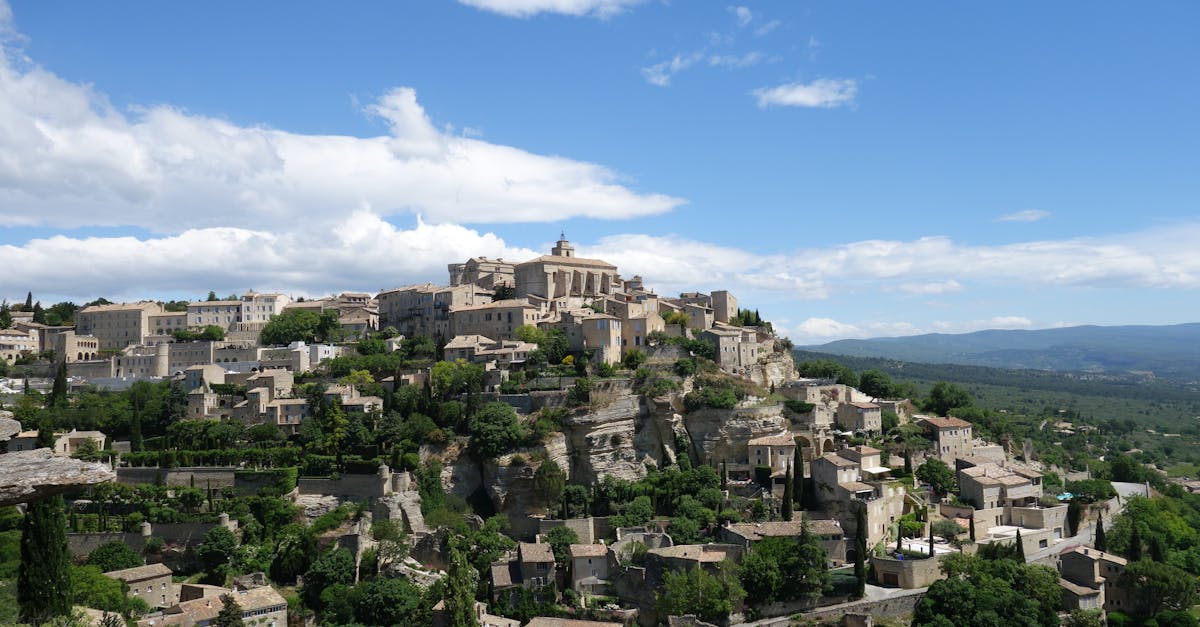
Château Latour is, above all, a story spanning several centuries, tinged with legends and breathtaking anecdotes. First mentioned in 1331, this estate has weathered the vicissitudes of time to become an essential symbol, long before its recognition in the official Bordeaux wine classification in 1855.
Over the decades, Latour passed through the hands of different families, each adding a new chapter to this winemaking saga. It’s safe to say that the stroke of genius dates back to its registration as a Premier Grand Cru Classé, a status that places it at the very top of the Bordeaux wine hierarchy. This classification, compiled for the Paris World’s Fair, indelibly cemented Château Latour’s reputation, positioning it among the “top five” prestigious châteaux of the Médoc. We must also mention the transformative purchase made in 1993 by François Pinault, a passionate entrepreneur who brought Latour a new era of prestige and luxury, marking a decisive step in the estate’s modernization. Under his leadership, the quality and international reputation of the wines were further strengthened, cementing the château’s place among the greats.
👑 Founded in the 14th century
📜 Premier Grand Cru Classé by the 1855 classification
- 👨💼 Purchase by François Pinault in 1993, the beginning of a new era
- 🌍 Worldwide reputation as a prestigious wine and symbol of Bordeaux
- In short, it’s as if Château Latour has played the joker card at every stage of its existence, reinventing itself without ever compromising on quality. This historical longevity adds to its aura and fully justifies why the estate is a must-visit for anyone interested in Bordeaux’s winemaking grandeur. Key Dates 📅
- Significant Events 🏰
1331
| First Written Reference to the Estate | 1855 |
|---|---|
| Official Premier Grand Cru Classé Classification | 1993 |
| Acquired by François Pinault | https://www.youtube.com/watch?v=HfBTxHvQuSI |
| What role does the terroir of Château Latour play in the quality of its grand cru wines? | To appreciate a grand cru like Château Latour, you must understand that it’s not only the winegrowers’ craft that makes the difference, but also the terroir, the natural environment from which the vine draws its full expression. In Pauillac, in the Médoc region, this terroir stands out as a kind of ideal setting for the Latour vineyard. |
Then, the proximity of the Gironde estuary is a true climate regulator. It moderates thermal shocks and maintains a pleasant temperature, preventing sudden frosts or heatwaves. So, when you combine all of this, you get a temperate maritime climate perfect for the wine to combine power and finesse, with its well-known reputation for longevity and robustness.
🌿 Gravelly soils: optimal drainage for the roots
☀️ Favorable solar exposure for excellent ripeness
🌬 Proximity to the estuary, moderating effect on the climate
- 🍇 Perfectly suited to Cabernet Sauvignon, the star of the vineyard
- It’s no wonder the quality of the Château Latour terroir is often cited in references
- on the Bordeaux wine region
- Combining all these elements, you really need a keen eye and experience to be able to ‘read’ this terroir in every glass. It works quite well, and what comes out of the Latour barrels is a clear testament to this.
Terroir Aspect 🌍 Description 📝Impact on the Wine 🍷
| Gravel | Soils rich in rounded pebbles and stones | Perfect drainage, concentrated aromas |
|---|---|---|
| Maritime climate | Influence of the Gironde estuary | Attenuation of temperature variations, optimal maturation |
| Exposure | Orientation and sunshine of the plots | Best harvest, rich and warm aromas |
| https://www.youtube.com/watch?v=4aMwyGMYHnc | Discover the elegance and history of Château Latour, one of Bordeaux’s Premier Crus Classés. Explore its renowned vineyards and savor exceptional wines while delving into the art of French winemaking. | What grape varieties make up Château Latour and how do they influence its great wines? |

, which dominates the blends with incomparable vigor and power. This thick-skinned black grape gives Château Latour its solid structure, firm tannins, and aromas of blackcurrant and blackberry, often enhanced with notes of graphite, or even a slight smokiness or tobacco with age.
To counterbalance this, there’s also the Merlot, rounder and more supple, which softens the Cabernet’s harshness. The
Cabernet Franc subtly adds a touch of aromatic finesse and floral elegance. Finally, to a lesser extent, Petit Verdot can add a touch of color and spice, further perfecting the picture. This palette of grape varieties, carefully crafted during the harvest and blended according to the vintage, is the secret of the Latour style.: a perfect balance between power and elegance, concentration and finesse. You don’t have to look far to find valuable advice on the best pairings with these wines; we recommend a quick look through this guide to indulge your taste buds without fail. 🍇 Cabernet Sauvignon: the cornerstone 🍷 Merlot: brings softness and suppleness 🌸 Cabernet Franc: finesse and elegance 🌶 Petit Verdot: spice and color Grape Variety 🍇
Main Characteristic 💡 Impact on Château Latour wine 🍷 Cabernet Sauvignon Powerful tannins, black fruit aromas Solid structure, exceptional longevity
- Merlot
- Suppleness and roundness
- Softens the wine with fruity notes
- Cabernet Franc
| Floral aromas and light tannins | Brings elegance and aromatic complexity | Petit Verdot |
|---|---|---|
| Adds color and spice | Accentuates power and depth | To learn more about Bordeaux wines |
| Don’t hesitate to take a look at the selection of the | best Bordeaux wines of 2024 | to discover how the different grape varieties and terroirs express themselves each year. What are the iconic wines and exceptional vintages of Château Latour? |
| The first wine to consider is clearly the | Château Latour Grand Vin | . This is produced using only the best plots and the oldest vines. It possesses the tannic structure and aromatic complexity that lay the foundation for great Bordeaux vintages. It generally undergoes a long aging process in oak barrels, ensuring optimal maturity and impressive aging potential. |
| Next door, you’ll also find “Les Forts de Latour,” the estate’s second label, made with younger vines. This wine offers a more accessible alternative in its youth, yet still retains the Latour signature, combining volume and elegance. We also couldn’t forget the highly sought-after | Château Latour Pauillac white. | , a dry white wine that the château offers in smaller quantities, with a typical blend of Sauvignon Blanc, Sémillon, and Sauvignon Gris. Certain Château Latour vintages capture the hearts of collectors and aficionados around the world, including: |
🌟
1945 : a legendary Bordeaux vintage, where concentration and longevity are perfectly combined 🌟
1959
: a rich, deep wine, a true testament to a golden decade 🌟1982
: a legendary year, enhancing balance and power 🌟1996
: a successful marriage of intensity and elegance
- 🌟 2000 : another classic vintage, with remarkable richness
- Vintage ⭐ Main characteristic 🍷 Aging potential ⌛
- 1945 Extreme concentration, legendary wine Exceptional, several decades
- 1959 Rich, deep, balanced Very long life
- 1982 Perfect balance between power and finesse Several decades also
| 1996 | Elegant intensity | Confirmed longevity |
|---|---|---|
| 2000 | Remarkable richness | Great potential |
| To best preserve these treasures, consider consulting some tips | on how to store a Bordeaux wine | in ideal conditions; it can make all the difference when opening. |
| Why is Château Latour anchored in international wine culture and oenology? | Much more than just a wine, Château Latour is a global benchmark, a symbol of the French art of living and excellence in the world of winemaking. It serves as a benchmark for oenologists seeking perfection as well as for collectors and savvy investors. | Respect for tradition combined with a constant focus on innovation ensures that Latour wines continue to surprise year after year. In oenology, they are cited as examples of perfect tannic structure, exceptional aging potential, and aromatic harmony. As a result, they are regularly featured in international tastings and competitions. |
| And then there is the special place Château Latour occupies in popular culture. It appears in great novels, films, and discussions among enthusiasts. It is also a fascinating subject for anyone who wants to understand the magic of a great Bordeaux vintage. Not to mention the connection each person can create by tasting these wines, experiencing a whole universe, a terroir, and a wealth of expertise through each sip. 🌎 World leader in oenology and viticulture | 🎓 Example in wine education and studies | 🎥 Presence in popular culture |
| 💎 Object of desire for collectors and investors | Cultural and oenological aspect 🎭 | Importance 🌟 |
Reference in viticulture Model of excellence for professionals Cultural integration
Presence in arts and media
Investment
Strong valuation in the wine market
For those who wish to delve deeper into the world of Bordeaux, nothing beats a detour into
- the history of Bordeaux wines
- ; it’s a true treasure trove, rich in anecdotes and revelations about estates like Château Latour.
- How can you recognize a true Château Latour and avoid pitfalls when purchasing?
- With fame inevitably comes a market where you have to keep your eyes open, and the right ones. Château Latour being a prestigious name, we sometimes come across counterfeits or situations where it is easy to make a mistake, especially when you are new to oenology or just want to treat yourself to a nice bottle without any hassle.
| To get the right wine, you first need to know what criteria to look for and where to buy. Ideally, you’ll want to choose recognized wine merchants or wine merchants, or even reputable platforms specializing in Bordeaux wines. By going through these doors, you’ll ensure a minimum level of guarantee. | 🔍 Check the label: logo, vintage, and the château’s name clearly spelled |
|---|---|
| 📦 Consider the packaging: bottle, capsule, cork | 📜 Ask about the provenance and traceability |
| 💰 Be wary of excessively low prices; a great vintage doesn’t sell cheap | 🌐 Go through professionals: wine merchants and specialized websites |
| This short tutorial helps limit risks and guarantee a tasting experience that lives up to the reputation of Château Latour. If you’d like to learn more, a visit to this page dedicated to Bordeaux châteaux and wines is a must. Verification Criteria 🔎 | Practical Tips 🛠 |
Label Inspect all inscriptions, check the exact modelPackaging
Cap, glass, and cork in perfect condition
Provenance
Preference for controlled distribution channels
- Price
- Compare with real market prices
- Want to discover how to fully enjoy a Bordeaux wine? It’s not rocket science, and the
- best tips for enjoying a Bordeaux
- will guide you effortlessly on this taste journey.
FAQ – Château Latour: Frequently Asked Questions 🍷❓ What is the main grape variety used at Château Latour? Cabernet Sauvignon is the dominant grape variety, bringing structure and complexity to the estate’s wines.
| What is the specificity of the Château Latour terroir? | A well-drained gravelly soil with a climate influenced by the Gironde estuary, ideal for grape ripening. Why is Château Latour such a famous Grand Cru? |
|---|---|
| Its long history, the exceptional quality of its wines, and its recognition in the 1855 classification are key factors. | What are the most sought-after Château Latour vintages? |
| Vintages like 1945, 1959, 1982, 1996, and 2000 vie for the spotlight for their quality and aging potential. | How can you ensure the authenticity of a bottle of Château Latour? |
| By buying from professionals, checking the label, cork, and traceability, and avoiding overly attractive offers. | |
