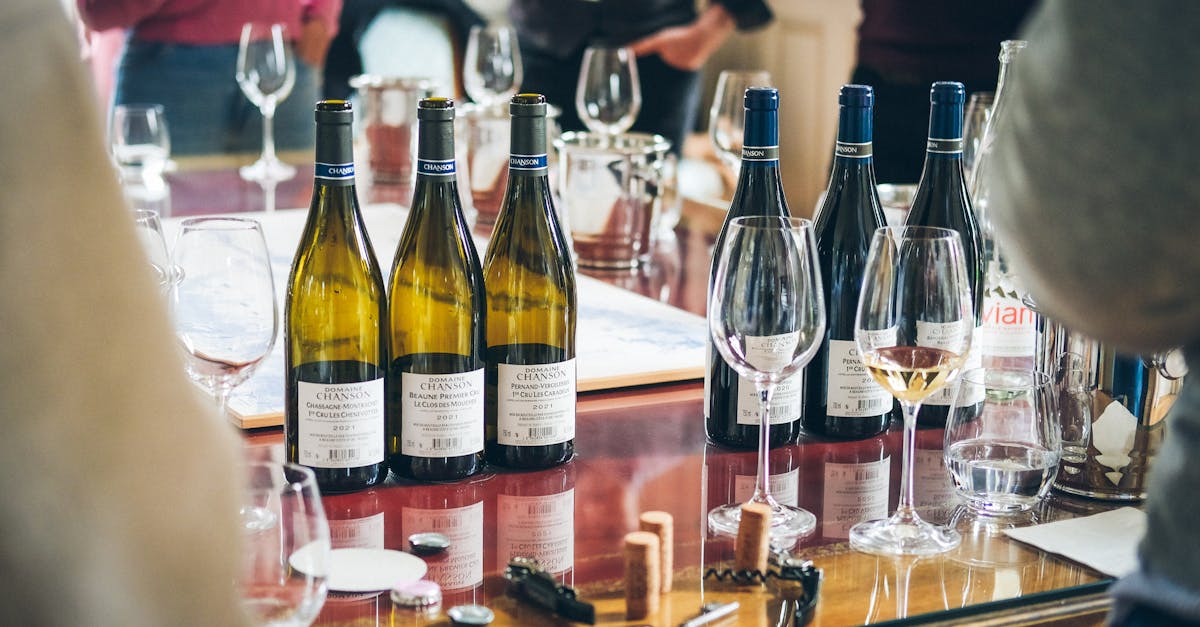
While the name Burgundy instantly evokes refinement and exceptional terroir, there’s a whole world to discover behind this simple word. Bertrand, a passionate sommelier and inveterate inquisitive soul, has been sharing his passion for these unique wines with their inimitable style for over twenty years. Burgundy isn’t just about mass production; it’s also a treasure trove of rare gems. With its 28,334 hectares, it represents only 3% of France’s vineyards, yet its wines are among the most sought-after and the most studious in the art of combining finesse and personality.
These vintages speak of history, stone, climate, and expert hands. All these elements make each sip of Burgundy a sensory experience with a hint of mystery and elegance. Napoleon himself swore by only one wine: Chambertin. And even today, we wonder how such a small region can produce gems like Romanée-Conti, one of the most expensive wines in the world. Nothing is left to chance, neither the expertly balanced exposure of Pinot Noir nor the mineral richness of Chardonnay, this iconic duo that turns the heads of wine lovers around the world.
To understand this magic, you must delve into the Burgundy region, explore the famous climats listed as UNESCO World Heritage Sites, lose yourself in the stone-walled vineyards, then appreciate the wines by the glass while wondering why Burgundy is so captivating. This guide takes you on this hassle-free journey to unearth the secrets of a terroir that speaks through its vintages, its prestigious estates, and its unparalleled winemaking tradition.
What are the historical origins of Burgundy wine and its evolution over the centuries?
Burgundy, this corner of France nestled between Dijon and Auxerre, has forged a rich and complex history, in which wine has played a key role since the Middle Ages. The roots of the vineyard have been deeply rooted in the Burgundian soil for over 2,000 years, but it was truly under the leadership of the monks, particularly those of the Abbey of Cluny and then of Cîteaux, that the cultivation and knowledge of the vine took off.
Over the centuries, the Dukes of Burgundy transformed the region into a veritable winemaking empire. Their prestige attracted artists, poets, and, of course, the finest winemakers. Burgundy became a symbol of refinement and elegance, its wine a standard that transcends borders. These vineyards are divided into climats, these parcels of precise precision, each bearing a unique personality resulting from a subtle blend of nature and history. But make no mistake, in the 19th century, Burgundy didn’t only produce expensive and prestigious wines. This vineyard, a small territory in fact, rather occupied a niche of quality and specialization. Since then, its reputation has been built patiently, thanks to names that still resonate today, such as Louis Jadot and Joseph Drouhin, who were able to modernize production without losing authenticity.
A few key dates to help you navigate:
5th century: Burgundian settlement and first traces of viticulture in the region.
- Middle Ages: Growth thanks to the monasteries of Cluny and Cîteaux.
- 1477: Burgundy annexed to the Kingdom of France, but a strong identity was maintained.
- 19th century: Rise of négociant houses like Bouchard Père & Fils.
- 21st century: The climats were listed as a UNESCO World Heritage Site in 2015.
- Discover the elegance of Burgundy wines, renowned for their aromatic richness and finesse. Explore the exceptional terroirs and iconic grape varieties that make each bottle a unique wine treasure.

Era ⏳
| Significant Event 🏰 | Impact on Burgundy Wine 🍷 | 5th Century |
|---|---|---|
| Settlement of the Burgundians | First Steps Toward Viticulture | Middle Ages |
| Monasteries of Cluny and Cîteaux | Formalization and Expansion of the Vineyard | 1477 |
| Integration into the Kingdom of France | Maintenance of a Strong Identity | 19th Century |
| Creation of the Great Trading Houses | Development and Modernization | 2015 |
| Listing of the Climats by UNESCO | Worldwide Recognition and Preservation | What are the terroirs and grape varieties that make Burgundy wines famous? To get the right wine from Burgundy, you must first understand that it’s not just a matter of grape variety, but of terroir. Here, the soil, the climate, the exposure—everything is carefully studied to the last detail so that each wine tells a unique story. The region is divided into five major terroirs, which in turn are divided into more than 80 appellations, resulting in a very rich and sometimes complex patchwork. |
When it comes to grape varieties, it’s hard to overlook the local kings:
Pinot Noir:
The emblematic grape variety of Burgundy reds, delicate and capricious, carefully cultivated to produce elegant wines with notes of red fruits, flowers, and spices. 🍓🌹
- Chardonnay : The undisputed star of white wines, this grape variety offers different facets depending on the terroir, with a typical freshness in Chablis and a roundness in the Côte de Beaune. 🍋🍯
- Gamay : Mostly found in the south, particularly in the Mâconnais, it produces fresh, fruity, and delicious wines.
- Aligoté : A less celebrated white grape variety, but one that lends impeccable liveliness to regional appellations.
- Discover the elegance and richness of Burgundy wines, an emblematic French wine region. Explore our refined selections of Pinot Noir and Chardonnay, and let yourself be seduced by the diversity of terroirs and the unique flavors that make Burgundy wines famous. Burgundians also have this luxurious distinction: the division into “climats” (climats), an appellation of rare topographical precision. Each climat corresponds to a specific plot, benefiting from a specific micro-exposure, soil composition, and environment that imbue the grapes and wine with their own unique characteristics.
Côte de Nuits : Famous for its powerful Pinot Noir reds, including several Grands Crus such as Gevrey-Chambertin, Vosne-Romanée, and Nuits-Saint-Georges. 🍷Côte de Beaune
: A paradise for white Chardonnay wines, with communes such as Meursault and Puligny-Montrachet, as well as refined reds. 🍾
- Côte Chalonnaise : A more affordable area that produces pleasant and accessible red and white Burgundies. 🥂
- Mâconnais : Very focused on Chardonnay but also Gamay, it’s a land of simple but flavorful wines. 🍇
- Chablis : Highly recognized for its crisply mineral whites, made from 100% Chardonnay. ⚪
- Terroir 🍇 Main grape variety 🍾
- Wine characteristics 🍷 Key appellations 🏷️
| Côte de Nuits | Pinot Noir | Powerful, elegant red wines with spicy and floral notes | Gevrey-Chambertin, Vosne-Romanée, Nuits-Saint-Georges |
|---|---|---|---|
| Côte de Beaune | Chardonnay, Pinot Noir | Silky, rounded white wines, refined reds | Meursault, Puligny-Montrachet, Pommard |
| Côte Chalonnaise | Pinot Noir, Chardonnay | Simple, straightforward wines with good liveliness | Mercurey, Rully, Givry |
| Mâconnais | Chardonnay, Gamay | Accessible, fruity, and pleasant wines | Saint-Véran, Pouilly-Fuissé |
| Chablis | Chardonnay | Dry, mineral white wines with marked acidity | Chablis, Petit Chablis, Chablis Grand Cru |
| Which are the iconic estates and winemakers that embody the soul of Burgundy wine? | It’s impossible to talk about Burgundy wine without mentioning its leading figures, those who make the heart of the terroir beat with their passion and expertise. These estates inspire respect and curiosity, and often have stories to tell, methods passed down from father to son or from apprenticeship to apprenticeship. | Here are a few names that will not leave you indifferent: | Domaine de la Romanée-Conti |
: Synonymous with absolute excellence and rarity, this small 1.6-hectare monopoly estate produces the most expensive wine in the world, a symbol of meticulous tradition and unparalleled expertise. 🏆
Château de Pommard
: Known for its powerful and elegant red wines, this château also offers unique tasting experiences and often fascinating tours. 🍷
- Louis Jadot : Iconic winery that combines tradition and accessibility, with a wide range covering all terroirs. 🥇
- Joseph Drouhin : Renowned for its remarkably fine wines, often committed to sustainable viticulture. 🌱
- Bouchard Père & Fils : One of the oldest houses in Burgundy, with a long history of excellence. 🏰
- Domaine Faiveley : Drawing on ancestral expertise, it produces fine wines in prestigious vineyard areas. 🍇
- Château Corton André : a historic player who continues to amaze with his fine and structured wines. 🍾
- Domaine Michelot And
- Olivier Leflaive : for those who love a Chardonnay that sings of elegance and minerality, these names are essential references. 🎶
- These houses and estates are often found on the famous Route des Grands Crus or around key cities like Beaune, where tradition mixes with everyday life. Don’t hesitate to discover small independent winegrowers who bring Burgundian diversity to life. These figures also give you access to a more contemporary reading of wine, often with organic or biodynamic commitments that meet current expectations. https://www.youtube.com/watch?v=OqSo8MeprWE
For a little personal touch, know that winegrowers like J.aviard or Olivier Leflaive have also democratized Burgundy with accessible vintages and know-how recognized across several appellations. This clever mix between tradition and innovation is precisely what gives Burgundy its charm, both perpetual and surprising. What are the main organoleptic characteristics of Burgundy wines? How to recognize them at first glance? Entering the world of Burgundy wine means first of all having your senses shaken. These wines do not play the extravagance card but rather hit the mark with subtlety and complexity. Arrogant Shiraz or flashy Cabernet, forget it! Here, we work on delicacy and we put plenty on the eyes without overdoing it.
For the whites, Chardonnay plays the star in all its splendor. Its color is light, ranging from pale gold to bright yellow. The nose evokes white-fleshed fruits, sometimes with floral, even mineral notes. The palate is full, rich, but never heavy, with a refreshing acidity that adds pep and an often buttery texture due to the sometimes pronounced barrel aging. The white wines can evolve toward notes of hazelnut, honey, or brioche with aging. Some key elements for recognizing a Burgundy wine:
🍷
Red:
Fine tannins, fruity and floral aromas, bright and clear color.
🍾
White:
- Lively acidic, aromatic richness balanced between fruit and minerality. 🕰️ Aging:
- Both gain in complexity, evolving into deeper notes with age. 🔍 Terroir:
- Each plot contributes a unique signature that’s difficult to imitate. Wine Type 🍇 Appearance 💎 Nose 👃
- Palate 👅 Age ⏳ Pinot Noir (red)
| Ruby to garnet | Red fruits, violet, sweet spices | Supple, balanced acidity/sweetness, length | Increases complexity with age, earthy notes | Chardonnay (white) |
|---|---|---|---|---|
| Pale gold to bright yellow | White fruits, flowers, minerality | Rich, bright acidity, creamy texture | Develops notes of honey, hazelnut, brioche | https://www.youtube.com/watch?v=nqzhJgbaoR0 |
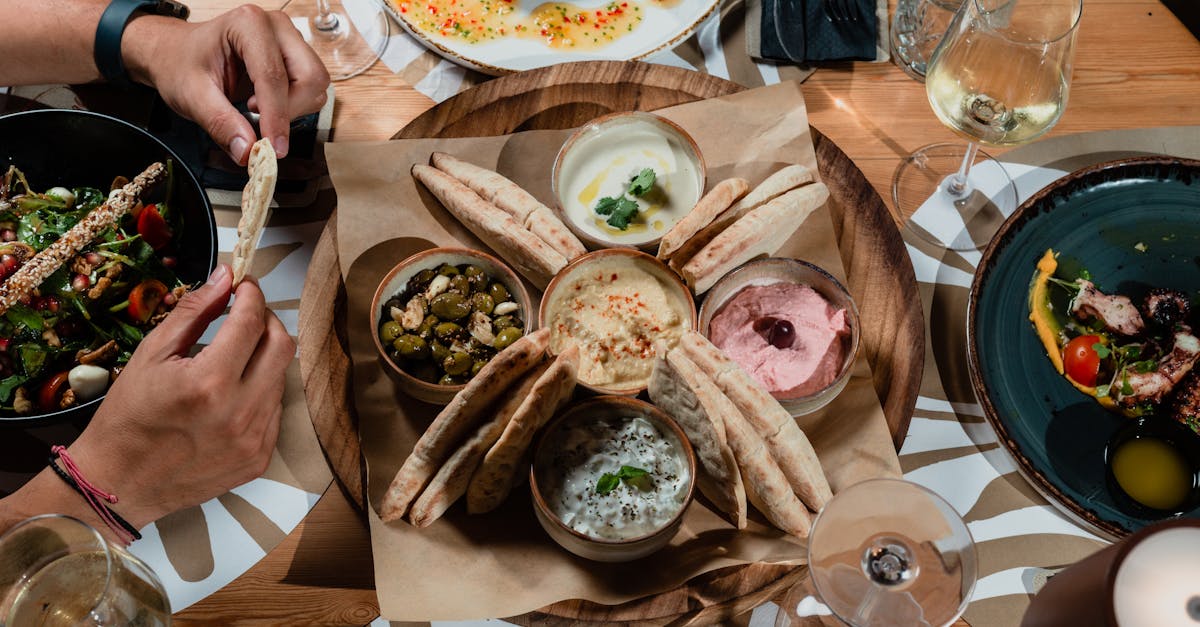
| How to pair Burgundy wines with local cuisine for a successful experience? | In Burgundy, we don’t mess around with food! Wine isn’t drunk alone; it tells a story that continues with every bite. Here, food and wine pairing is a discipline in its own right, where each dish is designed to enhance the wine, and vice versa. We’ve put together a small house selection to guide you without any hassle. | 🐓 | Bresse Poultry with a Côte de Nuits Pinot Noir: The finesse of the poultry and its light spices pair perfectly with the subtle aromas of the Pinot Noir. The chicken in a cream sauce is echoed in the smoothness of a Puligny-Montrachet Chardonnay. | 🍖 |
Snails & Chablis
: The minerality and freshness of this white wine contrast wonderfully with the garlic butter and parsley.
- 🍳 Eggs en Meurette & Pinot Noir de Mercurey : Simplicity and intensity meet in this traditional dish and its accompanying wine.
- 🧀 Époisses & Meursault or Corton-Charlemagne : This robust cheese calls for wines that match its powerful and refined flavors.
- If you want to deepen your knowledge, don’t hesitate to discover the rules of wine tasting and tips for successful pairings at vin-et-chocolat.fr . Resources to help you fully exploit the potential of your Burgundy wines! Traditional Dish 🍽️
- Recommended Wine 🍷 Pairing Characteristics 💡 Bresse Poultry
- Pinot Noir Côte de Nuits / Chardonnay Puligny-Montrachet Fineness and smoothness that go hand in hand Boeuf Bourguignon
Pinot Noir Balance between the richness of the dish and the elegance of the wineSnails
| Chablis | Mineral contrast and buttery taste | Eggs en Meurette |
|---|---|---|
| Pinot Noir Mercurey | Simplicity and intensity | Époisses Cheese |
| Meursault, Corton-Charlemagne | Balanced power and refinement | Finally, for those who want to discover how to pair white chocolate and Burgundy wine, a winning and often underestimated duo, visit |
| vin-et-chocolat.fr | for expert advice. | Whether you’re a novice or an experienced enthusiast, Burgundy invites you to celebrate taste in all simplicity, in a warm and unfussy atmosphere. Give it a try; we guarantee it works pretty well! |
| Frequently Asked Questions About Burgundy Wine | Why are Burgundy wines often more expensive than those from other regions? | This is mainly due to the limited size of the vineyards, the rarity of the grands crus (some climats are less than one hectare), and the rigorous quality of the production. Strong international demand also plays a role. |
| How can you recognize a Bourgogne Grand Cru? | These wines bear the designation “Grand Cru” on the label, indicating that they come from some of the most prestigious plots, such as Romanée-Conti, Chambertin, or Corton-Charlemagne. Are all Burgundy wines Pinot Noir or Chardonnay? | Mostly yes, although Gamay is present in the Mâconnais and Aligoté in the regional appellations. |
When are the best times to visit Burgundy’s vineyards? Spring is perfect for seeing the vines awaken, fall for the grape harvest, and of course summer for enjoying the festivals and small local celebrations. Where can you buy good-value Burgundy wine in France?
To find good vintages at affordable prices, check out the regular selections from small producers and houses like Louis Jadot. More information at