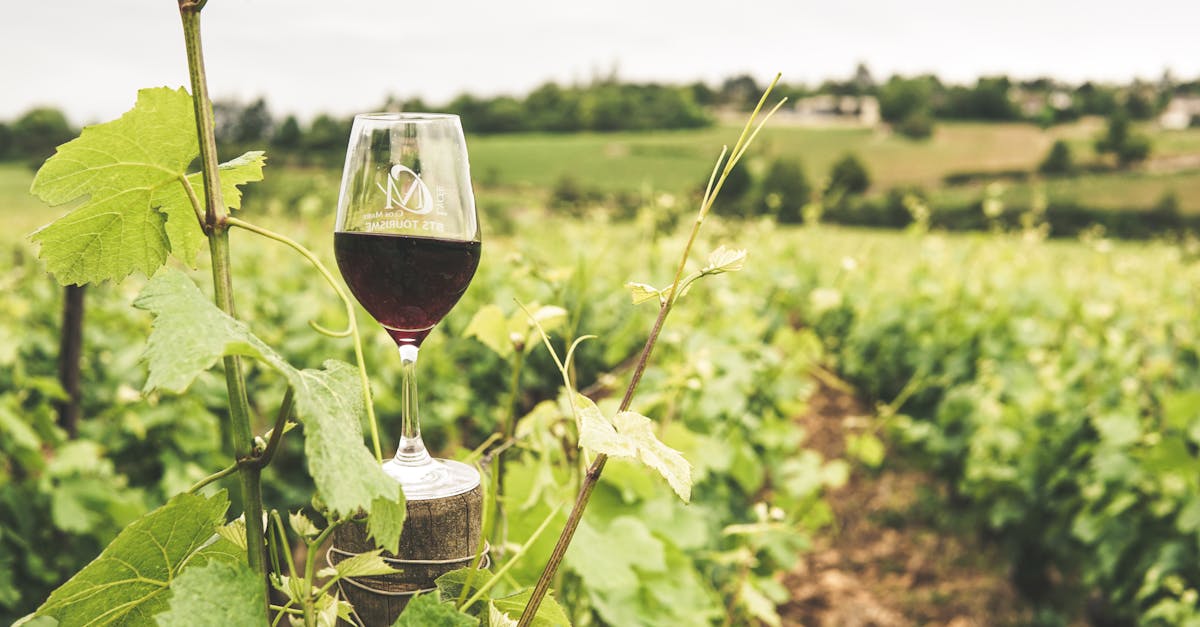
In the abundant Southwest region, wine is not just a simple beverage, but a true mirror of the territory it inhabits. The terroir, this unique cocktail of soils, climates, reliefs and know-how, shapes each bottle, giving it a strong and inimitable identity. Here, each bunch, each vintage, tells a story, that of a clay-limestone or sandy soil, of an intoxicating exposure to the sun, of microclimates conducive to slow and advanced ripening, or of attentive work in the vineyards and cellars. These elements give the wines of the Southwest an aromatic palette and a depth that captivate amateurs and connoisseurs. Moreover, it is often this local natural soil that gives vintages like those of Château Montus, Domaine de l’Embouque or Château de Gaube their unparalleled character. So dive into the world of terroirs and discover how they are truly the invisible artisans of the exceptional quality of the wines of this rich region.
Which soils shape the richness of Southwest wines?
When we talk about the impact of terroir on wines, it’s impossible to ignore the soils. In the Southwest, diversity rhymes with richness: clay, limestone, gravel, sand, and even marl form the foundation of the vine. Each type of soil brings its own unique touch—a bit like a pinch of spice in a recipe! For example, clay soils retain water well, ensuring a regular supply of nutrients to the vines, which often results in more powerful and full-bodied wines, such as those from Domaine du Pécharmant or Domaine de la Borie. On these soils, the tannins are generally well-structured and promise great longevity.
The limestone soils, for their part, offer remarkable natural drainage, appreciated in these often humid lands of the Southwest. This type of soil, particularly present in the plots of Château Lagrezette, promotes a lively aromatic profile and a beautiful freshness on the palate, perfect for more elegant white or red wines. These calcium-rich soils often impart a minerality that discerning palates immediately notice.
Finally, the gravelly terraces, sometimes mixed with sand, as in certain areas around Domaine de l’Embouque, quickly warm the vines, accelerating the ripening of the grapes. The result? Fruity and rounded wines, sometimes with a hint of indulgence reminiscent of the simple pleasures of summer. 🌿
- Clay: strength, structure, longevity 🪨
- Limestone: freshness, minerality, elegance 🌞
- Gravel and sand: rich fruit, roundness Soil type 🍇
| Main characteristics ⚡ | Typical wines 🎯 | Examples in the Southwest 🏰 | Clay |
|---|---|---|---|
| Water retention, moderate temperature | Tannic, structured, full-bodied wines | Domaine du Pécharmant, Château du Cèdre | Limestone |
| Fast drainage, rich in minerals | Fresh, elegant, mineral wines | Château Lagrezette, Mas de Daumas Gassac | Gravel & Sand |
| Rapid warming, light soil | Fruity, round, delicious wines | Domaine de l’Embouque, Domaine du Tariquet | It’s not easy to get lost in these differences, but understanding this geodiversity is already a step towards Just when you’re looking for a Southwest wine that suits your taste! If you want to delve deeper, we recommend this great article that explores the impact of terroir on Southwest wines. |
Discover the essence of terroir, a journey to the heart of traditions, authentic flavors, and luminous landscapes. Explore the richness of local products and the impact of the environment on our food.Southwest climate: how does it influence wine quality?
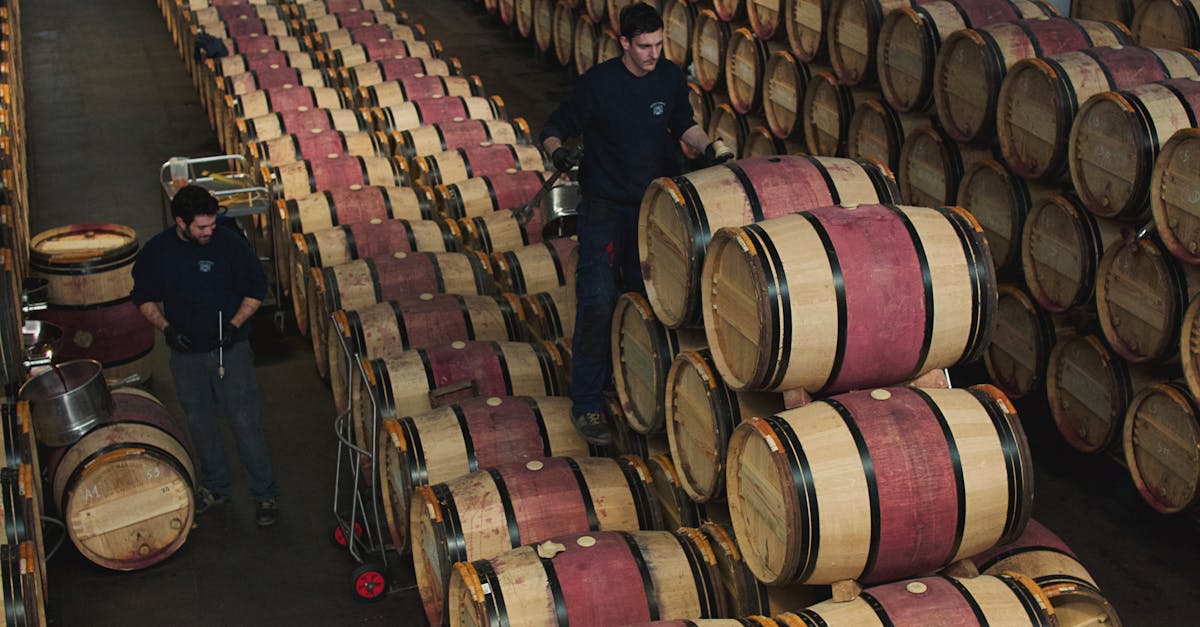
This climatic configuration brings a dual effect to the wine: a pleasant freshness thanks to the often cooler nights and a beautiful balance in the ripening of the grapes. The result is wines with noticeable but gentle acidity, which allows for a lovely liveliness on the palate while avoiding aggressiveness. Wines like those from Château Montus or Domaine de Bachen perfectly illustrate this peaceful blend of power and freshness. Here are a few key elements of the Southwest climate that influence wine quality:
🌦️
Well-distributed rainfall
– promoting regular vine growth
- 🌡️ Moderate temperatures – avoiding extreme heat spikes
- 🌙 Cool nights – preserving acidity and aromatic potential
- 🍃 Atlantic and Mediterranean influence – ensuring diversity and complexity
- Climatic Factor 💨 Influence on the vine and grapes 🌱 Consequences on the wine 🍷
| Example of a winery 🏡 | Distributed rainfall | Regular hydration, less stress | Balanced wines, without excess alcohol |
|---|---|---|---|
| Domaine du Tariquet | Moderate temperatures | Slow and complete maturation | Complex aromas, good structure |
| Château du Cèdre | Cool nights | Acid preservation, freshness | Vivacity and aging potential |
| Mas de Daumas Gassac | Dual oceanic and Mediterranean influences | Aromatic diversity | Wines with complexity and balance |
| Château Montus | This subtle and sometimes capricious marriage makes all the difference compared to other wine-growing regions, where climatic extremes tip the balance in one direction or the other. To learn more about how climate and geology together shape the structure of wines, simply play the joker card with this insight into the richness of the terroir. | https://www.youtube.com/watch?v=11zsIko-rwM | Topography and exposure: what role do vines play in the Southwest? |
We often imagine vineyards lying flat, but make no mistake, topography plays a major role in the quality and expression of Southwest wines. Gentle or steep terrain, slope orientation, and altitude form a complex context that influences light, temperature, and drainage. Vines planted on hillsides generally benefit from better drainage, avoiding stagnant water that can promote certain fungal diseases. These slopes also promote optimal sun exposure. South or southeast exposure is particularly prized because it maximizes sunlight while sometimes protecting the grapes from cold northerly winds.The result is more even ripening and a higher concentration of aromatic compounds. Moreover, the altitude sometimes tempers excessive heat while increasing nighttime coolness, as is the case at estates such as Château du Cèdre or on some terroirs at Domaine de Bachen. ⛰️
Fast drainage and better exposure
🌄
South/southeast orientation:
Maximizes photosynthesis
- 🌬️ Moderate altitude: Beneficial nighttime cooling
- 💧 Effect on diseases: Less stagnant moisture
- Topographical feature 🏞️ Impact on the vine 🌿 Consequences on the wine 🍇
- Concrete examples 🌟 Hillsides and slopes Efficient drainage, optimal exposure
| Greater aromatic concentration | Château de Gaube, Domaine du Pécharmant | Southern exposure | Best solar assimilation |
|---|---|---|---|
| Fruity aromas and balance | Domaine de la Borie, Château Montus | Moderate altitude (100-300m) | Nighttime freshness |
| Maintained acidity, long finish | Mas de Daumas Gassac | Hills | Varied microclimates |
| Diversity in aromatic profiles | Domaine du Tariquet | To get the most out of your next tasting, consider the topography of the vineyard where the wine comes from. This can really give you a better idea of what to expect on the nose and palate. Also visit | these articles on fascinating terroirs |
| to broaden your horizons on the subtleties of the terroir. | Discover the fascinating world of terroir, where tradition and expertise meet. Explore the culinary riches, local products, and authenticity of our regions through their unique specialties. Human Expertise: The Other Side of Terroir in Southwest Wines | We’re not just talking about nature here. The expertise of Southwest winemakers is a major force that enhances the natural characteristics of the terroir, as at Domaine du Pécharmant or Château Lagrezette, whose cellar work shapes the final character of the wine as much as the soil. | The cultivation methods—organic, biodynamic, or sustainable agriculture—vine management, the selection of rootstocks suited to the soil, and meticulous winemaking—all constitute a true art. For example, at Mas de Daumas Gassac, highly precise winemaking practices, combined with an exceptional terroir, result in wines that are powerful, balanced, and elegant. |
A wine professor might well tell you that we’re witnessing a true symbiosis between nature and human hands. And indeed, you shouldn’t hesitate to draw inspiration from this strong bond when choosing your wine. For example, the patient work of Domaine de l’Embouque is a benchmark in the region for showcasing the terroir with finesse and personality. 🧑🌾 Organic and biodynamic cultivation practicesto naturally express the terroir
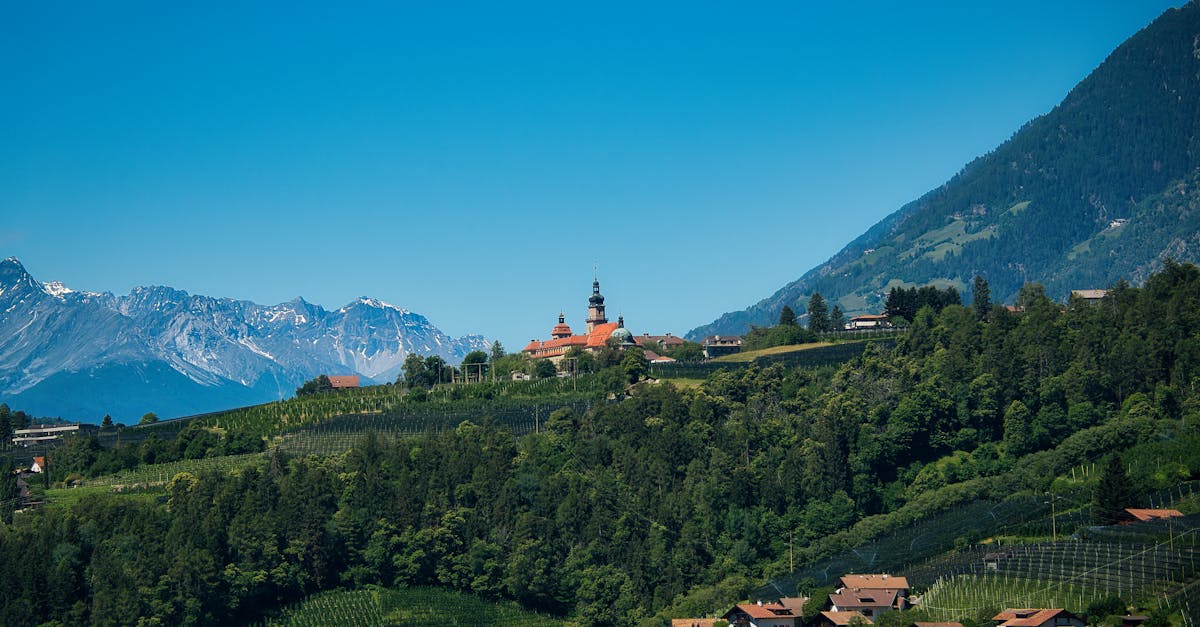
Adapted winemaking
influencing structure and aromas
🛠️
Rootstock selection
- corresponding to the soil type ⌛ Patience and maturation
- for a proper sensory expression Human aspect 👨🌾 Role in enhancing the terroir 🌟
- Impact on wine 🥂 Example of a winery 🔍 Organic and biodynamic viticulture
- Respect for nature, vine vigor Soil health, pure expression of aromas Domaine de l’Embouque
| Controlled winemaking | Fermentation control | Aromatic complexity and finesse | Château de Gaube |
|---|---|---|---|
| Rootstock selection | Soil adaptation | Yield and quality Optimized | Domaine du Tariquet |
| Aging in barrels or stainless steel vats | Deepening character | Balance between fruitiness and texture | Château Montus |
| Want to please everyone during tastings? Understanding and enhancing this “second terroir,” that of the winemaker, is the key you just need to play. To go further, also discover | how terroir influences other regions, such as Champagne. | https://www.youtube.com/watch?v=k8c5RNt8kXU | Frequently Asked Questions: Everything you didn’t know about terroir and wines from the Southwest |
| What exactly is a wine terroir? | It is a set of natural (soil, climate, relief) and human (viticultural practices) elements that, combined, give a unique identity to the wine produced. | Why does soil have such a strong impact on the taste of wine? Because it influences the nutrition of the vine, water retention, minerality, and therefore the aromas and final structure of the wine. | How does the climate of the South-West influence the grape varieties? |
The moderate climate favors gradual maturation which maintains the freshness and taste balance of the grapes, essential to the quality of the wine. Is the winemaker’s know-how really decisive?Yes, because it adapts cultivation practices and winemaking to make the most of the terroir, and therefore produce unique wines.