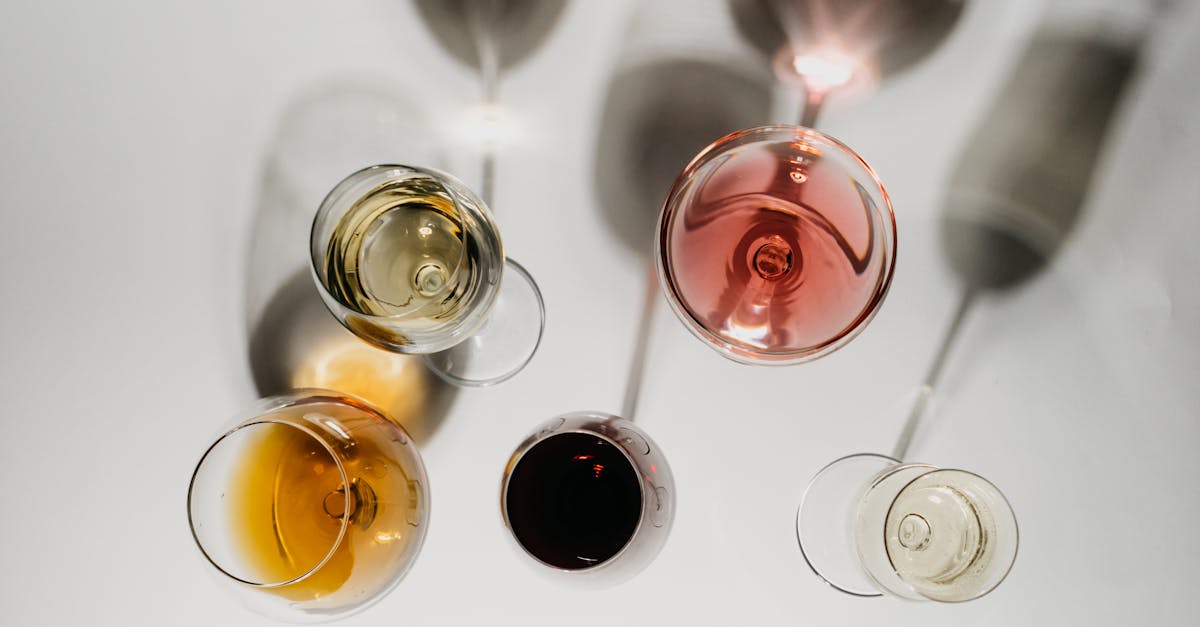
In the cool, mountainous regions of Savoie and Bugey, the quest for elegant rosé wine reveals a magical palette of grape varieties. Far from being a simple pale variant, Savoyard and Bugey rosé draws from a unique array of grapes with strong characters. These regions are known to rely on resilient vines, adapted to the cold terrain and rich limestone or schist soil. Here, rosé is carefully crafted, often resulting from complex blends that combine finesse and indulgence, fruity freshness and subtle structure. Emblematic grape varieties such as Mondeuse, Gamay, and Pinot Noir—each with its own unique character—give these wines their singular brilliance. These grape varieties, along with lesser-known varieties such as Altesse and Gringet, transform the musts into balanced cuvées, perfect for accompanying salads, grilled meats, and moments spent sharing al fresco. When preparing for this approach, it’s also helpful to know that these AOC appellations rely on centuries-old winemaking traditions, which contribute to the identity of each bottle and the tasting experience. Each grape is grown with expertise adapted to the harsh climate, revealing notes found nowhere else. To hit the nail on the head at your next tasting, simply play the trump card: understand the star grape varieties and those that accompany them in these rosé cuvées. This way, everyone can agree on the right wines at the table, without any hassle, and you’ll be dazzled by the sights—and taste buds!
Which red grape varieties bring Savoie and Bugey rosés to life?
The heart of Savoie and Bugey rosé wines beats to the rhythm of a few dominant red grape varieties, which create lively, fruity, and often vibrant wines. Among them, Mondeuse
occupies a central place. An indigenous grape variety since well before the end of the 19th century and the ordeal of phylloxera, it likes limestone and shale soils like those found in the Combe de Savoie, a favorite terrain for it. It makes up around 10% of the plantations in this area and reveals its potential wonderfully in crus like Arbin or Saint-Jean-de-la-Porte. It is a vigorous vine which gives red wines and therefore rosés from light pressings, a beautiful density and an assertive tannic structure. In this same wine ballet, the Gamay
also makes its entrance. Originally from Beaujolais, this grape variety arrived later in Savoie and Bugey, in the wake of the fight against phylloxera. Despite its delicate nature and sensitive to frost, it now covers 18% of rocky surfaces and flourishes particularly well in valleys such as Chautagne or Montagne du Chat, particularly in the Jongieux cru. Gamay produces delicious wines, low in tannin, overflowing with red fruits and therefore perfect for delicious, round rosés, very accessible to amateurs. THE Pinot Noir
don’t miss the call. Present in certain parts of Savoie and on the Bugey coast, this grape variety of Burgundian origin adapts elegantly to gravelly and limestone soils. Respected for its finesse and complex fruity aromas, it provides more powerful and structured wines, and its delicate touches in rosés offer them a very interesting aromatic profile. Less common, but not negligible, Persian
, also known by other names like princens or becuette, still finds its place in certain Savoyard vineyards, mainly in Tarentaise and Maurienne. It brings a slightly wilder character, particularly in rosés from more traditional terroirs. 🍇 Grape variety🌍 Main origin
| 🎯 Key feature | 🍷 Rosé style | Mondeuse | Combe de Savoie |
|---|---|---|---|
| Vigorous, good for limestone and schist soils | Dense, tannic, intensely fruity | Gamay | Chautagne, Montagne du Chat |
| Delicate, poorly frost-resistant, good yield | Lively, fruity, slightly tannic | Pinot Noir | Bugey, Combe de Savoie |
| Complex, powerful, fruity aromas | Fine, elegant, aromatic | Persan | Tarentaise, Maurienne |
| Rare, wild character | Distinct, original | 💡 To learn more about this subject, don’t hesitate to discover the red wines of Savoie and their characteristic grape varieties, for example on this well-documented website: | Savoie red grape varieties |
. Discover the different grape varieties, their unique characteristics, and how they influence the taste and aroma of wines. Dive into the fascinating world of oenology and learn to appreciate each grape variety. The White Touch in Rosés: A Mineral and Fruity BlendWhat makes the rosés of Savoie and Bugey so surprising is precisely this masterful blend with white grape varieties. So yes, we’re talking about rosés, meaning wines with a light color, but without the contribution of white grape varieties, it’s difficult to achieve that typical freshness or that pleasant balance. Alpine terroirs favor a lively and aromatic expression that several varieties complement.
We also find
Altesse
or Roussette, a typical Savoyard grape variety, both energetic and delicate. It produces fruity and aromatic wines, ripe yet elegant. This variety develops a refined character with a beautiful length, ideal for adding complexity to light rosés without weighing them down.
Gringet , often overlooked but prized, is mainly grown in Haute-Savoie and the Arve Valley. It is especially famous for making up 100% of certain sparkling wines such as those from Ayze. In rosé blends, it brings freshness and floral notes, with a particular elegance. 🌼Jacquère
: acidity and floral freshness🍏 Chardonnay
: fruity, balanced, and round 🍐Altesse
- : aromatic finesse and length 🌸 Gringet
- : floral notes and lightness 🍇 White Grape Variety 🗺️ Main Area
- 🎨 Aromatic Profile 🍾 Role in Rosés Jacquère
- Cluse de Chambéry, Combe de Savoie White flowers, green apple, lemon Freshness, liveliness
| Chardonnay | Bugey, Savoie | Fruity, balanced acidity | Balance, fruity |
|---|---|---|---|
| Altesse | Montagne du Chat, Bugey | Fruity, aromatic, length | Complexity, finesse |
| Gringet | Haute-Savoie | Floral, light | Freshness, elegance |
| Learn more about the white grape varieties of Savoie and their characteristics Unique here: | Savoie white wine grape varieties | . | https://www.youtube.com/watch?v=NutFG8hRrFA |
| The specific winemaking methods that preserve the freshness of rosé | Beyond the grape varieties, the magic of Savoie and Bugey rosé wines comes above all from a vinification process that emphasizes freshness and natural aroma. This isn’t about prolonged maceration or powerful extractions, but rather delicate pressing and excellent temperature control during fermentation. | The preferred method is direct pressing. | , which involves gently pressing the grape bunches to extract a light, clear juice. This juice then undergoes cold settling, often for 24 hours, to remove solid particles and keep the wine clear. Fermentation then takes place between 14 and 18°C in thermostatically controlled stainless steel vats, which preserves all the fruity flavors and liveliness of the grape varieties. |
Generally, aging is not long and also takes place in vats, which avoids any excess oak or tannins, while maintaining freshness. This method, a classic in the region, produces a delicious rosé, accessible from spring or summer. Sometimes, disgorging is more careful for sparkling rosés, particularly from Bugey, where Pinot Noir and Gamay contribute to the production of highly prized sparkling wines. 🍾 Direct pressing for a clear juice ❄️ Cold settling to clarify🌡️ Gentle fermentation between 14°C and 18°C
🎉 Some sparkling rosés: traditional method
These elements make all the difference when tasting a Savoyard or Bugey rosé. Their fresh character and fruity bouquet are an invitation to unpretentious moments of conviviality. 🔥 Step
⚙️ Description 🎯 Objective in rosésDirect pressing
Gentle juice extraction
- Clarity, lightness
- Cold settling
- Clarification of the must
- Wine purity
- Controlled fermentation
15°C-18°C in stainless steel vats
| Preservation of fresh aromas | Aging in vats | Short duration, without oak |
|---|---|---|
| Maintaining freshness and fruitiness | Traditional method (for sparkling wines) | Secondary fermentation in the bottle |
| Fine effervescence and freshness | https://www.youtube.com/watch?v=uMjimra_Llk | What food and wine pairings should you adopt to enhance the rosés of Savoie and Bugey? |
| Savoie and Bugey rosés are light and easy to share. Their main quality is the balance between freshness, fruitiness, and light tannins, which pairs perfectly with a variety of everyday dishes, as well as more festive ones. You don’t need to be an expert to successfully pair these wines with food! | Here is a small selection of pairings that work wonderfully with these rosés: | 🍗 |
| Grilled white meats | : chicken, turkey, and even rabbit pair wonderfully with the fruity notes and slight acidity of rosés. | 🍤 |
| Fried foods and fish | : these light wines don’t overpower the delicate flavors of fried foods, shrimp, or grilled fish, but rather enhance them. | 🥗 |
: their freshness helps counteract crisp greens and vinaigrettes, for a lively yet sweet balance. 🔥
Summer barbecues and grills: what better occasion to bring out a chilled and vibrant bottle? Rosé will make a splash without masking the grilled flavor.
🧀
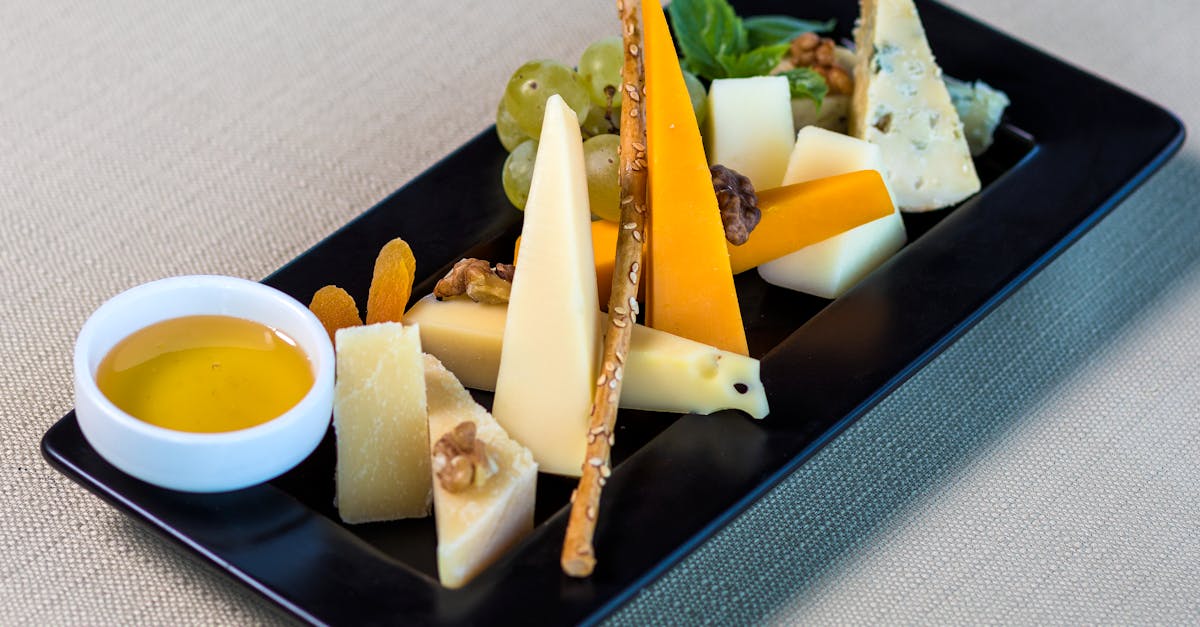
- Mild cheeses: Rosé can also pair well with soft or soft cheeses, especially those produced locally in the Savoie-Bugey region. 🥘 Main course 🍇 Ideal grape variety for rosé
- 👍 Why does it work? White Meats Gamay, Mondeuse Fruity and light, balance between acidity and structure
- Fried Foods Pinot Noir, Jacquère Lightness and freshness
- Salads and Crudités Jacquère, Altesse Freshness and floral notes
- Barbecue Mondeuse, Gamay Fruity aromas and good structure
| Mild Cheeses | Chardonnay, Altesse | Smooth and aromatic |
|---|---|---|
| Want to go further and discover broader advice on food and wine pairings? Here’s a simple and well-documented link: | Food and Wine Pairings | . |
| Atypical grape varieties and the richness of wine diversity in Savoie and Bugey | Of course, we can’t talk about the rosé wines of Savoie-Bugey without mentioning the wonderful diversity that allows these terroirs to produce a wide range of profiles, each as interesting as the next. While classic grape varieties like Mondeuse, Gamay, Pinot Noir, Altesse, and Chardonnay hold the upper hand, other lesser-known varieties deserve special attention. | In this category, we should mention varieties like Molette, a rather hardy variety popular in the Seyssel region. It can be used in white or rosé blends and adds body. Malvoisie, present more discreetly in the Combe de Savoie, adds a unique aromatic touch. White Mondeuse, or Dongine, is worth rediscovering, as some winemakers have begun to revive its qualities. In Bugey, Poulsard—a typical Jura grape variety—is used for the sparkling rosés of the Cerdon cru, bringing lightness and fresh, tangy notes. Syrah and Cabernet Franc are rarely present but could play an interesting role in more modern or experimental cuvées. 🌿 |
| Molette | : rustic, robust, very productive grape variety | 🍇 |
| Malvoisie | : aromatic and discreet | ⚪ |
| Mondeuse blanche (dongine) | : rare and original variety | 🍒 |
Poulsard : light, fresh, ideal for sparkling wines🔥
Syrah & Cabernet Franc
: experienced grape varieties, to be continued
🌱 Grape Variety
📍 Origin
- 🎯 Use 🔍 Special Feature Molette
- Rives du Rhône (Seyssel) Rosé and white blend Robust and rustic
- Malvoisie Combe de Savoie Aromatic wines
- Rarely present Mondeuse blanche Cluse de Chambéry, Combe de Savoie
- White and rosé wines Rare and original Poulsard
| Cru Cerdon (Bugey) | Sparkling rosés | Light and Tangy | Syrah & Cabernet Franc |
|---|---|---|---|
| Bugey | Experimenting with vintages | Little present but promising | For those who truly want to explore less traditional grape varieties, we invite you to take a look at this link dedicated to the wines and grape varieties of Savoie-Bugey: |
| Savoie-Bugey wine grape varieties | . | Discover the different grape varieties, their unique characteristics, and their essential roles in wine production. Explore the most popular grape varieties and learn how they influence the taste and aroma of your favorite wines. | FAQ: Everything you need to know about the rosé wine grape varieties of Savoie-Bugey |
| ❓ | What are the most commonly used red grape varieties for rosés? | They are mainly | Mondeuse |
| , | Gamay | , and | Pinot Noir |
| . | ❓ | Do white grape varieties play a role in the production of rosés? | Yes, varieties like |
Jacquère ,Altesse
Chardonnay
- bring freshness and complexity. ❓ Can you find sparkling rosé wines in the region?
Absolutely. Bugey, particularly the Cerdon cru, produces sparkling rosés with Gamay and Poulsard. ❓Which lesser-known grape varieties are worth discovering? Molette, Malvoisie, and Mondeuse Blanche are worth watching. ❓Where can I learn more about these grape varieties? - Several online resources, such as Savoie Bugey wine varieties or Savoie white wine varieties, are recommended.
-
-
-