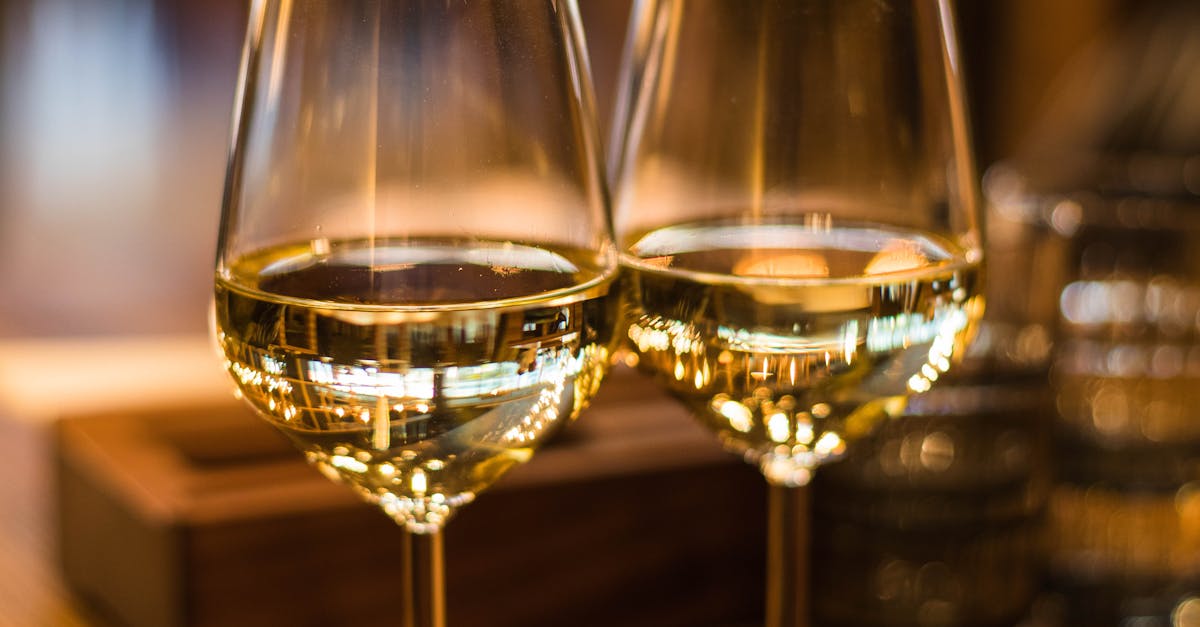
Champagne, the ultimate symbol of special occasions, conceals much more than mere effervescence. Behind its bubbles lies an art form, difficult to grasp at first glance. To navigate it all, whether you’re a connoisseur or just curious, you must consider a whole series of essential criteria. Bright color, expressive aromatic bouquet, texture in the mouth: these are all small clues that, when added together, provide the key to distinguishing a grand cru from a simple cuvée. And with prestigious names like Moët & Chandon, Veuve Clicquot, and Dom Pérignon all over the market, it’s not always easy to decipher. This guide takes you into the sparkling world of champagne to better understand the telltale signs and help you choose the bottle that will please everyone, without any hassle. We’ve put together this no-nonsense overview, with concrete examples, clear lists, and even a bit of history to help you better understand the empire of bubbles. Because beyond the label and the price, it’s the seemingly discreet subtleties that make all the difference. Whether it’s recognizing the best houses like Taittinger, Krug, or Bollinger, or knowing which nose reveals an exceptional champagne, prepare to become an expert on the subject. What are the main criteria for judging the appearance of a Champagne?The first criterion to scrutinize is the appearance of the liquid. The eyes speak volumes about the quality and craftsmanship behind each bottle. A good champagne is often recognized by its clear, brilliant appearance and its fine, numerous bubbles. The color that stands out 🎨 A quality champagne generally displays a lovely golden, coppery, or even amber color for the most mature cuvées. The shade naturally depends on the grape varieties and the time spent in the cellar, but the key is brightness: an opaque or cloudy liquid is often a sign of poorly controlled fermentation or a filtration defect. Rosé champagnes, which range from pale pink to light red, must also be clear and well-colored. For example, a Rosé from Laurent-Perrier
offers this delicate pink that already delights the eye even before tasting. Bubbles that dance and sing 🥂The finesse and persistence of the bubbles are crucial. Small, regular bubbles, which rise gently and form a fine, creamy mousse, indicate careful craftsmanship, as at great houses like Ruinart or Piper-Heidsieck. Conversely, coarse bubbles that burst quickly may indicate a less noble production method, often the faster and less expensive “Charmat method.” 🎨
Color:
Bright golden, amber for older vintages
💨
Bubbles:
Fine, light, and persistent ✨ Clarity:
Clear, not cloudy or opaque
🍾 Foam: Generous foam that lasts for several minutes Visual CriteriaGood Champagne ✅
- Mediocre Champagne ❌ Color Bright golden, sometimes amber
- Dull, cloudy, or too pale Bubbles Fine, numerous, rising continuously
- Coarse, bursting too quickly Clarity Perfect transparency
- Opaque, visible cloudiness Foam Creamy and persistent
| Few, disappearing quickly | Don’t hesitate to observe these details directly in the glass by trying several vintages, particularly from renowned houses like | Louis Roederer |
|---|---|---|
| or | Bollinger | . You will quickly understand the difference that makes quality champagne so magical, whether for a toast or a more intimate moment. |
| Discover the art of evaluating champagne, a complete guide to understanding the different vintages, their characteristics, and selection criteria. Learn to appreciate every sip and find the ideal champagne for all your special occasions. | Why is the nose a reliable indicator for evaluating a Champagne? | The nose of your champagne is like its olfactory identity, that first impression that speaks to you even before the first sip. Deciphering its aromas means understanding what the winemaker put into the bottle, but also how old it is, and how it has aged. |
| Fresh and fruity aromas 🍏🍐🍋 | To get it right, the nose of a good champagne should be lively and clean. Think of fresh notes of green apple, crisp pear, or lemon, which bring a sparkling and energetic side. These aromas often reflect a young, balanced wine, made to be enjoyed in its youth, like a classic Moët & Chandon cuvée. More evolved notes: brioche, almond, walnut 🍞🌰 | When champagne has aged in the cellar for a few years, it develops an additional aromatic richness, a sign of proper maturation. At this point, the nose leans toward more indulgent and complex notes, ranging from toast, vanilla, hazelnut, and roasted almonds. This is often the case with prestigious cuvées from Dom Pérignon or Krug, which have carefully evolved to gain character. |
| The importance of the bouquet in detecting flaws 🚫 | A flat, closed, or unbalanced nose can signal a lower-quality champagne, or even production anomalies. An overly acidic aroma, for example, can indicate premature canning or poor blending. Avoid these bottles, even if the price is tempting. 🍏 Fresh and fruity aromas (apple, pear, lemon) | 🍞 Advanced notes (brioche, vanilla, walnut) |
🚫 No unpleasant or overly acidic odors 🌿 Harmony and Complexity of Aromas Olfactory Profile Sign of Quality 🌟Problem Signs ⚠️

Apple, pear, citrus
Lack of freshness
Developed Aromas
Brioche, almonds, vanilla Acid or closed notesComplexity
Harmonious balance
Mono-aromatic or aromatic flaw Discover more about the subtleties of aromas in the Secrets of Oenology and Tasting . This will greatly help you refine your palate like a true pro.https://www.youtube.com/watch?v=88poK6wmY7M
How to identify flavors and mouthfeel to evaluate a Champagne?
The palate evaluation is often what remains etched in the memory, as the flavors of Champagne can delight or disappoint. This step requires a little patience, but it is truly essential. The balance between acidity, sweetness, and bitterness ⚖️
- A successful champagne combines freshness and sweetness, without one overpowering the other. The acidity should support the fruity flavors, but not be aggressive. The sensation should remain light and airy, with that famous dance of bubbles that tickles the taste buds. An imbalance here, such as overpowering sweetness or overly sharp acidity, often indicates a poorly mastered blend.
- Texture and length on the palate 👅
- The bubbles should provide a creamy and delicate texture. This pleasant mousse gives way to a long and pleasant finish, with flavors reminiscent of fresh fruit, hazelnuts, or brioche. Great houses such as Bollinger and Louis Roederer are renowned for offering cuvées that particularly shine in this sensory dimension. ⚖️ Acidity/sweetness balance
- 👅 Creamy texture and fine mousse
| ⏳ Pleasant length in the mouth | 🍒 Fruity flavors and notes of aging | Palate aspects |
|---|---|---|
| Positive indicator 🌟 | Negative signals ⚠️ | Balance |
| Sweet and fruity acidity | Too much sugar or aggressive acidity | Texture |
| Fine and creamy mousse | Coarse and tangy bubbles | Finish |
Long and pleasant duration Short or tartDiscover our complete guide to evaluating champagne, offering advice on selection criteria, different grape varieties, and appreciation techniques. Elevate your tasting experience and become an expert!
The role of price and brand in evaluating a Champagne
We often wonder if an expensive champagne is necessarily better. Well, it’s not always the case, but price remains an interesting indicator. But be careful not to fall into the trap of flashy labels.
Why price can influence your choice 💶
High-end champagnes require a lot of time, patience, and expertise. Older vintages, more demanding production methods, and the prestige of the house inevitably impact the price. Prices reflect certain costs, but not always the ideal tasting experience.
Brands like Krug, Dom Pérignon, and Veuve Clicquot display prices that reflect their reputation and consistent quality.
The brand: a sometimes reliable, sometimes surprising guarantee ⭐ Major houses like Moët & Chandon, Bollinger, and Taittinger have established their reputation over the centuries with strict processes. They are reliable. However, never overlook small, independent producers who sometimes produce stunning vintages, worthy of standing alongside the giants. 💶 Price can reflect quality, but not always 👑 Large wineries have strict standards 🌟 Small producers also deserve attention 🔍 Always combine several criteria to make a good judgment
- Criteria
- Advantage
- Limitation
- Price
| Overall quality and production index | Does not guarantee the best tasting | Brand |
|---|---|---|
| Reputation and consistency | Can mask disappointing vintages | Small Producer |
| Originality, potential for surprise | Less predictable | To unearth gems, you have to dare to explore, let yourself be guided by passionate sommeliers, or rummage through expert reviews. And if you want to spice up your palate, you can look at the best vintages from the Rhône, even if it’s not Champagne, that works quite well too. |
| How to recognize a quality Champagne based on its origin and labels? | Champagne, this legendary region, is divided into several terroirs, each subtly influencing the nature of the champagne. | The major areas to know 📍 |
Montagne de Reims:
robustness, power, and rich aromas
🍇
Vallée de la Marne:
freshness, fruitiness, and lightness 🍇Côte des Blancs: finesse, elegance with a strong contribution of Chardonnay 🍇 Côte des Bar: roundness and strong character of Pinot Noir
Labels that guarantee traditional production ✔️
To avoid confusion, you should also check certain labels on the bottle. For example, the words “Récoltant-Manipulant”certify that the producer has overseen every step, from grape to bottling. This is a guarantee of attention to detail and often of quality. Other labels may indicate organic or biodynamic production, sometimes holding some pleasant surprises. Production Area 🍾 Characteristics Example of a great house Montagne de Reims Powerful, rich aromas
- Bollinger, Krug
- Marne Valley
- Fruity, light
- Veuve Clicquot, Piper-Heidsieck
| Côte des Blancs | Finesse, elegance | Ruinart, Taittinger |
|---|---|---|
| Côte des Bar | Roundness, character | Louis Roederer |
| This knowledge will allow you to broaden your tasting experience and evaluate champagnes not only by their taste, but also by their certified origin. When narrowing down your choices, keep in mind to take a look at the producer’s history and practices. Don’t forget to also explore what tasting experts reveal about traditional or modern practices; this can sometimes make a big difference, as is the case with recent winemaking innovations. | FAQ – Frequently Asked Questions About Evaluating Champagne | What are the first things to look for in a bottle of champagne? |
| Look at the color, the quality and size of the bubbles, and the clarity. These elements already give an idea of the quality. | Why are some cuvées more expensive than others? | Price is often linked to the production method, the age of the wine, the reputation of the house, and its rarity, but it doesn’t always guarantee the best quality. |
Does provenance really affect taste? Yes, the region and terroir play a major role in the character and characteristic aromas of champagne. How can you recognize a quality champagne nose? A complex nose that blends fruity freshness with more evolved notes like brioche is a good sign.
Where can you find reliable advice for choosing your champagne?
Wine merchants, sommeliers, and specialized guides are your best allies for navigating the jungle of bubbles.
To better understand the complexity of wines and tastings in general, even outside of champagne, consider this valuable resource on
the behavior of white wine lovers
- , which also sheds light on certain reflexes to adopt. And for those curious about the great histories of the vine, discover the secrets of wine fraud in ancient Rome .