The Rhône Valley, this long wine-growing stretch which winds from the south of Lyon to the gates of Provence, is a mosaic of terroirs and appellations as rich as they are varied. This territory, rich in climates, soils and grape varieties, is divided into two large zones, each with its own character: the northern Rhône and the southern Rhône. Here, there is no question of keeping things simple! Between steep granite soils on one side and stony terraces to the south, each plot tells its own story. If you venture into this region, expect to discover a series of discoveries with its wines of astonishing diversity, between velvety red, floral white or gourmet rosé. We have put together this guide for you to decipher all the appellations that the Rhône Valley offers in order to better navigate them without any hassle. Whether you are curious to learn more before choosing a bottle or simply passionate about these wines, you will be able to explore this oenological gem in depth and breadth.
With a production spanning 66,572 hectares and covering more than 2.7 million hectoliters of wine per year, the Rhône Valley takes quality and quantity seriously. Not to mention that this region is a favorite for exports, firmly occupying its place on international shelves. It is also a breeding ground for fascinating grape varieties: Syrah dominates the North with its power and elegance, while the South relies on Grenache for an almost solar generosity. This enormous variety of appellations, mainly classified as AOCs, is itself divided into sub-segments such as Côtes du Rhône, Côtes du Rhône Villages, not to mention cornerstones like Châteauneuf-du-Pape or Hermitage. The picture expands even further when we mention Crozes-Hermitage or Beaumes-de-Venise. So many appellations that testify to the infinite richness of the Rhône. In short, a true patchwork of flavors and characters that are a must-discover.
What are the major geographical divisions of the appellations in the Rhône Valley?
The Rhône Valley, with its 200 kilometers in length, does not present itself as a single, homogeneous vineyard. In reality, it is divided into two very different zones, both in terms of the character of its wines and their geography: the Northern Rhône and the Southern Rhône. This dual identity is essential to understanding the diversity of appellations that we will find there.
The Northern Rhône Valley: a land of powerful and precise wines
The northern Rhône stretches from Vienne to Valence, with vineyards often planted on steep, south-facing slopes to capture maximum sunshine. The climate is continental, with cold winters that put the vines to the test, but also foster great finesse in the wines produced. Here, the undisputed star is Syrah, the sole grape variety in local reds, which produces elegant, complex, and oaky wines with characteristic peppery notes. On the white side, Viognier, Marsanne, and Roussanne reign supreme. 🍇
- Main red grape variety: Syrah 🌞
- Climate: Moderate continental 🌿
- Soils: Granite, schist, gneiss 🍷
- Some major appellations: Hermitage, Crozes-Hermitage, Saint-Joseph, Cornas, Côte-Rôtie, Condrieu (white) These areas tend to produce characterful, distinctive red wines with body and exceptional aging potential. For example, Hermitage remains an international benchmark for full-bodied red wines. Crozes-Hermitage, a little more accessible, offers beautiful freshness and immediate fruitiness. Note that Saint-Joseph and Cornas, often less famous, contain real treasures for those who know where to look.
The Southern Rhône, a kingdom of generous blends
To the south, the Rhône Valley changes face. The climate shifts toward a Mediterranean profile with hot, dry summers, punctuated by the famous Mistral wind, which often acts as a health guardian. The landscape is more hilly, with a mosaic of soils including pebbles that warm the earth and concentrate the ripeness of the grapes.
🍇
- Main red grape varieties: Grenache, Mourvèdre, Syrah, Cinsault 🌞
- Climate: Hot and dry Mediterranean 🌿
- Soils: Pebbles, limestone, clay 🍷
- Prestigious appellations: Châteauneuf-du-Pape, Gigondas, Vacqueyras, Beaumes-de-Venise, Côtes du Rhône Villages Here, the red wines display impressive power and concentration. Châteauneuf-du-Pape is a landmark, with its aromas of spice and garrigue that transport the senses. Gigondas and Vacqueyras are no exception, offering well-structured but often more supple reds. The richness of the south doesn’t stop with reds, as it also produces whites and even rosés, such as those from Tavel, highly prized for their intensity and complexity. The south is also the domain of blends, where Grenache and its companions (Mourvèdre, Syrah) perform a delicate dance to enchant the palate. Area 🍾
Key Characteristics 🌄
| Main Grape Varieties 🍇 | Notable Appellations 🍷 | Northern Rhône | Steep hillsides, continental climate |
|---|---|---|---|
| Syrah (Red), Viognier (White), Marsanne, Roussanne | Hermitage, Crozes-Hermitage, Côte-Rôtie, Cornas, Saint-Joseph, Condrieu | Southern Rhône | Hills, Mediterranean climate |
| Grenache, Mourvèdre, Syrah, Cinsault (Reds & Rosés), Grenache Blanc, Clairette (Whites) | Châteauneuf-du-Pape, Gigondas, Vacqueyras, Beaumes-de-Venise, Côtes du Rhône Villages, Tavel | Discover the beauty of the Rhône Valley, a region rich in picturesque landscapes, renowned vineyards, and gastronomic traditions. Explore its charming villages, savor its quality wines, and immerse yourself in the fascinating history that shapes this unique destination. | What are the must-see appellations and their specific characteristics in the Rhône Valley? |
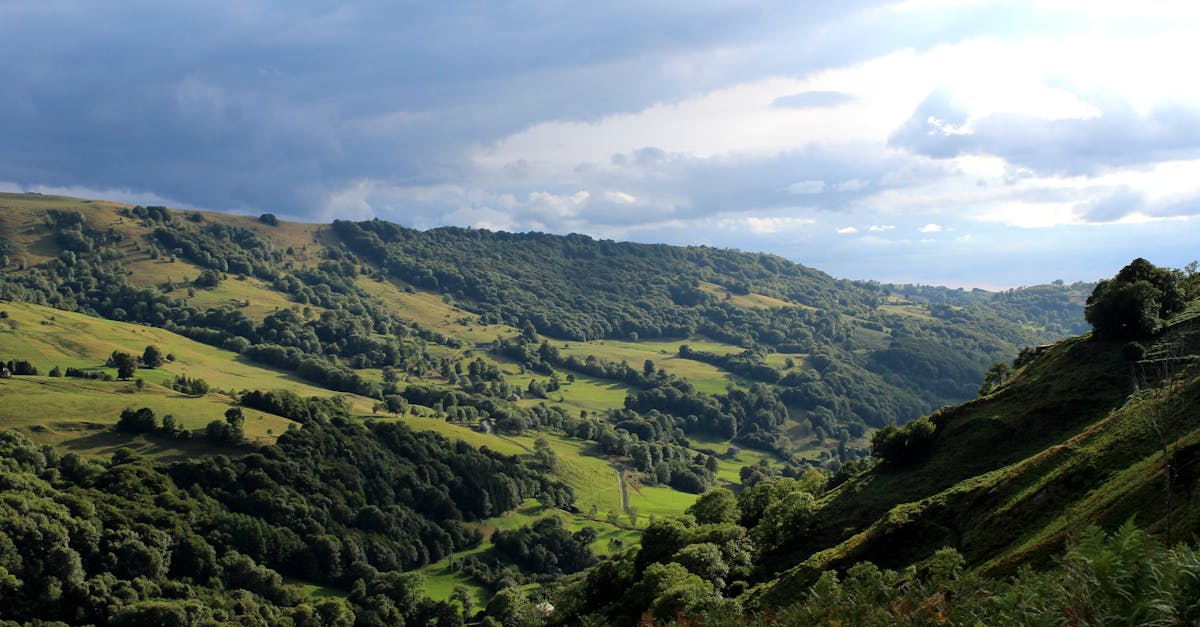
The sure values of the Northern Rhône
🌟
Côte-Rôtie:
- Renowned for its powerful and refined reds, dominated by Syrah, with notes of black fruits, spices, and a hint of violet. A gem for lovers of complex wines. 🌟 Hermitage:
- Full, distinguished, and full-bodied. A legend with its intense reds, as well as its rich whites that combine minerality and roundness. 🌟 Crozes-Hermitage:
- The perfect compromise for those looking for supple, fruity, and accessible wines, while retaining the freshness of Syrah. 🌟 Saint-Joseph:
- Wines that are both elegant and fresh, with silky tannins, ideal for aperitifs or light meals. 🌟 Cornas:
- Powerful and full-bodied reds, often more rustic, to be reserved for lovers of strength and authenticity. 🌟 Condrieu: The Eldorado of Rhône white wines, made exclusively from Viognier, with its floral, exotic, and creamy bouquet.
- Stars of the Southern Rhône 🌟 Châteauneuf-du-Pape:
An exceptional wine, often described as sunny, generous, and complex. A typical blend based on Grenache, sometimes complemented by Mourvèdre and Syrah.
- 🌟 Gigondas: A rich, fleshy red with a beautiful tannic structure, perfect for lovers of wines with ageing potential.
- 🌟 Vacqueyras: A full-bodied and spicy style, very typical, with firm tannins yet a pleasant approachability.
- 🌟 Beaumes-de-Venise: Famous for its naturally sweet wines as well as its fruity and well-balanced reds. 🌟
- Tavel: The rare gem of a rosé, intensely aromatic and structured, a must-have for summer aperitifs. 🌟
- Côtes du Rhône & Côtes du Rhône Villages: Regional or village appellations offering excellent value for money and a wide variety of flavors. With these appellations on the menu, you’re ready to find bottles that suit your taste buds, whether you’re stocking your cellar or toasting with the family.
- Appellation 🍷 Geographic area 📍 Type of wine 🍇
Key characteristics 🔑
| Dominant grape varieties 🍃 | Côte-Rôtie | North | Red | Elegant, spicy, notes of black fruits and violet |
|---|---|---|---|---|
| Syrah | Hermitage | North | Red & White | Powerful, mineral, black fruits, spices, roundness |
| Syrah, Marsanne, Roussanne | Crozes-Hermitage | North | Red & White | Accessible, fruity, fresh |
| Syrah, Marsanne, Roussanne | Saint-Joseph | North | Red & White | Elegant, fresh, silky tannins |
| Syrah, Marsanne, Roussanne | Cornas | North | Red | Powerful, full-bodied, rustic |
| Syrah | Condrieu | North | White | Floral, creamy, exotic |
| Viognier | Châteauneuf-du-Pape | South | Red & White | Generous, spicy, complex |
| Grenache, Mourvèdre, Syrah | Gigondas | South | Red | Full-bodied, spicy, firm tannins |
| Grenache, Mourvèdre, Syrah | Vacqueyras | South | Red | Spicy, fruity, firm tannins |
| Grenache, Mourvèdre, Syrah | Beaumes-de-Venise | South | Red & Naturally Sweet | Fruity, balanced, sweet (for sweeter wines) |
| Grenache, other southern grape varieties | Tavel | South | Rosé | Intense, structured, aromatic |
| Grenache, Cinsault, Mourvèdre, others | Côtes du Rhône / Villages | South & North | Red, White, Rosé | Varied, fruity, good value |
| Numerous grape varieties (Syrah, Grenache, etc.) | https://www.youtube.com/watch?v=UPSQ_4xOm9g | What is the role of grape varieties in the Rhône Valley appellations? | One of the strengths of the Rhône Valley lies in the great diversity of grape varieties that make up its wines. This varied blend brings character and balance to the blends. To fully understand the appellations, it’s important to take a closer look at the grape varieties grown here. | 🍇 |
: A must-have in the north, it produces powerful, spicy, and tannic reds with a long aging potential.
🍓
- Grenache : In the south, this star brings roundness and fruitiness, often associated with power in blends. 🌿
- Mourvèdre : Provides spicier and more animal notes, and structures the robust wines of the south. 💐
- Viognier : A purely Nordic wine, it inspires floral, rich, and supple whites. 🍯
- Marsanne & Roussanne : Often blended, these whites offer roundness and a beautiful length on the palate. 🍋
- Clairette, Bourboulenc, white Grenache : in the south, they add freshness and minerality to whites. The marriage of these varieties according to the appellations is what creates this diversity which makes all the richness of the Rhône Valley. Whether we’re talking about a 100% Syrah Crozes-Hermitage or a sprawling, multi-varietal Châteauneuf-du-Pape, there’s always a tasty story behind it.
- Grape variety 🍷 Usage 🍇 Main Features 📝
Key names 🔍
| Syrah | Red | Powerful, peppery, black fruits, marked tannins | Hermitage, Côte-Rôtie, Crozes-Hermitage, Saint-Joseph, Cornas |
|---|---|---|---|
| Grenache | Red & Rosé | Round, fruity, spices, soft tannins | Châteauneuf-du-Pape, Gigondas, Vacqueyras, Tavel |
| Mourvèdre | Red & Rosé | Spicy, complex, robust | Châteauneuf-du-Pape, Gigondas, Vacqueyras, Beaumes-de-Venise |
| Viognier | White | Floral, creamy, fruity (apricot, peach) | Condrieu, Côte-Rôtie (white plots) |
| Marsanne | White | Round, bold, long-lasting | Hermitage, Saint-Joseph, Crozes-Hermitage |
| Roussanne | White | Complex, floral, mineral | Hermitage, Saint-Joseph, Crozes-Hermitage |
| discover the Rhône valley, a setting of enchanting landscapes, renowned vineyards and rich cultural traditions. set off on an adventure through its charming villages, historic sites and savor exceptional wines in the heart of this emblematic wine region. | How do the Rhône Valley appellations fit into the global oenological landscape? | In the great concert of international wines, the Rhône Valley holds a place of honor which deserves attention. This region, renowned for its depth and diversity, has no reason to be ashamed of giants like Bordeaux or Burgundy. But what sets it apart is less a unique and essential appellation than the richness of its patchwork of appellations. This varied palette has both an economic impact and significant cultural recognition. | 🌍 |
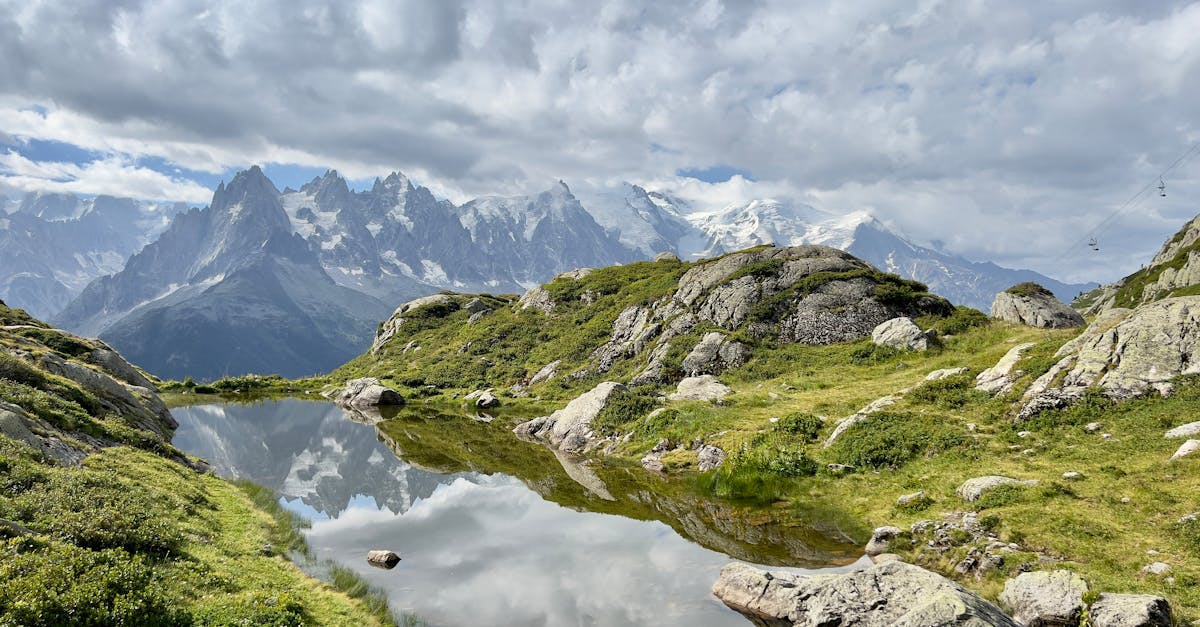
More than a third of AOC production is exported, particularly to the United States, the United Kingdom, and Germany.
🏆
- Prestige: Vines such as Hermitage, Côte-Rôtie, and Châteauneuf-du-Pape are consistently ranked among the best wines in the world. 🎯
- Accessibility: Thanks to the Côtes du Rhône and villages, there is an affordable gateway to discovering the region without breaking the bank. 🍽
- Gastronomy: The complementarity of Rhône wines with a varied cuisine, from meats to mature cheeses, is a key asset. 🔍
- Innovation: The region is also seeing the emergence of organic and biodynamic practices that further enhance its terroirs. This blend of history, authenticity, and modernity places the Rhône Valley at the heart of restaurants around the world. The varied appellations offer all consumer profiles a comprehensive range and rich tasting experiences, whether you’re an informed connoisseur or simply curious.
- Aspect 🌟 Description 🔍 Impact 🍷
Export
| 35% of production goes international | Global visibility and economic growth | Renowned wines |
|---|---|---|
| Hermitage, Côte-Rôtie, and Châteauneuf-du-Pape are among the most renowned | Attracts enthusiasts and collectors | Accessibility |
| Affordable offerings with Côtes du Rhône and Villages | Encourages discovery and loyalty | Gastronomy |
| Wines suited to a wide range of cuisines | Strengthens the quality image | Winemaking innovation |
| Emergence of organic and biodynamic wines | Promotion of terroir and responsible practices | FAQ on the varied appellations of the Rhône Valley |
| What are the most commonly used grape varieties in Rhône Valley wines? Syrah in the north and Grenache in the south are the two stars, complemented by Viognier, Mourvèdre, and Marsanne depending on the region. | What is the difference between Côtes du Rhône and Côtes du Rhône Villages? | Côtes du Rhône is a broader regional appellation, while Côtes du Rhône Villages covers specific communes with more distinctive and often higher-quality wines. More information here. |
Is Châteauneuf-du-Pape only red?
- No, this appellation also produces white wines, which are quite rare but highly prized for their aromatic complexity.
Which wines should you choose for a gourmet aperitif? - Condrieu whites or Tavel rosés are perfect for an aperitif with character. Discover the best rosés here.
Where can I find Rhône Valley wines for under 10 euros? Standard Côtes du Rhône often offer pleasant surprises at moderate prices; check out this guide here.