
In the Southwest wine landscape, 2025 is shaping up to be a pivotal year. While vineyard prices are plummeting almost everywhere, a certain excitement persists for exceptional vintages. Far from being a simple observation, this trend is reflected in a contrasting dynamic, with some investors playing the long-term card, while others preferring to be cautious. In Gironde, the beating heart of viticulture, transaction closures are becoming rare despite selective demand and continued enthusiasm for renowned estates like Château Montus and Domaine de l’Artigue. This somewhat unclear atmosphere mixes economic realities and tourism hopes, raising the question of the fair value of wines from this unique terroir. Let’s uncover this mosaic of prices and understand the movements that drive this complex market.
So, to get the facts straight, how are these sometimes very different prices calculated? What role does the reputation of appellations play? And what surprises can estates like Cie des Vins d’Appellation or Château de Haute-Serre, often praised for their quality and expertise, hold in store? Finally, for those of you dreaming of discovering or investing in these wines, here’s a no-nonsense breakdown of typical Southwest wine prices in 2025, with concrete examples and key figures to ensure everyone’s understanding is clear.
How is the Southwest wine price market evolving in 2025?
The Southwest wine market is in flux. In recent years, particularly since the end of the Covid era, we’ve observed a general decline in transactions and a drop in prices, especially in the less prestigious appellations. We’re talking about a fairly marked decline, affecting everyone, even vineyards around Bordeaux. Figures published by the Safer (French Wine Insurance Agency) in 2023 confirm this trend nationwide. For example, in Gironde, vineyard prices have fallen by 20% in several major appellations, a clear sign of the market slowdown.
Thierry Rustmann, an expert in Bordeaux wine transactions, points to a paradox: “Never before have so many sales mandates been issued, but very few have been completed.” This reflects an overabundance of supply in the face of sluggish demand. The activity of the Pierre Saint-Martin and Château de Gaube wineries is being hit hard by this context, even though the quality of the wines is not in question.
- 🌟 A significant price drop: -14% for red Bordeaux, which also affects Bergerac.
- 🌟 Some appellations such as Blaye-côtes-de-Bordeaux are seeing drops of up to 23%.
- 🌟 The crisis is more pronounced in sweet wines, including Sauternes.
- 🌟 The Médoc and Lalande-de-Pomerol are experiencing sharp declines.
- 🌟 Despite the headwind, a few acquisitions are showing some confidence. Appellation 🍇
| Average price €/ha in 2024 💶 | Decrease in 2025 📉 | Example of an estate 🌿 | Bordeaux Red |
|---|---|---|---|
| 10,500 | -14% | Domaine du Causse | Blaye-côtes-de-Bordeaux |
| 9,000 | -23% | Château de Puyguilhem | Médoc |
| 22,000 | -20% | Château de Haute-Serre | Sauternes (sweet wines) |
| 28,000 | -18% | Domaine de L’Ancienne Cure | It should be noted, however, that this decline does not affect everyone equally. Grands crus, such as Pomerol or Pauillac, maintain astronomical prices, sometimes reaching several million euros per hectare. Château Montus, for example, despite the difficult economic climate, remains a symbol of financial resilience in this market, supported by a truly international reputation. |
Discover wine prices: compare bottle prices, explore market trends, and find the best deals to expand your wine cellar.
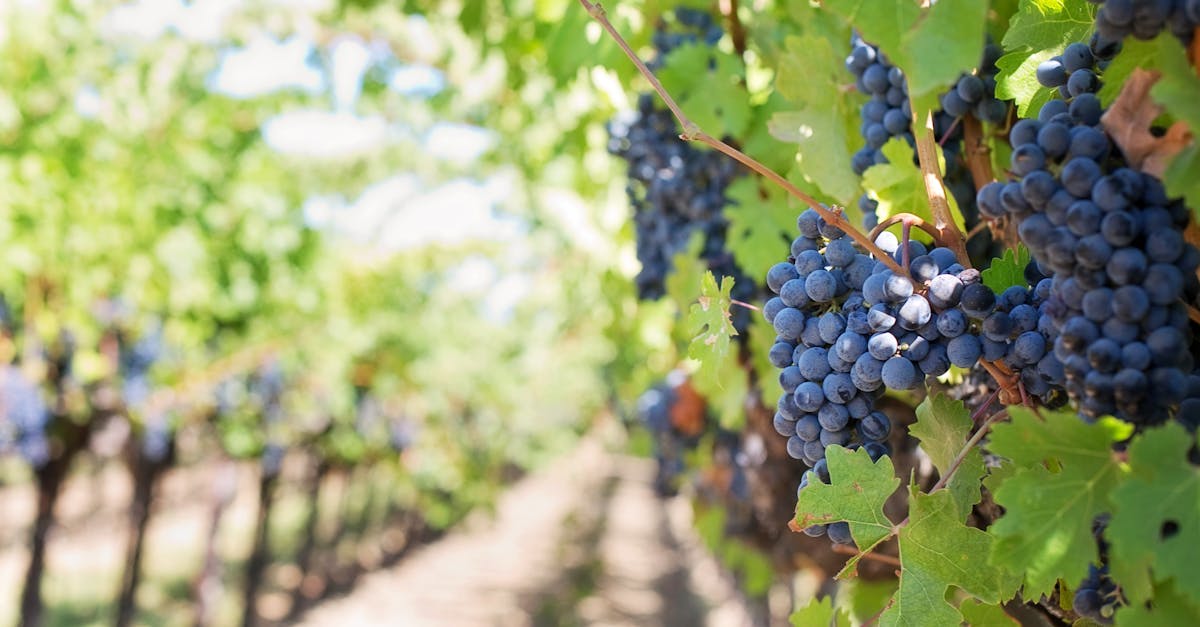
The Southwest, with its diverse range of producers, sees a clear distinction between prestigious vintages and lesser-known estates that are rapidly improving their quality. Names like Château Montus, Domaine de l’Artigue, and Domaine de la Beyne illustrate this diversity. These estates combine tradition and innovation, which allows some of them to maintain or even increase their prices despite a less than buoyant overall market. In addition, several cooperative wineries and small estates, such as the Cie des Vins d’Appellation or the Caves de la Pierre Saint-Martin, are adopting different strategies to promote their wines: modern packaging, direct sales, and the promotion of wine tourism. These initiatives help create a more stable demand, limiting price declines. The dynamic tourism industry surrounding wineries, particularly in attractive areas such as Château de Gaube or Domaine de L’Ancienne Cure, plays a significant role.
🍷 Large estates: Maintain prices through reputation and exports.
🍷 Small estates: Commercial innovation and wine tourism to stabilize revenues.
- 🍷 Cooperative wineries: Search for niche markets and volume production.
- 🍷 Foreign investors, such as those in the Vasanta Group, tend to focus on the long term.
- 🍷 Growing importance of quality and traceability in consumer choices.
- Estate
- Type of production
| Business strategy | Influence on price | Domaine de l’Artigue | Red and white wines |
|---|---|---|---|
| Export to the EU & Asia | Stable and attractive prices | Château Montus | Grands crus, powerful wines |
| Limited production and prestige | High price, strong value | Cie des Vins d’Appellation | Cooperative, large volume |
| Direct sales, eco-responsible innovation | Reasonable price, good accessibility | Domaine de la Beyne | Organic wines |
| Local and online commerce | Constantly rising prices | This market duality, between tradition and modernity, is symptomatic of the shifts taking place in the vineyards of the Southwest, which the region is taking advantage of to better meet the expectations of wine lovers and the demands of new markets. | https://www.youtube.com/watch?v=YRLSjudjgGI |
What will the prices be for white, red, and rosé wines from the Southwest in 2025?
To begin with, red wines still dominate in volume, with a wide price range. A quality red wine from an estate like Château de Haute-Serre generally sells for between €6 and €15 per bottle at a wine merchant, while a grand cru, like those produced by Château Montus, can soar well above that.
Dry white wines from the Côtes de Gascogne region, from Domaine de L’Ancienne Cure and Château de Puyguilhem, offer excellent value for money, often priced below €10 in supermarkets, and are highly valued for their lightness and freshness. Sweet whites from Jurançon, made from Petit Manseng and Gros Manseng grapes, also have their fans, often priced around €12 to €18.
As for rosés, their growing popularity in the region in 2025 is transforming their market. Many come from estates such as Domaine du Causse or the Cie des Vins d’Appellation, with prices ranging from €7 to €13, which can rise for targeted exports, particularly to Asia and Northern Europe.
🔴 Red wines: €6 to €15 standard, up to €40 and more for premium vintages. ⚪ Dry white wines: €5 to €10 on the domestic market.
⚪ Sweet white wines: €12 to €18 depending on the producer’s reputation.
- 🌸 Rosés: €7 to €13, with an upmarket trend linked to growing demand.
- 🍾 Sparkling wines: A growing segment, around €10-20. Wine Type 🍷
- Average Purchase Price (€) 💶
- Producer Example 🎯
- Key Notes
| Standard Red Wine | 10 | Château de Haute-Serre | Pairings with red meat, charcuterie |
|---|---|---|---|
| Premium Red Wine | 35 | Château Montus | Long-lasting, export |
| Dry White Wine | 8 | Domaine de L’Ancienne Cure | Ideal for aperitifs, fish |
| Sweet White Wine | 15 | Domaine de la Beyne | Desserts, fine food pairings |
| Rosé | 10 | Domaine du Causse | Chilled, summer |
| Discover wine prices: compare different ranges, find exclusive offers, and learn how to choose the best wine for your budget. Benefit from expert advice to enjoy your favorite bottles without breaking the bank. | How do wine trends and wine tourism influence the prices of Southwest wines? | The appeal of the Southwest region’s terroir goes far beyond the simple bottle. In 2025, several trends will have a lasting impact on wine prices. Sustainable practices, organic certifications, and the promotion of winemaking heritage are key drivers. Renowned estates such as Château de Puyguilhem and the Cie des Vins d’Appellation are adopting visible quality initiatives that sometimes justify price increases for discerning consumers. | Wine tourism is also emerging as a key driver. The region is attracting more and more visitors seeking authentic experiences: tastings, cellar tours, discovery workshops, and themed meals. Château de Gaube, for example, is taking full advantage of this tourism boom by offering accommodations and wine tours, thus boosting both its image and its prices. |
🛎️ Accommodation and on-site experiences: additional revenue sources.
🌍 Strengthened exports thanks to storytelling about the terroir and its expertise.
🎯 Promoting lesser-known appellations through thematic tourist tours. Factor
- Price Impact (€) 📈
- Example of a Winery
- Comments
- Organic Certification 🌱
- + 5 to 10%
| Domaine de la Beyne | Increases Perceived Value | Wine Tourism & Accommodation 🏨 | + 10 to 15% |
|---|---|---|---|
| Château de Gaube | Attracts New Clientele | AOC Label + History of the Vintage 📜 | + 20% |
| Château Montus | Promotes Exports and Premium Buyers | https://www.youtube.com/watch?v=vu_DYJwr2ds | What Strategies Can You Use to Buy Southwest Wine at a Good Price in 2025? |
| Buying wine in the Southwest in 2025 requires a little flair and the right know-how. Whether you’re a novice or an experienced wine connoisseur, a few tips will help you score a good deal and avoid pitfalls. By exploring lesser-known terroirs, you can access quality wines without breaking the bank. Bergerac, Cahors, and even parts of Bordeaux offer gems to discover, particularly from producers like Domaine de L’Ancienne Cure or Domaine du Causse. | Caution remains advised when shopping for appellations inflated by reputation but impacted by the crisis, where prices can fall further. The current market also clearly favors purchasing directly from producers or through specialized platforms, which allows you to avoid the margins of middlemen. | 💡 Focus on emerging or lesser-known appellations. | 💡 Explore organic and natural wines on the rise. 💡 Take advantage of private sales and special offers on sites like |
.
💡 Visit wineries like Château Montus or Domaine de l’Artigue to taste and bargain.
💡 Diversify your purchases between red, white, and rosé wines to balance your cellar. Purchasing Advice
- Advantage
- Example of a Winery
- Tip Choose rising appellationsBest value for money
- Domaine de la Beyne
- More organic, attractive prices
| Prioritize direct sales | Reduce costs | Cie des Vins d’Appellation | Direct contact, better price |
|---|---|---|---|
| Participate in wine tourism | Discovery and experience | Château de Gaube | On-site negotiations |
| Follow market trends | Wise investment | Domaine du Causse | Anticipate developments |
| FAQ – Frequently asked questions about Southwest wine prices in 2025 | What are the main factors currently impacting prices? | Mainly the general decline in wine transactions, the post-Covid impact, and fluctuating demand, particularly in exports, as well as the rise of organic wines and wine tourism. | Will the price of fine wines continue to rise? |
| Fine wines maintain their value thanks to their prestige and international demand, but remain subject to the global economic climate. | Can you find quality wines at low prices in the Southwest? | Yes, lesser-known appellations and a few small producers offer good value for money, particularly organic wines. | How does wine tourism help promote wines? |
