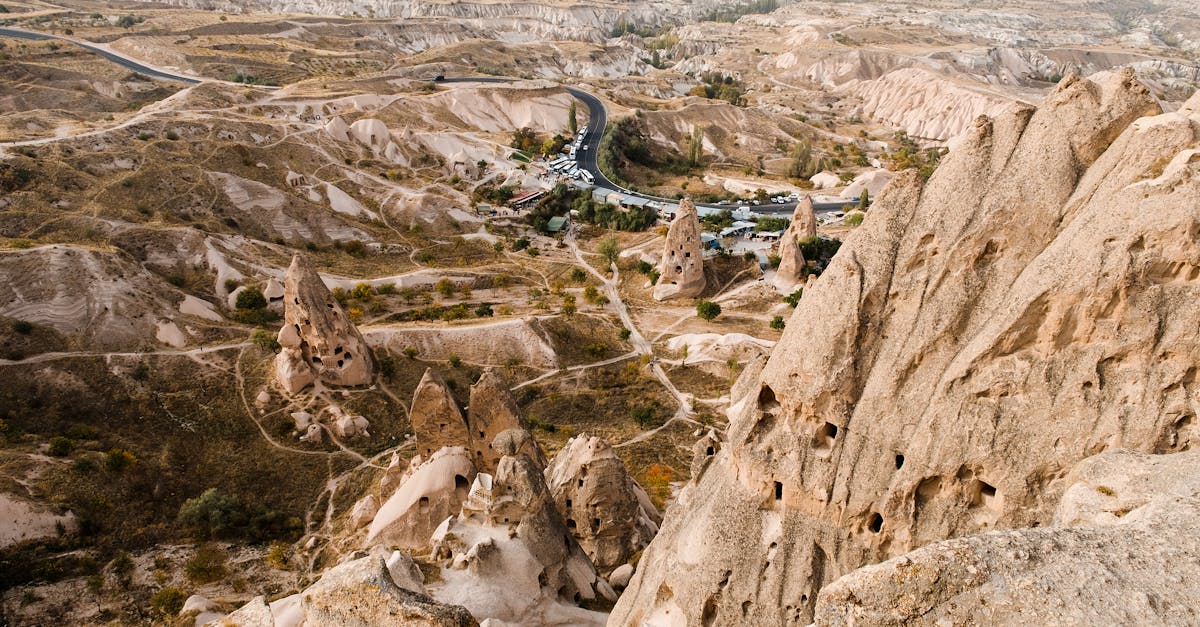
You’ve heard of the rich, powerful wines from the Rhône Valley, but have you ever delved into the hidden richness of its soils? Here, the landscapes tell a geological story millions of years old, sculpted by the sea, the mountains, and the river that gave it its name. This is far from a monotonous region where vines grow in simple soil. No, we’re talking about a mosaic of land where every pebble, every crumb of sand plays a crucial role in the nature and personality of the wines you taste. Whether you’re a novice or a wine enthusiast, we’ve put together this hassle-free guide to help you discover the fascinating secrets of this exceptional terroir.
The Rhône Valley, stretching from the north beneath the Bresse basin to the south, bathed by the Mediterranean, is a veritable geological library. Imagine ancient marine layers, mountain folds straight from the uplift of the Alps, and the omnipresent influence of the Rhône, that giant of rivers, shaping the landscape and patiently depositing varied sediments. These terrains create an incredible diversity of soils, ranging from clay, sand, pebbles, limestone, and granite. And what about iconic vineyards like Domaine de la Vieille Julienne, Château de Beaucastel, or Domaine Guigal, which skillfully exploit this palette to create stunning vintages.
But that’s not all! This richness of the soil directly influences the aromas and textures of the wines, from Côte-Rôtie to Châteauneuf-du-Pape. To truly understand these terroirs, we invite you to take a look at the impact of terroir on Rhône wines via this very informative link here. You will see, it is a dive into the very heart of the life of the vine, not to be missed if you want to become an expert.
How does the unique geological history shape the soils of the Rhône Valley?
To truly understand what makes the soils of the Rhône Valley so unique, we must go back in time, long before the first vine took root there. The region is a veritable geological patchwork, the result of a long history that began with the rise of the Alps and the retreat of the sea around 23 million years ago. This period, called the Miocene, saw the area transform from a terrestrial environment to a sedimentary basin invaded by the Mediterranean Sea.
During this period, large quantities of sediments such as clays, sands, and gravels were deposited, gradually forming the solid foundations of today’s soils. These deposits came mainly from material carried by the Rhône River and its tributaries, originating both from the Massif Central to the west and from the Alpine uplift to the east. This combination of inputs created a heterogeneous soil, mixing detrital and limestone layers. Moreover, it is in these strata that we find today the famous molasses, these highly characteristic loose rocks that influence vineyards throughout the valley.
Tectonic phases, such as the east-west transverse folds caused by the formation of the Alps, subsequently shaped the varied topography that dominates the region: hills, alluvial terraces, steep slopes… This relief plays a key role in sun exposure, soil aeration, and therefore, indirectly, the quality of the grapes produced. A table to better understand the geological diversity:
🍇 Geological Period
| 🌍 Characteristics | 🪨 Soil Type | 🍷 Impact on Wines | Triassic & Jurassic |
|---|---|---|---|
| Limestone outcrops in the South | Hard limestone, marl | Aromatic finesse, soft structure | Cretaceous |
| Cretaceous massifs (Vercors, Alpilles) | Limestone & clay-limestone molasses | Roundness, richness, floral aromas | Miocene |
| Sedimentary Basins & Marine Deposits | Clays, Sandstones, Rounded Pebbles | Power, Color, Tannins | Plio-Quaternary |
| Recent Alluvial Terraces | Pebbles, Sand, Fluvial Clay | Thirst for Freshness, Lightness, and Finesse | So, when you explore an estate like Domaine Paul Jaboulet Aîné or Domaine Michel et Stéphane Ogier, you never know exactly which geological patch you’re in. And that’s what creates all the magic—each plot tells a thousand-year-old story and gives its own unique touch to the wine. |
Discover the unique characteristics of the Rhône Valley’s soils, their impact on viticulture, and the aromas of the wines of this iconic French region. Learn how geological and climatic diversity shapes the terroirs and enriches the experience of wine lovers.
In the North: Granite and Clay Soils for Characterful Wines
In the northern part, close to the Massif Central, soils are predominantly composed of clay, granite, and pebbles. This often rugged terrain, with its relatively steep slopes, forces winemakers to cultivate on terraces. Granite soils, like those around Côte-Rôtie, give the wines a tight structure and intense color. These are often elegant wines, with beautiful freshness and well-balanced acidity, which age well.
Grape varieties that thrive on this type of terroir are cultivated here, notably Syrah, which finds a perfect setting here, and white wines like Marsanne. Estates like Domaine Guigal and Domaine Chapoutier demonstrate exceptional expertise, enhancing these complex soils. The relief and mineral composition of the soil therefore play a key role in the wines’ personality. Not to mention the effect of the slope, which promotes good drainage and optimal light exposure.
In the South: Varied soils, rich in pebbles, clay, and limestone, the garrigue, and the Mediterranean sun
Here we head to another dimension: the South is distinguished by its more calcareous, sandy, and clayey soils, dotted with rolled pebbles, a direct legacy of the alluvial deposits deposited by the Rhône. These flatter terrains support large-scale cultivation with typical garrigue vegetation—lavender, truffle oaks, olive trees—which literally perfume the air. The warm, dry Mediterranean climate reinforces this character, producing warm and expressive wines, such as the famous Châteauneuf-du-Pape and Domaine du Vieux Télégraphe.
The stony, limestone soils of the South produce wines that are often powerful, full-bodied, rich in alcohol, and with impressive aging potential. It’s no coincidence that renowned estates like Domaine de la Mordorée, Domaine Delas Frères, and Domaine Pierre Gagnaire exploit this diversity of soils to produce wines that are as varied as they are exceptional. 🔹 North: granite and clay soils, terraced slopes
🔹 South: pebbles, limestone soils, garrigue, and Mediterranean climate
🔹 Direct impact on the style of wines produced
- 🔹 Influence on grape variety selection and cultivation techniques
- https://www.youtube.com/watch?v=J_-dtxkvr-s
- What are the 5 main soil types in the Rhône Valley and their impact on the wines?
- In this incredible patchwork of terroirs, five soil types dominate and shape the personality of the wines:
Clay soil
: These soils retain water well, and the resulting wines are generally colorful and powerful, with pronounced tannins, often rich and structured. They provide a beautiful alcoholic concentration and a fine aromatic balance.
- 🪨 Stony soil : These soils are made up of rounded pebbles, ideal for remarkable drainage. The wines here gain power and structure for long aging, often with pronounced mineral notes, intensity, and good tannic structure.
- ⚪ Limestone soil : These produce lighter, often very aromatic wines with a supple, rounded, and sometimes rich character. They feature floral and fruity aromas that are the signature of both the whites and reds of this region. 🪵
- Granite soil : produces full-bodied wines with an intense color and often a beautiful finesse. They are distinguished by a lively acidity, which balances everything and gives a unique profile, especially in appellations like Condrieu or Hermitage. 🏖️
- Sandy soil : Quite rare, this soil produces elegant, fresh, subtle wines with very low tannicity. They possess a delicacy and finesse that appeal to those who prefer lighter, airier wines. 🌍 Soil Type 🍇 Typical Wines
- 🍷 Wine Characteristics 📍 Estate Examples Clay
| Côtes-du-Rhône reds | High in alcohol, tannic, colorful | Domaine Chapoutier, Domaine Delas Frères | Stony |
|---|---|---|---|
| Châteauneuf-du-Pape | Powerful, full-bodied, age-worthy wines | Domaine de la Vieille Julienne, Château de Beaucastel | Limestone |
| Hermitage whites, Côte Rôtie | Light, aromatic, supple | Domaine Paul Jaboulet Aîné, Domaine Michel et Stéphane Ogier | Granite |
| Condrieu, Saint-Joseph | Structured, balanced acidity, finesse | Domaine Guigal, Domaine Pierre Gagnaire | Sandy |
| Light Côtes-du-Rhône wines | Fresh, subtle, slightly tannic | Domaine Du Vieux Télégraphe | To learn more about the ideal soils for growing vines, you can read this great article on |
| vin-et-chocolat.fr | , a real treasure trove of information without the hassle! | Discover the unique characteristics of the Rhône Valley’s soils, which play an essential role in this region’s viticulture. Learn how geological diversity and soil composition influence the quality of the wines produced, making this valley an exceptional terroir. | Why does soil composition have such a strong influence on wine style? |
We tend to believe that it’s only the grapes that determine the quality of the wine, but in reality, the nature of the soil plays an equally crucial role. Soil composition profoundly influences the way the roots penetrate, the availability of water and nutrients, as well as the temperature around the vine. In clay soils, water retention is high. This gives vigor to the vine, which explains the more generous bunches with a slightly higher alcohol content. At the same time, these terroirs require special attention to aeration, to avoid excess humidity, which can hinder ripening.The stony soils, on the other hand, drain water quickly, which is ideal for concentrated grapes that produce wines that are both powerful and dense. This type of soil also forces the vine to dig deep, which promotes a better mineral expression in the wines, a sensation you can find in the vintages of Domaine de la Mordorée or the prestigious Domaine Delas Frères.
🌿
Roots that adapt according to soil type
💧
Natural water management
🌡️
- Soil thermal capacity and climate impact 🧪
- Release of minerals and trace elements 🍇
- Direct influence on grape quality and aromas Moreover, the diversity of these terroirs is also reflected in their aromatic richness: to better understand the link between climate, terroir, and flavors, don’t hesitate to consult
- this comprehensive article which truly sheds light on the intimate relationship between nature and taste.
- https://www.youtube.com/watch?v=iV8GJarKwGw Which leading estates best exploit the richness of the Rhône Valley’s soils?
It’s impossible to discuss the richness of the Rhône Valley’s soils without mentioning the winemakers who know how to bring out their full potential. Big names like Château de Beaucastel, Domaine de la Vieille Julienne, Domaine Guigal, as well as Domaine Chapoutier and Domaine Delas Frères, are often cited for their ability to combine expertise with the specific characteristics of the terroir. Each plays the terroir card with their own unique style, producing wines that are often unanimously acclaimed. These estates take advantage of the incredible variety of soils to create a wide range of high-quality wines. For example: 🎯
focuses on the warm, stony soils of Châteauneuf-du-Pape, producing powerful and elegant wines. 🎯
Domaine Guigal
excels on the granite soils of Côte-Rôtie, producing remarkably fine reds.
- 🎯 Domaine de la Mordorée exploits both limestone and clay soils to create multifaceted wines.
- 🎯 Domaine Paul Jaboulet Aîné offers a wide range of wines from the varied soils of the Hermitage.
- 🎯 Domaine Michel et Stéphane Ogier works its plots on stony terraces where the vines express themselves perfectly. 🏅 Estate
- 🌍 Preferred Soil Type 🍇 Appellation 🎨 Wine Style
- Château de Beaucastel Stony, rolled pebbles Châteauneuf-du-Pape
| Powerful, complex, elegant | Domaine Guigal | Granite, clay | Côte-Rôtie, Hermitage |
|---|---|---|---|
| Finesse, structure, freshness | Domaine Chapoutier | Clay, limestone | Crozes-Hermitage, Saint-Joseph |
| Intensity, floral, dense | Domaine de la Vieille Julienne | Stony, sandy | Châteauneuf-du-Pape |
| Rich, powerful, balanced | Domaine Delas Frères | Clay, stony | Côtes du Rhône |
| Balanced, aromatic, refined | A little advice? To better understand these terroirs while tasting, alternate styles and don’t hesitate to take a look at this guide dedicated to iconic winemakers to see how each artisan interprets their soil. | FAQ on the soils and terroir of the Rhône Valley | Why does granite soil produce different wines than limestone soils? |
| Granite provides good acidity and structured wines, while limestone provides lightness and aromatic roundness. Each soil influences the chemistry and physiology of the vine. | Are stony soils the best for aging wines? | These well-draining soils produce concentrated and tannic grapes, perfect for ageing wines with strong potential for evolution. | Does climate play a greater role than soil in determining wine style? |
Climate and soil work together: climate sets the overall mood, but soil modulates the precision and expression of aromas. Can we find the same soils elsewhere as in the Rhône Valley? Some formations are unique, notably the combination of molasses and rounded pebbles, which remain very typical of the Rhône. How do winegrowers choose the right grape variety for the soil?