
👀 In 2025, the Rhône Valley is establishing itself as fertile ground for organic and natural wines, a trend that continues to grow. Between ancient terroirs and environmentally friendly production methods, this region is constantly reinventing itself to attract a public seeking authenticity and freshness. With the impact of climate change and new technologies, the Rhône vineyards now offer a broader range of organic, natural, and biodynamic wines that adapt to these upheavals while promoting their terroir.
🌿 Historic estates now rub shoulders with younger winemakers, who cultivate the vines without artifice to produce lively, moving wines that reveal the richness of the soil. Domaine de la Janasse, Domaine Gramenon, and Domaine Chapoutier embody this dynamic, blending ancestral know-how with ecological innovations. These wine artisans are shaking up the market with products closer to nature, with no added sulfites or only low doses, offering a clear response to the expectations of an eco-conscious clientele.
⚡ Whether in legendary appellations like Châteauneuf-du-Pape or more confidential ones like Domaine Saint Préfert, organic and natural viticulture is spreading throughout the Valley, promoting traditional grape varieties and unique terroirs. Techniques that respect biodiversity and the reintroduction of forgotten grape varieties are breathing new life into this region, which never ceases to surprise. Not to mention that today’s consumers now want to experience wine, not just drink it: organic wine tourism is also making a comeback in the region.
So, what are these new organic and natural wines that will be making waves in 2025? How are traditional estates integrating these practices based on respect for the land and the vine? Discover the game-changing initiatives, profiles of iconic estates, and the innovations shaking up the Rhône wine industry. We’ll take you to the heart of these key transformations without any hassle.
What are the leading estates driving organic and natural wines in the Rhône Valley in 2025?
The Rhône Valley is full of estates that stand out for their clear commitment to organic and natural viticulture. Just to be clear, here are a few names that often come up when discussing organic innovation in this iconic region:
- 🍇 Domaine de la Janasse : A key figure that combines tradition and modernity, renowned for its efforts in natural winemaking, with particular attention paid to long aging on lees and the preservation of biodiversity. 🍷
- Domaine Gramenon : A pioneer in natural wine production in the South, this estate cultivates old vines using zero-chemical practices and uses exclusively indigenous yeasts, guaranteeing a pure expression of the terroir. 🌱
- Château de Beaucastel : A symbol of Rhône excellence, this estate is gradually adopting an organic and natural wine approach, with certified organic plots and wines without added sulfites. 🍃
- Domaine de l’Abate : A small producer making a name for itself thanks to its ancestral methods, without additives, striving to faithfully capture the soul of the terroir. 🍾
- Domaine des Côtes du Rhône : Bringing together several estates, this appellation is seeing a rise in organic and natural wines, particularly in small-volume but high-quality vintages. 🌿
- Domaine du Vieux Télégraphe : Continuing the race for clean viticulture, the estate continues to reduce inputs and experiments with native yeast vinification for a natural and authentic profile. 🌼
- Domaine Chapoutier : One of the pioneers who has long worked for sustainable and organic viticulture, now largely imbued with a natural and biodynamic philosophy. 🌻
- Domaine Saint Préfert : The first to adopt organic farming in a legendary winery, this estate produces wines that express strength and finesse thanks to organic vineyard management. 🔥
- Domaine de la Ville Rouge : Stands out with a range of natural wines made from local grape varieties and hand-harvested with respect for the land. 🍂 Domaine La Source
- : A promising young company, this estate is constantly experimenting with organic farming and favoring winemaking without added sulfur. These estates are constantly pushing the boundaries of what’s possible in organic and natural winemaking. Their development, sometimes still relatively small, makes Rhône wine a benchmark for those who want to taste vibrant, chemical-free, and resolutely modern wines. They also contribute to a rise in quality that is driving all southern wines upwards. 🍇 Estate 🌿 Organic certification
🌱 Natural practices
| 🍷 Main grape varieties | 📍 Location | Domaine de la Janasse | Yes | Natural vinification, indigenous yeasts |
|---|---|---|---|---|
| Grenache, Syrah, Mourvèdre | Châteauneuf-du-Pape | Domaine Gramenon | Yes | Zero input practices, indigenous yeasts |
| Grenache, Syrah | Vinsobres, Southern Rhône | Château de Beaucastel | Yes, partially | Sulfite reduction, partially organic |
| Grenache, Mourvèdre, Syrah | Châteauneuf-du-Pape | Domaine de l’Abate | In progress | No inputs or sulfur |
| Grenache, Carignan | Cairanne | Domaine Chapoutier | Yes | Biodynamic, sustainable agriculture |
| Syrah, Viognier | Crozes-Hermitage | Discover the fascinating world of organic wines, where nature and expertise come together to deliver authentic, environmentally friendly flavors. Explore our selection of organic wines and savor the very essence of sustainable viticulture. | How does climate change affect the production of organic and natural wines in the Rhône Valley? | The climate is always changing! And the Rhône Valley is on the front lines facing the effects of global warming. To achieve the right organic and natural wines, winemakers must rethink their methods and anticipate the future of the vine. The link between climate change and organic viticulture is becoming increasingly evident: |
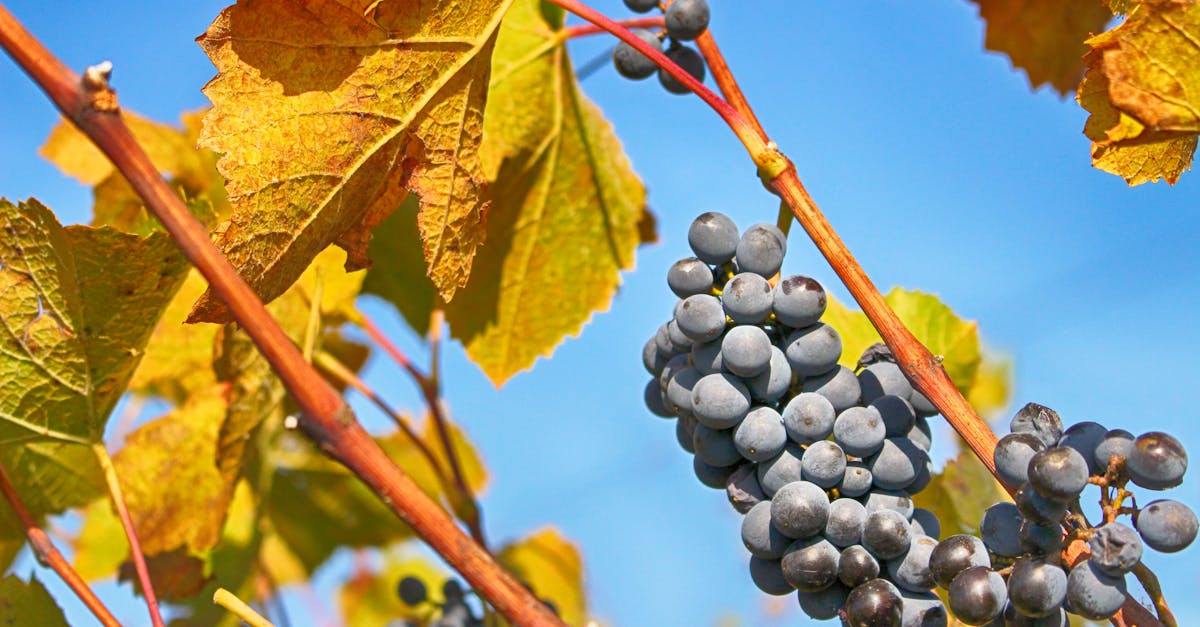
Adapting grape varieties:
Rising temperatures are pushing us to favor grape varieties that are more resistant to drought and heat, such as Mourvèdre or Cinsault, in addition to revisiting old varieties that had been neglected. 💧
- Improved water management : Precision irrigation is essential in some organic vineyards to protect the vines without excessive waste, while some estates are investing in animal traction to reduce compaction and promote living soil. 🛡️
- Reduction of chemical treatments : The requirement to limit pesticides under the organic label is becoming a lever for developing natural disease control systems through increased monitoring of biodiversity. ⛰️
- Use of high-altitude terroirs : The search for higher-altitude vineyards is becoming increasingly popular, as they are cooler and offer tolerable climatic conditions for the vines in the face of intensifying heatwaves. The rise of organic wines is not without challenges. In this fight against the climate crisis, several sources of information highlight the issues:
- ♻️ Element 🎯 Impact on organic viticulture 🔍 Solutions currently being implemented
Excessive heat
| Water stress, early maturity | Planting at altitude, partial shading of the vines | Irregular rainfall |
|---|---|---|
| Disease risks, difficult management | Precision irrigation, ground cover | Soil erosion |
| Loss of fertility, nutrient leaching | Light tillage techniques, hedge planting | Decline in biodiversity |
| Low natural resistance of vines | Promote beneficial fauna, diversified agriculture | Want to delve deeper into the impact of climate change? Take a look here: |
| vin-et-chocolat.fr/changement-climatique-vins | 🌍 | https://www.youtube.com/watch?v=Sh2D9CM1Mns |
Climate adaptation is an essential skill for organic and natural winegrowers. Those who can adapt without compromising their terroir will have a lasting advantage in this changing market. What innovations are there in natural winemaking techniques in the Rhône Valley? As we’ve told you, natural winemaking is a bit of a wild card for producing a lively and expressive wine, without the hassle of chemical additives. In the Rhône Valley, more and more wineries are adopting innovative techniques, pushing natural practices even further: 🍇
: No more artificial yeasts; we’re focusing on spontaneous fermentation using those naturally present on the grape skins to maintain their original purity.
🛢️
Reduction or elimination of sulfites
- : The complete elimination of sulfur is often sought in so-called “natural” wines, which requires precise techniques to stabilize the wine naturally. 🌬️ Aging in amphorae or old barrels
- : For gentler work on the wine, neutral or old containers promote slow micro-oxygenation, a guarantee of finesse and natural aromatic complexity. ⚖️ Minimalism in interventions
- Partial destemming, gentle pressing, and whole-bunch vinification maximize terroir expression and avoid aggressive extraction. 🔬 Precise cellar monitoring
- Strict biological monitoring allows for intervention only when necessary, using modern tools to guarantee quality without hindering the wine’s spontaneity. Pioneers like Domaine du Vieux Télégraphe and Domaine La Source are extending these methods to their range, making organic and natural wines increasingly accessible to the general public. They are helping to evolve the very concept of winemaking, where transparency and restraint are paramount. 🧪 Technique 🎯 Objective
- 🍷 Effect on the wine Indigenous yeasts Expression of the terroir
More natural aromatic profile, without chemical sterility
| Little or no sulfites | More vibrant and digestible wines | Controlled oxidative risk, preserved freshness |
|---|---|---|
| Aging in amphorae/old barrels | Natural micro-oxygenation | Increased complexity and roundness, subtle aromas |
| Discover the world of organic wines, where quality meets respect for the environment. Explore our selection of natural wines, made without pesticides or chemicals, for an authentic and healthy tasting experience. | https://www.youtube.com/watch?v=L6yt7FJ30uQ | Which forgotten and ancient grape varieties are reappearing in organic and natural Rhône wines? 🚜 In its quest for uniqueness, the Rhône Valley is focusing on diversity and a return to its roots by reviving forgotten ancestral grape varieties. Here is a selection of these rediscovered gems: |
| 🌾 | Pineau d’Aunis | : A red grape variety bringing freshness, spice, and finesse, rediscovered particularly in certain natural estates in Cairanne and the Côtes du Rhône. |
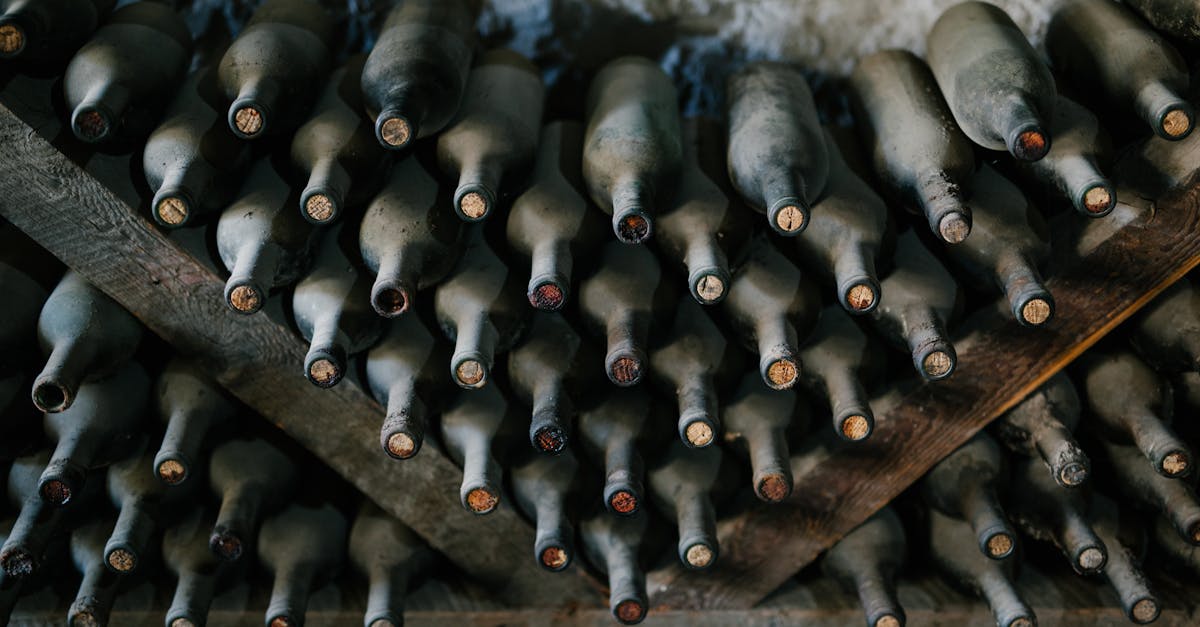
: An ancient variety from the northern Rhône that was nearly lost, it offers refined floral and fruity notes, perfect for organic wineries seeking complexity.
🔥
- Morrastel : A rustic grape variety, pleasant on the palate with supple tannins, it is beginning to attract organic winemakers in the southern region. 🍃
- Terret : An ancient white with high acidity, used to add pep to blends and vinify natural wines while maintaining freshness. Growing these varieties requires real expertise, but they provide an additional foundation for biodiversity and guarantee distinctive wines, valuable for exploring new horizons. These grape varieties also help reduce the need for treatments thanks to their natural resistance. 🍇 Grape Variety
- 🌍 Growing Area 🍷 Wine Style 💪 Benefits
- Pineau d’Aunis Southern Côtes du Rhône, Cairanne Fresh and spicy red wine
Disease resistance, original flavors
| Floury | Northern Rhône | White wine with floral aromas | Suitable for cool climates, low treatment requirements |
|---|---|---|---|
| Morrastel | Southern Rhône | Smooth and tannic red wine | Rustic grape variety, natural resistance |
| Terret | Southern Rhône | Lively and acidic white wine | Perfect for fresh natural wine |
| Want to learn more about the benefits of organic wines in other regions? Discover | how the Loire is also promoting its natural wines. | 🍷 | What are the new consumption patterns and experiences surrounding organic and natural Rhône wines? |
| Organic and natural wine is also an experience to be fully lived, not just a product to be consumed. In the Rhône Valley, innovations extend far beyond the glass: | 📱 | Augmented Reality Tastings | : Some wineries, such as Domaine Saint Préfert, offer mobile apps that provide access to immersive videos, live food and wine pairings, and even virtual meetings with winemakers. |
🛒 Personalized Subscriptions : The purchasing model is going digital, with organic gift boxes delivered directly to your home, often accompanied by explanatory information sheets to better understand the wine and its characteristics.
🚜
Vineyard Tours and Sustainable Workshops
- : Wineries encourage active discovery, from walks through the vineyards at the pace of animal traction, to natural winemaking workshops and organic meals in the winery. 🍷 Specialty Events
- : Among the not-to-be-missed events, the Organic Wine Fair in Libourne offers a wonderful showcase of new natural products, with a special focus on Rhône wines, now major players on the organic scene. These experiences are fundamentally changing the relationship with wine, with a strong desire for transparency and engagement. Consumers are motivated by the desire to understand, share, and participate in the preservation of terroirs. 🎉 Experience 💡 Description
- 🌍 Impact Augmented reality Virtual tours, interactive wine information
- Opening to a young and tech-savvy audience Personalized subscription Regular delivery, discovery without travel
Increased sales and loyalty
| Workshops and tours | Immersion in the heart of organic wineries | Promotion of terroir and education |
|---|---|---|
| Specialized trade shows | Direct meetings with natural producers | Promotion of organic and sustainable wines |
| To find the best wineries in the Rhône Valley that are committed to organic wines: | vin-et-chocolat.fr/meilleures-caves-vins-rhone | 🍷 |
| FAQ: Organic and natural wines from the Rhône Valley in 2025 | What are the advantages of organic wines over conventional wines? | Organic wines are produced without pesticides or chemical fertilizers, which preserves consumer health and soil biodiversity. They often better reflect the terroir. Is natural wine always sulfite-free? |
| In general, natural wines contain little or no added sulfites, but some may contain small amounts depending on the law. The goal is to keep the wine as natural as possible. | How can you recognize an organic wine from the Rhône Valley? | Organic wines carry official certification such as the AB or EU Organic label. Sometimes, wineries also indicate their approach on the label. |
Are organic and natural wines more expensive? Not necessarily. Although the methods require more work, some wineries offer natural wines at very affordable prices, particularly in the Côtes du Rhône. Where can you taste these organic wines in the Rhône Valley?
