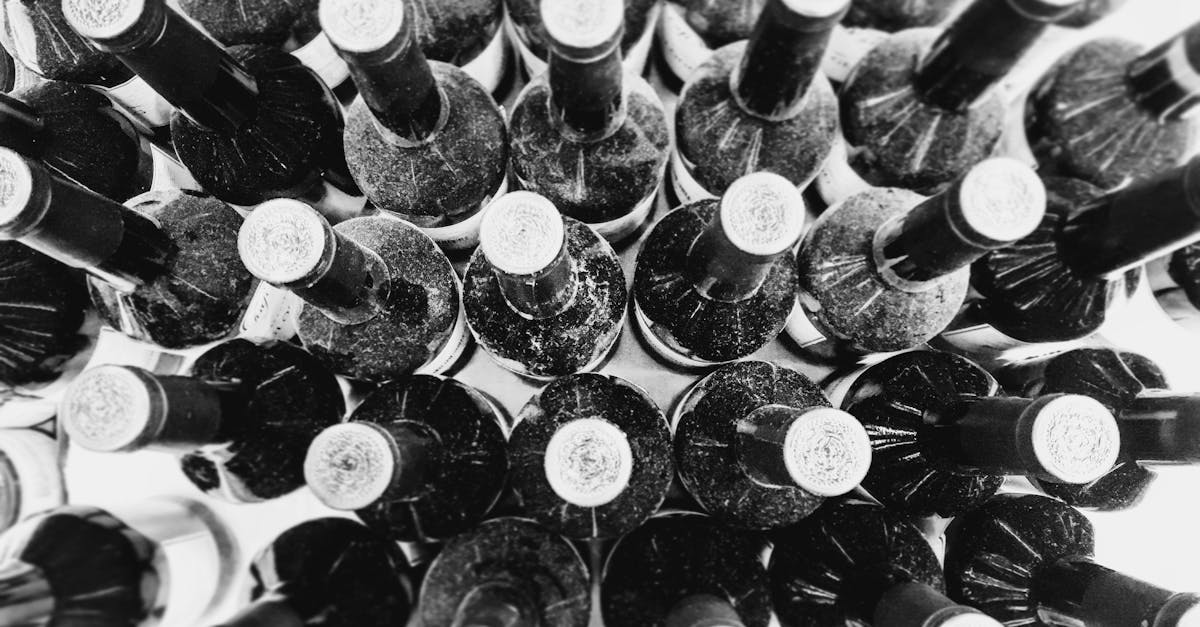
Burgundy wine, a true symbol of refinement and winemaking history, deserves special attention when it comes to storing it. Much more than a beverage, each bottle tells a unique story, a remarkable terroir shaped by years of tradition and expertise. However, for this wine to express the full richness of its aromas and depth of flavors, it needs a suitable setting. The secret lies not only in the quality of the estate, whether Domaine de la Romanée-Conti, Maison Louis Jadot, or Château de Pommard, but also in careful storage conditions and an impeccable indoor climate.
From the Côte de Nuits to the Côte de Beaune, including the Mâconnais and Côte Chalonnaise, Burgundy wines accompany the finest meals and are the pride of discerning wine lovers. In this article, we’ve put together a comprehensive guide to finding and implementing the perfect conditions to store your Burgundy wines without any hassle. Follow the thread of a journey that clearly details temperature, humidity, bottle positioning, and the essential accessories to ensure optimal preservation of these oenological gems.
Whether you’re curious to learn more about the world of Burgundy wine cellars or looking for tips to make your bottles from Domaine Faiveley or Joseph Drouhin last longer, this overview will take you from the depths of a traditional cellar to the modern corridors of electric wine cellars. Not to mention some professional advice and anecdotes from the expertise of Chanson Père et Fils and Domaine Dujac. Because a great wine deserves more than just a dark place, discover how to transform your space into a true showcase for Burgundy wines, something everyone can agree on.
Ideal Temperature for Storing Burgundy Wines: The Key to Guaranteed Longevity
When it comes to storing your precious bottles at home, temperature is the first thing to consider. Imagine your Côte Chalonnaise, Domaine Dujac, or Maison Louis Jadot wines caught in a rollercoaster of heat and cold… needless to say, their aromas would be severely affected! So, there’s no question of letting nature dictate the age of your bottles. Wine loves a stable temperature, ideally between 12 and 14 degrees Celsius. This small window of opportunity sets the standard for harmonious aging, giving each vintage the space it needs to flourish. Why is this so important? Wine is a living being. Temperature fluctuations cause the liquid to expand and contract, which, in turn, disrupts the cork’s seal, risks degrading the aromas, and accelerates premature aging. Above 20°C, you’re playing with fire, while below 10°C, the wine stagnates and is susceptible to frost.There are several options for maintaining this temperature without any hassle:
🍇 Opt for a natural buried cellar if you have the chance: the earth acts as an insulator that limits temperature fluctuations.
🌿 Invest in an electric wine cellar, perfect for apartments or places where a traditional cellar is lacking.
- ❄️ If this is not possible, your coolest cupboard, away from heat sources and without direct light, will do the trick for short periods. Here’s a summary table of ideal temperatures for different types of Burgundy wines: Type of wine 🍷 Ideal temperature 🌡️
- Effect of improper temperature ⚠️ Pinot Noir (red)12-14°C
- Premature aging or loss of fruity aromas
Chardonnay (white)
| 10-12°C | Rapid oxidation, loss of freshness and minerality | Aligoté (secondary white) |
|---|---|---|
| 10-12°C | Alteration of lively notes and acidity | Gamay (light red) |
| 12-14°C | Reduction in fruitiness | For those interested in learning more about storing French wines from other regions, explore the best wines of the Rhône Valley or the optimal cellars of the Southern Rhône. |
| Discover our storage solutions for your Burgundy wines, combining aesthetics and functionality. Protect your bottles in an ideal environment to preserve their aromas and qualities. Perfect for lovers and collectors of fine wines. | Humidity and light: two often-overlooked allies in preserving Burgundy wine | While temperature is often a matter of debate, humidity is an equally essential factor in preserving your bottles of Caves de Bourgogne in perfect condition. Indeed, a stable humidity reading between |
| 70 and 75% | is best for keeping the cork moist. Why? Because a drying cork allows oxygen and premature oxidation to enter. | There’s nothing worse than finding a bottle damaged by a poor seal, especially when it comes from a prestigious estate such as |
Domaine de la Romanée-Conti or Henriott Despointes . To keep this humidity under control:💧 Ventilate your cellar regularly, but without disrupting the atmosphere.
🕵️♂️ Monitor with a hygrometer to avoid excess moisture; mold is just as dangerous.
Another enemy of wine: light, especially sunlight and UV rays. Prolonged exposure alters organic compounds and dulls the sensations of each sip. Burgundy wine, whether the delicate reds of Domaine Faiveley or the whites of Château de Pommard, needs gentleness and shade to remain at its best. To summarize the importance of humidity and light: Key factors 🔑
Recommended values ✅ Consequences of non-compliance ❌ Humidity 70-75%Dried cork or mold
- Light
- Avoid direct light
- Alteration of aromas, accelerated aging
Ambient odor Neutral, without strong odors Pollution of wine aromas Don’t hesitate to visitvin-et-chocolat.fr
to discover more tips and advice on preserving Burgundy wines, as well as those from other iconic regions such as the Loire.
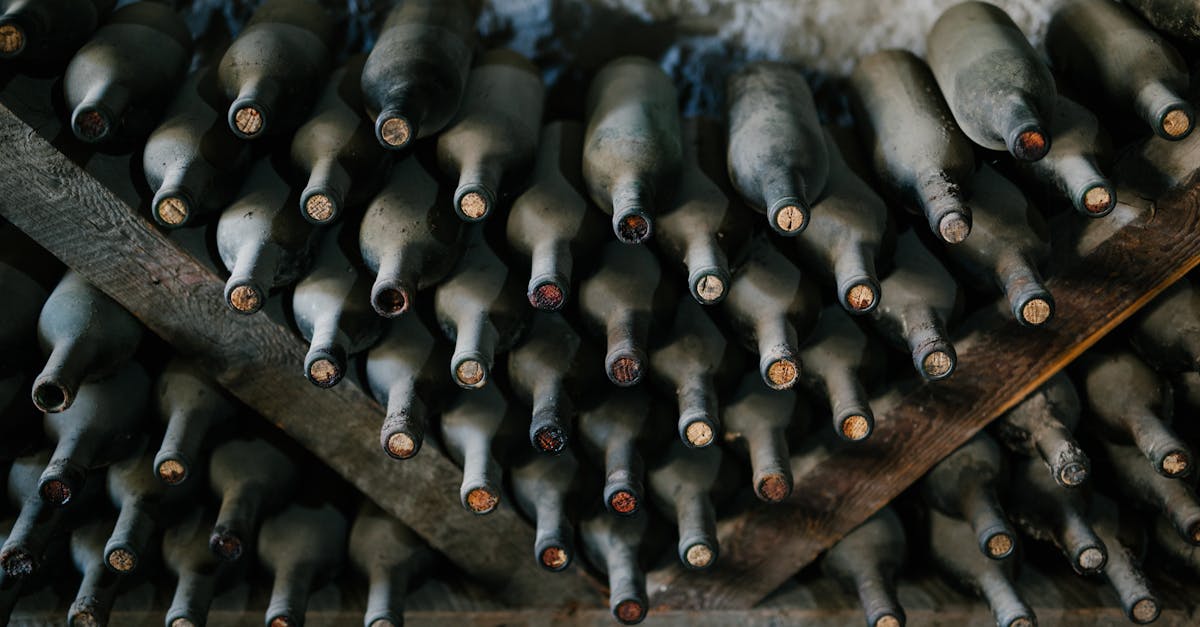
| Discover the art of storing Burgundy wine: practical advice for preserving the quality and aroma of your bottles. Learn how to optimize your wine cellar with suitable storage solutions and ideal conditions for perfect aging. Bottle position and environment: how to maximize the preservation of your Burgundy wines? | Store a bottle of Burgundy in any position? Yes, but you have to think twice. The horizontal position, far from a simple aesthetic detail, is essential for preserving the wine’s freshness. When lying down, the liquid bathes the cork, preventing it from drying out and ensuring a watertight seal. Without it, the entire aromatic treasure trove risks being blown away. | Here are the points to follow for flawless storage: |
|---|---|---|
| 📏 Store the bottle horizontally, ideally on wooden shelves or suitable metal racks. | 📣 Place your bottles away from sources of vibration (washing machines, washing machines, high-traffic areas): wine doesn’t like to be stirred unnecessarily! | 🚫 Avoid areas with strong odors (kitchens, smoke rooms) that can seep through the cork. 🌑 Keep your space dark or with dim lighting to protect your bottles from UV rays. |
| For those looking to spice up their organization, investing in the right accessories is a good idea: | 🎯 Modular wooden or metal wine racks for personalized storage. | 🛠️ Anti-vibration shelves, often integrated into quality wine cellars. |
| 🔍 Tilting bottle racks, perfect for maintaining contact between wine and cork. | Remember that vertical storage is only recommended for bottles with synthetic or screw-on corks, where drying out isn’t a problem. Storage Tips 🍾 | Main Benefit 🎯 |
Risk if Ignored ⚠️ Bottle lying down Moist cork and leak-proofness Oxidation, loss of freshnessNo vibrations
Turbulence altering the wine’s structure
Storage in an odor-neutral location
Preserves authentic aromas
- Contamination of flavors
- Château de Pommard or the prestigious bottles of Joseph Drouhin deserve this little attention, don’t you think? To learn more about other wines to store, take a look at the Alsatian selections in supermarkets or the tips for tasting Champagne.
- Discover the best storage solutions for your Burgundy wines. Optimize the storage of your bottles with expert advice and tips to preserve all the flavors and aromas of these great vintages. Essential accessories for perfect preservation of your Burgundy wine
To play the trump card in preserving your Burgundy wines, a few accessories are highly recommended. You’ll then feel like a pro when managing your personal cellar, just like a great estate like Henriott Despointes or Chanson Père et Fils.
- Essentials to have on hand:
- ❄️ An
- electric wine cellar
with precise temperature and humidity control, your ideal ally in an apartment.
| 🌡️ A | Thermo-hygrometer | to monitor temperature and humidity levels in real time. |
|---|---|---|
| ⚙️ | Anti-vibration racks or shelves | to limit stress around your bottles. |
| 🔒 | Airtight stoppers or vacuum pumps | : perfect for limiting air contact, especially after opening. |
| 🍷 A | wine aerator | to elegantly release aromas before tasting. Here is a comparison table of accessories based on their usefulness and impact on storage: |
Accessory 🔧 Main Benefit ✅ Recommended Use 📝 Electric Wine CellarTemperature and humidity control

Thermo-hygrometer
Accurate monitoring of conditions
Regular cellar inspection
- Anti-vibration shelves Protection against shaking Storage in a quiet environment
- Airtight stoppers Storage after opening Extend the life of opened wine
- Wine aerator Rapid release of aromas Wine tasting and preparation
- For those who wish to delve even deeper into the intricacies of cellars, a visit to a Provençal wine cellar can provide exciting and inspiring insight. https://www.youtube.com/watch?v=6Wh0VQ0oPVc FAQ: Everything you need to know to properly store your Burgundy wine How long can you store a Burgundy wine?
- Generally, a white Burgundy can be kept for between 3 and 10 years, while great red wines can be kept for up to 20 years or more under good conditions. Should you aerate a Burgundy wine before tasting? Yes, especially young wines to release their aromas. Very old Burgundies should be opened gently to avoid disturbing their delicate balance.
Can you store your wines outside of a cellar?
| If you don’t have a cellar, an electric wine cellar or a cool, dark, and temperature-stable place is a good alternative. | What are the main dangers to avoid? | Unstable temperatures, direct light, dried-out corks, vibrations, and strong odors are the enemies to watch out for. |
|---|---|---|
| Do synthetic corks affect shelf life? | Synthetic or screw caps allow bottles to be stored upright without the risk of drying out, but this can slightly impair their ability to age over several decades. | https://www.youtube.com/watch?v=YOPViqSgVcE |