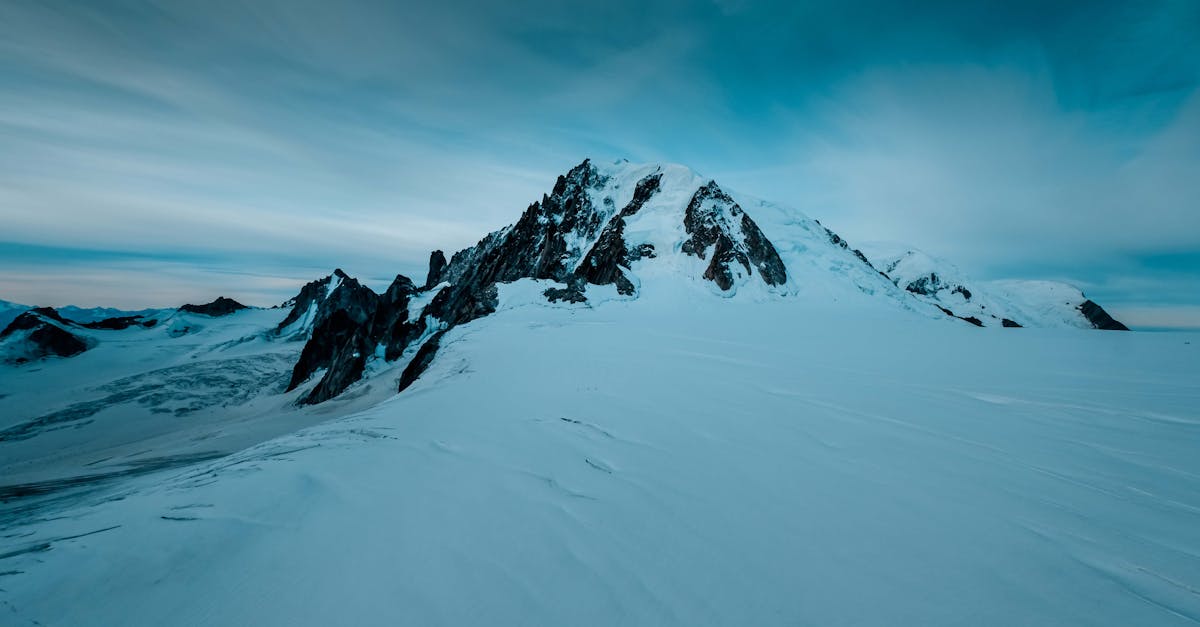
You’ve probably already heard of Vin des Alpes, this winemaking gem nestled between mountains and valleys that’s gaining more and more popularity. Savoie and Bugey, two often underestimated regions, possess specific geographical characteristics that make their wines unique and captivating. Between a landscape marked by Alpine relief, varied soils, intriguing microclimates, and rare grape varieties, we’ve put together a guide that’s astounding as it gets to help you understand what truly makes the wines of these great terroirs so special. Whether you’re a fan of crisp white wines, light reds, or sparkling wines, simply play the Savoie Bugey Vin joker card to surprise your taste buds without the hassle. This wine-growing region spans several departments—Savoie, Haute-Savoie, Isère, and Ain—and boasts prestigious appellations such as AOC Vin de Savoie and AOC Bugey, not to mention renowned estates such as Domaine Belluard and Domaine des Ardoisières. Its history dates back to Roman times, with vineyards that have survived the ages and climatic hazards. Today, production, often organic, balances still and sparkling wines, often low in alcohol and with a freshness that dazzles the eyes. It is also a playground for wine lovers in search of authenticity and forgotten grape varieties such as Jacquère or Mondeuse. Not to mention that the local fabric relies largely on small, passionate winemakers who are slowly but surely raising the region’s profile.
Discover the natural beauty and cultural richness of Savoie-Bugey, a fascinating region where mountains, lakes, and traditions meet. Explore outdoor activities, savor the local cuisine, and immerse yourself in the unique history of this enchanting destination.
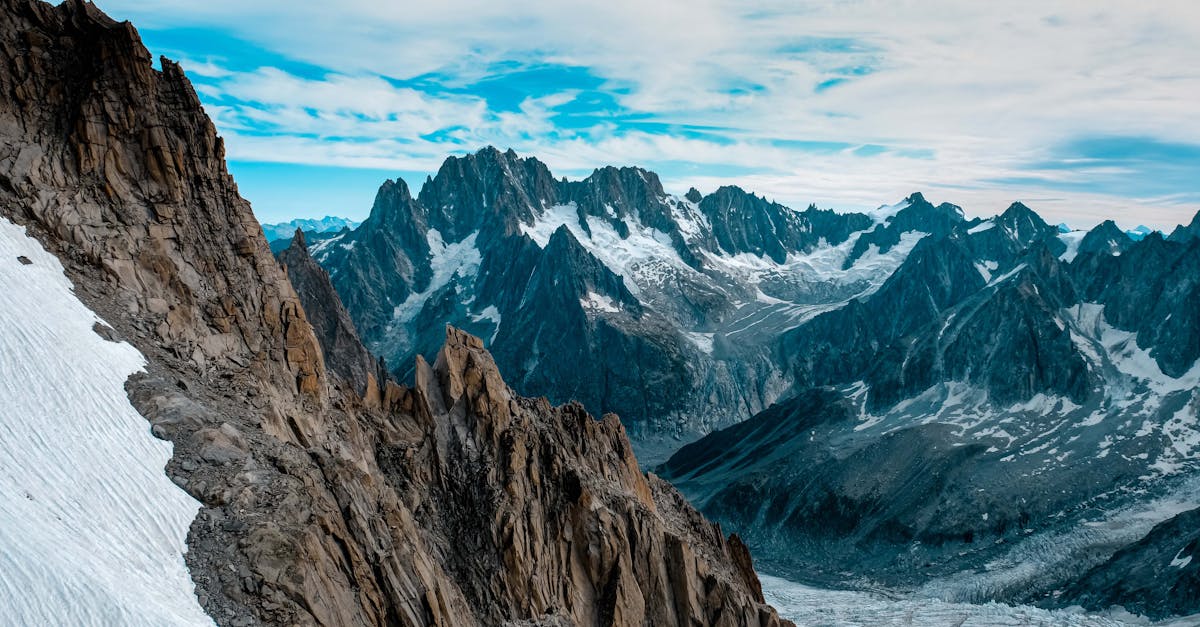
The Savoie-Bugey vineyard is an address that combines both mountain and varied terrain, and this is immediately evident in the wines. This region is characterized primarily by its mountain climate, strongly influenced by the proximity of the Alps, but also by a crossroads of highly varied climatic influences.
A climatic mix that brings vibrancy to the wines of Savoie and Bugey.
We are at the crossroads of several weather patterns:
🌦️ The oceanic climate brings disturbances and coolness, especially in spring. 🔥 The continental climate means rather hot summers and very cold winters, favoring good grape ripeness.
- ☀️ The Mediterranean climate sometimes affects the summer season, with episodes of heat and drought that require a certain resilience from the vines.
- Add to this the microclimates of the valleys and valleys, which create a patchwork of local conditions favorable to the diversification of flavors and aromatic profiles. The vines therefore find niches in these micro-environments where they can best express themselves, particularly at altitudes varying between 250 and 450 meters.
- Complex soils with chaotic geology
The local geological formation is a real puzzle, in the good sense of the word. With a very rich and diverse mineralogy, we find:
🪨 Schist and slate that provide excellent nourishment for certain plots such as those of the Domaine des Ardoisières.
🪨 Limestone and marl, which promote the expression of wines with volume and minerality.
- 🪨 Clay-siliceous soils that bring roundness and complexity to the red wines.
- This mosaic of soils provides a broad palette for the terroir and contributes significantly to the style of the wines produced. For example, Apremont wines, a great classic of the Vins de Savoie – Apremont, draw their liveliness from this very distinct limestone geology. Geographical Element 🗺️
- Key Characteristics ⚡
Impact on Wine 🍷
| Altitude (250 – 450 m) | Cooler temperatures, better drainage | Freshness, high acidity, even ripeness |
|---|---|---|
| Shale and slate soils | Fast drainage, marked minerality | Taut wines, pronounced mineral notes |
| Mountain climate and microclimates | Temperature variations, cool nights | Aromatic complexity, freshness and finesse |
| Mediterranean influence | Hot summer, dryness | Grape concentration |
| To choose the right bottle, it’s best to understand this geography to understand why a Domaine de la Roche Blanche wine won’t really resemble a Château de Monthoux cuvée, even if they come from the same great winegrowing region. | Discover the natural beauty of Savoie-Bugey, a region rich in mountainous landscapes, outdoor activities, and delicious traditions. Perfect for lovers of nature, gastronomy, and family adventures. | What are the distinct wine-growing areas within Savoie-Bugey, and how do their landscapes influence the flavors? |
Savoie-Bugey is clearly not a homogeneous vineyard; rather, it’s a patchwork of sectors, each with its own distinct character. The region can be divided into several sub-regions, each with very different profiles and landscapes that produce very specific wines.
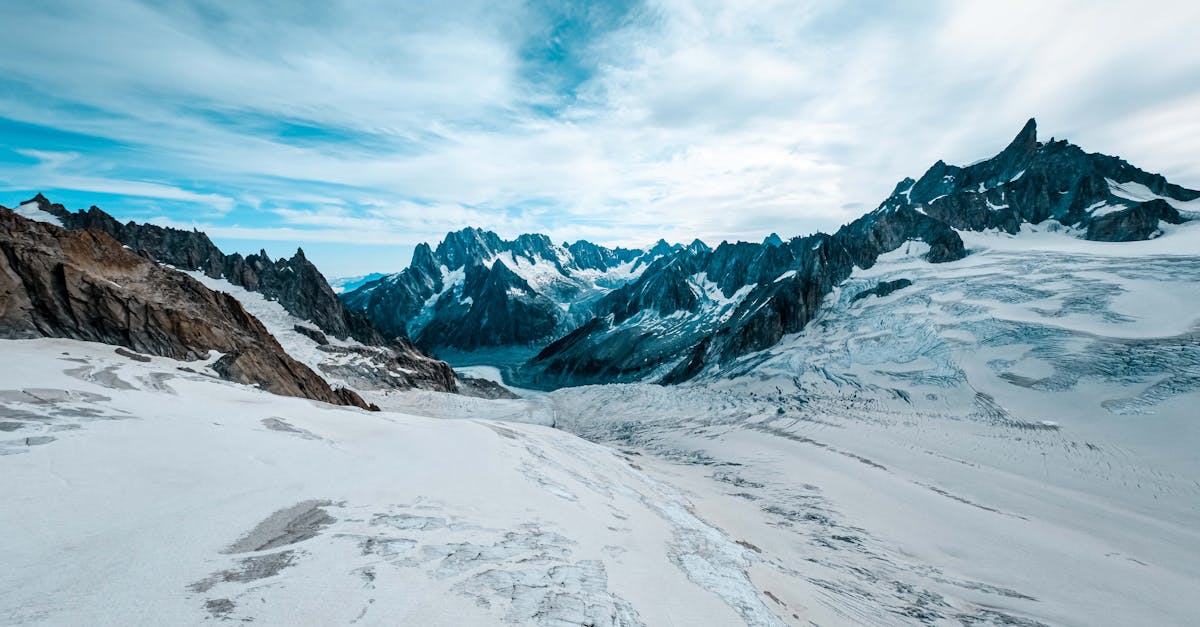
The Savoyard vineyards are spread out in several sections:
🌊 The shores of Lake Geneva, particularly near Thonon-les-Bains, where the vines benefit from the great lake’s mild climate.
🏞️ The Côte d’Arve and the Usses Valley, areas where the vines thrive between mountains and hedged fields.
⛰️ The Chat Mountain and the Cluse de Chambéry, with varied exposures, often sloping, favoring good sunshine.
- 🌄 The Combe de Savoie, a true historical and geographical heart, where famous wines like Apremont are found.
- Le Bugey, between the Jura and the Alps, three distinctive terroirs
- Located south of the Ain region, Bugey offers a different facet, with three main areas:
- 🍇 Cerdon, renowned for its light and delicious sparkling wines made using the ancestral method. 🌿 Montagnieu, where the clay-limestone soil produces expressive wines.
🏞️ Belley, further south, offers wines with distinct nuances thanks to its unique exposures.
This diverse landscape is accompanied by a wide variety of grape varieties specific to each area and favors a wide range of styles, from still wines to fine sparkling wines, including light rosés. Sub-region 🌍
- Landscape characteristics 🏔️
- Dominant wine styles 🍾
- Lake Geneva shores
Lake influence, alluvial soils
| Fresh, aromatic white wines | Montagne du Chat | Steep slopes, limestone soils |
|---|---|---|
| Structured, mineral red wines | Combe de Savoie | Sunny valleys and hills |
| Cru Apremont, taut and lively whites | Cerdon (Bugey) | Gentle hills, clay-limestone soils |
| Sparkling wines, ancestral method | Montagnieu (Bugey) | Clay-limestone, variable exposure |
| Expressive red and white wines | Speaking of diversity, it’s impossible not to mention must-see estates like Domaine Belluard, whose clayey soils are planted, or Domaine Grange Tiphaine, which cultivates its rich soils organically. These names put the region on the map for discerning wine lovers, and are a must-see for anyone who wants to gain a realistic understanding of Alpine wine. | Learn more about the Savoyard wine regions |
| . | https://www.youtube.com/watch?v=6wW1GwnzBZc | Which specific grape varieties bear the geographical signature of Savoie-Bugey wines? |
While the landscapes and climate define the terroir, it is primarily the grape varieties that make up the natural identity of the wines. Savoie-Bugey is a privilege for lovers of unconventional wines, as it protects several rare and indigenous varieties, blended with more well-known classics. Whites in the spotlight, combining freshness and minerality In this region,70% of the grape varieties grown are white.
🍏
Jacquère
, an iconic grape variety that produces light and fresh whites, perfect for après-ski or summer aperitifs.
🍐 Altesse, also known as Roussette, for denser wines with good length on the palate.
- 🌿 Moletteand
- Gringet , two more discreet grape varieties that bring finesse and originality.🍋
- Chardonnay , particularly in Bugey, brings a more classic and rounded touch. Reds, light but flavorful Here too, diversity is evident:🍒
- Mondeuse , a typical red grape variety of Savoie, with its soft tannins and spicy aromas. 🍇Gamay
, widely grown in Bugey, produces a fruity, easy-drinking red wine.
🍓
- Pinot Noir , both in the Savoyard hills and in Bugey, for delicate reds.🍷
- Persan , an almost secret grape variety, highly prized by connoisseurs.Grape Varieties 🍇
- Type Regional Specificities 🌄Iconic Producers 🍾
- Jacquère WhiteMajority in Savoie, light and fresh wines
| Domaine Belluard, Domaine Coteau de la Savoie | Altesse | White | Known as Roussette in Savoie, more complex wines |
|---|---|---|---|
| Domaine de l’Abbaye, Domaine Grange Tiphaine | Molette | White | Originating from Savoie, finesse and delicacy |
| Some local producers | Mondeuse | Red | Slightly tannic and spicy wine |
| Château de Monthoux, Domaine de la Roche Blanche | Gamay | Red | Present in Bugey, fruity wine |
| Bugey producers | The grape variety aspect also plays a role in the sustainable approach, since 40% of Bugey’s land area is certified organic. It is in this spirit that we see interesting alliances at estates like Domaine des Ardoisières, which promote both these ancestral grape varieties and environmentally friendly practices. No need to worry, just stay curious! | https://www.youtube.com/watch?v=uNP27EQxYTg | What historical influence explains the current wine-growing geography of Savoie-Bugey? |
| Before discussing the landscapes and grape varieties, we need to take a look back, because wine-growing geography can’t be improvised. Vine cultivation in Savoie and Bugey has its roots far back, well before the Roman era, if we are to believe the earliest evidence from the Allobroges. | A vineyard between expansion, decline, and rebirth | The history can be summarized in several key stages: | 🏛️ As early as 120 BC, the Romans expanded viticulture on a large scale, shaping the region. 📉 The vineyards experienced a golden age around 1870, with nearly 7,000 hectares planted in Bugey, but phylloxera and rural exodus led to a sharp decline. |
📅 In the mid-20th century, the creation of a winegrowing association and the recognition of appellations revived local activity.
A network of passionate stakeholders and appellations in the spotlight
The winemaking dynamism is based on a combination of tradition and modernity, driven by approximately 80 winemakers in Bugey and numerous producers in Savoie. The appellations include:
🛡️
AOC Vin de Savoie
- (since 1973) covering several departments.
- 🛡️
- AOC Seyssel
- recognized in 1942, specializing in white and sparkling wines.
🛡️
AOC Bugey
- , more recent (2009), famous for its sparkling wines, particularly Bugey-Cerdon. 🛡️ AOC Roussette de Savoie , highlighting the Altesse grape variety. Historical Event ⏳
- Impact on Local Viticulture 🍾 Concrete Example Arrival of the Romans (~120 BC)
- Initial Development of the Vineyard Implantation of Vines by ConquestPeak Around 1870
- 7,000 hectares in Bugey, Maximum Production Intense Development Before the Phylloxera CrisisPhylloxera and Decline
| Drastic Reduction in Planted Areas | Negative Impact Until the 20th Century | Bugey Wine Union 1955 |
|---|---|---|
| Recognition and Revitalization | Beginning of the AOC Process | Obtaining the Bugey AOC in 2009 |
| Strengthening Quality and Reputation | Official Appellation, Official Labels | This rich history gives a strong identity to the wines of Savoie-Bugey, almost like a discreet but powerful signature. When you taste a wine from Domaine Coteau de la Savoie or Domaine de l’Abbaye, you savor the fruit of the terroir as much as that of a thousand-year-old history. |
| Don’t miss the new releases for 2025 from producers in the Southwest; they might inspire a great comparison! | Discover the beauty of Savoie-Bugey, a region where mountains, lakes, and traditions meet. Ideal for nature and outdoor enthusiasts, explore its breathtaking landscapes, delicious cuisine, and rich cultural heritage. | What wine styles and production methods highlight the geography of Savoie-Bugey? |
| This unique terroir also guides winemakers in their production choices. Savoie and Bugey wines meet precise criteria, with a balanced production of white, red, rosé, and sparkling wines. | White wines, iconic local stars | The majority of wines produced are white, light and fresh, often made from the Jacquère grape variety. These wines are appreciated for: |
| 🍋 Their lively acidity and natural freshness. | 🥂 An often “slippery” texture that aids digestion. | 🌿 Hints of minerality inherited from the alpine soils. Reds and rosés, finesse and discreet fruitiness |
We also love the reds, with their low tannins and hints of red fruits and spices, such as those made with Mondeuse or Gamay. The rosés are fruity and light, perfect for enjoying on a terrace without any fuss. Sparkling wines, Bugey’s major assetsBugey stands out particularly well thanks to a lovely specialty in sparkling wines:

Bugey Cerdon
, an ancestral method, is often indulgent and light, perfect for an aperitif.
🥂
Bugey Brut
- , a traditional method, seduces with its balance and elegance.
- These rigorous techniques, combined with sometimes ancestral know-how, anchor the wine even more deeply in its terroir, offering the taster a moment of escape between mountains and vineyards. Looking for good deals? Take a look at the best wineries in the Loire Valley to discover a new facet of winemaking in 2025.
- Wine Style 🍷
Typical Grape Varieties 🍇
Main Characteristics 🎯
Examples of Producers 🍶
Dry White Wine
- Jacquère, Altesse, Molette Freshness, lively acidity, fruity freshnessDomaine Belluard, Domaine de l’Abbaye
- Light Red Wine Mondeuse, Gamay, Pinot NoirSupple tannins, red fruit, spices
Château de Monthoux, Domaine de la Roche Blanche Sparkling WineBugey Cerdon: Gamay & Poulsard
| Light, full-bodied, fine bubbles | Domaine des Ardoisières, Domaine Grange Tiphaine | Rosé | Gamay, Mondeuse |
|---|---|---|---|
| Lively, fruity, light | Local Producers | FAQ on the geographical specificities of Savoie-Bugey wines | What are the emblematic grape varieties of Savoie-Bugey? Mostly whites like Jacquère and Altesse, and reds like Mondeuse and Gamay. |
| Is the mountain climate beneficial for the vines? | Yes, it brings freshness, good acidity, and balance, enhancing the aromas and liveliness of the wines. | Why are Bugey wines often sparkling? | Bugey has a unique tradition based on the ancestral and traditional method, well-suited to local grape varieties. |
| Which are the must-see wineries to discover? | Domaine Belluard, Domaine des Ardoisières, Domaine de la Roche Blanche, and Château de Monthoux are among the leading wineries. | Can you visit the cellars and discover the wines on site? | Yes, with a significant proportion of direct sales (over 50% in the region), wine tourism is highly developed. |