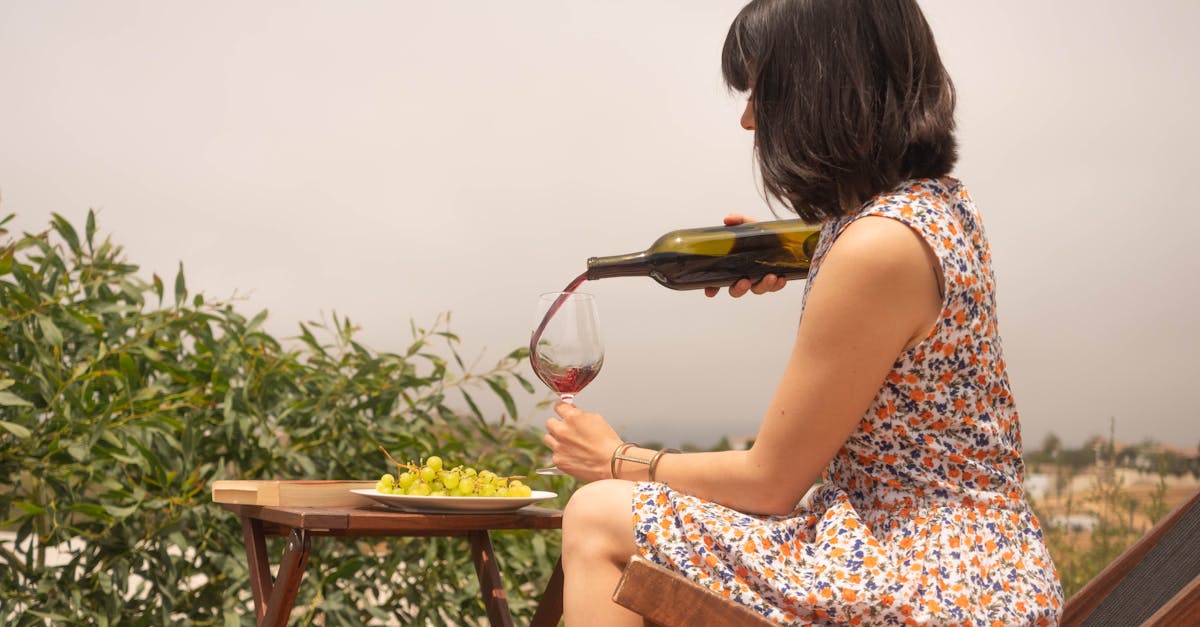
When we talk about Alsace wine, we’re talking about a palette of refined flavors and stories of terroirs that call for easy discovery. Respected for its vibrantly aromatic whites, this wine nevertheless requires a little attention to reveal its full charm. It’s easy to get lost in the techniques, but fortunately, all you need is simplicity and common sense: observe, smell, taste. This guide takes you through the key steps to quickly become operational at tasting Alsace wine, whether you’re a beginner or simply curious about Pinot and Riesling. The goal? To capture the nuances, understand the story behind each drop, and above all, enjoy each glass. We’ll win everyone over with a clear method, a touch of curiosity, and the desire to savor like an expert winemaker, without complications! Why visual examination is the crucial first step in appreciating Alsace wine
Before diving in with your nose or tongue, your eyes do their work. Evaluating the color of an Alsatian wine is already an immersion in its identity and character. The region, famous for its white grape varieties such as Gewurztraminer, Riesling, and Pinot Gris, offers nuances of color that reflect a great deal: age, style, and quality of the wine.
To get the right aim, place your glass over a light surface, ideally white, under a soft lamp. Natural light is even better; it works quite well to highlight every detail of the color. This step allows you to appreciate:
✨ Clarity: A good Alsace wine is always clear, without suspended particles. Cleanliness is a sign of careful cellar work.
- 🎨 Color: For white wines, the hue can range from a pale, translucent yellow for young wines, to a more intense gold for more mature wines, or even slightly orange for late harvest or sweet wines.
- 💧 “Tears” or “legs”: These are traces left by the wine as it slowly flows down the side of the glass. If the tears are thick and flow slowly, you have a wine that is generally richer, rich in alcohol, and rather smooth. If they are thin and fast-flowing, it is often a fresh and lively wine, a characteristic typical of many Alsace wines.
- For example, the wines of the
Domaine Zind-Humbrecht in the Haut-Rhin region are renowned for their aromatic intensity, which is evident from the color. A slightly golden hue can be distinguished in their grands crus, a sign of good maturation and careful aging. Finally, this first step puts you in the mood for the wine and provides an overview of its overall condition, before moving on to the olfaction. Note that for a truly enjoyable experience, the tasting is ideally carried out in a room with neutral lighting, free of unwanted odors, and with wine glasses specially designed to concentrate the aromas (such as the Verre de la Cave de Ribeauvillé). Visual Element 🍷
What it reveals
| Example with Alsace wines | Clarity ✨ | Quality and cleanliness, absence of defects |
|---|---|---|
| A dry Riesling from Domaine Marcel Deiss, always crystal clear | Color 🎨 | Age, style, concentration |
| Golden Gewurztraminer from a late harvest at Domaine Albert Mann | Tears 💧 | Alcohol content, texture |
| Rich Pinot Gris with thick tears from Domaine Barmès-Buecher | Discover the world of Alsace wines with our immersive tasting. Explore unique flavors, local grape varieties, and the passion of winemakers in an enchanting setting. An unforgettable sensory experience in the heart of Alsace. | How to Recognize the Aromas of Alsace Wine Using the Smell Test We’ve put together this multi-step tasting guide, but nothing beats the nose for discovering the subtleties that make Alsace wine so rich. This step examines the range of aromas with two distinct phases: the first nose and the second nose. |
Even before swirling the glass, this is your first encounter with the aromas. The wine may already give off:
🌸 Sweet floral notes, typical of Muscat or Pinot Blanc, reminiscent of white flowers or linden.
🍏 Fruity scents, such as green apple, pear, or even more exotic fruits in late harvests. 🌿 More vegetal and mineral nuances, a sign of a particular terroir like the one you’ll find at Cave La Chablisienne.
If you smell an unpleasant or even musty odor, the bottle may be defective (damaged cork). But often, this first nose is a foretaste that invites you to reinforce the method for the next one.
- The second nose: the art of aerating your wine to better smell it
- This time, it’s a matter of gently swirling the wine in your glass to release its aromas. Remember to make small circles. This activates volatilization and will reveal:
- 🍍 Complex aromas: citrus, ripe pears, even sweet spices, very popular in older wines from Haut-Rhin like those from Domaine Marcel Deiss.
🪵 Subtle woody or dried fruit notes for vintages aged in barrels or casks. 🌰 A slightly toasty touch in some great vintages, a sign of the winemakers’ excellence and patience.
It’s a moment to savor, revealing in greater detail what the wine carries within. For those who want to combine wine with gourmet flavors, discover wine and chocolate pairings, as offered on
vin-et-chocolat.fr/degustation-vin-chocolat
- is a great source of inspiration for multiplying the pleasure of aromas. Olfactory Phase 👃Objective
- Which grape varieties should you use in Alsace?
- First Nose 🌸
Detect primary aromas, freshness Young Riesling, GewurztraminerSecond Nose 🍍
| Emphasize complexity, evolved aromas | Mature Pinot Gris, Muscat | https://www.youtube.com/watch?v=Zp1rFOfUWiA |
|---|---|---|
| How to master the taste test and appreciate the richness of Alsace wine | You are now at the heart of the tasting: the palate. This is where you really get to know the wine’s character. This stage is divided into three parts: the attack, the mid-palate, and the finish. The Attack: The First Touch | The first sip is essential. From the moment you take a sip, your taste buds are greeted with the following sensations: |
| ⚡ A clean and fresh attack, characteristic of Rieslings or Sylvaners that burst in the mouth. | 🌿 A certain sweetness or roundness, more common in a Pinot Gris or a Gewurztraminer. | 🧂 A slight mineral note that highlights the terroir, particularly in the wines from the |
.
The Mid-Palate: Sharpen Your Senses by Chewing the Wine
The technique isn’t very complicated: simply swirl the wine around your tongue, as if you were chewing it. This step highlights:
🍋 The balance between acidity and sugar: a key element, particularly in late harvest or sweet wines. 🧈 Texture: The richness or consistency of the wine, which can vary enormously depending on age or the estate, as at Domaine Albert Mann.
- 🪵 Flavors evolve and become more complex, revealing, for example, spices or woody notes.
- The finish: A question of length on the palate
- A long, aromatic persistence on the palate is often a sign of quality, especially for exceptional wines. A few points to note: ⏳ Length: A wine that lingers on the palate is often richer and better structured.⚖️ The balance between acidity and sweetness: perfect for enhancing certain dishes during a meal.
🌟 The overall impression is very personal, but always reveals the winemaker’s expertise.
To practice, why not also discover a wine and chocolate tasting and initiation box set, offered by specialists like Trois Fois Vin, which combines delicate flavors and complex tastes? More information here:
- https://vin-et-chocolat.fr/coffret-degustation-vin-chocolat/
- . Tasting Step 👅 FocusTypical Alsace Wines
- Approach ⚡
Initial Sensation
Dry Riesling from Domaine Barmès-Buecher
- Mid-Palate 🍋
- Texture and Balance
- Smooth Gewurztraminer from Domaine Zind-Humbrecht
Finish ⏳ Persistence on the palateVelvety Pinot Gris from Cave de Turckheim
| Discover the art of tasting Alsace wines, a unique sensory experience in the heart of this renowned wine region. Explore local grape varieties, savor rich aromas, and let yourself be captivated by the picturesque landscapes of the Alsatian vineyards. https://www.youtube.com/watch?v=o13NnIeLQ_c | Tips for preparing for an Alsace wine tasting like a pro | Putting all the odds in your favor guarantees a successful tasting, stress-free and with complete confidence. Here are the conditions to meet: |
|---|---|---|
| 📍 Choose a suitable location: quiet, neutral, with natural light and away from odors (no perfume or cooking in the background). | 🍷 Use suitable glasses, such as Alsatian glass for the fireplace, like those offered in the tasting packs at the | Cave du Roi Dagobert |
| . | 🌡️ Serve the wine at the right temperature: generally 10 to 12°C for dry whites, a little cooler for sparkling wines. | 📝 Have a tasting notebook or booklet handy to record your impressions and discoveries. |
| 🚫 Avoid eating or drinking anything else just before tasting to avoid disturbing your taste buds. | For those with a sweet tooth or a sweet tooth, incorporating a wine and chocolate tasting experience is also a great idea. To learn more about this wonderful combination, take a look at | vin-et-chocolat.fr/degustation-vin-chocolat-2025/ |
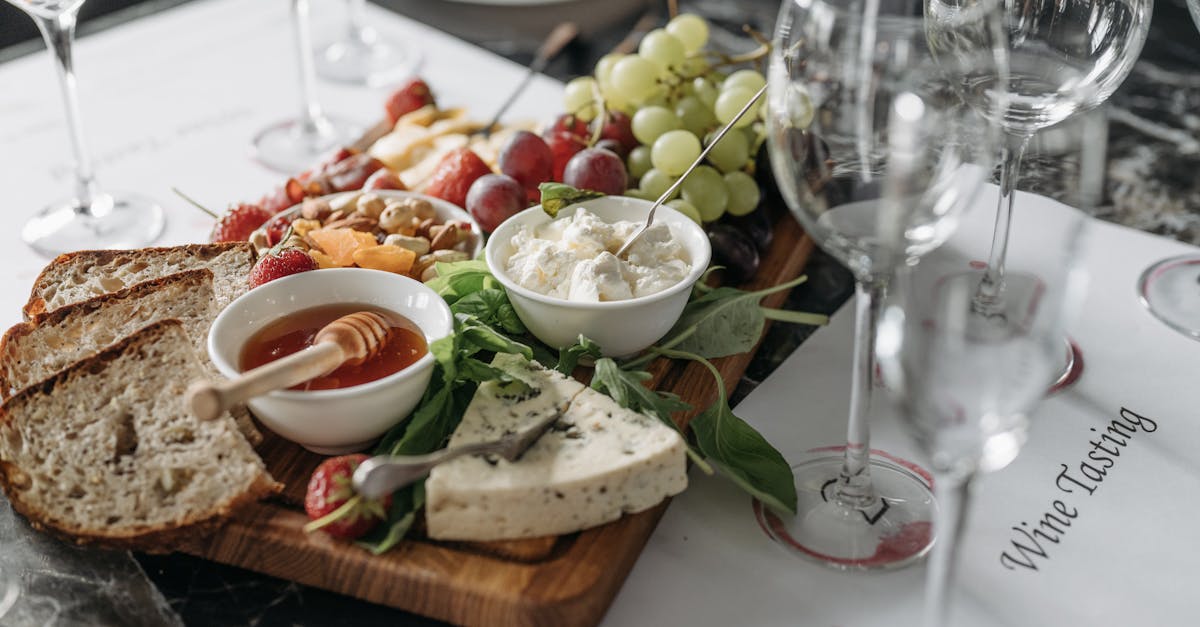
Pro Tip
Why is it important? Quiet place 📍
- No extraneous odors
- To better smell and appreciate the aromas Suitable glass 🍷Chimney-shaped glass
- To concentrate the aromas in the mouth
- Temperature 🌡️
- 10-12°C for whites
To express all the flavors No strong food 🚫 Avoid disturbing the taste buds
| For a faithful and precise tasting | Notebook 📝 | Record your impressions |
|---|---|---|
| To progress and memorize your favorites | Discover Alsace through a unique wine tasting experience. Explore the exceptional terroirs and savor emblematic varieties in an enchanting setting, combining tradition and elegance. | How to choose the right Alsace wine to enjoy at home or in a cellar |
| Tasting Alsace wine at home or in a cellar is an art and a matter of choice. The region offers a vast array of wines, from classic estates to small producers. To narrow down your search for your next bottle, a few key points can immediately put you on the right track: | 🧭 Identify the big names: | Domaine Albert Mann |
| , | Cave de Turckheim | , or |
| Domaine Marcel Deiss | are sure bets that stand out from the crowd. | 📜 Look for labels and certifications that guarantee respectful work, such as organic or biodynamic, which are very common among some producers like |
| Domaine Zind-Humbrecht | . | 💡 Favor wines from small estates or independent wineries, such as |
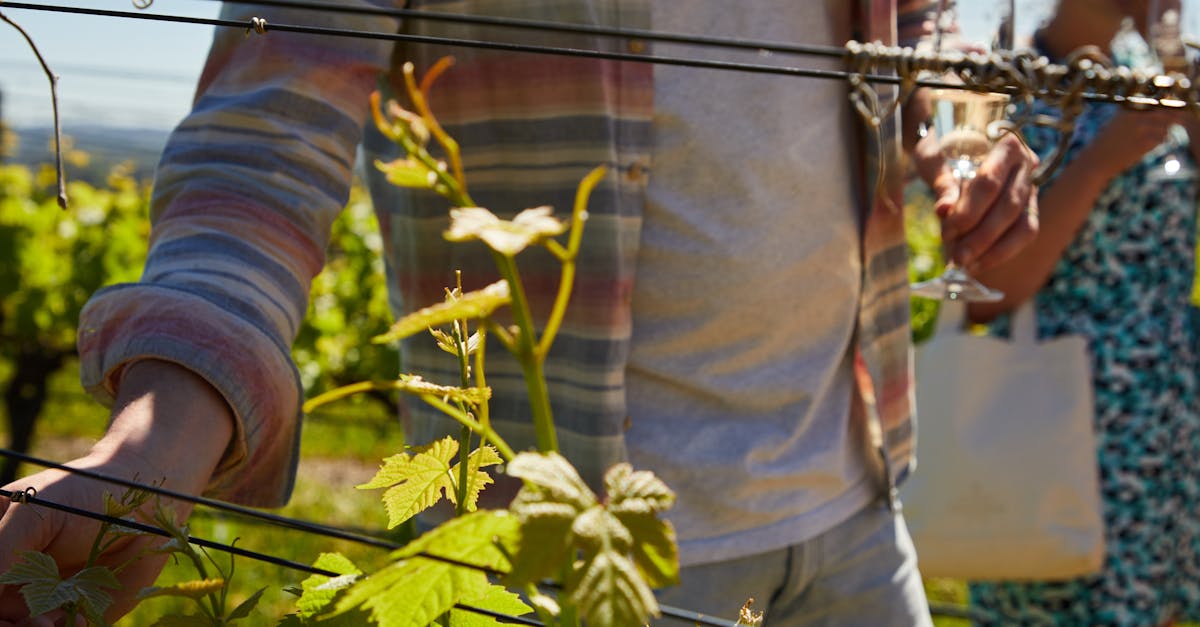
or
Domaine Barmès-Buecher
- , to discover gems with diverse profiles. 📅 Think about the vintage: a young wine can be lively and fresh, while an older wine offers more complexity.🍽️ Adapt the wine to the moment of tasting: for example, a Gewurztraminer for an aperitif or a Riesling for a fish dish. If you’re short on ideas, there are also a host of wine gift boxes and subscriptions you can have delivered to your home. Some surprising examples, like those from Trois Fois Vin, will bring you a breath of fresh air and discovery, like this wine and chocolate tasting box. It’s an excellent way to try several vintages and better understand your palate. Selection Criteria 🏷️Advice Recommended Estates/Wineries Winery Name 🧭
- Favor recognized local experts Cave de Hunawihr, Domaine Albert MannOrganic Label 📜
- A guarantee of respect and quality Domaine Zind-Humbrecht, Domaine Marcel Deiss Small Producers 💡 For original profilesCave de Ribeauvillé, Domaine Barmès-Buecher
- Vintage 📅
- Adapt according to your desired taste
Cave La Chablisienne, Cave du Roi Dagobert Food and Wine Pairing 🍽️For optimal enjoyment
| Domaine Marcel Deiss, Domaine Albert Mann | Frequently Asked Questions: Everything you need to know to taste Alsace wine | ❓ |
|---|---|---|
| At what temperature should Alsace wine be served? Ideally, between 10 and 12°C for dry whites and slightly cooler for sweet wines, to reveal all their aromas. | ❓ | How can you recognize a quality Alsace wine? |
| Look at the clarity, the complexity of the aromas on the nose and palate, and the length on the finish. A balanced and persistent wine is often a good vintage. | ❓ | Can you pair Alsace wine with chocolate? |
| Absolutely. Some Gewurztraminer or Riesling wines pair very well with fine chocolates. Find out how at | vin-et-chocolat.fr/vin-chocolat-degustation/ | . |
| ❓ | What are the emblematic grape varieties to taste? | Riesling, Gewurztraminer, Pinot Gris, and Sylvaner dominate the region and offer a variety of experiences, from dry to sweet. |
| ❓ | Where can you find authentic tasting experiences in Alsace? | Wineries like the |