It’s impossible to talk about Alsace wines without taking a look at its emblematic grape varieties, the true stars of this exceptional wine-growing region. Here, white wines dominate almost exclusively, driven by varieties that each tell a story, a terroir, and a deep-rooted tradition. Alsatian winemakers, well-versed in the art of single-varietal winemaking, rely on a few essential grape varieties that immediately evoke finesse, a diversity of aromas, and perfect pairings with gastronomy. From the vineyards between the Vosges and the Rhine, each grape cluster exudes a unique aromatic palette, capable of seducing both discerning wine lovers and those simply wishing to explore the world of wine without the fuss.
In Alsace, there is a true balance between ancestral know-how and winemaking innovation to enhance often ancient grape varieties, some planted since Antiquity. Whether we think of Riesling, considered the local jewel, or Gewurztraminer, whose reputation has spread far beyond the borders, these grape varieties express the richness and complexity typical of Alsatian winemaking. Not to mention the other grape varieties, Sylvaner, Pinot Gris, Pinot Blanc, Muscat, and even Pinot Noir—a rare red knight in a white landscape—each of which brings its own touch of freshness, delicacy, or aromatic power.To choose the right Alsace wine, it’s crucial to know these grape varieties and their specific characteristics, but also to understand how, thanks to the terroir, they reveal stunningly authentic wines.
In the article below, you’ll find a comprehensive overview of these essential grape varieties, along with tips on which dishes to pair them with flawlessly, and tables summarizing the essentials to help you differentiate them. Watch out for the delicious nuggets to come, it’s worth the detour! 🍷✨
What are the essential white grape varieties in Alsace wine and their unique characteristics?
Alsace is a veritable goldmine when it comes to white grape varieties. The local specificity lies in this overwhelming predominance of white wines, which make up almost the entire production, except for a mere dozen percent reserved for Pinot Noir in red. Each of these white grape varieties exudes its own aromatic identity, fully expressed thanks to the highly varied Alsatian terroir, ranging from limestone, granite, and marl-rich soils.
Here are the essential white grape varieties in Alsace:
- 🌿 Riesling: A king of grape varieties, famous for its liveliness, finesse, vibrant minerality, and aging potential. It is the ideal companion for seafood, fish, and white meats. Riesling produces dry, elegant, sometimes almost saline wines with floral and lemony notes. 🍐
- Gewurztraminer: A grape variety native to Northern Italy, known for its powerful aromas of lychee, rose, exotic fruits, and spices. It is a full-bodied, fleshy wine that pairs well with spicy dishes as well as strong cheeses like Munster. 🍇
- Pinot Gris: Formerly known as “Tokay Pinot Gris,” it offers a full-bodied, rounded profile, sometimes smoky and opulent, perfect with rich dishes and creamy sauces. 🍃
- Sylvaner: Often lighter and livelier, it brings freshness and simplicity, ideal as a simple accompaniment to a salad or white fish. 🍏
- Pinot Blanc: Also rarely called “Klevner” when paired with Auxerrois, it is supple, sweet, easier to drink, and has discreet aromas. 🍈 Muscat d’Alsace:
- A quintessentially aromatic grape variety, with an intense musky nose, perfectly suited to aperitifs or exotic dishes. These grape varieties are part of a tradition of essentially single-varietal wines, with producers highlighting a single grape variety per bottle, allowing for a precise appreciation of the grape’s personality. But terroir is also becoming a major differentiating factor, particularly visible in the 51 Grands Crus, which often display the grape variety as well as the terroir’s role in enhancing the aromas. To get a clear overview of their main characteristics, here is a table summarizing them: 🍷 Grape Variety
🌟 Key Characteristics
🍽️ Food Pairings
| 🗺️ Terroir Specificities | Riesling | Lively, refined, mineral, floral and lemony notes | Fish, seafood, white meats |
|---|---|---|---|
| Clay-limestone, granite, various soils depending on the Grand Cru | Gewurztraminer | Powerful, aromatic, lychee, spices | Spicy dishes, strong cheeses (Munster) |
| Rich soils, mainly around the Alsace plain | Pinot Gris | Full-bodied, round, sometimes smoky | Saucey dishes, poultry |
| Warm, clayey terroirs | Sylvaner | Lively, light, simple | Salads, light fish |
| Clay-limestone | Pinot Blanc | Supple, discreet, round | Aperitifs, fish, Charcuterie |
| Marnes, sweet hillsides | Muscat | Aromatic, musky | Aperitifs, exotic dishes |
| Warm terroirs | To avoid remaining confined to Alsace, curious wine lovers can compare these grape varieties with those from other regions, such as the Languedoc wine varieties, which offer a different aromatic palette (https://vin-et-chocolat.fr/cepages-vin-languedoc/). And to understand the finesse involved in creating a wine, as in Champagne, where the method is important, click here (https://vin-et-chocolat.fr/vin-champagne-elaboration/). | Discover the emblematic grape varieties of Alsace, a French wine region renowned for its diversity and the quality of its wines. Explore the unique characteristics of each variety and learn how they contribute to the Alsatian winemaking identity. | Why is Gewurztraminer considered the flagship grape variety that dazzles the eyes in Alsace? |
Gewurztraminer is the undeniable star of the Alsatian wine scene. Imported to Alsace from the Italian village of Tramino, it unleashes such powerful aromas that it’s easily recognizable in any tasting. This ally of curious palates combines strength and delicacy, capable of igniting the taste buds or warming up a winter meal.
Here’s what you can think about when it comes to pairings:
🍗 White meats in fatty sauces or candied with fruit
🌶️ Spicy dishes from Mexico, Morocco, Thailand, Vietnam, China (Sichuan), and India
🍛 Dishes with curry, turmeric, coriander, cumin, and garam masala
🍯 Sweet and savory dishes, such as caramelized pork, duck à l’orange, and sweet and sour fish
- 🧀 Strong cheeses: Munster, Maroilles, Pont-Evêque, Livarot
- 🍰 Desserts: Apricot tarts, almond tarts, exotic fruit papillotes, crème caramel
- We’ve put together this list so you can play the surprise card at your next meal, focusing on Spicy or sweet and savory flavors that never fail to dazzle!
- This aromatic profile and richness on the palate explain why Gewurztraminer is often considered a noble grape variety in Alsace, included in prestigious late harvests and noble berry selections.
- A closer look at some key facts:
- Ancient Italian origin from German-speaking northern Italy
The region’s most aromatic grape variety with its remarkable olfactory intensity
Popular with international cuisines, often rich in spices or sweet sauces
Featured in many fine wines and sweet or liqueur wines
- This diversity of culinary applications finds few equals elsewhere in France, hence the great interest in discovering these wines both at the beginning and end of a meal. https://www.youtube.com/watch?v=Y9u6oZty7hI
- 🍷 Attribute
- 🏆 Specificities
- 🍽️ Food Pairings
Aromas
| Spicy dishes, strong cheeses, fruity desserts | Palate Structure | Full, smooth, fleshy |
|---|---|---|
| Saucey dishes, preserves, sweet and savory | Origin | Tramino, Northern Italy |
| Introduced to Alsace in Antiquity | Role in Winemaking | Noble grape variety, used in late harvests and Sélection de Grains Nobles |
| Powerful and refined wines | Discover the emblematic grape varieties of Alsace, a French wine region renowned for its unique wines. Immerse yourself in the world of grape varieties grown in this exceptional terroir, and learn more about their characteristics and uses in the production of refined wines. What is the role of Riesling, the emblematic and pivotal grape variety of the Alsatian terroir? | Riesling, with its incomparable elegance, holds a special place in the vineyards of Alsace, where it embodies the purity and elegance of white wine. This grape variety is often presented as the “king” of the region, and rightly so. Its ability to express the minerality of the terroir, the freshness of its floral aromas, and its ability to age gracefully make it one of the most respected wines in France. |
| In any tasting, its expression leaves a lively, almost saline note, which is the hallmark of Grands Crus such as Schlossberg or Kaefferkopf. It is the perfect pairing for seafood, delicate white meats, and even certain soft cheeses. | Some key points to remember about Riesling: | 🌟 Aromatic profile: Lemony, floral notes, sometimes mineral and petroly with age |
🕰️ Aging: Excellent ability to age in the bottle for several years
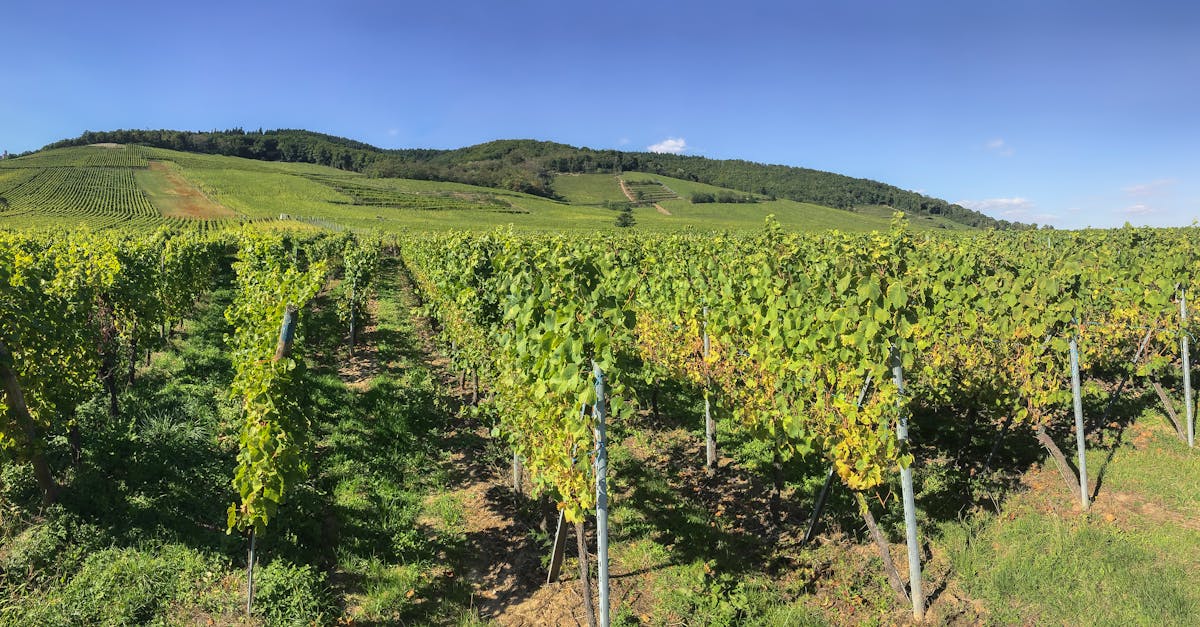
🌱 Terroir: Prefers limestone and granite soils, excellent for minerality
Riesling is one of the noble grape varieties accepted for great vintages, notably Late Harvest and Selection of Noble Grains, which produce richer, smoother, almost sweet wines, perfect with desserts or foie gras. This grape variety also owes its prestige to its extraordinary ability to subtly reflect the characteristics of Alsatian terroirs, making each bottle a unique sensory experience.
🍾 Appearance
- 🔍 Riesling Characteristics
- Main Aromas
- Citrus, white flowers, minerality, petrol notes (over time)
- Wine Type
Dry, sweet, late harvest, noble berries
Classic Pairings
| Seafood, fish, poultry | Aging Capacity |
|---|---|
| Very good, several years | Preferred Terroirs |
| Limestone and granite | To better understand Riesling in its Alsatian context, we can also look to the white grape varieties highly valued in other French regions, such as the Loire Valley (https://vin-et-chocolat.fr/choisir-vin-vallee-loire/), where Sauvignon Blanc and Chenin also display great aromatic richness. https://www.youtube.com/watch?v=exLSafAkq2I |
| What are the specific characteristics of the red grape varieties in Alsace, particularly Pinot Noir? | Although white wines largely dominate in Alsace, it’s important to remember that this region also produces red wines, primarily from Pinot Noir. Pinot Noir is the only red grape variety regularly grown in Alsace, representing less than 10% of the region’s wines. |
| Alsace Pinot Noir is characterized by its light, often translucent color and a fresh, elegant palate. Unlike some full-bodied reds from other French regions, the wine here tends toward finesse, aromas of fresh red fruits (cherry, raspberry, blackcurrant), and a supple structure. It is often vinified as Clairet, a light red, but also sometimes as a more classic red wine. Food pairings for this grape variety naturally tend toward affordable dishes that don’t hide the wine’s subtlety: | 🍖 Fine charcuterie or light meals |
| 🥩 White meats and poultry | 🍲 Mild stews |
🧀 Soft cheeses
🍷 Appearance
📌 Pinot Noir Details
Color
Light color, light red
- Aromas
- Fresh red fruits, discreet
- Structure
- Supple, low tannin
Vinification type
| Claret, light red | Food pairings |
|---|---|
| Charcuterie, flights, stews | Finally, if you’re curious to discover other red grape varieties throughout France, particularly in the Southwest (https://vin-et-chocolat.fr/cepages-majeurs-vin-sud-ouest/) or Burgundy (https://vin-et-chocolat.fr/vin-rouge-bourgogne-repas/), you’ll see that the Alsace region offers a unique and delicate offering in this niche. |
| A closer look at Pinot Blanc and Auxerrois, discreet companions of Alsace wines | Often confused or associated, Pinot Blanc and Auxerrois, sometimes sold under the name Klevner, fall into the category of supple, easy-to-apply wines. Pinot Blanc brings roundness and lightness, while Auxerrois lends a little more character and is sometimes incorporated into blends to soften or complicate a white wine. |
| 🍀 | Pinot Blanc: |
| A discreet wine, pleasant as an aperitif, perfect with simple dishes. | 🍀 |
| Auxerrois: | Robuster, often used in blends. |
🍀
Klevner:
Sometimes refers to a blend including these grape varieties.
- 🍀 Klevener de Heiligenstein: A rare but structured local variant of Traminer rosé.
- These grape varieties complement the spectrum of white wines, with a less “demonstrative” approach than others but highly valued for their conviviality and balance. Which sweet and liqueur-like Alsatian wines are produced thanks to the late harvest and the Sélection de Grains Nobles? In Alsace, the aromatic richness of noble grape varieties such as Riesling, Gewurztraminer, Pinot Gris, and Muscat gives rise to exceptional wines, of which the late harvest and the famous Sélection de Grains Nobles (SGN) are the flagships. These appellations are reserved for wines made from grapes harvested at perfect ripeness, often well after the normal ripening period, sometimes with exceptional sugar concentrations. These unique processes produce sweet and liqueur-like wines of great complexity, ideally enjoyed at the end of a meal, paired with foie gras, mature cheeses, or gourmet desserts. To identify these treasures, we rely on the labels, which clearly state:
- 🎯 Vendanges Tardives (VT): Sweet wines, made with grapes harvested at advanced maturity
- 🎯 Sélection de Grains Nobles (SGN): Sweet treasures made from grapes affected by noble rot, producing intense aromas
These wines seduce with their intense aromas, concentration, sweetness, and remarkable balance, and are strictly reserved for noble grape varieties (Gewurztraminer, Riesling, Pinot Gris, and Muscat). 🥇 Cuvée
🍇 Eligible Grape Varieties
🍷 Style
🍽️ Classic Pairings
Vendanges Tardives (VT)
- Riesling, Gewurztraminer, Pinot Gris, Muscat Smooth, sometimes rich Foie gras, spicy dishes, desserts
- Sélection de Grains Nobles (SGN) Riesling, Gewurztraminer, Pinot Gris, Muscat Sweet, very complex
Foie gras, mature cheeses, pastries
| If you’re interested in learning more about the character of other French sweet wines, it’s always fascinating to see what the Loire Valley (https://vin-et-chocolat.fr/cepages-vins-vallee-loire/) has to offer in this area, or even red Bordeaux wines, which lend themselves to other styles (https://vin-et-chocolat.fr/caractere-vin-bordeaux-rouge/). These rare and precious wines often hold surprises, perfect for special occasions and moments of shared indulgence. | https://www.youtube.com/watch?v=GHsmzDvdvW4 | Discover the emblematic grape varieties of Alsace, their unique characteristics, and how they influence the production of the fine wines of this renowned wine-growing region. | FAQ – Alsace Wine Varieties |
|---|---|---|---|
| ❓ | What are the noble grape varieties of Alsace? | The noble grape varieties are Riesling, Gewurztraminer, Pinot Gris, and Muscat, classified under the “Vendanges Tardives” and “Sélection de Grains Nobles” methods. | ❓ |
| Why does Alsace favor white wine? The climate and soils of Alsace are better suited to white grape varieties, which ripen more easily than reds in this northern region. | ❓ | Are there other red grape varieties in Alsace? | No, Pinot Noir is the only widespread red grape variety in Alsace, representing less than 10% of total production. |
❓
What is the Sélection de Grains Nobles?
What dishes pair with a Gewurztraminer?
- Spicy dishes, exotic cuisine, strong cheeses, and fruity desserts are the best accompaniments for this flamboyant grape variety.
-
-
-
-