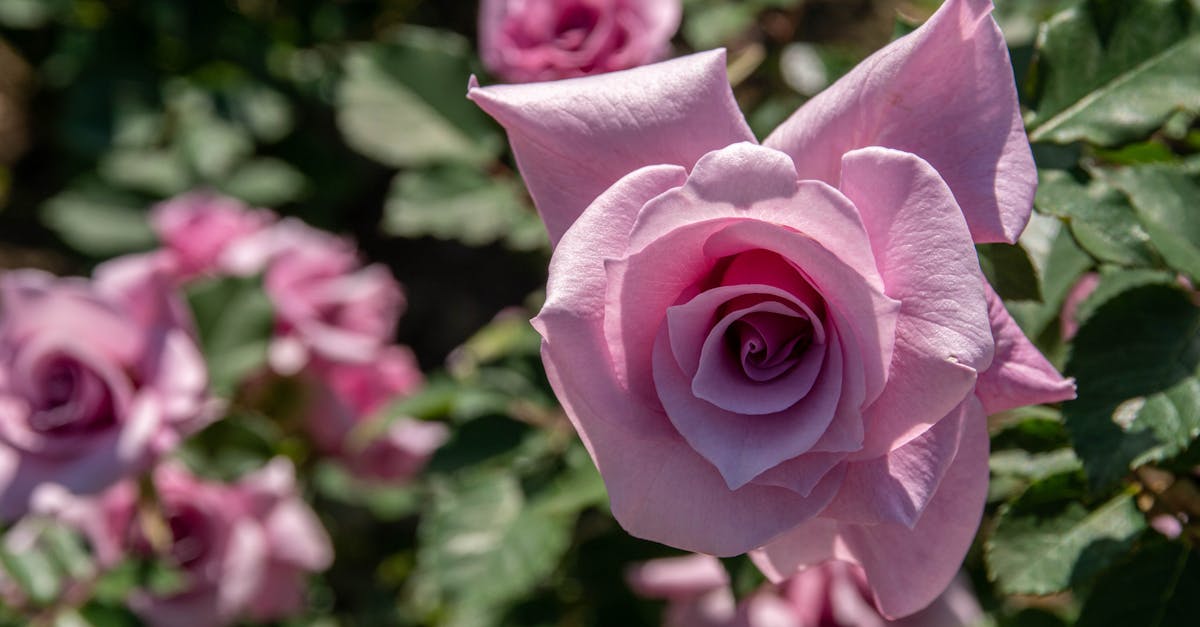
Because we all love to gather around a chilled glass of rosé wine when the sun is beating down in Provence, it’s essential to know the grape varieties that truly make the difference in these light and delicious nectars. Provence isn’t just a dream setting with its lavender fields and small ports; it’s a true winemaking treasure where the grapes grow in a climate that seems tailor-made for rosé wines. And these grape varieties aren’t just there for show; they bring freshness, fruity aromas, roundness, and structure—in short, they compose these wines so appreciated for their summer flavors. This corner of the South of France is renowned for its elegant rosés, recognizable thanks to a clever blend of several iconic varieties that are truly head-turning.
So, let’s take a closer look at these star grape varieties that make Provençal rosés so successful. If you thought Grenache was the only one calling the shots, wait until you see the role played by grape varieties like Cinsault, Mourvèdre, and of course the lesser-known Tibouren, which infuse local wines with a unique identity. These grapes, each with their own unique temperament, often blend together to create light and fragrant wines, but with character! It’s worth knowing a little more about them so you can enjoy a taste like a connoisseur without the hassle.
From a technical perspective, each grape variety has its own unique characteristics: some prefer dry soils, others grow better near the sea, and this geographical diversity enriches the aromatic palette of rosé wines. In this guide, we’ve put together a detailed exploration, combining history, characteristics, and tips to uncover the best of Provence with every sip. Let’s embark on a journey to the heart of Provence’s iconic rosé grape varieties, to transform your aperitifs into truly exceptional moments!
Grenache, the unmistakable star of Provence rosés
It’s impossible to talk about Provençal rosé without mentioning Grenache, the grape variety that reigns supreme over a large part of the region’s vineyards. Native to Spain, this grape is particularly suited to the Mediterranean climate, with its hot, dry summers that favor its ripening. Grenache’s strength in rosés lies in its ability to bring a rich and indulgent aromatic palette, full of small red fruits—strawberry, raspberry, cherry—while offering a beautiful roundness on the palate.
To be on the safe side, remember that Grenache is what you might call a vineyard “workaholic”: it tolerates wind and drought well, and thrives easily on the stony hillsides typical of Provence. This allows for the production of wines that are both fruity and concentrated, without losing the freshness essential to a good rosé. It’s a bit like the solid foundation on which rosé blends are often built, because it “adds body” while remaining seductive.
Another aspect to be aware of is how its aromatic profile evolves over time. When the wine is young, Grenache tends to be light and fresh, but as it ages, it develops more complex, spicy notes reminiscent of licorice or the aromatic herbs of the garrigue. These two facets make Grenache a versatile grape variety. 🍓 Typical aromas: strawberry, raspberry, cherry
- 🌞 Adapted to the dry and sunny soils of Provence
- 🍃 Evolves towards spicy notes with aging
- 🛠️ Solid in blends, it brings roundness and power
- Characteristics 🔍
| Description 📋 | Origin |
|---|---|
| Spain | Ideal climate |
| Warm and dry | Aromatic profile |
| Red fruits, spices | Role in rosé |
| Base of the blend, roundness | Discover the elegance of Provence rosé wine, a true invitation to savor floral and fruity aromas. Perfect for your aperitifs and summer meals, this rosé embodies the Mediterranean art of living. |
Cinsault is a grape variety that will melt you with its delicacy and fruitiness. Native to Provence itself, it often represents the light and airy part of rosé blends. This grape variety has the particularity of producing large bunches filled with juicy and fruity pulp, but also produces wines with very pale colors, often a light salmon color typical of Provençal rosés. You’ve probably already tasted a rosé where Cinsault plays the discreet star, bringing finesse and an almost gourmand fruitiness, with notes of wild strawberry or sweet cherry. It’s this freshness that makes it perfect for summer aperitifs, when you’re looking for a thirst-quenching wine without being heavy. This grape is also quite resistant to poor, dry soils, making it an excellent companion to other, more powerful grape varieties like Mourvèdre or Grenache. In a typical blend, Cinsault acts as a “softener” which nuances the power of the others, without ever taking center stage. Its little extra? It often gives a boost to perceived freshness, helping the wine stay crisp in the mouth. This is why it is mainly used in famous appellations such as
Côtes de Provence
or the coasts of Aix-en-Provence which seek the beautiful harmony between finesse and complexity. 💧 Fresh and light notes 🌱 Adapted to shale, poor, dry soils
- 🍒 Fruity aromas: wild strawberry, cherry
- 👌 Brings finesse and balance in assembly
- Attributes of Cinsault 🍇
- Details
| Origin | Provence |
|---|---|
| Wine color | Light salmon |
| Favorite soil | Schistose, dry and poor |
| Role | Freshness and finesse |
| https://www.youtube.com/watch?v=bRWJTer2y24 | Mourvèdre and Syrah, for full-bodied and structured rosés |
Mourvèdre
And Syrah play a key role. These two grapes bring depth and aromatic intensity which wonderfully counterbalance the natural lightness of Grenache or Cinsault. Mourvèdre, originally from Spain, is a grape variety that loves heat and prefers warm, limestone terroirs. Its tight berries give rosé wines fine tannins, a beautiful structure and complex aromas dominated by violet, blackberry and sometimes notes of spices such as pepper or cinnamon. It’s actually what gives the wine strength, ideal to accompany Mediterranean dishes rich in flavors. Syrah, on the other hand, comes from the Mediterranean. This grape variety is renowned for its ability to produce colorful wines, rich in tannins and powerful aromas of jammy black fruits and black pepper, but also more indulgent notes like vanilla after a certain aging process. In Provence, Syrah infuses rosé with a welcome aromatic complexity, especially in blends from the Rhône Valley, which is directly linked to the neighboring Provençal region (
discover more here
). 🎯 Bring structure and depth🔥 Suitable for hot and dry climates🌿 Aromatic notes: violet, pepper, black fruits
- 🥘 Perfect to accompany spicy dishes
- Grape variety
- Origin
- Main characteristics
| Key aromas | Mourvèdre | Spain | Fine tannins, slow maturation |
|---|---|---|---|
| Violet, blackberry, spices | Syrah | Mediterranean Orient | Colorful wines, rich in tannins |
| Black fruits, pepper, vanilla | Discover the sunny charm of Provence rosé, a delicate wine with fruity and floral aromas. Ideal for your summer aperitifs, it brings a touch of freshness and elegance to every sip. | https://www.youtube.com/watch?v=QNVVbql6HgQ | Tibouren, the little-known treasure of Provençal rosé wines |
is often the wild card in Provençal rosé blends. This ancient grape variety, typical of Provence, is becoming rarer but remains a mainstay when looking for elegance and finesse. Its special feature? It produces wines with very pale, almost light salmon hues, with a delicate aromatic bouquet combining white-fleshed fruits and floral notes reminiscent of the first fine days of spring.
This grape thrives near the sea, from which it draws the unique freshness that transcends rosés. The soils with a strong maritime influence allow it to develop this typical Provençal flavor, both delicate and well-balanced. It’s not the most striking grape variety, but rather one that charms with its gentleness, ideal for lovers of subtle and aromatic wines. 🌸 Floral aromas and white-fleshed fruits 🌊 Suitable for areas with a strong maritime influence 🎨 Pale and elegant color
💫 Brings finesse and originality to blends
- Attributes of Tibouren
- Description
- Origin
- Provence
| Wine color | Very pale salmon |
|---|---|
| Preferred terroir | Maritime zone |
| Role in winemaking | Elegance and aromatic finesse |
| White grape varieties that also illuminate Provençal rosés | To highlight the unique style of Provence rosés, it’s important to remember that a few white grape varieties sometimes join the fray. Let’s unveil |
| Vermentino (also called Rolle), | Bourboulenc |
,
Clairette andRoussanne , which bring lightness, freshness, and complexity to rosé wines, even though they are primarily associated with the region’s white wines. Rolle is probably the best-known of the Provençal white grape varieties, known for its floral, citrus, and sometimes almond-like aromas that add a touch of freshness. It’s an ideal partner when you’re looking for a rosé with a lively, more pronounced aromatic profile. Clairette, on the other hand, offers a sweet, slightly honeyed sensation, perfect for balancing the freshness of the other grape varieties.Bourboulenc and Roussanne are often more discreet, but their contribution of acidity and aromatic finesse is invaluable. These white grape varieties are found in certain rosé blends, especially when winemakers seek to express the full diversity of the Provençal terroir, as can sometimes be seen in the white wines of the Côtes de Provence (more information here). 🍋 Vermentino/Rolle: citrus and white flowers 🐝 Clairette: sweetness and honeyed notes 💧 Bourboulenc: acidity and finesse 🌿 Roussanne: aromatic complexity and balanceWhite grape variety
Dominant aromas
Role in rosé blendsVermentino (Rolle)White flowers, citrus, almond
- Vivacity and freshness
- Clairette
- Sweetness, honeyed notes
- Balance and sweetness
| Bourboulenc | Finesse, acidity | Brings freshness |
|---|---|---|
| Roussanne | Complexity, aromatic balance | Structure and elegance |
| Discover the elegance of Provence rosé wine, a fresh and fruity nectar that evokes the sunshine of southern France. Perfect for your aperitifs, outdoor meals, or convivial moments, this rosé will seduce your senses with its delicate floral notes. Awaken your palate and let yourself be transported by the sweetness of Provence. If you feel like exploring grape varieties even further, whether those of Provence or neighboring regions like the Rhône Valley, where Grenache, Syrah, and Mourvèdre also shine, you’ll find something to delight you. The world of Provence’s grape varieties offers an aromatic diversity that sparkles in the sun, just like bees foraging in lush fields, much like my daily life as a beekeeper. | FAQ – Frequently Asked Questions about the Emblematic Rosé Varieties of Provence | What are the dominant grape varieties in Provence rosés? |
| The main grape varieties are Grenache, Cinsault, Mourvèdre, Syrah, and to a lesser extent, Tibouren. These grapes blend together to give Provençal rosés their fresh and fruity character. | Why is Tibouren often overlooked? | Because it is less widely cultivated and more localized to certain maritime areas, Tibouren remains discreet but highly valued by connoisseurs for its finesse and elegant aromas. |
| Do white grape varieties play a role in rosés? | Yes, varieties like Vermentino (Rolle), Clairette, Bourboulenc, and Roussanne can be used in small quantities to bring freshness and complexity to rosés. | Can Provençal rosés be enjoyed with Mediterranean dishes? Absolutely, especially thanks to the Mourvèdre and Syrah grapes that provide structure and spice, Provence rosés are the perfect accompaniment to sunny cuisine. |

A Provençal rosé generally has a pale salmon color and aromas of red berries and flowers, with a balance between freshness and roundness.