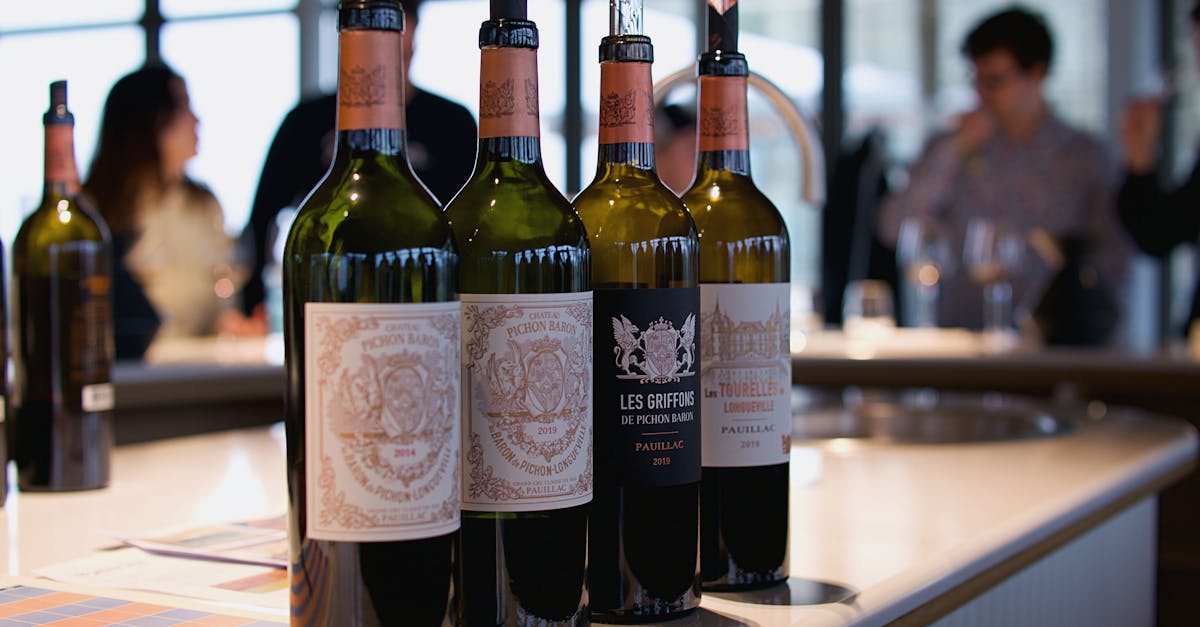
The Bordeaux vineyards are a bit like sacred territory for wine lovers looking to dazzle their eyes. In this region, each vine is a star, and it’s best to know who’s who to aim for the right bottle. Bordeaux is, above all, a story of grape variety diversity, a true symphony of varieties balancing soils, climates, and traditions. Without this carefully selected array, it’s impossible to produce these powerful, charming wines capable of improving in the cellar for decades. We’ve put together this simple, no-nonsense guide to discover and understand the iconic grape varieties that make Bordeaux so magical. Buckle up, it’ll make you want to open a bottle right away!
In this overview, we’ll dissect the essential grape varieties, take a look at their aromatic profiles, and discover how the master winemakers of Château Margaux, Château Lafite Rothschild, and Château Latour create the perfect blend. You’ll learn why Merlot is the darling of the Right Bank, while Cabernet Sauvignon reigns supreme on the Left Bank. We won’t forget the little secrets of Petit Verdot or the spicy notes of Malbec. In short, if you want to understand what gives this inimitable taste to wines like Château Haut-Brion, Château Mouton Rothschild, or Château Pichon Longueville, you’ve come to the right place.
Along the vineyards, you’ll also discover the evolution of blends in the context of global warming, adding a modern and surprising dimension to this ancestral practice. Prepare to explore both red and white grape varieties, with even little nods to the similarities between Bordeaux terroirs and other French regions such as Burgundy, Provence, and Alsace. You’ll leave with a brand new baggage to impress your friends at the next aperitif, and why not unearth the perfect gem on the website Rekolt.io.
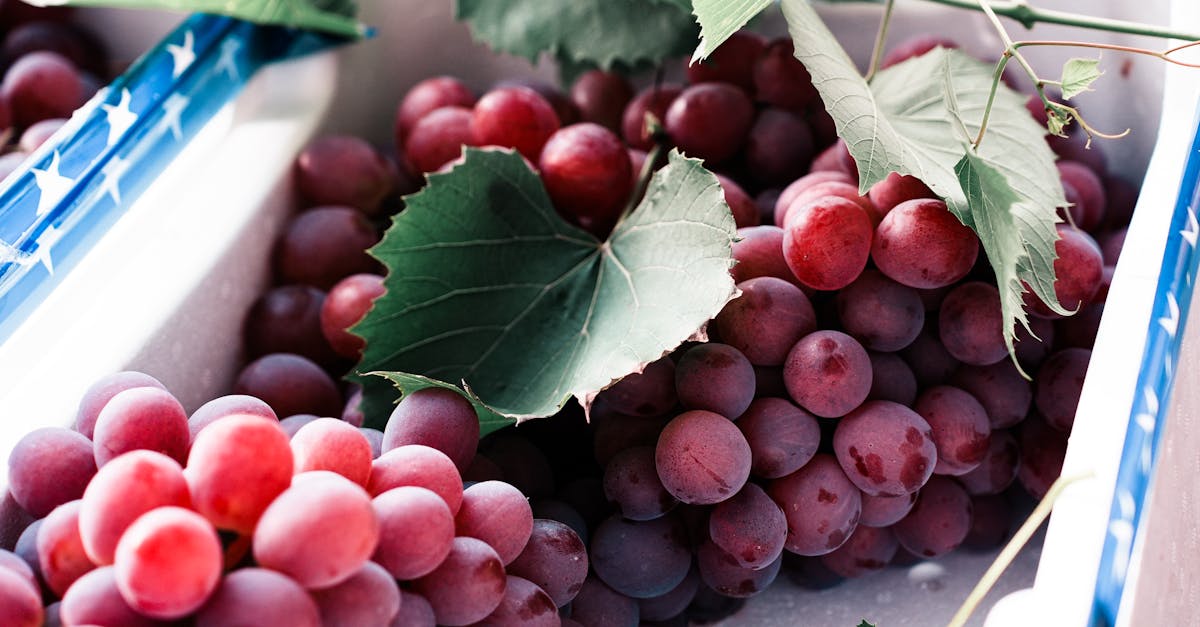
When talking about Bordeaux red wines, it’s impossible to overlook a handful of grape varieties that single-handedly define this much-loved style. Bordeaux’s strength lies in blending these varieties to achieve complexity and unique character. These flagship red grape varieties each play a specific role in the aromatic orchestra and allow for a precise balance between power, suppleness, and aging potential.
Cabernet Sauvignon: The Boss of the Left Bank
Cabernet Sauvignon is THE star grape variety on the Left Bank, home to legendary estates such as Château Latour, Château Lafite Rothschild, and Château Mouton Rothschild. Born from a cross between Cabernet Franc and Sauvignon Blanc in the 17th century, it thrives in gravelly soils. Its speciality? Bringing the wines a powerful structure, firm tannins that guarantee good longevity, and notes of blackcurrant, cedar, and even tobacco after a few years in the cellar.
Perfect for long wardrobes, Cabernet Sauvignon thrives, producing robust and elegant wines that are perfect for accompanying fine meals. So, when you enjoy a glass of this grape, expect to sense the nobility of an exceptional terroir. Château Margaux is another beautiful showcase, combining finesse and complexity thanks to a significant proportion of Cabernet Sauvignon in its blends. Merlot: the sweet star of the Right BankDo you prefer more supple, rounded, and fruity wines? Merlot is there for you. Essentially dominant on the Right Bank, particularly in the prestigious Pomerol wines, headlined by the legendary Château Pétrus, it brings a touch of sweetness and indulgence. Merlot imparts aromas of plum, cherry, and violet, and softens the rigidity of Cabernet Sauvignon when the two come together. Its name? It supposedly comes from the blackbird, that famous bird, who had a weakness for its grapes! A story of terroir and nature—a nice nod. Merlot is a precious grape variety, particularly suited to clay-limestone soils where it expresses a body and suppleness that are seductive at first glance, and equally impressive for its ability to age. Cabernet Franc: Bordeaux’s aromatic elegance Among the “three musketeers” of Bordeaux reds, Cabernet Franc brings finesse and originality. This grape variety, cultivated since the 17th century in Bordeaux, has surprising aromas that oscillate between raspberry, green pepper, and iris. It is very present in Saint-Émilion, at properties such as the famous Château Cheval Blanc, where it reigns supreme alongside Merlot.Its tannic finesse is precious, bringing freshness and complexity to blends and often playing the role of a wild card to enhance wines’ length and class. As a side note, it’s worth noting that Cabernet Franc is the ancestor of Cabernet Sauvignon, which gives a “royal family” feel to this fine lineage. 🍇
Cabernet Sauvignon : structure, firm tannins, notes of blackcurrant and tobacco 🍒
Merlot
: suppleness, roundness, aromas of plum and violet 🌿Cabernet Franc
: finesse, freshness, spicy and fruity aromas
🌸
Petit Verdot : intense color, powerful tannins, spices🍷
Malbec
- : black fruits, fleshy tannins, intensity 🍇 Grape Variety 🌍 Favorite Terroir
- 🍷 Key Characteristics 🏰 Estate Examples Cabernet Sauvignon
- Gravely (Médoc, Pauillac) Powerful tannins, aromas of blackcurrant and cedar Château Latour, Château Lafite Rothschild, Château Margaux
- Merlot Clay-limestone (Pomerol, Saint-Émilion) Roundness, aromas of plum, cherry
- Château Pétrus, Château Ausone, Château Angélus Cabernet Franc Clay soil (Saint-Émilion)
| Finesse, aromas of raspberry and bell pepper | Château Cheval Blanc, Château Ausone | Petit Verdot | Warm zones (Médoc) |
|---|---|---|---|
| Intense color, spicy notes | Château Palmer, Château Pichon Longueville | Malbec | Médoc, Côtes de Bordeaux |
| Dark fruit, fleshy tannins | Château Clerc Milon | Discover the world of Bordeaux grapes, these iconic grape varieties that produce some of the world’s most prestigious wines. Learn more about their cultivation, characteristics, and essential role in the region’s winemaking reputation. | Petit Verdot and Malbec: the secret spices of great wines |
| These two are often overlooked, but they bring a real touch of originality and complement blends with bursts of color and tannic intensity that sings on the palate. Petit Verdot, on the Médoc side, provides peppery notes and a beautiful structure. Malbec, more discreet today, has a solid historical reputation, particularly at Château Clerc Milon, where it still finds its place in the blend. | Thanks to these grape varieties, the grands crus gain character, depth, and aging potential. It is this subtle balance that explains why some Bordeaux wines remain fresh and seductive for decades, always offering something to tell with each tasting. | https://www.youtube.com/watch?v=SV3IkVW7BUc | The white grape varieties of Bordeaux: freshness and indulgence combined |
| Bordeaux wouldn’t be Bordeaux without its elegant white wines, whether dry or sweet. Here too, a few essential grape varieties define the personality of the blanchets. They bring volume to the palate and aromatic profiles that breathe new life into fine dining. It’s time to go beyond red and explore another facet of the vineyard with the same indulgence. | Semillon: the jewel of sweet wines | Semillon, inseparable from sweet white Bordeaux appellations like Sauternes and Barsac, is a grape variety with high potential. Its thin skin effectively absorbs noble rot, the famous “noble rot” that transforms the grapes into exceptionally sweet concentrates. At Château Haut-Brion or Château d’Yquem, Sémillon reigns supreme, bringing sweetness, length, and complexity. | This grape variety develops notes of honey, apricot, and white flowers when exposed to botrytis, perfect for pairing with desserts and foie gras. Sémillon is also found in dry white wine, where it offers beautiful texture and elegance. |
| Sauvignon Blanc and Muscadelle: Freshness and Delicacy | Sauvignon Blanc brings a lively and aromatic touch to Bordeaux with notes of citrus, boxwood, and sometimes a touch of minerality. Paired with Sémillon, it balances the structure by providing freshness and tension. It’s often the key to dry, crisp whites. Muscadelle, less present, adds its floral and fruity aromas, often thickening the aromatic structure. | If you’d like to extend this discovery with regional white grape varieties, take a look at the resources on the white grape varieties of Provence or the white grape varieties of Savoie; you’ll be surprised by the comparisons. 🌼 | Semillon |
🍋
Sauvignon Blanc
: freshness, citrus, subtle vegetal
Muscadelle
: delicate floral and fruity
🍇 Grape Variety
🌍 Favorite Terroir
🍷 Key Characteristics
🏰 Estate Examples
Semillon
Clay-limestone soils (Sauternes, Barsac) Rich, sweet, aromas of honey and dried fruit Château Haut-Brion, Château d’Yquem Sauvignon BlancGravelly soils
- Lively, fresh, aromas of citrus and herbs Château Pichon LonguevilleMuscadelle
- Various Locations Floral, fruity, lightOften used in blends with Sémillon
- Discover all about Bordeaux grapes, their history, varieties, and their essential role in The production of the famous wines of this renowned wine region. https://www.youtube.com/watch?v=3yTRdmHiIiIBlending grape varieties: the Bordeaux art of blending tradition and modernity
| Blending is the magic trick that brings the great wines of Bordeaux to life. A centuries-old tradition that adapts to changing climates and market tastes. The recipe? Proper dosage and careful consideration of the grape varieties to combine to express the best of the terroir. | How proportions influence wine style | The percentage of each grape variety in a wine has a huge impact on the final result. For example, on the Left Bank, Cabernet Sauvignon can account for up to 70% of a blend, producing a powerful and tannic wine that’s perfect for aging. On the Right Bank, the trend is toward a majority Merlot (60-80%), for more supple wines that are enjoyed more quickly. Cabernet Franc often plays its part in finesse (10-30%), while Petit Verdot and Malbec join the party to thicken the texture and color. | Evolution of Blends in the Face of Climate Challenges |
|---|---|---|---|
| Global warming is forcing winemakers to revisit their classics. Cabernet Sauvignon, in particular, is now benefiting from the warmer climate to reach optimal maturity, a real asset for strengthening the structure of wines. At the same time, the return to favor of grape varieties like Petit Verdot is a testament to this necessary adaptation. Some historic estates, such as Château Palmer, combine tradition and innovation by adjusting the presence of these grape varieties to maintain quality despite climatic hazards. | This ability to adapt without losing the Bordeaux spirit is precisely what allows the vineyard’s wines to maintain their reputation, even in a changing world. 🎯 Adapt grape varieties to ensure maturity and quality | 🌡️ Increase the proportion of Cabernet Sauvignon in certain blends | 🍇 Reintroduce or strengthen Petit Verdot for structure |
| 🧪 Experiment with new varieties or forgotten old ones | 📅 Period | 🎯 Blending objective | ♻️ Climate adaptation |
| 🏰 Château examples | 17th century | Wine stability and consistency | Classic blends: Merlot, Cabernet Sauvignon, Cabernet Franc |
Optimizing aging potential
Strengthening Cabernet Sauvignon on the Left Bank
Château Latour, Château Margaux
Early 21st Century
Response to Climate Change
Increase in Petit Verdot, Various Adjustments Château Palmer, Château Pichon LonguevilleBordeaux Grape Varieties to Explore to Enhance Your Wine Culture
Already well-charted, the Bordeaux vineyards are still full of surprises for the curious who wish to explore further. Secondary grape varieties, lesser-known but equally intriguing, sometimes contribute to innovative or historic compositions. These varieties, sometimes forgotten or recently introduced, allow you to broaden the aromatic palette and explore new taste dimensions.
- You can compare these grape varieties with other regions such as Burgundy or the Rhône Valley by consulting the articles on
- grape varieties in Burgundy
- or
- the Rhône Valley
| . This also sheds light on the geographical evolution of grape varieties in France. 🍷 | Carménère | : a rare grape variety reintroduced, bringing a spicy and rounded touch | 🍇 |
|---|---|---|---|
| Malbec | : sometimes called Côt locally, still appreciated for its fruity notes | 🍒 | Petit Manseng |
| : for whites, offering freshness and acidity | 🌹 | Touriga Nacional | : a recent grape variety, imported, to add complexity |
| 🌱 Grape Variety | 🏷️ Role in the blend | 🍇 Characteristics | 🏰 Examples / Particularities |
Carménère
Spices and roundness
Notes of pepper, red berries Reintroduced in some Bordeaux estates Petit Manseng Freshness for whitesMarked acidity, citrus aromas
- Little used but present in experimentation Touriga Nacional Complexity
- Notes of black fruits and spices Recently imported for Diversification https://www.youtube.com/watch?v=iigXAXUTlIk
- A final word on grape varieties and adaptation Markets evolve, the weather dictates, but in the heart of Bordeaux’s vineyards, the passion for vines and grape varieties remains intact. These varieties, whether classic or unusual, tell a story, a terroir, and an identity. In 2025, we must challenge habits without ever abandoning tradition to continue producing these vintages that delight taste buds around the world. 🔍 Stay curious and explore lesser-known grape varieties
- 🍇 Note the importance of adapting to climate change 📚 Compare with other French terroirs to better understand Bordeaux 🤝 See blends as a collective work of art
| FAQ – Everything you need to know about the iconic grape varieties of Bordeaux wine | ❓ | What are the main grape varieties in Bordeaux red wines? The three main grape varieties are Cabernet Sauvignon, Merlot, and Cabernet Franc, with Petit Verdot and Malbec added for added support. | ❓ |
|---|---|---|---|
| Why does Bordeaux use multiple grape varieties in the same wine? | To create a perfect balance between aromas, structure, and aging potential, while taking into account climatic variations. | ❓ | Which white grape varieties dominate in Bordeaux? |
| Sémillon, Sauvignon Blanc, and Muscadelle are the stars of Bordeaux white wines. | ❓ | Is global warming changing blends in Bordeaux? | Yes, winemakers are adapting the proportions, notably by increasing the proportion of Cabernet Sauvignon and reintroducing grape varieties like Petit Verdot. |
| ❓ | Where can you buy authentic Bordeaux wines online? Platforms like Rekolt.io offer a curated selection of Bordeaux wines to discover without the hassle. |