With vineyards spanning thousands of hectares and a two-thousand-year history, the Bordeaux region never ceases to dazzle wine lovers. Here, every bottle tells a story, driven by carefully blended grape varieties and an impressive diversity of terroirs. Whether you’re a novice or a seasoned oenophile, the Bordeaux region offers an infinite palette of styles, from full-bodied reds to crisp whites and surprising sweet wines. And 2025 continues this tradition with new discoveries and vintages that push the boundaries of good taste. We’ve put together this practical guide to unearthing and understanding the different types of Bordeaux wines, just to whet your appetite before your next tasting. You’ll see: there’s something heavy, smooth, and subtle to dazzle your eyes. Bordeaux is a region that never sleeps, where the past blends with innovation, notably with an ever-increasing focus on sustainability and controlled yields. Famous Grands Crus Classés like Château Margaux and Château Lafite Rothschild continue to be talked about, but small family-run producers are also gaining momentum. Before diving into the heart of the matter, imagine a vibrant map, divided into several districts with distinct characters, where each plot, each grape variety, produces wines with unique profiles. Let’s find the must-try Bordeaux wine gems this year.
What are the Bordeaux red wines not to be missed? A guaranteed sensation! 🍷 Let’s not kid ourselves, when we talk about Bordeaux, we first think of its red wines. These wines, generally made from blends, are the beating heart of the region. In particular, the marriage between Cabernet Sauvignon and Merlot works wonders, combining structure and roundness. Cabernet Franc
,
Petit Verdot and even Carménère come together to enrich the textures and aromas. Here are some key points to help you navigate easily. 🌿 The Left Bankof Bordeaux, concentrated around the Médoc, relies on gravelly soils ideal for Cabernet Sauvignon to deliver its powerful and elegant notes. 🍓 The Right Bank (Saint-Émilion, Pomerol) prefers Merlot, for richer, velvety wines, often with very expressive fruit. 🛤️ The Médoc, Haut-Médoc, Margaux, Pauillac, Saint-Julien, and Saint-Estèphe are renowned appellations that are a must-see, home to prestigious wines such as
- Château Latour , Château Mouton Rothschild
- and Château Cos d’Estournel . Bordeaux red wines are also prized for their ability to age well, revealing silky tannins and a complex bouquet of black fruits, spices and even woody notes from barrel aging. To get the right wine, consider exploring:
- Appellation Main Grape VarietiesWine Profile Iconic Vineyard Margaux Cabernet Sauvignon, MerlotElegant and floral, silky tannins
Château Margaux
| Pauillac | Cabernet Sauvignon, Merlot | Powerful, notes of cedar and blackcurrant | Château Lafite Rothschild |
|---|---|---|---|
| Saint-Estèphe | Cabernet Sauvignon, Merlot, Petit Verdot | Robust, full-bodied, spicy | Château Cos d’Estournel |
| Saint-Émilion | Merlot, Cabernet Franc | Velvety, fruity, sweet spices | Château Léoville Las Cases |
| Pomerol | Merlot, Cabernet Franc | Rich, dense, with notes of truffle | Château Pichon Longueville |
| If you’re curious about less expensive but equally delicious wines, the region offers options under 10 euros each year, perfect for discovering without worrying about ruin ( | take a look here | ). The Médoc Marathon, an event as festive as it is cultural, highlights this diversity and Bordeaux’s passion for wine and sport—a must-see. | discover the world of Bordeaux wines, a symbol of elegance and tradition. explore the emblematic grape varieties, famous châteaux and tasting tips to fully savor these exceptional wines. |
| What are the Bordeaux white wines to explore to refresh yourself? 🥂 | White wines in Bordeaux are not left out, even if their share in production is more modest – around 10%. Here, it is above all freshness and finesse that predominate. The role is mainly played by two grape varieties: | Sauvignon Blanc | and the |
Sémillon, sometimes accompanied by Muscadelle.🍋 Sauvignon Blanc brings beautiful acidity, herbaceous and lemony notes.
🍰 Dessert wines, particularly from the Sauternes and Barsac appellations, owe their softness to noble rot, a blessing for lovers of sweetness.
In Graves, for example, these grape varieties produce elegant dry white wines that pair wonderfully with fish, seafood and poultry. The famous Chateau Haut-Brion is a major example, offering distinct vintages that rival the estate’s red wines. AppellationMain grape varieties
- Style
- Unmissable area
- Graves
Sauvignon Blanc, Semillon Dry, mineral, fresh Chateau Haut-Brion
| Sauternes | Semillon, Sauvignon Blanc, Muscadelle | Liquorous, soft, complex | Château Coutet |
|---|---|---|---|
| Barsac | Sémillon, Sauvignon Blanc | Sweet, floral, balanced | Château Doisy-Daëne |
| If you are looking to buy directly in the region, it is interesting to consult the advice for purchasing on site, in order to grasp the most recent vintages and choose your wine carefully ( | see this practical guide | ). | Discover Bordeaux wines, renowned for their exceptional quality and diversity. Explore our artisanal selections of reds, whites, and rosés, and immerse yourself in the fascinating world of Bordeaux’s terroirs and châteaux. |
| How do terroirs influence the different types of Bordeaux wine? Decoding guaranteed 🌍 | To understand what distinguishes each bottle of Bordeaux, you have to delve into the terroir. The region is divided into several districts that provide access to an incredible variety of soils and climates, all factors that shape the wines and their intensity. | The Left Bank: Cabernet Sauvignon Paradise | On the left bank of the Gironde, the Médoc and Haut-Médoc regions stretch across gravelly soils. This type of terrain facilitates good drainage and allows the grapes, particularly the Cabernet Sauvignon, to ripen slowly. The result? Wines with a solid structure, capable of aging for decades. Château Lafite Rothschild and Château Mouton Rothschild perfectly embody this style. |
The Right Bank: All About MerlotOn the right bank, between the Garonne and the Gironde estuary, clay and sedimentary deposits dominate. This richer terroir produces smoother, rounder red wines, perfect for those who prefer bold fruit. Château Léoville Las Cases and Château Ducru-Beaucaillou are examples of estates that make the most of this unique terroir.Between the Two: The Role of Graves
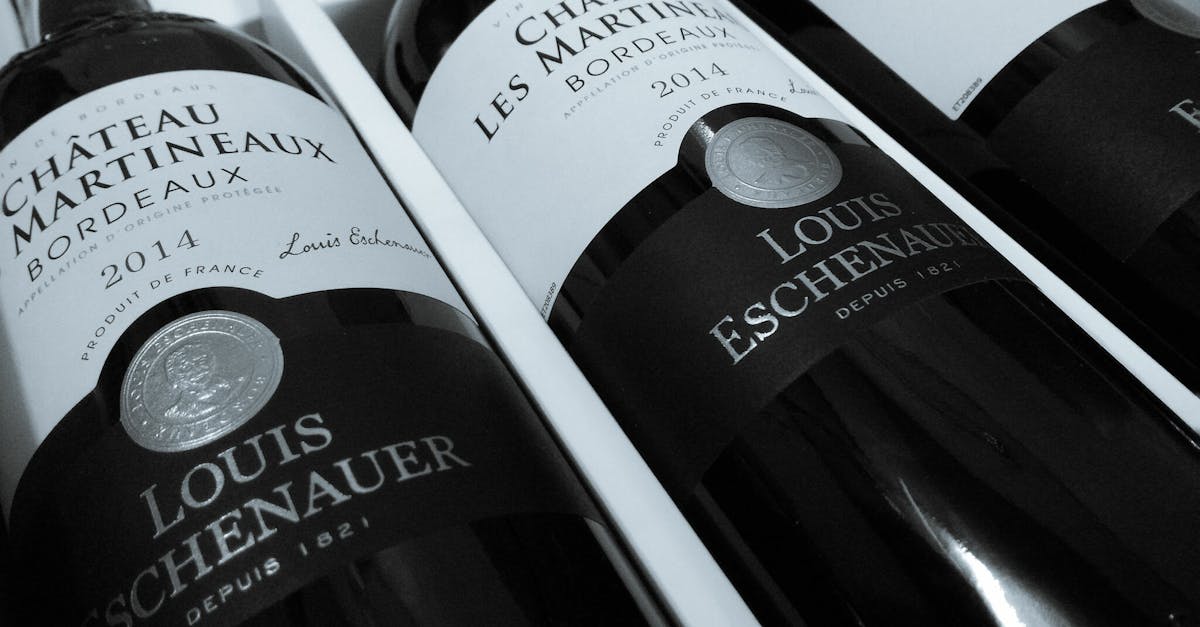
🌱 Terroir influences quality, aging potential, and aromatic profile. 🌾 It is important to choose a type of Bordeaux wine based on its geographical characteristics.
🍷 Understanding the terroir allows you to anticipate the style of wine you will taste.
Bank
Soil Characteristics
Preferred Grape Varieties
Typical Wines
Left
Gravelly, well-drained soil Cabernet Sauvignon, Merlot, Cabernet Franc Powerful, age-worthy wines
- Right
- Clay, sedimentary deposits
- Merlot, Cabernet Franc
| Round, fruity, supple wines | Grave | Round pebbles, varied terrain | Merlot, Cabernet Sauvignon, Sauvignon Blanc |
|---|---|---|---|
| Balance between finesse and power | To learn more about this fascinating diversity, don’t hesitate to delve into the history of Bordeaux wine, which sheds light on both the choice of terroirs and the evolution of the grape varieties (read here to learn more). https://www.youtube.com/watch?v=AzilJhytsUE | What are the must-see grands crus and estates of Bordeaux? The best of discoveries ⭐ | It’s impossible to talk about Bordeaux without mentioning its legendary estates. These châteaux have forged the region’s worldwide reputation and often set the bar for quality and excellence. Perfect for those looking to take their winemaking to the next level. |
| 🏅 | Château Margaux | : A symbol of elegance and finesse, this legendary cru seduces with its floral aromas and remarkable length. | 🏅 |
| Château Lafite Rothschild | : Recognized for its power and aging potential, this wine reflects unfailing complexity. | 🏅 | Château Latour |
: Renowned for its robust structure and firm tannins, ideal for lovers of full-bodied wines. 🏅Château Haut-Brion: One of the rare vintages with a profile as refined in red as in white, a Bordeaux must-have.
Château Mouton Rothschild
: Famous for its history and artistic labels, this wine is a true concentration of expertise.
- 🏅 Château Pichon Longueville and
- Château Cos d’Estournel : Trusted values for perfectly mastered blends. 🏅
- Château Ducru-Beaucaillou and Château Palmer
- : elegance and power combined, a wonderful discovery with each vintage. 🏅 Château Léoville Las Cases
- : a benchmark on the Right Bank, with wines that are both rich and precise. These estates often offer tours and tastings, a wonderful opportunity to appreciate the magic of Bordeaux firsthand. To keep up with the latest news and trends for 2025, this link is a goldmine ( discover the latest releases
- ). Prepare yourself for an extraordinary wine experience. https://www.youtube.com/watch?v=0LybICLFjZg Bordeaux Wine FAQ: Everything you wanted to know without the hassle ❓ What are the best grape varieties for a Bordeaux red wine?
- Cabernet Sauvignon dominates mainly on the Left Bank for its powerful tannins and structure, while Merlot reigns supreme on the Right Bank for its richness and suppleness. Are Bordeaux white wines always sweet? No. Bordeaux produces both dry white wines, particularly in Graves, as well as sweet wines such as Sauternes and Barsac. How do you choose a Bordeaux wine that fits your budget? There are good Bordeaux wines at all price points, including those under 10 euros. Less prestigious appellations often offer excellent value for money.
- More details here. Is aging important for Bordeaux wines? Yes, many great Bordeaux red wines benefit from aging for several years to reveal their full complexity and aromas.
Is it easy to visit Bordeaux vineyards?Absolutely. Several estates open their doors to visitors. For example, Château Coutet on the Right Bank is very popular for its sustainable practices.