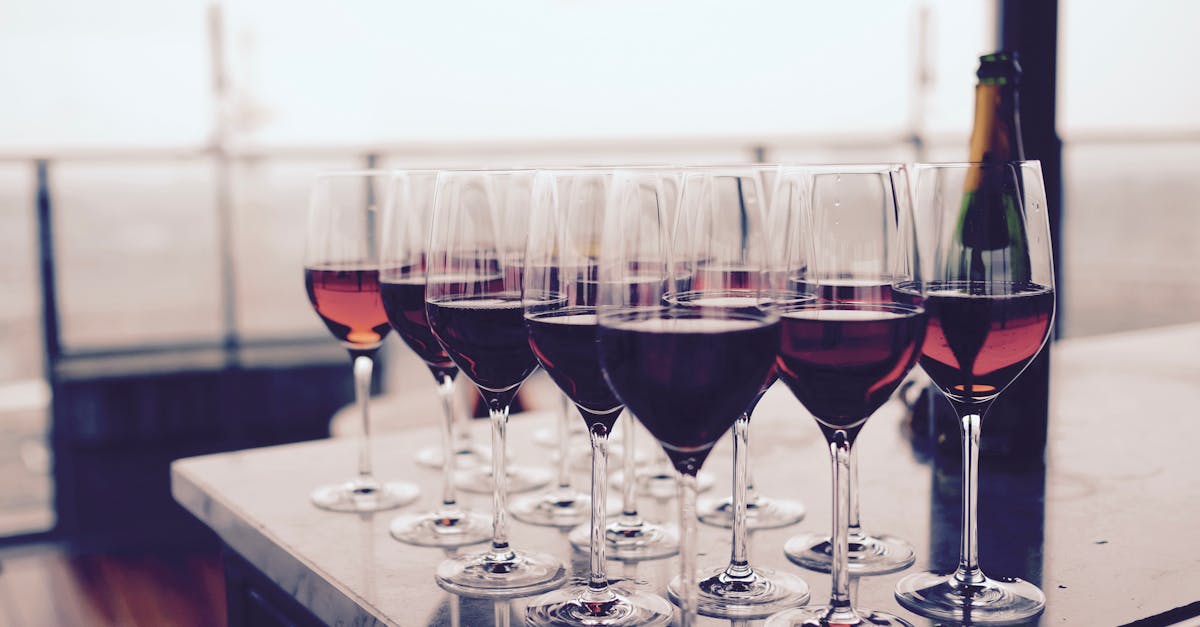
Between the verdant hills of the Southwest, vineyards stretch, offering an incredible array of red, white, and rosé wines. Here, diversity isn’t limited to color: it’s felt in every glass, in every tasting, driven by unique terroirs and ancestral expertise. In this region where wine is more than a beverage, it’s a tradition, a way of life. Understanding the distinctions between these three great families becomes essential for choosing the right bottle and enhancing your meals. Whether it’s a powerful Madiran or a light rosé perfect for aperitifs, each wine tells a story, expressing its own unique character, nourished by local grape varieties, specific winemaking methods, and the unique climate that roots each grape in its microcosm.
So why are red, white, and rosé wines from the Southwest so different? Is it simply a question of color, or a more complex blend of grape variety, soil, winemaking, and even tradition? Exploring this region, we discover that the difference lies in a subtle combination of the nature of the grape, the way it’s allowed to express itself in the cellar, and that little extra that makes all the difference over the years. There is no single best wine, but rather pairings, moments, and preferences where each color unfolds its full magic. Ready to take a trip to Domaine de la Châtaigneraie, Château Montus, or Domaine du Tariquet to better grasp these nuances? Let’s embark on a journey rich in flavors, aromas, and colors.
What is the production process that differentiates the red, white, and rosé wines of the Southwest?
To understand why red, white, and rosé wines are so distinctive in the Southwest, we must first delve into the winemaking process. It’s not just a matter of color, but more importantly, the contact between the grape juice and its skins, and how this blend is allowed to express itself. Here, the method is often a closely guarded secret that influences the wine’s punch, finesse, and freshness.
Red wine is the star of long macerations. At estates like Château Caze or Domaine de Puychenu, crushed black grapes ferment with their skins for several days, even weeks. This prolonged contact gives it its characteristic dark color, ranging from deep purple to brick red, as well as a strong tannin structure that contributes to its full-bodied flavor and beautiful complexity. 🍇
Conversely, white wine is all about speed and smoothness. The winemakers at Domaine de l’Alliance or Domaine du Tariquet quickly press the white grapes (or sometimes black grapes for blanc de noirs) and remove the skins before fermentation. The juice, therefore clear, retains all its freshness and fruity, often tangy notes, with very little tannin. White wine from the Southwest, it should be noted, can be surprisingly lively, particularly the white Madiran wines, which are often very aromatic.
Rosé, on the other hand, emphasizes balance and lightness. In the Southwest, rosés are made with limited maceration. The juice remains in contact with the skins for only a few hours, enough to reveal a pinkish hue ranging from pale pink to salmon. Producers like Les Vignerons de Tursan or Château d’Aydie have mastered this dosage to offer fresh, fruity wines with enough personality to stand up to more robust dishes. 🎨
- Red wine: prolonged maceration with the skins to extract color, tannins, and intense aromas.
- White wine: rapid removal of the skins, fermentation of only the clear juice, to preserve finesse.
- Rosé wine: short maceration, balance between the freshness of the white and the light structure of the red.
| Type of wine 🍷 | Winemaking process ⏳ | Maceration time ⏲️ | Color result 🎨 | Main characteristics 💡 |
|---|---|---|---|---|
| Red wine | Fermentation with skins | Several days to weeks | Ruby to brick red | Tannic, structured, complex |
| White wine | Pressing then fermentation without skins | Very short or none | Pale yellow to golden | Fresh, lively, fruity |
| Rosé wine | Short maceration with skins | A few hours to 2-3 days | Pale pink to salmon-pink | Light, fresh, fruity |
To delve deeper into the winemaking techniques of the Southwest, don’t hesitate to consult this complete guide on the wines of this region. Discover the captivating world of wine: from exquisite grape varieties to winemaking techniques, immerse yourself in the richness of this ancient beverage. Explore the wine regions, learn to taste and appreciate every drop of wine with our comprehensive guide.
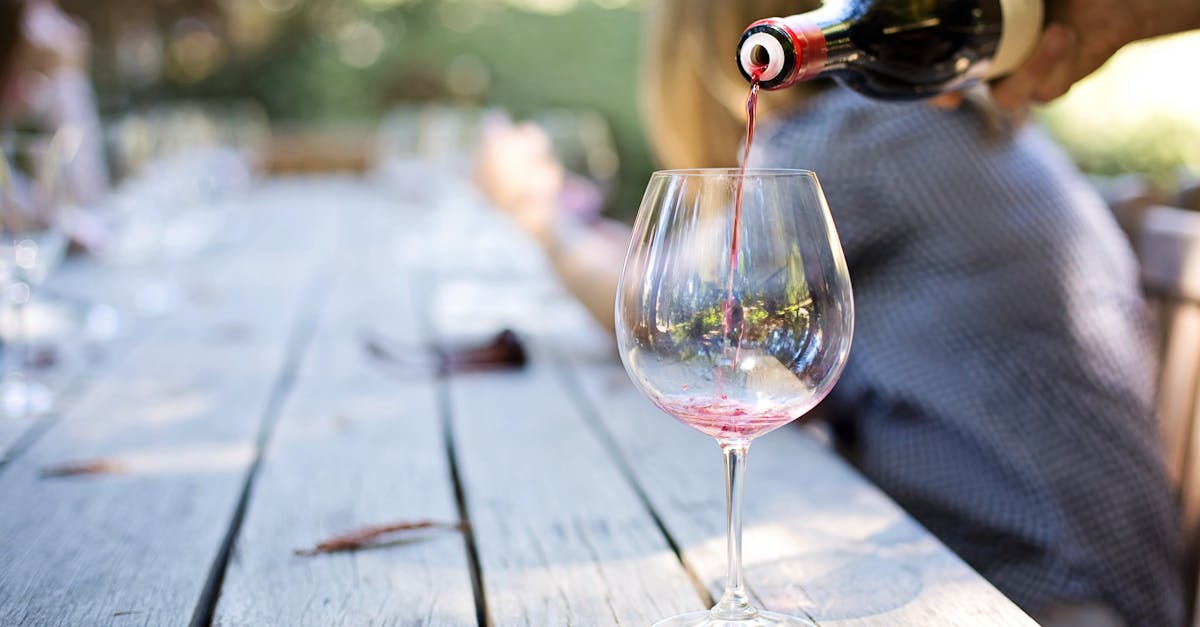
Because wine isn’t just about methods, but also about grape varieties, each color of Southwest wine is based on very specific grape varieties. These grape varieties tell their own story about the climate, the terroir, and the cultural history surrounding each vintage.
Southwest red wine draws its character from robust and indulgent grape varieties. Cabernet Franc, Merlot, and Tannat are often at the forefront, particularly in Madiran wines, where Tannat has reigned supreme for decades. It is this tannic grape variety that gives the wine its muscle and longevity. On estates like Château Montus, Tannat blends with other grape varieties to provide nuanced power and complexity. 🍷
In white wine, the palette is much broader and full of freshness. Sauvignon Blanc and Gros Manseng reign supreme at Domaine de la Châtaigneraie and Domaine du Tariquet, with their typical fruity and floral notes. Colombard is also a must-have in Southwestern whites, bringing that tangy kick that makes all the difference as an aperitif. These grape varieties produce lively white wines, perfect for pairing with seafood or salads. 🌿
Rosé, on the other hand, relies on lesser-known grape varieties, or at least not as “classic” as those used in great French red or white wines. Grenache, Cinsault, and Cabernet Sauvignon rosé are often used in Southwestern rosés. Don’t think of rosé as a blend of red and white wines: these are black grapes vinified differently. For wine lovers, Domaine de Puychenu and Vignerons de Tursan produce rosé wines that exude fruitiness and conviviality. 🍇 Reds: Tannat, Merlot, Cabernet Franc, Malbec
🍋 Whites: Sauvignon Blanc, Gros Manseng, Colombard, Mauzac
- 🌸 Rosés: Grenache, Cinsault, Cabernet Sauvignon (rosé vinification)
- Wine color
- Key grape varieties
| Dominant aromatic notes | Emblematic areas | Red wine | Tannat, Merlot, Cabernet Franc |
|---|---|---|---|
| Black fruits, spices, marked tannins | Château Montus, Château Caze, Domaine de Puychenu | White wine | Sauvignon Blanc, Gros Manseng, Colombard |
| Citrus fruits, white flowers, freshness | Domaine de l’Alliance, Domaine du Tariquet, Domaine de la Châtaigneraie | Rosé wine | Grenache, Cinsault, Cabernet Sauvignon (rosé) |
| Fresh red fruits, tangy, lightness | The Winegrowers of Tursan, Château d’Aydie | Want to learn more about grape varieties and their influence in the region? This site provides very clear insights, | perfect for understanding labels. |
Discover the fascinating world of wine: types, tastings, food and wine pairings, and tips for choosing your wines. Immerse yourself in wine culture and learn to appreciate every sip. What aromatic spectrum distinguishes red, white, and rosé wine from the Southwest?When you put your nose to a good glass, it’s the aromas that take center stage. Here too, the difference depends greatly on the production, the grape varieties, and also the terroir that infuses its mineral notes. In the Southwest, each wine is a true olfactory journey:
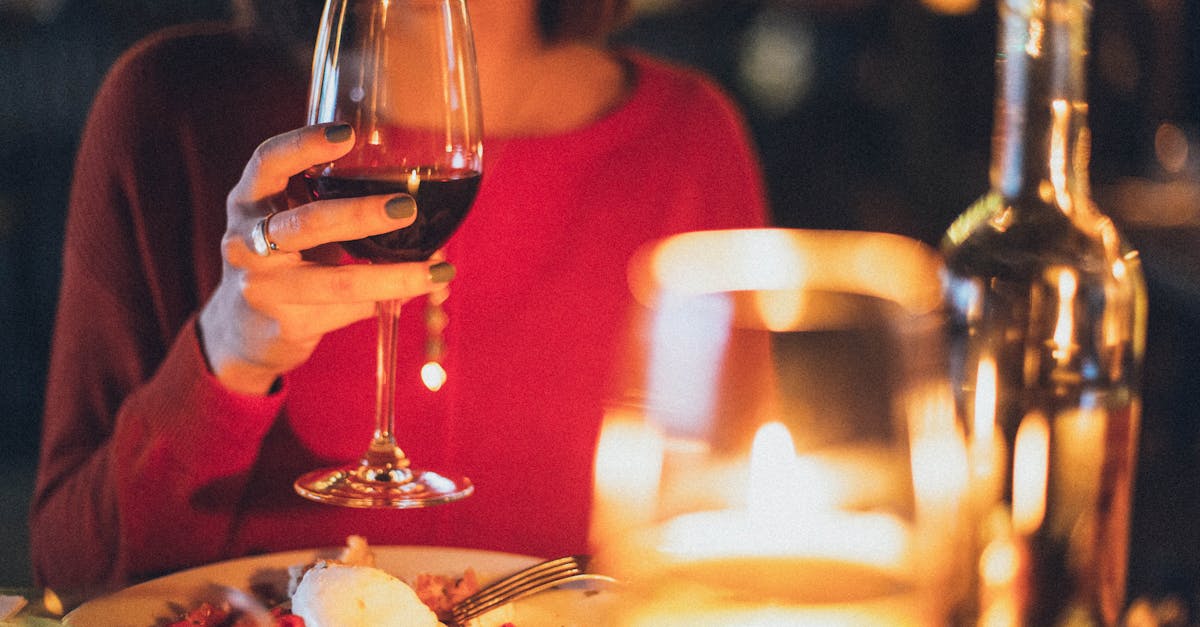
🍏 White wine: apple, pear, lemon, white flowers, sometimes a mineral or herbaceous touch
🍓 Rosé wine: strawberry, redcurrant, tangy citrus, floral nuances
- Château Montus, in particular, perfectly illustrates the aromatic richness of Tannat-based reds: their powerful tannins give way to black fruit flavors blended with a spicy punctuation that delights the palate. For their part, the whites from Domaine de l’Alliance often offer an explosion of citrus and white flowers, with the elegance typical of Southwest wines, very pleasant to serve as an aperitif or with fish. As for the rosés, they display a spectacular fruity freshness, ideal for light summer meals. Type of wine
- Dominant aromas
- Typical notes on the palate
Examples of food and wine pairings
| Red wine | Red and black fruits, spices, leather | Rough tannins, powerful, long aging | Red meat, game, mature cheeses |
|---|---|---|---|
| White wine | Citrus fruits, white flowers, minerality | Lively acidic, light to creamy texture | Fish, seafood, poultry, salads |
| Rosé wine | Fresh red fruits, citrus fruits, flowers | Balance between freshness and sweetness | Salads, grilled meats, Mediterranean cuisine |
| To perfect your knowledge of aromas, don’t hesitate to explore guided tastings like those offered by your local wine merchant or on specialized wine tasting websites. | https://www.youtube.com/watch?v=Dd84lyhWpE8 | How does color influence perception and food pairing in the Southwest? | The color of wine is the first thing that strikes the eye, but it’s far from trivial: it also influences how we perceive flavors and, above all, guides food pairings. In the Southwest, the marriage of wine and terroir is a matter of indulgence and respect for the product. |
Red wine, often tannic and full-bodied, demands to be paired with rich dishes. Pan-fried duck, dishes in sauce, or meat with character, such as those found with Madiran wines or Château Montus, is a guaranteed winning combination. The power of the wine complements the richness of the dishes without being overpowered. To hit the nail on the head: 🍖 Grilled or sauced red meats 🦌 Game 🧀 Mature cheeses like RoquefortWhite wines, on the other hand, bring freshness and lightness. Similar to the maritime flavors of Domaine de la Châtaigneraie or Domaine du Tariquet, they pair well with:
🐔 Poultry in a light sauce
🥗 Mixed salads
As for rosé, the star of sunny days for many wine lovers, it reigns supreme with simple, convivial dishes that make you want to extend the evening: grilled meats, Mediterranean cuisine, tapas, or aperitifs. 🍅 Mixed salads
- 🍖 Skewers and various grilled dishes
- 🌍 Spicy or hot world cuisine
- Wine color
Food and wine pairing ideas
- Typical occasions
- Red wine
- Red meats, game, strong cheeses
Heavy dinners, festive meals
- White wine
- Fish, seafood, light poultry
- Summer lunches, terrace aperitifs
| Rosé wine | Grills, salads, Mediterranean cuisine | Barbecues, aperitifs with friends, light meals |
|---|---|---|
| To prolong the pleasure, seek personalized advice from a wine merchant who will be able to guide you, or explore | here | for other pairing ideas in France. |
| Discover the fascinating world of wine: its varieties, its terroirs, and its food and wine pairings. Whether you’re an amateur or an expert, immerse yourself in the art of tasting and learn to appreciate every sip. | https://www.youtube.com/watch?v=ulRZkEqpZxA | Which Southwest wines should you choose for each color in 2025? |
| In 2025, the Southwest continues to seduce wine lovers thanks to an ever-more refined selection that balances tradition and modernity. Here are a few estates and appellations where each color fully expresses its potential, giving a well-deserved spotlight to these terroirs that are driving the French wine scene. For red wine, | the Madiran vintages still dominate, with estates like Château Montus and Château Caze maintaining their focus, masterfully combining intensity and finesse. Domaine de Puychenu is also a benchmark, producing elegant reds where Tannat and Merlot blend seamlessly. These wines are perfect for enjoying with characterful meals or cellaring. | For white wines, Domaine de l’Alliance and Domaine du Tariquet offer light yet characterful options. Their rich, fruity whites brighten up tables and pair well with both traditional and more modern dishes. Domaine de la Châtaigneraie remains a classic with its fresh and balanced whites. |
For rosé , Les Vignerons de Tursan or Château d’Aydie offer delicate, fresh vintages that are perfect for an aperitif or a summer meal with friends. Their rosé surprises with its beautiful, fresh and fruity expression, far from the sometimes reductive clichés about this color. A real ray of sunshine in a bottle for sunny days! ☀️ 🍷 Château Montus & Château Caze — powerful and memorable reds 🍇 Domaine de Puychenu — elegant and structured reds 🥂 Domaine de l’Alliance & Domaine du Tariquet — lively, fruity, and round whites
Color
Iconic Estates
Appellations / Typical Wines Style & Character
Red Château Montus, Château Caze, Domaine de Puychenu
Madiran, Pacherenc du Vic-Bilh (red)Powerful body, pronounced tannins, long finish
- White
- Domaine de l’Alliance, Domaine du Tariquet, Domaine la Châtaigneraie
- Pacherenc du Vic-Bilh (white), Côtes de Gascogne
- Fresh, fruity, acidity Balanced
- Rosé
| Les Vignerons de Tursan, Château d’Aydie | Rosés de Tursan, Irouléguy rosé | Light, fruity, perfect for aperitifs and summer meals | To find these gems and browse more wines, seek advice from a wine merchant |
|---|---|---|---|
| or shop online through | the best online wineries | . | FAQ on the distinctions between red, white, and rosé wines from the Southwest 🍷 |
| Can you make white wine from black grapes? | Yes! The juice from black grapes is generally clear. If pressed quickly and the skins removed before fermentation, you get a white wine, called “blanc de noirs.” | Is rosé wine a blend of red and white wine? | No, it’s black grapes vinified with a short maceration that give them the pink color. Blending red and white grapes is another method, rare in the Southwest. |
| Why is Tannat so important in the Southwest? | It’s a historic grape variety, particularly tannic, which lends power and good aging potential to Madiran reds, a strong symbol of the region. | Which wine should you choose for a summer barbecue? | Southwest rosé is perfect with grilled dishes and salads on sunny days thanks to its freshness and balance. |
How to store a Southwest white wine? Keep it cool between 8 and 12°C, away from light and temperature fluctuations to preserve its liveliness.