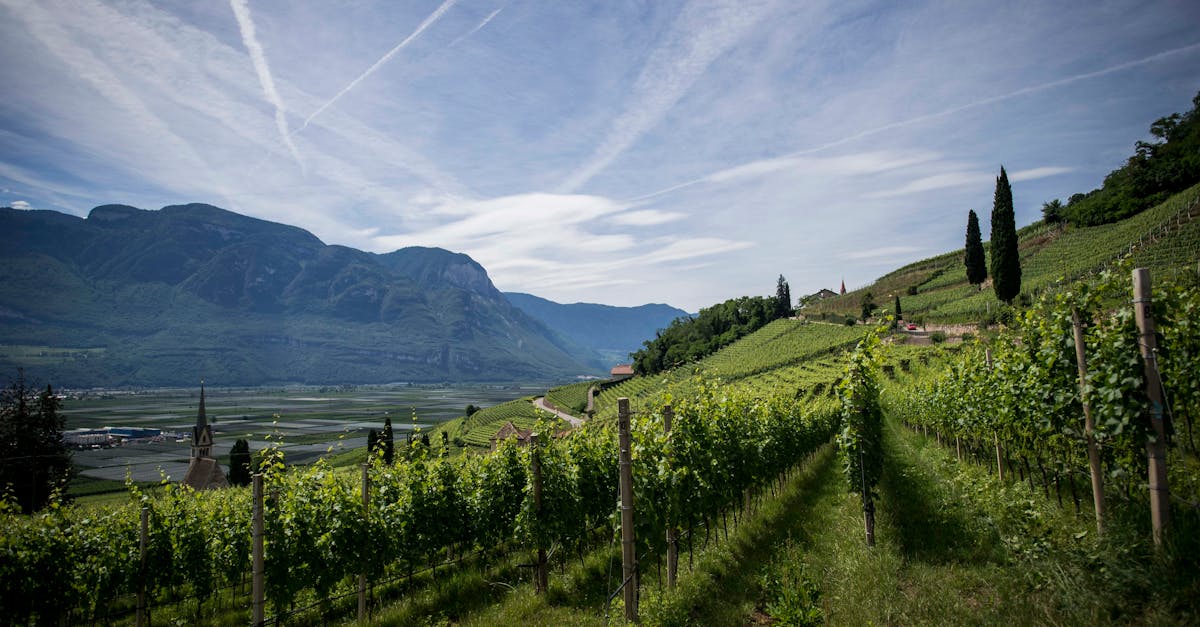
In the vast French wine world, the Southwest stands out as a unique land, a mosaic of terroirs where each vine tells a unique story. Between the Pyrenees mountains, the Dordogne and Lot rivers, and the plains bathed by the ocean’s influence, this region boasts an astonishing diversity of wines that attracts both discerning wine lovers and those seeking to discover authentic flavors. Here, the appellations take on colors, aromas, and atmospheres in tune with traditional grape varieties, as well as modern innovations that seduce contemporary palates.
At first glance, it’s a bit of a puzzle for the uninitiated: IGP, AOC, AOP, names of villages or terroirs—all these labels are promises of quality and authenticity that make you want to explore. Not forgetting a pinch of surprise, since the Southwest offers treasures that are not always well-known, but definitely worth exploring, such as the powerful wines of Madiran or the delicate whites of Jurançon. How can you navigate them all, and above all, how can you take full advantage of this rich palette? We’ve put together this clear, hassle-free guide to deciphering the appellations of Southwest wines, while also incorporating a dash of practical advice for managing your cellar, whether using specialized software or a well-designed app. A short journey to the heart of vineyards where tradition rhymes with innovation, sure to delight your eyes and, above all, your palate!
How can you decipher the appellations of the Southwest to better choose your wines?
The Southwest is a wine-growing region spanning over 48,000 hectares, making it the 5th largest wine-growing region in France, but also one of its most rural and authentic areas. Its territory, located between Bordeaux, the Pyrenees, Spain, and the Atlantic Ocean, is divided into four large sub-regions with distinct characters: Bergerac and the Dordogne, Garonne and Tarn, the Lot River, and the Pyrenees. Each has its own Protected Designation of Origin (PDO) and Protected Geographical Indication (PGI).
To get the right idea when browsing the shelves or planning your next wine purchase, it’s important to understand that these appellations aren’t just names: they reveal a terroir, a dominant grape variety, a history, and also a winemaking method. The label gives you the instructions, and a quick look behind it is often worth the detour to decipher the specifics.
The essential Protected Designations of Origin (PDO)
PDOs are the guardians of the strictest traditions regarding vine cultivation and winemaking. Among the flagships of the Southwest are:
- 🍷 Cahors : Famous for its powerful reds made from Malbec, locally called “Côt.” These wines often offer notes of plum, black fruits, and a pronounced tannic structure. Ideal to accompany a meat dish in sauce.
- 🍇 Madiran : With the gentle power of its reds dominated by Tannat, a grape variety renowned for its rich tannins. These wines age well, perfect for wine lovers who appreciate robust vintages.
- 🌼 Jurançon : A region of dry or sweet white wines, often with exotic aromas thanks to the Petit and Gros Manseng grape varieties. Sweet Jurançon is particularly appreciated as an aperitif or with desserts.
- 🌿 Bergerac : A neighbor of Bordeaux, it offers a wide range of red and white wines, both dry and sweet. The synergy between grape varieties such as Sauvignon, Sémillon, and Merlot creates a rich and accessible offering.
- 🍂 Buzet : In Tarn-et-Garonne, you’ll find red, white, and rosé wines that borrow from Bordeaux grape varieties but express a different terroir, often more generous in fruit.
- 🍯 Saussignac : Specializing in sweet fortified wines, it showcases a fruity nose and a rich palette that pairs brilliantly with foie gras and desserts.
- 🌺 Tursan : A lesser-known but robust appellation, with fruity reds and crisp whites that are well worth discovering.
- 🍃 Côtes de Gascogne : A vast IGP, perfect for lovers of refreshing, fruity, and floral white wines. A popular summer wine, it often offers excellent value for money with a light meal.
These appellations are often the trump card for wine professionals to ensure everyone’s agreement. They are sufficiently controlled to guarantee a minimum level of quality, while still offering enough latitude for each producer to put their own stamp on the label.
PGI, a breath of freedom to discover diversity
We’ve already talked about the freedom offered by the PGI label, not to be confused with its more rigid big brother, the AOP. In the Southwest, Protected Geographical Indications cover a wide geographical area and allow winemakers to experiment with more exotic or less traditional grape varieties, as well as to adopt more modern winemaking methods. For example:
- 🍓 PGI Côtes de Gascogne : known for its aromatic and easy-drinking white wines, as well as its lighter reds and rosés. 🌳
- IGP Pays de Brive : offers elegant reds and whites with a strong fruity and floral character, often highly representative of the terroir. 🍂
- IGP Ariège : offers a range of rich wines with spicy and red fruit aromas that are perfect for both relaxation and fine dining. 🌿
- IGP Tarn et Garonne : a vast area producing balanced and fruity red, white, and rosé wines, allowing you to diversify without breaking the bank. Thanks to these appellations, you can find wines made from rare and indigenous grape varieties, or taste more original blends that will be a change from the ordinary. For wine lovers, it’s the perfect surprise, often with wonderful discoveries to be made. 🍷 Appellation
🌿 Type of wine
| 🍇 Dominant grape varieties | 🌍 Region | Cahors | Red |
|---|---|---|---|
| Malbec (Côte) | Lot River | Madiran | Red |
| Tannat | Pyrenees | Jurançon | Dry and sweet white |
| Petit and Gros Manseng | Pyrenees | Bergerac | Red, White, Rosé |
| Merlot, Cabernet, Sauvignon | Bergerac/Dordogne | Buzet | Red, White, Rosé |
| Merlot, Cabernet, Sauvignon | Tarn-et-Garonne | Saussignac | Sweet wine |
| Semillon, Sauvignon, Muscadelle | Bergerac/Dordogne | Tursan | Red, White |
| Tannat, Baroque | Pyrenees | Côtes de Gascogne | White, Red, Rosé |
| Ugni Blanc, Colombard, Gamay | Garonne | Discover the wines of southwest France, a A region rich in terroirs and authentic flavors. Explore our selection of unique vintages, combining tradition and innovation, to satisfy all your wine-tasting desires. | Why does terroir make all the difference in Southwest wines? |

The result is mind-blowingly diverse. A white from Jurançon or Côtes de Gascogne will have a completely different personality than a tannic red from Madiran or Cahors. The Southwest is one of the rare regions where you’ll find the quintessence of highly aromatic white wines alongside the full-bodied, concentrated power of reds with a strong personality. This diversity is a real asset for wine merchants and wine lovers looking to enrich their cellars without getting bored.
Soils and Their Influence
Each sub-region contributes its own color thanks to the nature of its soils:
🌱
Clay-limestone
- : widespread in the Dordogne and Bergerac regions, they give wines a beautiful minerality and perfect balance. 🌾 Tawny sands
- : more prevalent in the Garonne and Tarn regions, they produce supple, fruity, and easily accessible wines. 🌵 Marl and schist: In the Pyrenees, they often provide a more pronounced tannic structure, ideal for red wines like Madiran.
- Climate: Between ocean and mountains The climate plays its part, with predominantly Atlantic influences, moderated by the proximity of the ocean, or Mediterranean influences in the Pyrenean foothills. The uniqueness of the Southwest is this mix, which allows for well-controlled grape ripening, sometimes avoiding excess alcohol or tannins. The Autan wind, for example, dries the air and sometimes protects the vines from disease, ensuring lasting quality. 🌍 Region 🌿 Soil Type
🌬️ Climate Influence
🍇 Key Grape Varieties
| Bergerac | Clay-Limestone | Oceanic | Merlot, Cabernet, Sauvignon, Sémillon |
|---|---|---|---|
| Tarn-et-Garonne | Tawny Sand | Mediterranean/Oceanic | Syrah, Merlot, Tannat, Gamay |
| Lot River (Cahors) | Marl, Limestone | Oceanic/Mediterranean | Malbec, Merlot, Tannat |
| Pyrenees | Clay, Schist | Mountainous | Tannat, Petit Manseng, Gros Manseng |
| This terroir’s complexity also explains why the same grape variety can produce a wine that’s quite different from that grown elsewhere, for example, in Burgundy or the Rhône Valley. This variability amplifies the interest of wine cellar managers, who can play the trump card to surprise with vintages with contrasting characters. | How to navigate these territories? | To find your way around, there’s nothing like embarking on a thematic tasting, targeting the great terroirs and their aromatic signatures. For example, the Minervois in the southwest is an example of a powerful terroir that rivals the southwest in terms of its diversity. Exploring the white and red wines from Bergerac to Buzet quickly reveals the nuance and incredible richness of the southwest. You can also, to perfect your food and wine pairing, consult a specialized website like vin-et-chocolat.fr. https://www.youtube.com/watch?v=_5ecLt7Hx5k | Discover the world of wines from the southwest of France, a region rich in terroirs and expertise. Explore a selection of unique grape varieties and renowned wineries, and savor authentic aromas. Perfect for wine lovers seeking new discoveries. |
Which grape varieties and aromatic characteristics dominate the appellations of the Southwest?
In this exceptional region, the range of grape varieties is quite broad, but some dominate to create this unique identity. The indigenous red and white varieties demonstrate a strong connection to the terroir, while others bring a breath of fresh air or welcome diversity.
The Red Stars of the Southwest 🍒 Malbec (Côt): Especially prized in Cahors, it produces dark, full-bodied wines with lively acidity and sometimes pronounced tannins. Perfect for aging. 🍇Cabernet Franc and Cabernet Sauvignon

Tannat
: A flagship grape variety of Madiran and the Pyrenees, it is the king of powerful wines, with rich tannins and spicy aromas, ideal for cellaring.
🍓
- Négrette : Rare and specific to certain appellations such as Fronton near Toulouse, it produces reds with a delicate floral and fruity profile. 🍒
- Fer Servadou and Duras : Found in regions such as Tarn and Gaillac, they produce wines with spicy fruitiness, often lighter and more supple. White grape varieties that make the difference 🍋
- Petit Manseng and Gros Manseng : Essential in Jurançon, they produce dry or sweet white wines with an exotic aromatic profile and beautiful freshness. 🍐
- Sauvignon Blanc : Found throughout the Southwest, it brings its herbaceous and spicy notes, highly appreciated in the Bergerac appellations. 🍏
- Muscadelle : Used to flavor sweet wines like Saussignac, it brings charming and delicate floral aromas. 🌾
Semillon
- : A minor but valuable grape variety, it adds richness and a pleasant roundness to the whites of Bergerac and Dordogne. 🍃 Ugni Blanc and Chenin Blanc
- : Secondary but supportive grape varieties in several PGIs, they help achieve balanced acidity. 🍇 Red Grape Varieties 🔍 Main Characteristics 🍃 White Grape Varieties
- 🔍 Main Characteristics Malbec (Côt) Marked tannins, black fruits, potential ampoule
- Petit Manseng Exotic aromas, balanced acidity Cabernet Franc
- Fruity, spices, elegant Gros Manseng Fruity, exotic, fresh
| Tannat | Tannic richness, spices, long aging | Sauvignon Blanc | Herbaceous, spicy, lively |
|---|---|---|---|
| Négrette | Floral, red fruits, light | Muscadelle | Floral, delicate |
| Fer Servadou | Spicy, light | Semillon | Rich, round |
| To have fun choosing among these grape varieties, nothing beats a good tasting. And if you also want to try wines from other nearby French terroirs, specialties like rosé wines from the Rhône Valley or Sancerre wines also offer their share of discoveries. This helps you compare and better understand the specificities of the Southwest. | https://www.youtube.com/watch?v=aheWjs5_JyM | Lesser-known but not-to-be-missed appellations in the Southwest | While we often think of famous names like Cahors, Madiran, or Jurançon, the Southwest also hides lesser-known appellations that nevertheless have a lot to offer, especially when you like to explore without hassle. These wines may not make the front page of magazines, but they are well worth the detour. |
| 🍃 | Lavilledieu: known for its fruity and balanced wines, perfect for expanding your cellar without breaking the bank. 🌾 | Corrèze | : Rich, sunny wines with rich, spicy aromas that pair well with traditional Southwestern dishes. |
| 🍷 | Saint-Sardos | : Primarily red, this Syrah and Tannat-based wine brings authenticity and character. | 🍓 |
Coteaux et Terrasses de Montauban : Elegant red and white wines, renowned for their aromatic diversity. 🍇 Côtes du Tarn : Combining finesse and balance, these wines are a wonderful introduction to the reds of the Southwest.
🍷 Appellation
🍇 Main grape varieties
- 🌟 Special features 🏞 Region Lavilledieu
- Merlot, Cabernet Franc Fruity and balanced wines Garonne
- Corrèze Syrah, Merlot Aromatic richness, sunshine
- Garonne Saint-Sardos Syrah, Tannat
- Powerful red wines Garonne Coteaux et Terrasses de Montauban
Merlot, Sauvignon Aromatic diversity Tarn-et-Garonne Côtes du TarnSyrah, Cabernet
| Finesse, balance | Tarn | Discover Basque and Languedoc wines: a unique sensory experience with rich aromas and varied terroirs. Explore our selection of wines from the southwest and savor the authenticity of French winemaking. | How to use software or an app to manage the richness of Southwest wines? |
|---|---|---|---|
| With the multitude of appellations and the variety of grape varieties, managing your Southwest wine cellar can quickly become a real headache if you don’t do it right. But don’t panic, technological advances now offer simple and effective solutions to help you navigate this winemaking jungle. | The benefits of wine cellar management software | 📱 Simplified organization: Easily manage bottle arrivals and departures, tasting dates, and personal notes. | 🍽️ Wine and food pairing tips: Some apps include a database to inspire you with typical Southwestern pairings, such as cassoulet with a tannic Madiran or a sweet white Jurançon with foie gras. |
| 🔍 Easy search: Quickly find wines by appellation, grape variety, or geographic region, without tearing your hair out. | 📊 Valuation tracking: Keep an eye on the value of your collection, especially rare bottles that appreciate in value. Practical and accessible mobile apps | In this digital age, you have access to mobile apps that follow you everywhere, directly to the aisle or to friends’ houses. Some popular options include: | 🌟 Label scanning with instant suggestions |
| 💬 Access to taster reviews and communities of enthusiasts | ⏰ Alerts on the best tasting periods | 📚 Detailed information on each appellation, region, and grape variety, for hassle-free learning | To learn more about prestigious wines from other regions and better compare, taking a look at |
| Sauternes wines | is also a good idea. These tools, combined with a well-maintained cellar, allow you to fully express your passion and make a great impression when you invite guests around the table. | FAQ: Everything you need to know about the appellations of Southwest wines 🍷 | What is the difference between AOP and IGP in the Southwest? |
| AOPs correspond to appellations with strict rules regarding expertise and grape varieties, while IGPs offer more freedom to producers by covering a wider geographical area and allowing for diversification of grape varieties and methods. | Which Southwest wines would pair well with cassoulet? A tannic Madiran or a Buzet red are perfect for cassoulet, thanks to their powerful structure and aromatic richness that support the dish’s density. | Why are Jurançon wines renowned? | They offer a beautiful range of dry and sweet whites, with exotic aromas and a unique freshness thanks to the Petit and Gros Manseng grape varieties, ideal as an aperitif or with desserts. |
Yes, for example, Négrette and Fer Servadou in appellations like Fronton and Gaillac offer more supple and fruity reds.
What tools can help manage a cellar dedicated to Southwest wines?