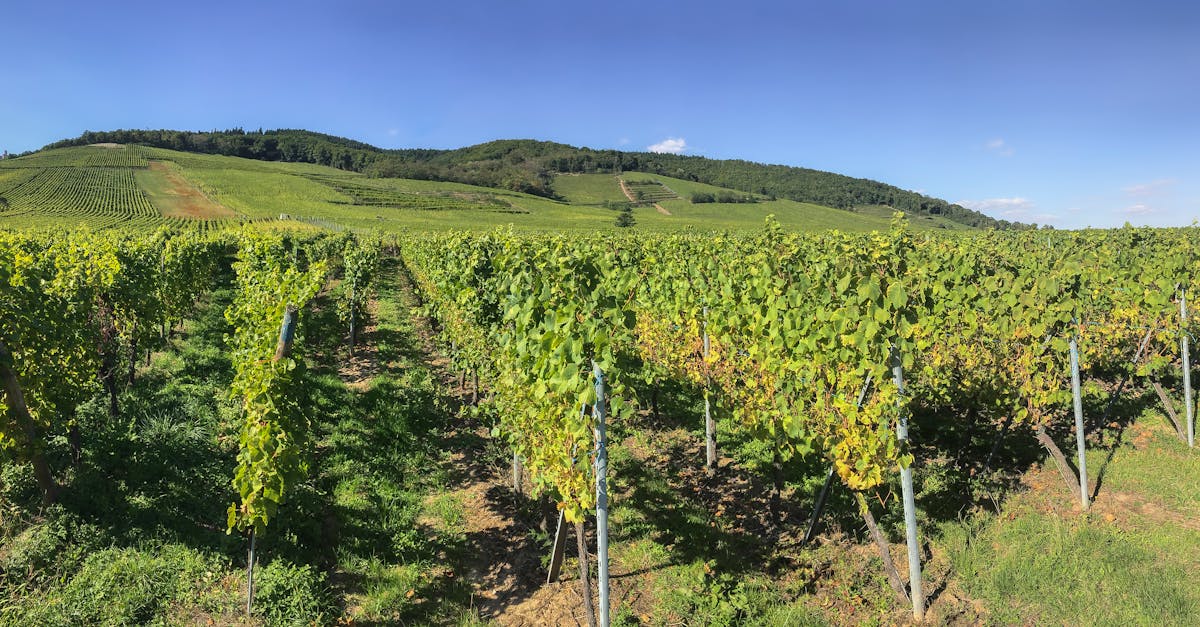
In the heart of Alsace, a vibrant and charming region, wine stands out as a treasure that’s both authentic and versatile. This part of France is known for its breathtaking landscapes, between gently sloping vineyards and verdant forests. But what really attracts oenophiles is the vast array of flavors its white wines offer. Here, legendary wineries like the Caves du Roi Dagobert or renowned estates such as Domaine Schlumberger and Domaine Zind-Humbrecht produce nectars that delight both novices and experts. It’s not just a matter of terroir, but also of diversity, authenticity, and expertise. You’re probably wondering what makes these Alsace wines a unique choice? We’ll take you on a journey through their grape varieties, their geological characteristics, their food pairings, and even a few little secrets that make them ideal dining companions. The perfect marriage of finesse and character is revealed without pretension, yet with a touch of genius. Complexity and aromatic richness are not just a marketing slogan in Alsace but a tangible reality in every sip. Whether tasting a lively and mineral Riesling from Domaine Trapet, an expressive Gewurztraminer from the renowned Domaine Marcel Deiss, or a sparkling Crémant d’Alsace from Cave de Ribeauvillé, each bottle tells a story of passion and tradition revisited with a contemporary twist. And for those who want to vary their pleasures, estates like Domaine Guy Wach and Domaine Ostertag offer innovative vintages, where tradition intertwines with modernity. But Alsace wine is also a true ally of conviviality and dining. Its aromatic palette allows it to pair with a wide variety of dishes, from traditional sauerkraut to spicy Thai dishes. If you’re eager to learn more about these specific qualities and why these wines deserve a special place in your wine cellar, buckle up. Through this guide, you’ll discover the nuances hidden behind each glass, the appellations not to be missed, and how each vintage plays the role of a wild card, making you shine at the table without stress. Let’s go, let’s uncover all the assets of Alsace wine! What are the emblematic grape varieties of Alsace wines that make all the difference? 🍇 Alsace wine is first and foremost a bouquet of grape varieties that express themselves with a rare singularity. We’re talking mostly about white wines, sometimes with a hint of rosé. The six main grape varieties form the backbone of regional wines, each bringing a distinctive style and intensity: 🍏 Riesling
: The undisputed king. Its dry, mineral wines are perfect for pleasing a wide range of palates, offering beautiful acidity and a purity that hits the mark, especially with seafood. 🍐Pinot Blanc : Supple and delicate, with lovely notes of peach and pear. An easy choice to pair with poultry or fish dishes.🍑 Pinot Gris: Fuller-bodied, it displays aromatic complexity, enhanced with hints of smoke or ripe fruit, perfect for game or terrines. 🌸 Gewurztraminer : The star grape variety for aromas. Its aromas of rose, spice, and lychee make it an ideal partner for Asian cuisine or strong cheeses. 🍋 Sylvaner
: Lighter and livelier, it pairs perfectly with simple dishes like charcuterie or fish.
🍇
Muscat
- : A less common but valuable grape variety, especially for grands crus where it reveals its fresh and floral aromas. These grape varieties are the key to understanding the versatility of Alsace wine. They cover a wide range of taste sensations, from dry and lively wines to sweeter or even sweet styles. Each estate will play on these grape varieties with a subtle touch of originality. A tasting at Domaine Guy Wach or Domaine Albert Mann will give you a firsthand look at this diversity. Here is a table summarizing the main characteristics of Alsace grape varieties: 🍷 Grape Variety
- Dominant Aromas Wine Styles Food Pairings 🍽️
- Riesling Citrus, flint, white flowers Dry, lively, mineral
- Seafood, poultry, sauerkraut Pinot Blanc Peach, pear, white flowers
- Dry, light, fruity Fish, poultry, salads Pinot Gris
- Ripe fruit, mild spices, smoky Dry to sweet, full-bodied Game, terrines, rich dishes
Gewurztraminer Rose, lychee, spices Sweet to dry, very aromatic Asian cuisine, strong cheeses Sylvaner
White fruits, fresh herbs
| Dry, lively, light | Charcuterie, light fish | Muscat | Flowers, fresh fruit |
|---|---|---|---|
| Dry or sweet | Aperitif, large Crus | These grape varieties are also the foundation of the famous grands crus, these exceptional terroirs recognized nationally and internationally. With 51 sites classified as AOC Alsace Grand Cru, it’s an invitation to discover the flavors, among which Domaine Zind-Humbrecht and Domaine Marcel Deiss stand out. | Discover the exceptional wines of Alsace, a region renowned for its unique grape varieties and picturesque landscapes. Explore the art of Alsatian viticulture, from tastings of Gewurztraminer to dry whites, and let yourself be seduced by the richness and diversity of aromas. |
| How do the terroirs and climate enhance the qualities of Alsace wine? 🌿 | Alsace isn’t just a wine-growing region; it’s a veritable patchwork of soils and microclimates. And that makes a huge difference to the quality and personality of the wines! | The secret lies, first and foremost, in its geological diversity. In this region, you’ll find: | 🧱 Granitic soils |
| 🪨 Limestone soils | 🌋 Volcanic soils | 🌾 And even clay-limestone soils that add character | For example, Riesling from high-quality granite soil will develop a lively tension, while one from richer limestone will be a little rounder and more rounded. The presence of the Vosges Mountains just behind the vineyard also acts as a shield against rain from the west and creates a drier, sunnier climate, ideal for grape ripening. This geographical location produces generally dry wines with a nice acidity that balances the fruity aromas. Here are the main benefits of this unique terroir: |
| 🌞 | Temperate continental climate | with warm, sunny summers, perfect for grape ripening. | ❄️ Cold winters that aid vine dormancy, a vital factor for a good harvest. |
| 💧 Low rainfall thanks to the shelter of the Vosges mountains, reducing the risk of disease. | 🧭 A mosaic of rich and varied soils that offers a wide range of wines with nuanced profiles. | This subtle blend of geology and climate explains why estates like | Domaine Ostertag |
| or | Caveau de la Bière | manage to produce wines that are simultaneously elegant, fresh, and powerful, depending on the vintage. The table below lists the major soil types and their impact on the main grape varieties: | 🌎 Soil Type |
Characteristics Impact on WineGrape Varieties Affected Granite Free-draining, low in nutrients Lively, mineral, taut wines Riesling, Pinot Gris
Rich, alkaline
Round, artistic, fruity wines
Riesling, Pinot Blanc, Gewurztraminer
- Clay-limestone
- Fertile, retains water well
- Powerful, full-bodied wines
- Pinot Gris, Gewürztraminer
Volcanic
Poor, very draining
- Complex aromas, spices, minerals Riesling, Gewürztraminer https://www.youtube.com/watch?v=o71SCzn2Y48
- What appellations and classifications make Alsace wines famous? 📜
- Not everyone is necessarily aware that Alsace wine cannot be reduced to just one label. The region displays a rich mosaic of appellations which guarantee quality, typicality, and sometimes even a touch of prestige. To play in the big leagues, it is better to understand what these acronyms and names that cover the labels cover.
- The main names are:
🏷️ AOC Alsace : This is the base that covers the majority of wines produced in the region. There are both selections of classic grape varieties and more accessible wines. 🏅 AOC Alsace Grand Cru
: This label is reserved for the 51 localities recognized for the exceptional quality of their terroirs. The grape varieties authorized here are limited to Riesling, Gewurztraminer, Pinot Gris and Muscat, just to preserve prestige.
| 🍾 | Crémant d’Alsace | : The sparkling wine that makes your aperitifs and parties sparkle. Made using the traditional method, it often rivals the best champagnes at a lower price. | 🍇 |
|---|---|---|---|
| Late Harvest (VT) | : Sweet wines from selective harvests, concentrated in natural sugars. Perfect to enjoy as a dessert to impress without the hassle. | 🌟 | Selection of Noble Grains (SGN) |
| : These are the rarest and most precious wines, made from botrytized grapes. A real gem for amateurs. | Respecting these names ensures that the product you have in your hands corresponds to ancestral know-how. Areas like | Domaine Marcel Deiss | or the |
| Domaine Zind-Humbrecht | are renowned for exploiting these terroirs brilliantly, offering you tangible proof that quality is king here. | A short list of must-visit wineries by appellation: | 🛡️ |
| Grands Crus | : Domaine Zind-Humbrecht, Domaine Marcel Deiss, Domaine Ostertag | 🎉 | Crémants |
🔥
Vendanges Tardives and SGN
: Domaine Guy Wach, Domaine Albert Mann
- These distinctions also help you better navigate when it comes time to buy. If you’re unsure, playing the joker card with a Crémant d’Alsace, for example, through an online discovery in a winery like this shop, can be a smooth introduction. The following table summarizes these appellations and their main characteristics: 🎯 Appellation Type of wine
- Authorized grape varieties Main characteristics Ideal for
- AOC Alsace Dry white All grape varieties
- Variety and accessibility Aperitif, everyday meals AOC Alsace Grand Cru
- Dry white, sometimes sweet Riesling, Gewurztraminer, Pinot Gris, Muscat Typical expression of the terroir
Tasting, collection Crémant d’Alsace Sparkling wine Miscellaneous Traditional method
Celebrations
- Vendanges Tardives (VT) Sweet, sweet Careful selection
- Rich sweet aromas Desserts, aperitifs SGN
- Very rare sweet wine Botrytized grapes Intensity and rarity
Collection, luxury Discover the wines of Alsace, a wine-growing region renowned for its aromatic grape varieties and its picturesque landscapes. Browse our information on the different types of wine, winemaking techniques, and the best wineries to visit, all while savoring the unique flavors of this beautiful French province. What are the best food and wine pairings with an Alsace wine? 🍽️
One of the strengths of Alsace wines is their ability to complement so many dishes, each bringing nuances that dazzle the taste buds. Instead of making things complicated, we’ve put together a simple guide to help you get it right without any hassle:
| 🦐 | Riesling | : With seafood, grilled fish, and even the famous Alsatian sauerkraut. It works well with mineral notes that counterbalance the fat and raw flavor of the dishes. | 🌶️ | Gewurztraminer |
|---|---|---|---|---|
| : Pair it with slightly spicy dishes like Thai or Indian specialties, as well as strong cheeses like Munster. A striking combination rich in contrasts. | 🦆 | Pinot Gris | : Perfect with heartier dishes, like terrines, foie gras, or even game. Its smoky and fruity notes complement these dishes wonderfully. | 🍗 |
| Pinot Blanc | : Simple and elegant, it pairs well with white meats, fish, and even fresh salads for lighter days. 🥓 | Sylvaner | : Ideal with charcuterie, salads, or light dishes, it plays on suppleness with its fresh and subtle flavors. | 🍰 |
| Vendanges Tardives | : Best served with dessert, especially with foie gras or blue cheeses. It’s a delicious invitation to extend the tasting experience. | A good tip? Don’t hesitate to experiment with different combinations depending on your tastes and the wine’s origin. Some wine lovers, for example, enjoy Crémant d’Alsace, produced by Domaine Trapet or Caveau de la Bière, as an aperitif or with a seafood platter. It’s a festive and safe option that always dazzles, especially if you’re looking for a quality sparkling wine. To give you a more complete idea, here’s an easy-to-follow pairing chart: | 🍷 Alsace Wine | Recommended Dish |
| Pairing Style | Tasting Tip | Riesling | Seafood, sauerkraut, fish | Tart contrast |
| Serve chilled (8-10°C) | Gewurztraminer | Asian cuisine, strong cheeses | Intensity Pairing | Light chilled (10-12°C) |
Game, terrines, foie gras
Harmonious Pairing
- Slightly warmer (12-14°C) Pinot Blanc Poultry, salads, fish
- Easy Pairing Chilled (8-10°C) Sylvaner
- Charcuterie, salads Light pairing Very chilled (6-8°C)
- Late Harvest Foie gras, blue cheeses, desserts Sweet and savory pairing
- Room temperature or slightly chilled https://www.youtube.com/watch?v=4efEP482bF0 Why is aging a major asset for Alsace wines? ⏳
- We often think of white wines as wines to be drunk young. This is true to a certain extent, but Alsace offers a different interpretation, particularly thanks to the nature of its wines and their composition. Indeed, Alsace wine, particularly grape varieties like Riesling, Pinot Gris, or Gewurztraminer, can improve with age and reveal unexpected aromas. We’re not talking just a few months, but several years, even decades. Some Alsace Grands Crus have the incredible ability to stay in a cellar for nearly 10 years, sometimes longer. Late Harvests and the Sélection de Grains Nobles can age for up to 50 years, which is exceptional. Here are some key points that explain this advantage:
🧊 High Acidity : This acidity preserves freshness and allows for a beautiful aromatic development without losing liveliness. 🍬Sugar Concentration
(for VT and SGN) encourages slow and noble aging, resulting in that famous complexity.
| 🏞️ | Expression of Terroir | : Aging gradually reveals mineral aromas and nuances related to the soil and microclimates. | 🍯 |
|---|---|---|---|
| Evolving Notes | : Over time, aromas of honey, sweet spices, and dried fruits can be savored that are not present in young wine. This aging potential, combined with the quality and expertise of iconic estates such as Domaine Marcel Deiss and Domaine Zind-Humbrecht | , makes Alsace wine a true investment in taste. Plus, it’s a smart way to ensure a wine that tells a unique story over the years. To get started, a young wine is a safe bet, but try cellaring it: it changes everything! This isn’t the case for many other regions, so you might as well take advantage of it. Here is a table illustrating the aging potential of wine categories: | 🍾 Type of wine |
| Recommended aging duration | Evolving characteristics | Examples of wineries | Dry Riesling |
| 5 to 10 years | Development towards mineral and floral notes | Domaine Marcel Deiss, Domaine Ostertag | Pinot Gris |
| 5 to 8 years | Aromas of dried fruits and spices | Domaine Zind-Humbrecht, Domaine Guy Wach | Gewurztraminer |
| 3 to 7 years | Development of aromas of exotic fruits and spices | Domaine Albert Mann, Domaine Trapet | Vendanges Tardives / SGN |
| 10 to 50 years | High aromatic complexity, notes of honey | Domaine Guy Wach, Domaine Marcel Deiss | Crémant d’Alsace |
Optimal sparkle and freshness
Cave de Ribeauvillé, Domaine Trapet
Frequently asked questions about the benefits of Alsace wine ❓
Q: Which grape variety should you choose for your first taste of Alsace wine?
- A: Riesling is an excellent entry point, thanks to its freshness and versatility. It represents the Alsatian style well. Q: Which Alsace wines are suitable for a festive meal? A: Crémant d’Alsace to start, followed by a Grand Cru, or a Vendanges Tardives for dessert is a combination everyone agrees on.
- Q: Can you keep an Alsace wine for a long time? A: Absolutely, especially the Grands Crus, Vendanges Tardives, and SGN. They can gain complexity over several years. Q: Where can you buy quality Alsace wines without making a mistake?
- A: The Caves du Roi Dagobert or online via specialized sites such as
- vin-et-chocolat.fr offer a reliable and affordable selection. Q: How do you pair Gewurztraminer with food?
A: It pairs wonderfully with spicy dishes, especially Asian flavors, and soft and strong cheeses like Munster.