A rapidly changing market dynamic for affordable French wines
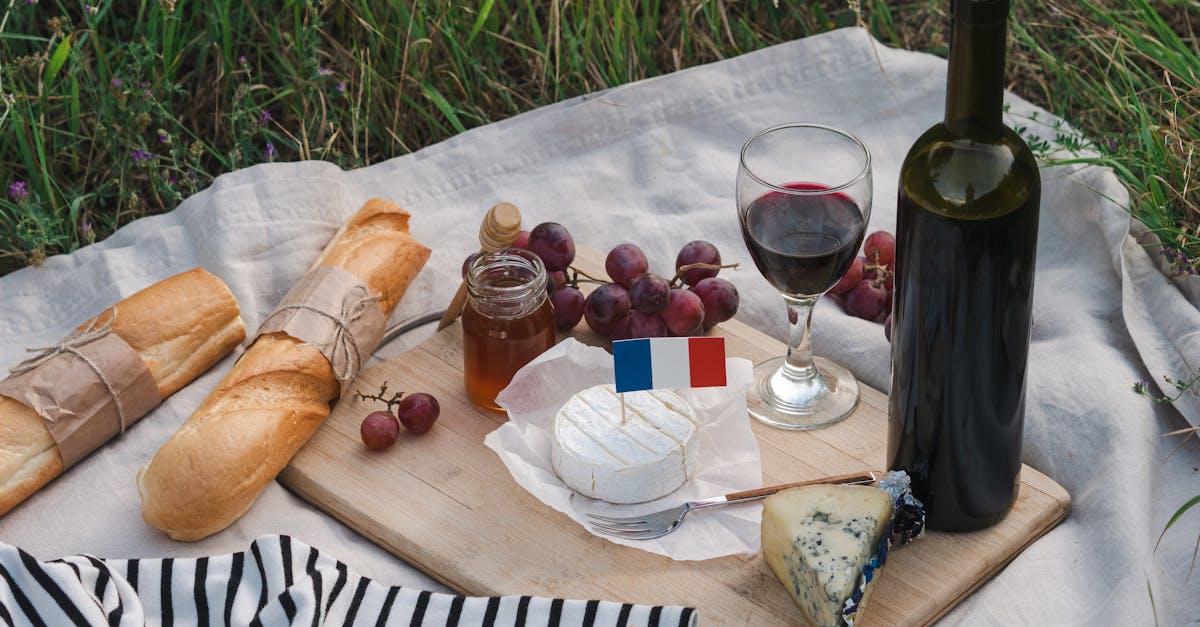
In 2025, the French wine market is experiencing an unexpected resurgence, driven by a significant increase in sales, particularly in the affordable price range, between €10 and €50. After several years of uncertainty and volatility, this segment demonstrates that the future of French wine is not limited solely to prestigious grands crus, but also depends on the ability to offer promising vintages at reasonable prices. The rise of these wines, often still under the radar of major collectors, intrigues enthusiasts and astute investors alike. This renewed interest is accompanied by an increasingly international market, where France must compete with global competition by promoting its lesser-known but equally promising terroirs. A succession of geopolitical events, changing consumption habits, and the upmarket development of previously modest regions are playing key roles in this trend. A veritable revolution is underway, with local producers and authentic estates seeing their stocks sell out at breakneck speed, attracting all types of buyers. The context seems favorable, but one question remains: how can we explain this unexpected explosion in a context traditionally marked by high prices and a certain market rigidity?
The key factors behind the emergence of affordable wines with promising prospects
Several factors explain this rare dynamic in the wine market in 2025. First, the profound restructuring of French wine regions has enabled the development of lesser-known but potentially rich appellations. Consumers, increasingly sensitive to price-quality ratios, are turning to these wines, which offer an authenticity that is often far removed from classic standards, but just as captivating. The desire of many small producers to be more economical in the face of global competition is fostering practices that, while remaining respectful of their terroir, contribute to reducing production costs. It is also important to highlight the impact of digitalization and online auction platforms, such as iDealwine, which are playing a crucial role in democratizing the market. Thanks to these tools, still little-known estates, such as certain winemakers in Languedoc or Côtes du Rhône, are seeing their production valued higher, often below €50, but with clear prospects for future appreciation. Environmental awareness and comparative costs associated with sustainable viticulture also help increase the competitiveness of these wines. The increase in French wine exports, despite a complex global context, also contributes to the discovery of these vintages, sometimes from vineyards experiencing a renaissance. Ultimately, this movement reflects a market shift in which innovation, tradition, and transparency are becoming the new keys to success.
Key Factor
| Description | Impact | Digitalization of sales |
|---|---|---|
| Use of online platforms to promote affordable wines | Increased sales and better visibility for small producers | Revaluation of lesser-known terroirs |
| Discovery of lesser-known but promising vineyards | Expansion of the offering and market diversification | Sustainable and ecological practices |
| Environmentally friendly viticulture with controlled costs | Strengthened competitiveness and ethical positioning | Moving upmarket in exports |
| Promoting wines from less renowned regions abroad | Increased international sales and future value | French regions in full swing: gems for the future |
In this evolution of affordable wines, Burgundy is proving to be a true driving force for innovation. While the famous Romanée-Conti remains inaccessible to the majority, other less prestigious regions, such as Beaujolais or Mâconnais, now offer wines priced under €20, but with remarkable aging potential and expression. Burgundy, with its still modest but rapidly growing estates, is seeing its heritage showcased through vintages that are beginning to attract the interest of collectors around the world. This phenomenon is accentuated by the rise of Alternative Burgundy wines, often from small family farms, which mark a break with the image of inaccessible luxury.
Further south, Languedoc wines are also gaining ground, their value for money now unbeatable. Producers such as Château La Fleur and Domaine Ferret exploit diverse terroirs, offering characterful, often original wines at attractive prices. The region, once considered a mass-production zone, is now moving towards high-quality viticulture, capable of competing with older regions. Bordeaux wines, particularly those from small estates, are also beginning to embrace this dynamic thanks to their exceptional value for money, especially in the €10 to €30 range. The growing reputation of Côtes du Rhône wines, and even certain wines from Château d’Esclans, demonstrates a desire to diversify the offering and attract a younger, more international clientele. The combination of these efforts and trends confirms that France still has many assets to promote its affordable wines in a global context where quality no longer means only high prices. Discover the elegance and diversity of French wines. Explore our selection of the finest vintages, from Bordeaux must-haves to Burgundy’s hidden gems. Get tips to delight your senses with every sip.
Enhancement strategies: a booming tourism and investment market
Strategic Objective
Description
| Expected Outcome | Development of wine tourism | Innovation in winery reception and tours, particularly in lesser-known regions |
|---|---|---|
| Increased attendance and regional awareness | Ethical positioning | Promotion of sustainably sourced wines |
| Attracting an engaged and conscious clientele | Auction market and investments | Promotion of accessible wines with potential for appreciation |
| Sustainability and growth of the secondary market | Promotion of lesser-known terroirs | Promotion of lesser-known but potentially rich vineyards |
| Rising Prices and International Recognition | Future Challenges and Outlook for Affordable French Wines | Faced with this dynamic, considerable challenges are emerging for the French wine industry. The first concerns the need to maintain quality in a context of exploding demand. Diversifying terroirs helps meet this demand, but also requires increased vigilance to preserve the distinctive character of each wine. Moving upmarket must be accompanied by rigorous adherence to sustainable practices, particularly in the fight against climate change, which is disrupting winemaking cycles. The need to remain competitive while maintaining a strong sense of authenticity also drives technological innovation, whether in viticulture or oenology. At the same time, France must position itself against growing competition from foreign wines, particularly those from Southeast Asia and South America, which also offer competitively priced wines. Preserving the French label, synonymous with quality, remains a strategic priority that market players must continue to defend. Discover the world of French wines, from the richness of the terroirs to the iconic grape varieties. Explore the wine regions and learn how to choose the perfect wine for every occasion. |
Frequently Asked Questions (FAQ)
Q: Why do some affordable wines have so much long-term potential?
Q: Which regions offer the best opportunities to invest in these wines?
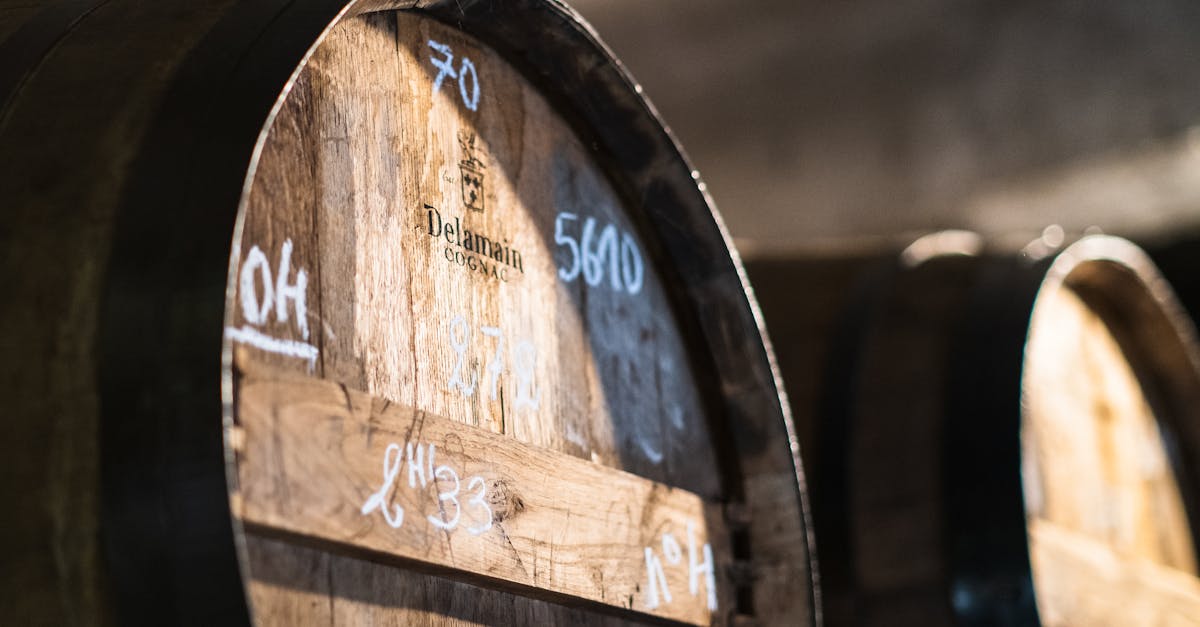
- A: Burgundy, Languedoc, Côtes du Rhône, as well as certain emerging Bordeaux vineyards, are particularly attractive for their growth prospects.
Q: How does digitalization influence the affordable wine market? - A: It allows for greater visibility, increased transparency, and facilitates the auction of rare or unreleased vintages, even for small, little-known producers.
Q: How can you spot a promising wine in the under-50-euro range? - A: By focusing on provenance, the estate, market trends, and by following expert analyses via specialized platforms.
Source: - avis-vin.lefigaro.fr