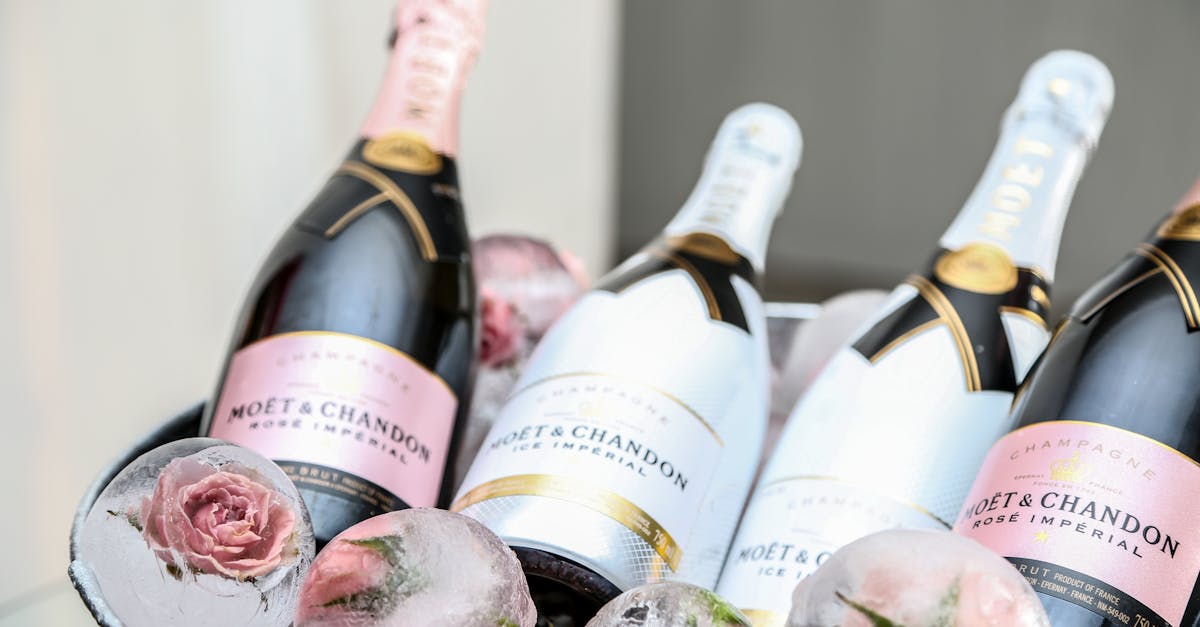
Champagne continues to shine on the world stage in 2025, with a range of vintages that captivate both connoisseurs and novices. Each house unveils unique expertise and iconic vintages that tell a story tinged with excellence and innovation. The Champagne region is not only a mecca for celebration, but a territory where nature and winemaking tradition blend to create incomparable taste experiences. This year, the Champagne scene unveils prestigious houses like Louis Roederer, which steps forward for its sixth consecutive recognition, championing a sustainable approach combined with the impeccable quality of its cuvées. Competition remains fierce, with Krug, Bollinger, and other big names competing for the podium, bringing their own exceptional touch. Wine lovers have reason to rejoice with vintages that adapt to contemporary sensibilities, between organic champagnes, rosés, and vintages of rare finesse. Discovering the emblematic crus of Champagne is to dive into a multifaceted universe, combining terroir, rigorous grape selection, and masterful vinification. We’ve put together this guide to demystify the 2025 trends, highlight these eye-catching vintages, and above all, to help you choose a champagne capable of enhancing every moment without any hassle. Whether you’re looking for a classic Brut, a Blanc de Blancs, or a Rosé, the choice is richer than ever.
In this great collection of information, each renowned house, from Dom Pérignon to Veuve Clicquot, offers unique interpretations that deserve our attention. Observing these vintages, understanding their qualities and the impact of their production thus becomes an invitation to a tasting that is both fascinating and accessible. The road promises to be sparkling, so, hats off, let’s prepare to raise our glasses to these sparkling gems and explore the Champagne wines that are causing a stir this year.
Louis Roederer and ecological commitment: the place of honor for sustainable vintages
Louis Roederer didn’t come here to reign by chance. In 2025, this house, founded in 1776, marks its sixth consecutive year as the world’s most admired champagne according to Drinks International. This success is explained by a clever balance between tradition and innovation, particularly in an approach aimed at preserving nature, a challenge reflected as much in the vineyard as in the cellar. Jean-Baptiste Lecaillon, the cellar master, sums up this ambition well: “In the 21st century, the fight is for Nature.” This fight takes shape in biodynamic practices and sustainable vineyard management, an asset that is highly prized today.
Specifically, the estate focuses on:
🌿 Enhanced biodiversity around the plots to protect the ecosystem.
- ♻️ Minimal work in the cellar to allow the terroir to express itself naturally, with very little intervention.
- 🌱 Drastically reducing the use of pesticides and using natural methods to combat pests.
- 🍇 Strict manual harvesting to retain only the best grapes.
- In terms of taste, these efforts are expressed in balanced, fresh wines with impressive aromatic purity. The most emblematic is of course the Cristal, a prestigious vintage which embodies the perfect marriage between finesse and power. It is an intense experience, with mineral and floral notes that evoke the complexity of the Champagne terroirs.
The house is not content to just skate on its achievements. It also innovates by producing organic champagnes and optimizing its bottling chain to reduce its carbon footprint, thus offering a virtuous model in a market often singled out for its environmental impact.
Feature 🌟
| Description | Environmental impact 🍃 | Biodiversity |
|---|---|---|
| Hedges, flowered fallows and host plants to encourage natural auxiliaries | Natural reduction of chemical treatments | Winemaking |
| Techniques without excessive chemical intervention | Preservation of aromatic qualities and terroir | Transport & Traffic Jam |
| Optimization to limit energy consumption | Reduction in overall carbon impact | Louis Roederer thus proves that quality and ecology can go hand in hand to seduce the market. To dive into the world of champagne in more detail, you can browse this |
complete guide to making Champagne wine which deciphers each step of the process. Nothing better to understand the finesse behind these committed wines. discover the refined world of champagne, a symbol of celebration and luxury. explore the different varieties, production methods and food pairings that enhance each bottle. Immerse yourself in the heart of winemaking traditions with our advice on how to fully appreciate this sparkling wine.
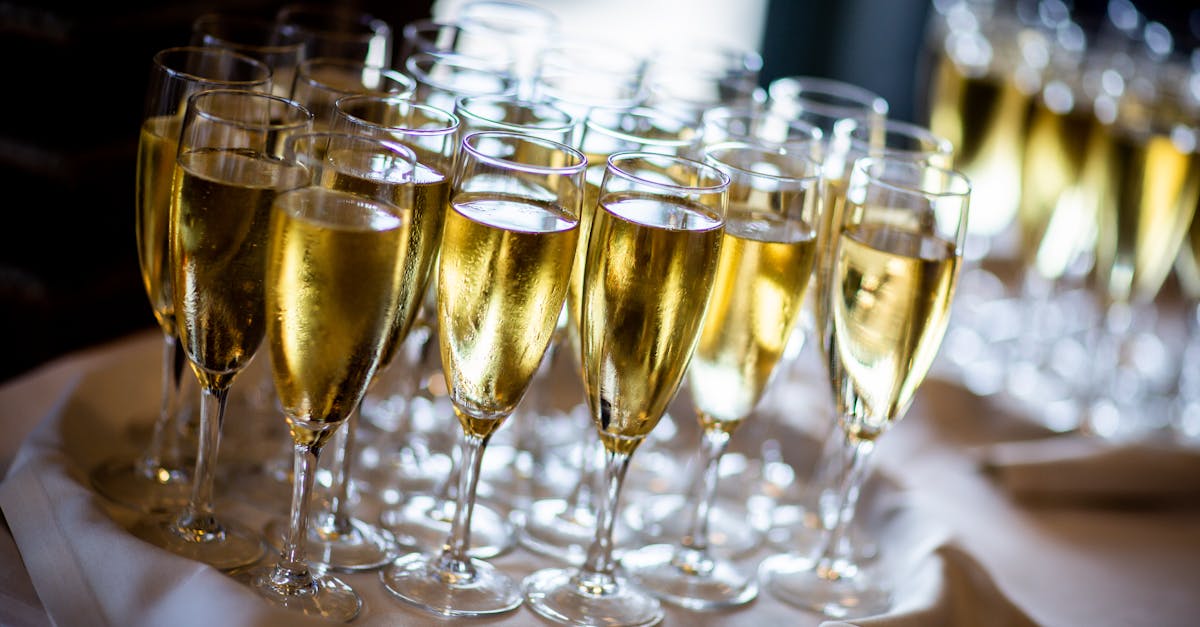
While Louis Roederer embraces sustainability, Krug and Bollinger uphold the banner of unwavering tradition, with legendary vintages that have stood the test of time. These houses, steeped in ancestral expertise, pride themselves on celebrating the depth and richness of the Champagne terroir.
Krug, for example, is a true institution, renowned for its bold style and diverse blends, capable of creating unparalleled aromatic complexity. Its Krug Grande Cuvée is distinguished by a unique palate, combining roundness and finesse. A bottle to keep on hand for a celebration or to mark an important event.
Bollinger, for its part, embodies robust classicism. Its vintages, like the famous Bollinger Special Cuvée, display a full-bodied, sometimes oaky profile, with dense bubbles and ripe fruit flavors. Its commitment to traditional winemaking, sometimes with extended barrel aging, ensures a style that appeals to discerning champagne lovers.
🥂 Krug Grande Cuvée: A blend of several years for perfect balance.
- 🍾 Bollinger Special Cuvée: Robust and full of character, ideal with rich dishes.
- 🌟 Wines made for those who like to play the joker card when it comes to gastronomy.
- 🍽️ Pairings that help bring out complex notes, such as oily fish or white meats.
- To learn more about the types of Champagne wine and better choose between a vintage or non-vintage cuvée, don’t hesitate to consult this very clear explanatory file. The richness of Champagne’s vintages is clearly revealed, with tips for discovering what suits you best. House 🍇
Flagship Cuvée 🥂 Main Style 🎨Food Pairings 🍴
| Krug | Krug Grande Cuvée | Complex, subtle, and profound | Oily fish, poultry, mature cheeses |
|---|---|---|---|
| Bollinger | Special Cuvée | Classic, powerful, full-bodied | White meats, shellfish, dishes with sauce |
| https://www.youtube.com/watch?v=Q5-82EilNWE | Discover the sparkling world of champagne, a sparkling wine emblematic of the French art of living. Explore the different wine-growing regions and grape varieties, and learn how to choose the best champagne for every occasion. Delve into the fascinating history of this celebratory drink and savor each sip with elegance. | Dom Pérignon, Ruinart, and Taittinger: legendary houses not to be missed | It’s impossible to talk about iconic vintages without mentioning essential names like Dom Pérignon, Ruinart, and Taittinger. These houses have built their reputations around exceptional quality and a history that inspires connoisseurs. |
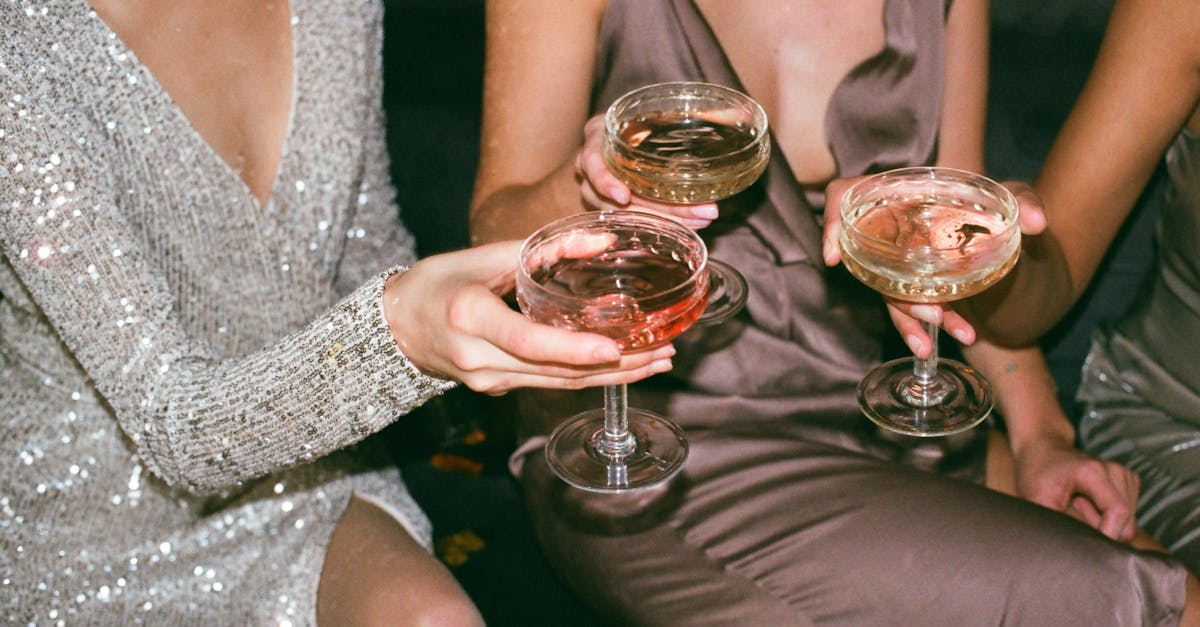
Taittinger, meanwhile, offers a diverse range focused on purity and freshness. With a high proportion of Chardonnay in its blends, the house emphasizes elegance and conviviality, appealing to a wide audience. Their Brut Réserve is a perfect example of accessibility without compromising on quality.
🍾 Dom Pérignon P2: A mature, complex, and refined champagne. 🌼 Ruinart Blanc de Blancs: Fresh, light, and floral.
🔆 Taittinger Brut Réserve: A symbol of elegance and freshness.
📜 A rich history that adds even more flavor to each bottle.
Want to better understand how to read a Champagne vintage and choose the one that’s right for you? It’s easy with this practical guide to vintage identification. It will help you decipher the complexity behind each year and make the best choice for your tastes. House 🥂
- Specificity 🌟
- Style 🍇
- Occasions ✨
- Dom Pérignon
Exclusive vintage Elegant, toastyCelebrations, prestigious parties
| Ruinart | Iconic Blanc de Blancs | Light and floral | Aperitifs, light meals |
|---|---|---|---|
| Taittinger | Blend with a high proportion of Chardonnay | Fresh and convivial | Moments with friends, varied meals |
| https://www.youtube.com/watch?v=N58Ox0E84VI | 2025 trends: organic, rosé, and flavor innovations | 2025 is a year unlike any other for Champagne wine. Trends indicate a keen interest in: | 🍃 Organic and biodynamic champagnes, synonymous with greater respect for the environment and purity of flavor. 🌸 Rosé champagnes are increasingly popular for their balance between freshness and roundness. |
| 🛠️ Innovation in winemaking, with techniques combining ancestral know-how and modern methods to further define aromas. | 👍 The emergence of champagne and food pairings in gourmet cuisine, redefining sparkling wine as a partner of choice, beyond clichés. | Among the brands that stand out in these trends is Laurent-Perrier, which focuses on rosé champagnes of great finesse, aka a very “in vogue” style. Its Rosé cuvée reveals fruity and delicate notes, perfect for a summer aperitif or an evening with friends. Similarly, Philipponnat, with its relentless pursuit of quality, offers organic cuvées that delight the most discerning palates. | The market is also diversifying with original offerings like Blanc de Blancs, highly valued by discerning connoisseurs who want to explore the purity of the Chardonnay grape variety. This style is clearly showcased by Ruinart and other historic estates that know how to play the classic, revisited card. |
Representative Estate 🍾
Key Features 🌿
- Why choose? 🤔
- Organic Champagnes
- Philipponnat
- Natural, pesticide-free vinification
Respect for nature and authentic flavors
Rosé Champagnes
| Laurent-Perrier | Freshness, fruitiness, roundness | Versatile, convivial | Blanc de Blancs |
|---|---|---|---|
| Ruinart | 100% Chardonnay blend | Elegance and purity | Winemaking innovation |
| Moët & Chandon | Innovative winemaking techniques | Constantly improving aromas | This new-generation dynamism is even pushing some to delve deeper into the differences between brut and demi-sec champagnes to perfectly target their desires. You’ll find all this clearly explained in this |
| file dedicated to the different styles of Champagne | . Enough to help you aim accurately when choosing your bottle. | How to choose the right Champagne vintage in 2025? | With all these offers and new products, choosing your Champagne vintage can be a headache. However, by following a few simple rules, you can ensure everyone’s satisfaction at meals and celebrations: |
| 🎯 First, identify the occasion: aperitif, meal, special celebration, or simply a discovery. | 📅 Pay attention to the vintage, which greatly influences the style and longevity of the champagne. | 🔍 Consider the dominant grape varieties: Pinot Noir for power, Chardonnay for freshness. | 🌟 Favor well-known and well-tested houses, some of which are listed here. |
💡 Don’t hesitate to opt for an organic champagne or blanc de blancs for a different tasting experience. Here is a summary table of the essential criteria to guide you in this choice:Criteria 🧾
What it means 💬
Impact on the choice of vintage 🥂
- Vintage
- Year of grape harvest
- Determines the maturity and style of the champagne
- Grape varieties
- Pinot Noir, Chardonnay, Pinot Meunier
Influences the aromas, structure, and freshness
| Type of champagne | Brut, demi-sec, rosé, blanc de blancs | Matching with the occasion and personal preference |
|---|---|---|
| House | Reputation, expertise, and innovation | Guarantee of consistent quality and distinctive style |
| To expand your knowledge, it’s always useful to discover the | best rosé champagnes of this year | and explore the distinctions between the different Champagne regions in this |
| regional guide | . A great way to refine your palate and better appreciate each vintage. | https://www.youtube.com/watch?v=6pw8hTseOok |
| FAQ on the iconic champagne vintages of 2025 | Which champagne should you choose for a special occasion in 2025? Opt for a prestigious house like Louis Roederer, Dom Pérignon, or Krug, favoring a vintage cuvée for a more exceptional experience. | Are organic champagnes more expensive? |
Not necessarily. Although sustainable methods can incur additional costs, there are affordable options, such as Philipponnat. What is a Blanc de Blancs? It is a champagne made exclusively from the Chardonnay grape variety, renowned for its freshness and elegance. How to read a vintage?The vintage indicates the year the grapes were harvested, often a guarantee of quality when mentioned, as it signifies a more rigorous selection process.