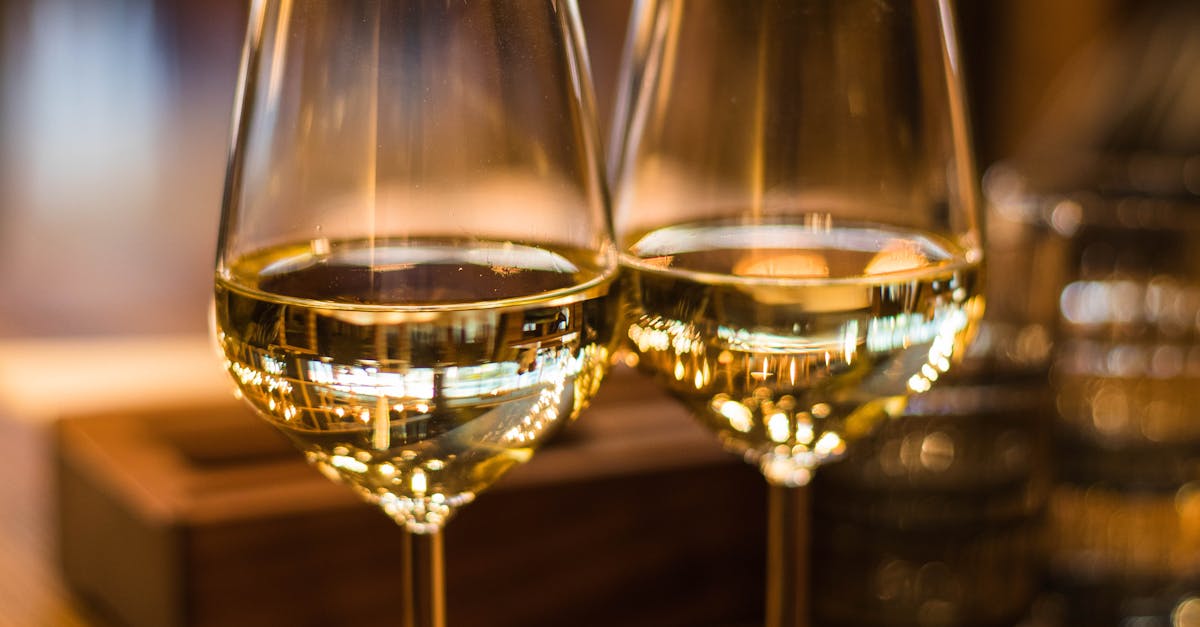
In the Southwest, wine is a true passion that runs through the veins of this region blessed by the gods. Between varied terroirs and ancestral expertise, wine estates compete to offer nectars with profiles as rich as they are surprising. One could spend weeks exploring its vineyards, discovering flavors deeply rooted in a strong local identity. From the powerful Malbec of Cahors to the elegant whites of Jurançon, and the robust reds of Madiran, each estate opens a door to taste experiences full of character. Here, wine isn’t just a beverage; it’s a culture, a heritage, a way of life. Whether you’re an enlightened wine connoisseur or simply curious, embark on a hassle-free tour to unearth the must-see estates that make the heart of the Southwest vineyard beat. The efforts of passionate winemakers are reflected in recent accolades, notably with the arrival of several estates in the list of the Guide to the Best Wines of France 2024. This highlights a vibrant winemaking dynamic where tradition and modernity coexist. Far from resting on their laurels, these producers are innovating while respecting their roots, which is what makes this region so rich and diverse. Here, we reveal the gems that are brilliantly defending the reputation of Southwest wines in 2025, from historic cellars and family estates to projects that are breaking new ground.
The Southwest also boasts a complex geography that shapes the characteristics of each vintage in its own way. From the steep hillsides along the Garonne River to the rolling landscapes of the Pyrenees, the climate and soils color their wines. You’ll discover how each estate thrives, by experimenting with typical grape varieties or injecting a touch of originality into blends and winemaking methods. To help you nail your wine the next time you choose a wine from this region, we offer a comprehensive tour of its must-visit estates, with anecdotes, advice, and suggestions to highlight what truly makes Southwest wines so beautiful.
Emblematic Estates and Their Exceptional Lands in the Southwest
When it comes to wine in the Southwest, certain names naturally recur, striking in their reputation and the quality of their vintages. Château Montus, for example, is a monumental example of Madiran wines, led by Alain Brumont, who has successfully restored the nobility of the powerful and tannic reds of this appellation. At Domaine de la Génestière, a philosophy based on sustainability and a deep respect for the terroir is evident, resulting in balanced, fruity, and distinctive wines.
Les Caves de Gascogne, true ambassadors of the Gers vineyards, have extended their influence far beyond the region with crisp whites and rosés perfect for sunny days. Domaine de l’Harmonie, nestled in the Jurançon hillsides, offers a different palette, with dry and sweet white wines that seduce with their elegance and finesse, all marked by the freshness of the Béarn terroir.
Further west, Château de Crouseilles, a little gem in the Madiran region, stands out for its full-bodied, long-aged reds. Nearby, at Domaine de l’Armagnac, the tradition is more focused on distillation, but the vineyard also produces red and white wines that demonstrate a beautiful local authenticity.
Château de Petit Nègre, meanwhile, brilliantly combines rigorous winemaking with a terroir conducive to growing Gamay and Cabernet Franc, producing lively and delicious wines. Finally, it’s impossible to miss Domaine Tariquet and Domaine de Bilh, two major names in Gascony wines, which masterfully balance tradition and innovation to appeal to an ever-growing audience. 🍇 Château Montus: Powerful wines with pronounced tannins
🍷 Domaine de la Génestière: Balanced wines, respect for the terroir
- 🌿 Caves de Gascogne: Fresh whites and rosés
- 🍾 Domaine de l’Harmonie: Elegant white Jurançon wines
- 🥂 Château de Crouseilles: Full-bodied red
- 🍂 Domaine de l’Armagnac: Authentic and traditional
- 🍒 Château de Petit Nègre: Lively and delicious wines
- 🍽️ Domaine Tariquet and Domaine de Bilh: Innovation and tradition
- Domaine
- Location
| Type of wine | Main grape varieties | Notable features | Château Montus | Maumusson-Laguian |
|---|---|---|---|---|
| Red | Petit Courbu, Tannat, Cabernet Franc | Renowned for its powerful reds with high tannins | Domaine de la Génestière | Gers |
| Red, white | Merlot, Tannat, Sauvignon | Sustainable viticulture, balanced wines | Caves de Gascogne | Gers |
| White, rosé | Ugni blanc, Colombard | Fresh and light, wines for everyday consumption | Domaine de l’Harmonie | Jurançon |
| White | Petit Manseng, Gros Manseng | Finess and freshness typical of Béarn | Château de Crouseilles | Madiran |
| Red | Tannat, Cabernet Sauvignon | Structure, long aging | Domaine de l’Armagnac | Bas-Armagnac |
| Red, white | Baco, Ugni blanc | Traditional production also linked to Armagnac | Château de Petit Nègre | Madanin |
| Red | Gamay, Cabernet Franc | Lively, Delicious Wines | Domaine Tariquet | Gascon |
| White, Rosé | Colombard, Ugni Blanc | Innovation and International Exports | Domaine de Bilh | Gascon |
| White, Red | Tannat, Sauvignon | Showcasing the Gascon Terroir | Discover the fascinating world of wine: its terroirs, its grape varieties, and the best tips for tasting and appreciating every sip. Immerse yourself in the art of winemaking and let yourself be seduced by the unique flavors of each bottle. | What are the critics saying? The Southwest estates that shine in 2024-2025 |

Next, Clos d’Audhuy in Lacapelle-Cabanac is making a remarkable comeback. After leaving the guide in 2020, this estate focuses on innovative winemaking, with sourdoughs made directly in the cellar, minimal doses of sulfur, and gentle extractions. All of this helps highlight the unique terroir, a true guarantee of authenticity. A modern approach that hits the mark and brings it back into the spotlight.
We are also witnessing a resounding debut from Domaine Lajibe in Lucq-de-Béarn, awarded a star in the guide upon its arrival. This estate produces without filtration or sulfites, which is a real challenge and betrays a precision in the winemaking that borders on perfection. These vintages are fueled by purity and finesse; it may come as a surprise, but everyone agrees.
✨ Plaimont producers: Exceptional vintages, century-old vines
🔄 Clos d’Audhuy: Innovative winemaking, fight over doses of sulfur
- ⭐ Domaine Lajibe: Michelin-starred entry, zero filtration or sulphites
- Domain
- Year of entry into the guide
| Special features | Reward 2024 | Producers Plaimont | 2024 |
|---|---|---|---|
| Historic terroirs, unique vintages | Integration into the list | Clos d’Audhuy | 2024 (return after 2020) |
| Gentle vinification, low sulfur | Reintegration | Domaine Lajibe | 2024 |
| Without filtration, without sulphites | 1st star | Star-wise, other areas also stand out. Château Bouscassé, owned by Alain Brumont, pockets its first star thanks to dazzling whites and a commitment to the future. Château Montus, another property of Alain Brumont, climbs an additional star, recognition for the rigorous work of its director Antoine Veiry, a talented member of the younger generation. Domaine La Calmette in Trespoux-Rassiels shows great progress in bio-dynamics and wins a second star for its fine expression of Cahors. Let us also add Clos Larrouyat and Domaine Elian Da Ros, which continue to progress in quality and precision to also obtain their second star. These collective distinctions reflect the vitality and dynamism of the region, a real source of inspiration for those who like to explore wine differently. | https://www.youtube.com/watch?v=Y06weBq-vAA |
The typical grape varieties and flavors that take you to the heart of the terroir
For whites, grape varieties such as Petit and Gros Manseng in Jurançon bring a tangy freshness, often available in dry or sweet styles. Sauvignon, meanwhile, is present in several Southwest white wines, providing a minerality we love. It’s also worth noting that estates like Domaine de Laballe produce wines on rare terroirs, notably on the “Sables Fauves,” a unique soil that has belonged to the family since 1820. The production of IGP Landes wines in this region is rare, as most of the grapes are destined for Armagnac. The wines from this unique vineyard are notable for their character and freshness. 🍇 Malbec: Black color, intense red wines
🍷 Tannat: Tannic, robust wines, Madiran wines
🍾 Petit Manseng & Gros Manseng: Aromatic, dry or sweet whites
🌿 Sauvignon: Minerality and freshness in whites
- 🍂 Gamay and Cabernet Franc: Lively, indulgent wines
- 🟠 Ugni Blanc & Colombard: Often for whites and rosés
- Grape Variety
- Main Region
- Characteristics
- Typical Wines
| Malbec | Cahors | Intense black color, firm tannins | Full-bodied and deep reds |
|---|---|---|---|
| Tannat | Madiran | Tannic and robust, long aging | Structured and powerful wines |
| Petit Manseng | Jurançon | Aromatic, tangy white wines | Dry and sweet wines |
| Gros Manseng | Jurançon | Brings freshness and fruitiness | Dry or sweet whites Sweet |
| Sauvignon | Gascony | Mineral and lively | Fresh white wines |
| Gamay | Madanin | Fruity, light | Lively red wines |
| Cabernet Franc | Madanin | Supple, delicious | Light but expressive reds |
| The originality of the Southwest also lies in its sometimes somewhat daring methods, such as the underwater winemaking process devised by Emmanuel Poirmeur. His wines ferment 15 meters underwater, beneath the bay of Saint-Jean-de-Luz. The marine microclimate, tidal pressure, and darkness bring a unique and surprising aromatic complexity. It’s a bit of a change from the beaten track and showcases some rather exciting local creativity! | Discover the fascinating world of wine: its grape varieties, its terroirs, and its gourmet pairings. Immerse yourself in the art of winemaking and let yourself be seduced by the richness of flavors that will make each tasting an unforgettable experience. https://www.youtube.com/watch?v=WPk3eTHY0iw | Visit the wineries and immerse yourself in the local wine culture | To experience wine in a different way, nothing beats a direct trip to the wineries of the Southwest. Whether for a no-frills tasting, a tour of rock-hewn cellars, or a country-style meal, these wineries open their doors wide to share their passion. Tours aren’t limited to tastings: they often extend to discovering the terroirs and winemaking expertise. You can even learn how winemakers are innovating in planting, pruning, or winemaking to meet current climate challenges. |
Some fine examples? Domaine Tariquet, which draws crowds with its guided tours and palpable passion. Or Château de Petit Nègre, where you can feel the connection between soil, grape varieties, and winemaking in a family atmosphere. These experiences are perfect for those who want to understand why a wine has a certain color, bouquet, or character.
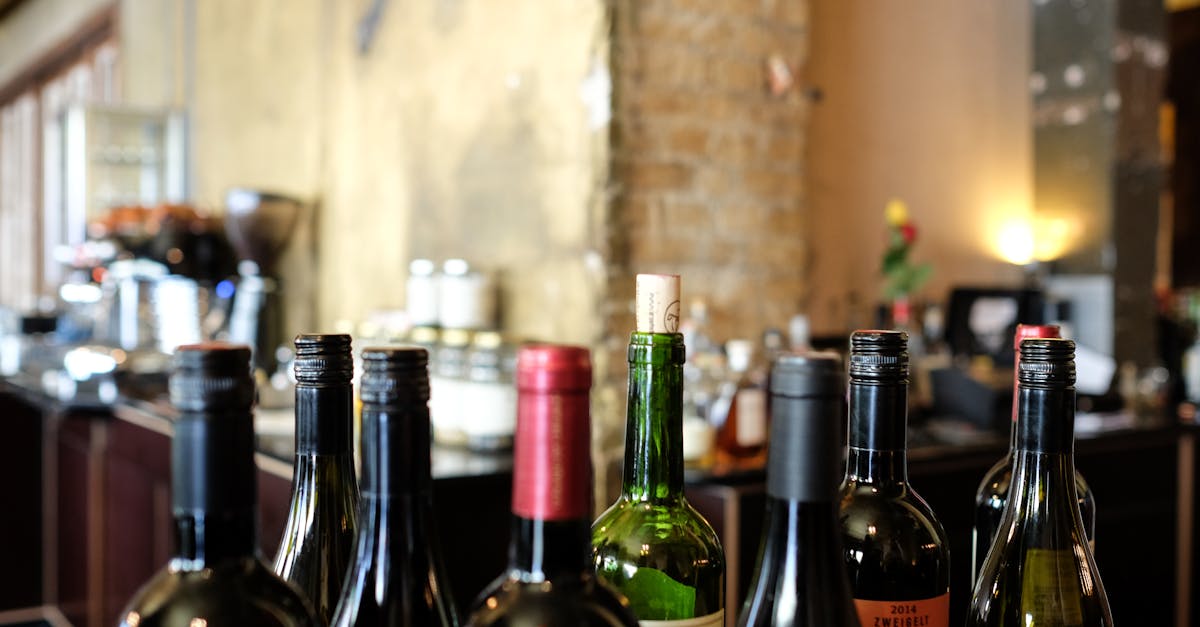
🏰 Visits to historic wineries and cellars 🏺
👩🌾 Meetings with passionate winemakers 💬
🍽️ Meals with food and wine pairings
- Domaine
- Type of visit
- Location
- Information
- Domaine Tariquet
| Tasting, guided tour | Gers | Chilled white wines, regular events | Château de Petit Nègre |
|---|---|---|---|
| Discovery of the terroir, tasting | Madiran | Family atmosphere, chilled red wines | Domaine de Bilh |
| Vineyard and winery tour | Gascony | Red and white wines, respect for the terroir | Domaine de la Génestière |
| Complete tour, tasting | Gers | Sustainable viticulture, discussions with the winemaker | Château Montus |
| Visit and tasting | Madiran | Historic estates, powerful wines | No need to be an expert to enjoy these experiences. Southwest wine can also be enjoyed without any hassle, in a friendly atmosphere. You can consult this guide full of tips for learning how to effectively taste wine, to help you gauge the situation before your visit to the cellar. The site also includes an updated list of local producers in 2025, perfect for planning your itinerary. |
| The challenges and innovations shaping the future of winemaking in the Southwest | Viticulture in the Southwest is constantly evolving, shaken by climate change, the demand for more natural wines, and environmentally friendly methods. Estates like Domaine Elian Da Ros are leading the way by installing hedges and planting massales to limit tannic strength, favoring extreme finesse and tension in their wines. The transition to biodynamics is also a strong trend among some producers, such as Domaine La Calmette. | Faced with rising temperatures and changing precipitation patterns, winegrowers are adapting their practices: pruning, grape variety selection, irrigation management, and more. These adjustments reflect a clear desire to preserve the quality and distinctiveness of the terroir. Château Montus, for example, spares no effort to maintain a high standard of quality, combining tradition with technical innovation. Projects such as underwater winemaking also bring their share of solutions and originality, as we have seen with Emmanuel Poirmeur. 🌱 Transition to biodynamics and sustainable agriculture | 💡 Innovations in winemaking to preserve purity |
🌞 Adaptation to climate change ♻️ Reduction of inputs (sulfur, filtration)🔬 Research into new methods (underwater fermentation) Domaine/InitiativeInnovation/Adaptation
Objective
Expected result
Domaine La Calmette
- Biodynamics since 2020
- Environmental respect, quality
- Expressive and fine wines
- Château Montus
- Modern and traditional techniques
| Maintaining typicality, quality | Powerful and balanced wines | Domaine Elian Da Ros | Massal plantings, hedges to limit tannins |
|---|---|---|---|
| Finesse and tension | Precise and elegant wines | Emmanuel Poirmeur | Underwater vinification |
| Aromatic complexity | New wine profiles | Clos d’Audhuy | Reduced sulfur, sourdoughs Winery |
| Authenticity and Health of Wine | Best Expression of Terroir | This strong push toward a more natural wine is also accompanied by an openness to the world. The Southwest is expanding its recognition beyond its borders, focusing on quality and originality. You can also take a look at trends in other French regions, such as the Rhône Valley, or the essential role of sommeliers, brilliantly illustrated in the Loire region. | Want to know more about the wine wealth of the South-West, its hidden gems and its exceptional wines? Take a detour through these dedicated links and let yourself be tempted without moderation. |
| https://www.youtube.com/watch?v=_cz3qaLeHvU | Frequently Asked Questions: Everything you need to know about the South-West wine estates | ❓ | What are the flagship grape varieties of the South-West? |
| The main ones are Malbec (notably in Cahors), Tannat (in Madiran), Petit and Gros Manseng (for white wines from Jurançon), as well as Sauvignon, Gamay and Cabernet Franc. | ❓ | What must-see areas to visit in the South-West? | Château Montus, Domaine Tariquet, Domaine de la Génestière, Caves de Gascogne and Domaine de l’Harmonie are among the most famous and accessible for a visit. |
❓ What are the recent innovations in these areas? Switching to biodynamics, reducing inputs, underwater vinification or sourdoughs produced in cellars are some of the key innovations to preserve the authenticity of wines. ❓How does the climate impact viticulture in the South West?
Climate change is pushing winegrowers to adapt their practices to maintain quality and typicity, with careful water management, the selection of suitable grape varieties or the use of innovative techniques.