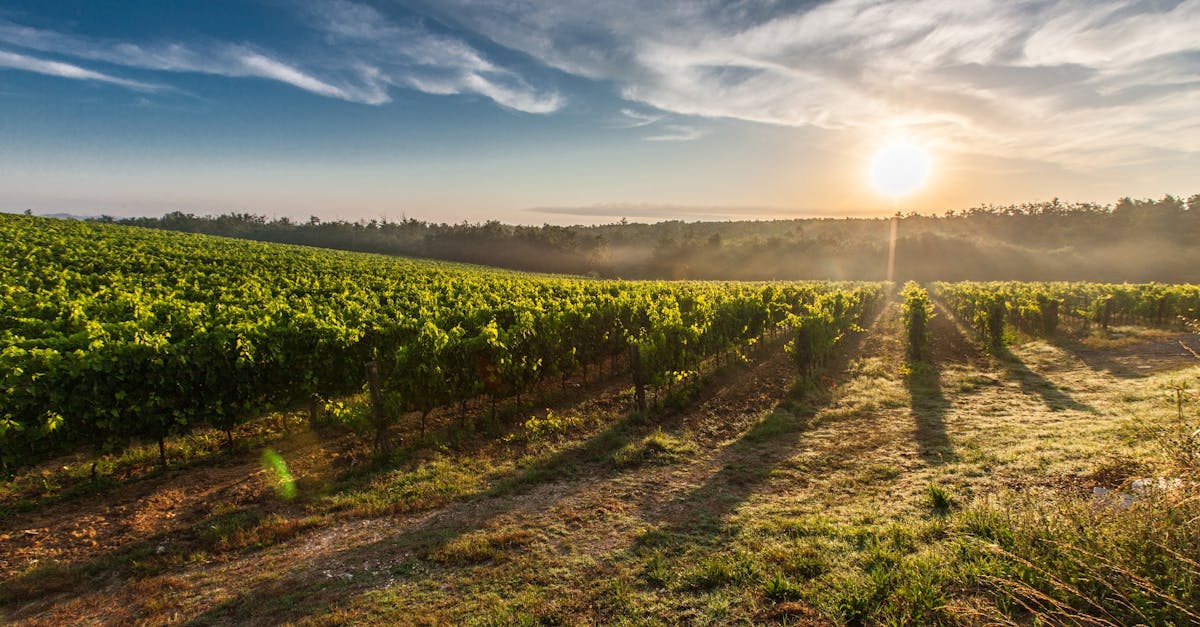
Faced with the challenges of a vineyard deeply marked by abandonment, Château de Gueyze, emblematic of Buzet wines, rises from its ashes after two years of neglect. In the heart of the Southwest, this estate steeped in history, abandoned for too long, is now experiencing a true renaissance. The threat weighing on this winemaking heritage, once flourishing under the banner of the Vignerons de Buzet, has woven a web of concern for all lovers of the terroir and authentic wines. The fight to recover it mobilized a dedicated team, supported by a new wave of buyers and enthusiasts. Throughout this reconstruction, centuries-old expertise, combined with a desire to revive the region, is expressed through this rescue operation. In 2025, Château de Gueyze will once again be recognized as a major player in the winemaking landscape, embodying perseverance in the face of crisis and the ability to adapt to market changes. His example is part of a broader approach to preserving the winegrowers’ heritage while promoting the richness of a unique terroir.
The challenges of saving Château de Gueyze in the Buzet vineyard
The iconic Château de Gueyze estate, located in the Southwest wine region, represents a significant part of Buzet’s winemaking history. In 2023, the effective area of this vineyard fell below the critical threshold of 1,000 hectares, marking a dramatic decline in overall production. Nearly 150 hectares of once-flourishing land were abandoned, threatening to undermine an already fragile heritage. The challenge lay not only in recovering these vines but also in safeguarding a family legacy, both historical and oenological.
What made matters worse was the opaque management that preceded this troubled period. The Vignerons de Buzet cooperative winery, once a flagship of the region, had gradually collapsed, leaving behind a trail of abandoned vines and neglected estates. Responsibility now falls to a consortium of investors and enthusiasts, led by SCI Gueyze Immobilier, which holds out hope for a revival. At their meeting in June 2024, they realized the extent of the losses: between €100,000 and €150,000 in damage, unworked land, and a degraded wine-growing ecosystem. Their urgent mission is to revive this terroir by blending tradition and innovation, particularly in winemaking. Aspect
| Situation in 2024 | Target for 2025 | Vineyard area |
|---|---|---|
| < 1,000 ha (abandoned) 📉 | + 150 ha revitalized 🌱 | Financial situation |
| Estimated loss: €100,000 – €150,000 💸 | Projected profitability 💰 | Management |
| Opaque management, liquidation in progress 🕵️♂️ | Active and transparent recovery 🔄 | A structured revival for the rebirth of Château de Gueyze |
The heart of the recovery operation is based on a precise strategy aimed at combining heritage preservation and modernization. The new managers have decided to entrust the vineyard management to seasoned professionals, including Thierry Deschamps and Benoît Cugnière, to ensure an effective revival. The priority is clear: restore the quality of the vines, particularly those of Merlot, emblem of this terroir, while preserving the authenticity of traditional winemaking.
This technical revival process involved a vast project. The vines were abandoned for two years; their recovery requires extensive intervention, including partial uprooting, cleaning and strengthening the trellis, and implementing precise agronomic monitoring. The vines, which constitute the backbone of this heritage, must regain their former vigor. Winemaking, a key element in Gueyze’s renaissance, now relies on modern techniques, while respecting the climate and the unique character of the terroir, particularly the distinctive characteristics of Sauvignon and Merlot, two essential grape varieties. Reassessment of cultivation practices 🔍
Strengthening vineyard support structures 🏗️
- Using sustainable and environmentally friendly techniques 🌱
- Recruitment of winegrowers specializing in the restoration of abandoned vineyards 👩🌾
- Installation of a new winery to modernize winemaking 🍇
- This ambitious project aims to produce exceptional wines, symbols of an authentic terroir. The approach is also in line with a logic of respect for the environment and sustainable development, while ensuring better certification for labels such as the AOC Buzet.
- Recovery and innovation efforts in the production of Buzet Wines
The restoration process at Château de Gueyze is not limited to simply restoring the vineyards; it also includes a complete reconfiguration of the winemaking process to guarantee the superior quality of the wines. The winemakers, now chosen for their expertise, are committed to respecting heritage while integrating the technological innovations of the 21st century.Techniques such as vinification in stainless steel vats, mastery of the grape variety, and the adoption of a biodynamic approach ensure a more faithful expression of the terroir, particularly for noble grape varieties like Sauvignon Blanc and Merlot. The key to success lies in the ability to preserve local character while attracting a broader clientele, increasingly sensitive to quality and environmental protection.Furthermore, the project shared by the various partners includes the establishment of a wine museum to showcase the history and heritage of Château de Gueyze. The Buzet region, rich in its rolling landscapes and ancestral grape varieties, has considerable tourism and winemaking potential. The revival of Gueyze must also be part of this dynamic. Technologies and Innovations
Impact on Quality
Respect for the Terroir
Reduced Environmental Impact
Better Expression of Grape Varieties
| Modern Winemaking 🍷 | More Faithful to the Terroir and Local Characteristics |
|---|---|
| Improving Soil and Vine Quality | Continuing Winegrower Training 📚 |
| Increased Expertise and Innovation | The Future of Buzet Wines, with Château de Gueyze as the Highlight |
| With a strong desire to revive the dynamics of Buzet Wines, the rehabilitation of Château de Gueyze represents a powerful symbol. By 2025, the goal is clear: to return to regular production, produce wines that perfectly embody their terroir, and regain their place in the hierarchy of quality French wines. | The Gueyze and Padère brands, once synonymous with elegance and finesse, will be revived alongside the Buzet AOC. The aim is also to expand into new markets, particularly exports, while maintaining a balance between tradition and modernity. |
| This revival project represents a major step in the emergence of a new lease of life for this wine-growing region, more determined than ever to keep its heritage alive. The local community, winemakers, and wine lovers are all mobilized to make this estate a vector of excellence, illustrating the resilience of French terroirs in the face of economic upheavals. | Discover the art of wine restoration, where traditional techniques and modern innovations combine to breathe new life into precious bottles. Learn to appreciate every sip with our expert wine advice and preservation methods. FAQs about the rescue of Château de Gueyze and the future of Buzet Wines |
How was Château de Gueyze saved after two years of abandonment?
The revival is the result of a partnership between several investors, including SCI Gueyze Immobilier, who restructured management, renovated the vineyards, and modernized the winemaking process while respecting the historical heritage.
Which grape varieties dominate the production of Château de Gueyze?
The majority of the wines are based on grape varieties such as Merlot and Sauvignon, emblematic of the terroir, which produce rich, balanced wines characteristic of the region.
The use of biodynamic techniques, vinification in stainless steel vats, and regenerative soil cultivation contribute to the quality and distinctive character of the wines.
- What are the current challenges for the production of Buzet Wines? Sustainable management, vineyard restoration, and market recovery, particularly for export, remain crucial challenges to ensure sustainability.
- Source: www.sudouest.fr