
In 2025, the world of chocolate and wine is experiencing incredible excitement. More and more gourmets and novices are daring to venture into bold pairings. The subtle pairing of a good Jura wine and quality chocolate is an unmissable sensory experience. But how do you create this gourmet symphony that highlights these two delights? Let’s dive into this fascinating art together, discovering ever more surprising flavors.
- Why is this chocolate and wine pairing so captivating?
- The different types of chocolate and their characteristics
- Jura wines: a terroir to explore
- The secrets of perfect wine and chocolate pairings
- Creating a sensory experience through themed events
- FAQs about chocolate and wine pairings
Why is this chocolate and wine pairing so captivating?
The pairing of chocolate and wine is a sensory adventure that never ceases to fascinate. Researchers have even revealed that approximately 70% of consumers are exploring new flavor combinations, proving the growing appeal of this delicious union. Why is this partnership so intriguing?
For one thing, chocolate possesses a range of flavors, from bitter to sweet, making this pairing complex and exciting. As organic and sulfite-free wines gain traction, gourmets are faced with an unprecedented array of choices.
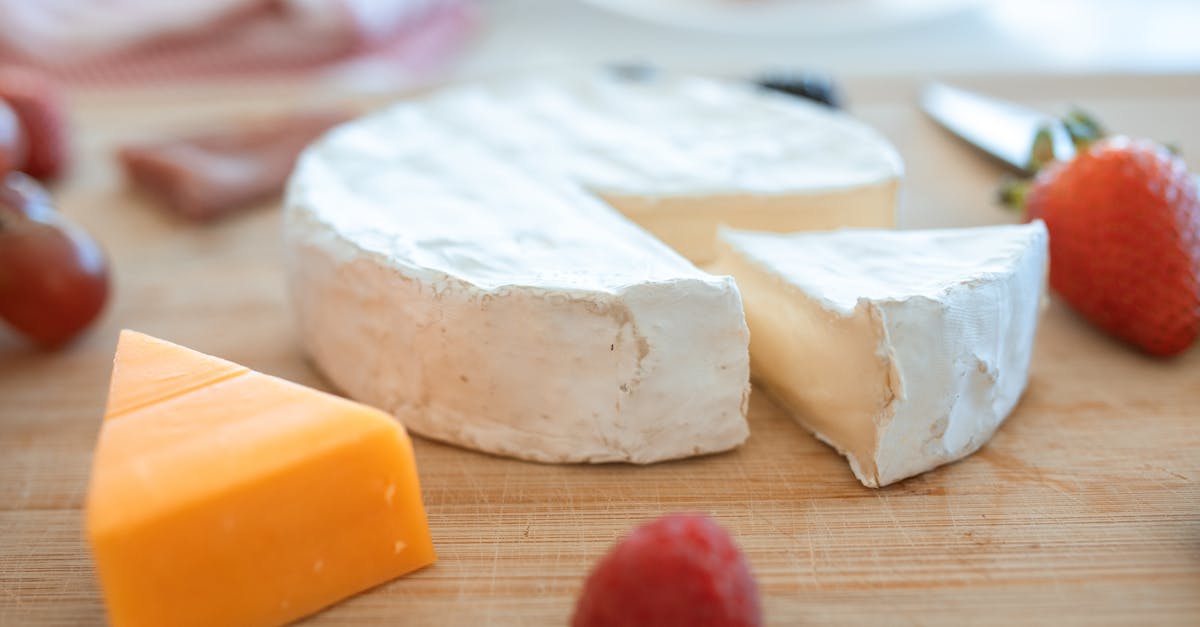
Every tasting becomes a discovery. For example, an intense dark chocolate, like those from Chocolat Bonnat, awakens even more when paired with a Vin Jaune from Domaine de la Tournelle. The latter, with its notes of dried fruit, is a perfect complement to the richness of the chocolate.
Evenings with friends thus become perfect opportunities to explore new pairings, enriching not only the taste palette but also the conversations around the table.
The Different Types of Chocolate and Their Characteristics
Before delving into the art of wine pairing, it’s worth taking a look at the different varieties of chocolate that exist, each with its own specificities.
- Dark Chocolate : With over 70% cocoa, it is intense and bitter, ideal with rich red wines.
- Milk Chocolate : With a cocoa content of between 30% and 50%, its taste is smooth and creamy, perfect with sweet desserts.
- White Chocolate : Although it doesn’t contain cocoa, it brings a delicious sweetness, often paired with sweet wines.
- Fine and Flavored Chocolates : By using ingredients such as spices or fruits, these chocolates offer additional complexity.
What about prestigious chocolates? Partner brands like
Chocolat Valrhona and Chocolat A l’Opéra create artisanal products that elevate pairings to a new level. For lovers of fine food, these chocolates become invaluable allies for connecting with refined wines. It’s fascinating to observe how each chocolate, depending on its composition, interacts with the wine. For example, a red berry chocolate can enhance a sparkling wine. This contrast of textures and flavors awakens the palate and enriches the overall experience.
Jura Wines: A Terroir to Explore
The Jura, a place still mysterious to many, is a wine region worth discovering. Producers like
Domaine des Côtes de Jura and Château-Chalon offer unique varieties that deserve to be savored. With their complex aromas, these wines promise a meeting of the senses. Discover the art of food and wine pairing with our comprehensive wine pairing guide. Learn how to pair the flavors of food with wine to enhance your meals and impress your guests. Whether you’re a novice or an expert, find practical advice and wine recommendations that will enhance your culinary experiences.
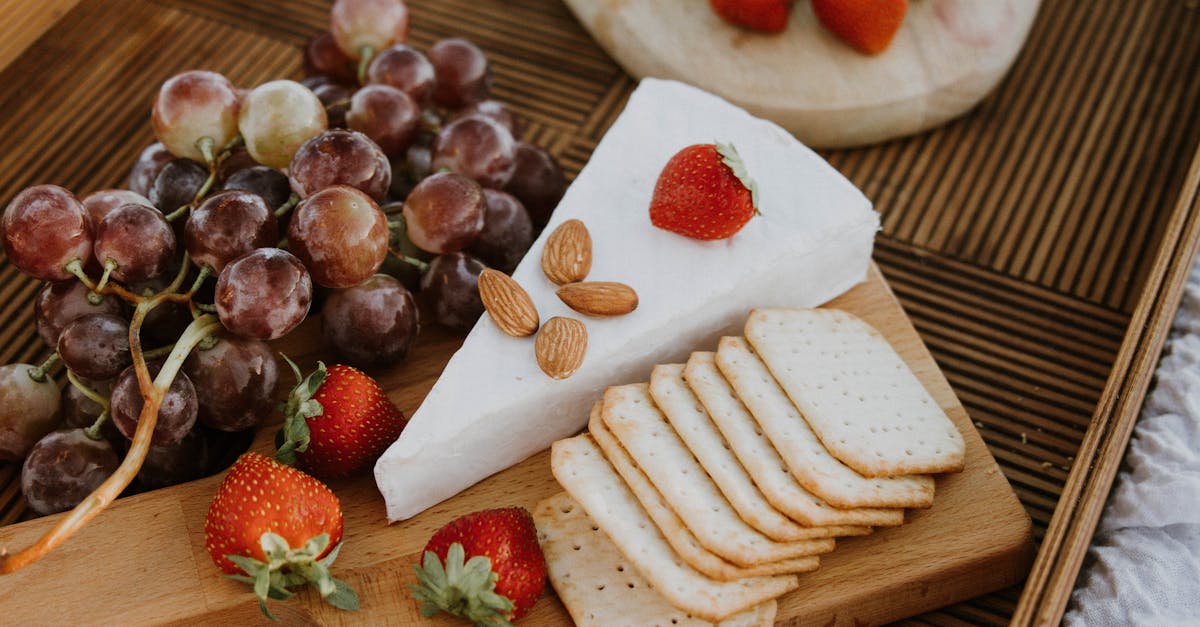
Vin Jaune, emblematic of the region, offers a rich and powerful aromatic palette. Perfect with dark chocolate, it awakens unexplored flavors. In this regard, the Fruitière Vinicole also plays a crucial role in producing quality wines that harmoniously complement sweet dishes. What makes the Jura unique? The Jura terroir features a diversity of soils, climates, and grape varieties that shape its unique identity. Whites, such as Savagnin, rival the reds with exquisite fruity notes. For curious palates, these wines demonstrate ancestral expertise that deserves to be explored. The Secrets of Perfect Wine and Chocolate Pairings Creating the perfect chocolate and wine pairing means juggling flavors to enhance each bite. It’s a balancing act between richness, sweetness, and texture.
Dark Chocolate and Red Wine
: The classic pairing. Think great vintages like Cabernet Sauvignon that rival the depth of chocolate.
Milk Chocolate and Sweet Warmth
: A sweet Port, for example, pairs perfectly with creamy milk chocolate.
- White Chocolate and Fruity Sweetness : Balance it with a smooth wine or sparkling wine for a delicate experience.
- Pairing Spices : A spicy chocolate can easily pair with a light, fruity wine for perfect harmony.
- Clever pairings like milk chocolate with a fruity wine add a hint of sweetness while revealing aromas that make the taste buds dance. https://www.youtube.com/watch?v=BTneNr8fFoY Some pairing recipes to try
- Let’s explore some pairing recipes that will amaze your guests at a dinner party or special event: Chocolate Type
Recommended Wine
Intense Dark Chocolate
Vin Jaune
| A perfect symbiosis between the richness of chocolate and the complexity of wine. | Creamy Milk Chocolate | Port |
|---|---|---|
| A sweet and delicate combination, perfect for those with a sweet tooth. | White Chocolate | Vin Doux Naturelle |
| A guaranteed cocooning effect in the harmony of sweetness. | Create a sensory experience through themed events | There’s nothing like an event to share your passion for chocolate and wine. By organizing tasting evenings, you can showcase these pairings in a friendly setting. |
| Invite experts like Cyril Lignac to share pairing tips. | Offer workshops where everyone can create their own pairings. Create varied platters combining chocolates and wines to enable personalized experiences. | Discover the art of wine and food pairing with our complete guide to wine pairing. Learn how to combine flavors to enhance your meals and impress your guests. |
Events centered around these pairings not only allow you to discover new flavors but also to share memorable moments with loved ones. It’s essential to encourage exploration. Moreover, these hosts often share their recommendations, magnifying the pleasure of tasting.
Arouse curiosity about wine and chocolate
- Chocolate and wine tastings are also an excellent way to raise awareness of the quality of local and artisanal products. From regional chocolate to Jura wine, a commitment to sustainable and ethical practices is essential. Don’t hesitate to play on the locality and showcase your region’s artisans. Chocolate and Wine Pairing FAQ 1. How to choose wine to complement chocolate?
- Choose a wine that complements the richness of the chocolate. For intense dark chocolate, a full-bodied red wine is ideal, while for milk or white chocolate, a sweet wine will work wonders.
- 2. Are organic wines better to pair with chocolate?
3. How many types of chocolate should be served at a tasting?
Varying the chocolates allows guests to discover different harmonies. We recommend at least five types for a complete experience.
4. Can chocolate be paired with spirits?
Yes, spirits like whiskey or rum can also pair with chocolate. This opens the door to original and unexpected combinations.
5. Where can we find the best chocolates for our pairings? Renowned brands such as
Chocolat Bonnat
and
Chocolat Valrhona
offer excellent products, perfect for pairing Jura wines.
Embarking on the adventure of finding the perfect pairing between Jura wine and chocolate is a passion worth cultivating. Through each experience, a new world of flavors is revealed, enriching our understanding of gastronomy and the culinary arts.
