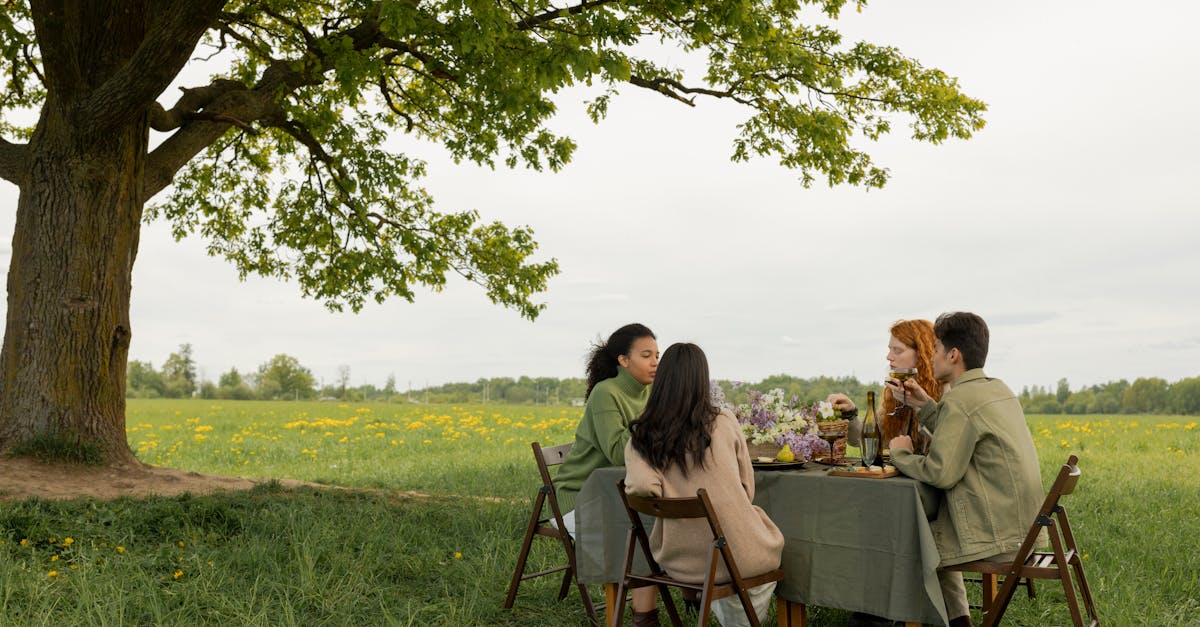
A sensory revolution: natural wine in Anjou shatters the stereotypes of unpleasant odors
Wine lovers, both novices and connoisseurs, are often confronted with a negative image of so-called “natural” wines, especially in regions traditionally renowned for their ancestral expertise like Anjou. Yet, in 2025, this wine counterculture continues to gain ground, challenging the persistent reputation of the mop-like smells sometimes associated with these wines produced through viticulture that respects biodiversity and natural balance. The magic begins with the tasting: natural wines now find their legitimacy in the finesse, complexity, and authentic expression of their terroir. So much so that some winemakers, after building their reputations on traditional techniques, are deciding to embrace this trend to stand out and respect their environment. This paradigm shift, fueled by a growing demand for organic and local products, is accompanied by a renewed interest in organic and biodynamic viticulture, particularly in the Loire Valley. The Anjou region, a land of history and rich terroirs, is becoming a veritable open-air laboratory for these vibrant, often minimally filtered wines that capture attention because they offer a true taste journey without artifice or artificiality. The success of these vintages is breathing new life into the local scene, sparking a veritable oenological revolution where spontaneity, freshness, and transparency are key.
Discover the fascinating world of natural wine, made from grapes grown without chemicals and vinified with little or no additives. Learn more about its unique flavors, its health benefits, and the passionate producers who promote sustainable practices.
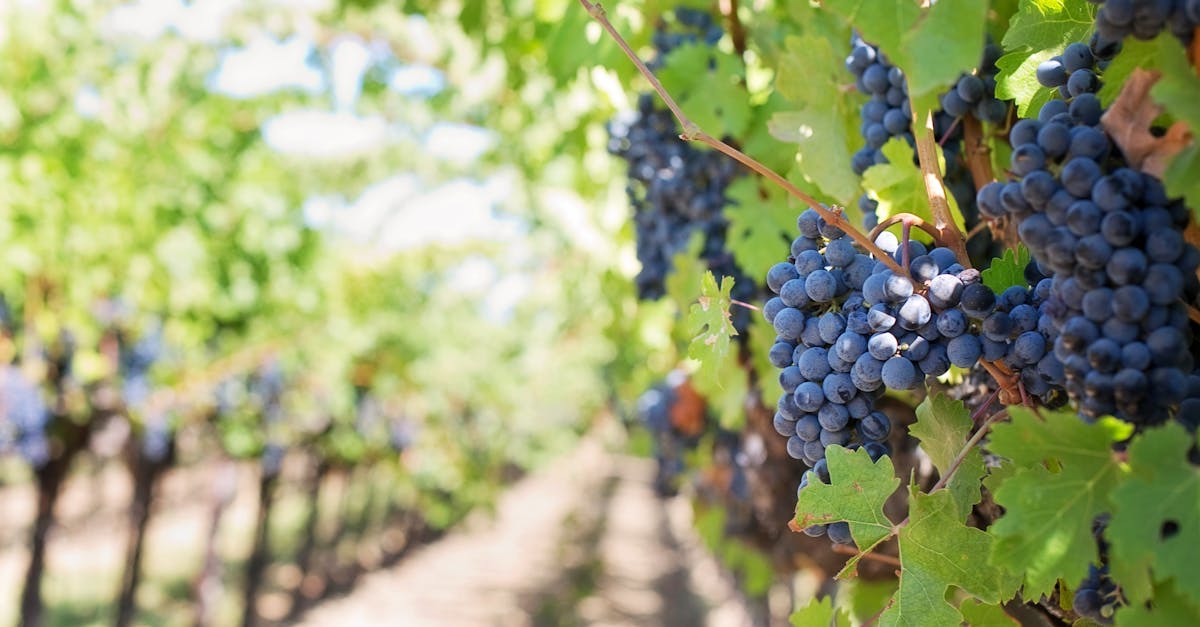
Several factors explain this keen interest in natural wine in Anjou. First, environmental awareness, driven by a population concerned with responsible consumption, is pushing to reduce the use of chemicals in viticulture. Organic viticulture, favored by many winemakers, gives wines their authenticity and an aromatic intensity rarely achieved by conventional wines. Second, the quest for a living product, without additives or added sulfites, appeals to a discerning public or those simply curious to break free from industrial standards. The “back to basics” trend is also reflected in the desire to return to chic simplicity, favoring natural flavors and the true expression of the terroir.
In addition to the ecological aspect, the rise of the natural wine movement is also based on examples from pioneering winemakers in Anjou. Figures such as Nicolas Joly and Mark Angeli, who planted the first seeds of this revolution, inspired an entire generation. Their philosophy, based on biodynamics, advocates viticulture that respects the land to produce lively, expressive, and unadorned wines.
This new lease of life has resulted in a diversification of styles and aromatic profiles, allowing each winemaker to explore the richness of their terroir, wine after wine. This also translates into a variety of tasting experiences: fruity, tannic, or complex wines, depending on the method and the geographical area. Yet, despite this diversity, all these wines share a common identity: the sincerity and honesty of the finished product.
At the heart of this transformation, viticulture in Anjou is adopting innovative agricultural techniques, blending tradition and modernity. Winegrowers now favor organic and biodynamic practices: manual weeding, natural compost, the absence of chemical inputs, and the use of plant and flower preparations to strengthen the health of the soil and vines. Here are some key elements of sustainable viticulture in Anjou:
🌱 Exclusive use of native grape varieties such as Chenin Blanc, Grolleau, and Cabernet Franc, to respect the identity of the terroir
🌱 Use of agricultural practices that preserve local biodiversity, including the reintroduction of beneficial insects and the creation of natural refuges
- 🌱 Encouragement of manual harvesting for precise grape selection and better ripeness
- 🌱 Traditional threshing methods or fermentation in traditional vats to enhance the vibrant and authentic character of the wines
- Many estates, such as Domaine de Trivel and Sagesse des Sols, are experimenting with these techniques to create wines that tell the story of their terroir. The philosophy is clear: cultivate a certain simplicity to reveal the full natural complexity of the vine and soil.
- Discover natural wine: an authentic and environmentally friendly experience. Explore unique, organic, and additive-free flavors for a tasting that celebrates the purity of the terroir.
Authentic tastings and the challenges of recognizing natural wines in Anjou Tasting natural wine in Anjou is becoming a true sensory experience, far from the mop-like odors that some feared in the past. The key to success lies in transparency, the search for balance, and the ability to express the purity of the terroir. During dedicated events, such as the Natural Wine Day in Saint-Étienne , oenologists, winemakers, and enthusiasts discuss sustainable viticulture practices and guided tastings. The challenges, however, lie in gaining market recognition for these wines. Regulations, still unclear in 2025, sometimes require trade-offs, particularly during health inspections or inventory checks. However, the quality and integrity of natural wines are gradually convincing even the most skeptical, thanks to a series of events and testimonials, such as that of Lidl’s organic wines, or tastings illustrating the explosion of oenological creativity. CharacteristicsDetails
🤝 Production method
Sulfite-free vinification, fermentation with indigenous yeasts 🚀 More freshness and authenticity🌍 Terroir
Vines cultivated according to biodynamic practices in Anjou🌿 Respect for the soil and biodiversity 🎯 Regulatory challenges
| Inspections and official recognition still in progress | ⚠️ Need for legal and educational support | 🌟 Trends |
|---|---|---|
| Upmarket and diversification of aromatic profiles | ✨ Enriched customer experience | https://www.youtube.com/watch?v=ceNNMA5V49U |
| The essential role of winegrowers in this oenological transformation | Winegrowers play a crucial role in this move towards more eco-responsible and authentic viticulture. In Anjou, many have decided to transform their relationship with the vine, often after experimenting with alternative methods. Their attachment to the terroir and their passion for wine combine today to produce genuine products, often produced in small batches, according to the “homemade” principle. | Among these committed figures, some adopt biodynamics with almost religious care, like the winemakers of Mozé-sur-Louet. |
| . These artisans work both for the preservation of their environment and the recognition of their approach by the general public, often by offering cellar tours or tasting workshops. Their message is simple: cultivate the land with humility and trust in nature to give birth to wines that speak for themselves. | This dedication, combined with a capacity for innovation, is changing the perception of natural wine. It becomes a true culture, a way of respecting life and biodiversity while offering unique taste experiences. | discover the fascinating world of natural wine, an authentic and sustainable choice for wine lovers. explore unique flavors, traditional winemaking methods and the positive impact on the environment. discover a wine without chemicals or additives, which celebrates the purity of the terroir. |
| FAQ – Frequently asked questions about natural wine in Anjou | 🌱 What differentiates a natural wine from a conventional wine? | A natural wine is made with little or no addition of sulphites, without chemicals, favoring spontaneous fermentation and respecting the terroir and local biodiversity as much as possible. |
In general, yes: it contains fewer chemicals, additives or preservatives, which makes it more authentic and often better tolerated by sensitivities. However, its conservation requires careful tasting.
🍷 How to recognize a good natural wine?
We must favor wines from certified organic or biodynamic estates, which participate in specialized events or which clearly display their artisanal approach and their respect for the terroir. 🧑🌾 Can we understand the history of the terroir through these wines?Absolutely. The majority of these wines reflect the unique character of their region of origin, allowing you to take a taste journey through the local landscape while discovering modernized ancestral know-how.
Source: